
California, a land celebrated for its breathtaking landscapes, vibrant cities like Los Angeles and San Francisco, and a lifestyle often synonymous with sunshine and outdoor adventure, faces a recurring and devastating challenge: wildfires. These infernos have become an increasingly prominent and destructive feature of the Golden State’s annual rhythm, altering not only its natural environment but also profoundly impacting its communities, economy, and the very fabric of its tourism industry. From the sprawling vineyards of Napa Valley to the majestic forests of the Sierra Nevada mountain range, no region seems entirely immune. Understanding what truly causes these California wildfires is not merely an academic exercise; it’s essential for developing effective prevention strategies, fostering community resilience, and ensuring that this iconic destination can continue to thrive and welcome travelers from around the globe. The answer, as we will explore, is rarely singular, but rather a complex interplay of natural phenomena, human actions, and evolving environmental conditions.
A Complex Tapestry of Causes: Unraveling the Drivers Behind California’s Wildfires
The narrative around California’s wildfires often focuses on dramatic images of towering flames and smoke-filled skies. However, the genesis of these events is far more intricate, woven from threads of environmental shifts, historical land management choices, and contemporary human activity. While a single spark might ignite a blaze, the conditions that allow it to rage out of control are years, even decades, in the making. For those planning a luxurious escape to a Malibu beachfront villa or an adventurous trek through Yosemite National Park, understanding these underlying factors can provide valuable context, encouraging responsible travel and supporting the state’s efforts toward mitigation and recovery.
The Shadow of Climate Change: A Priming Condition
Perhaps the most significant overarching factor contributing to the increasing intensity and frequency of California wildfires is climate change. The changing global climate has created an environment in California that is hotter, drier, and more susceptible to ignition. Average temperatures across the state have risen steadily over the past few decades, leading to more prolonged and intense heatwaves. These elevated temperatures directly contribute to increased evaporation from soils and vegetation, turning vast swathes of forests, chaparral, and grasslands into tinder-dry fuel.
Coupled with rising temperatures, California has experienced persistent droughts, some of the most severe in recorded history. These droughts deplete water reserves, reduce snowpack in the Sierra Nevada (a crucial source of spring runoff), and stress native vegetation. Trees, weakened by lack of water, become more vulnerable to insect infestations, such as bark beetles, which kill off large stands of timber, adding even more dead, dry fuel to the landscape. Furthermore, climate change is linked to shifts in atmospheric patterns, contributing to the prevalence of strong, dry winds—like the Santa Ana winds in Southern California and the Diablo winds in Northern California—that can rapidly spread small fires into uncontrollable infernos. These winds, often strongest in the fall, can carry embers miles ahead of the main fire front, starting new blazes and making containment incredibly challenging for firefighting crews, including those from the California Department of Forestry and Fire Protection (CAL FIRE). For those booking long-term accommodation in scenic, hilly areas, understanding these seasonal wind patterns is paramount for safety.
The Human Element: Ignitions and the Wildland-Urban Interface
While climate change sets the stage, human activity remains the primary ignition source for most wildfires in California. According to CAL FIRE, a significant majority of fires are caused by human actions, whether intentional or accidental. These ignitions stem from a myriad of sources:
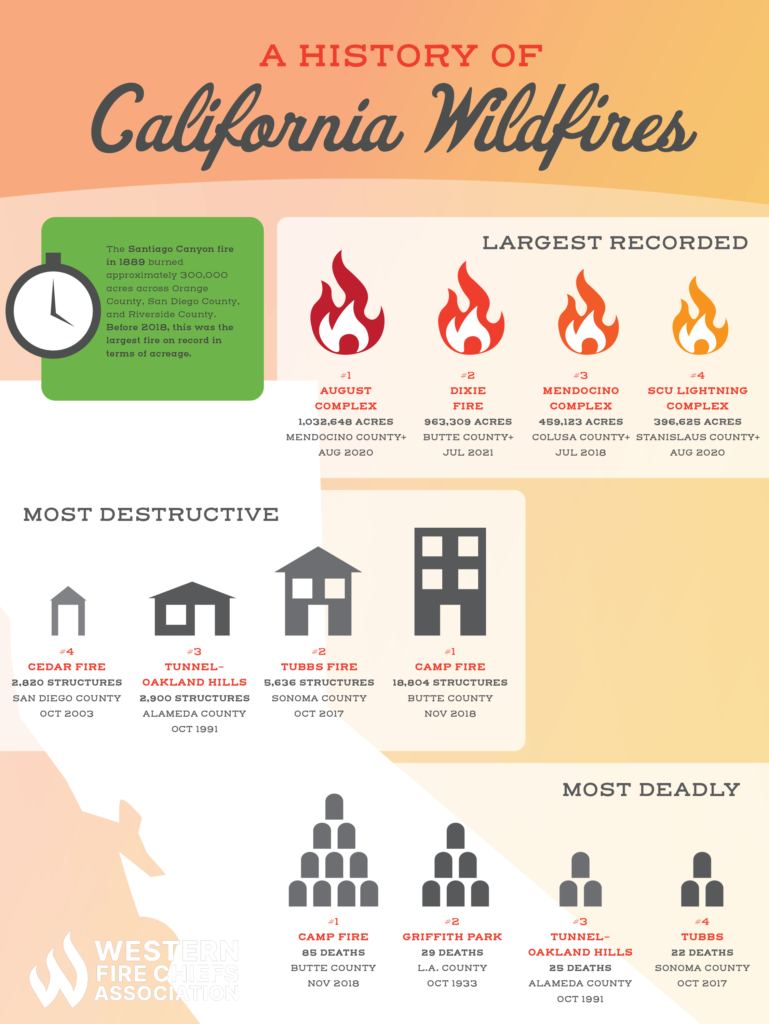
- Power Lines and Electrical Equipment: Aging infrastructure, especially in rural, fire-prone areas, is a significant culprit. Downed power lines, equipment malfunctions, or contact between power lines and dry vegetation can easily spark a fire. The devastating Camp Fire in 2018, which virtually destroyed the town of Paradise, was famously linked to faulty electrical transmission lines.
- Vehicle-Related Sparks: Everything from sparks from catalytic converters hitting dry grass to trailer chains dragging on asphalt can create an ignition.
- Campfires and Open Burning: Despite regulations, improperly extinguished campfires, discarded cigarettes, or uncontrolled debris burns remain common causes. Visitors enjoying the natural beauty of national parks or state parks need to be acutely aware of fire restrictions.
- Arson: Though less frequent, intentional acts of arson contribute to the fire problem, often with malicious intent.
- Equipment Use: Sparks from machinery, power tools, and agricultural equipment can easily ignite dry fuels, especially during harvest seasons.
Beyond ignitions, human development patterns play a crucial role. The expansion of residential areas into the “wildland-urban interface” (WUI)—where human development meets wildlands—puts more homes and lives at risk. As more people seek to live in scenic, natural settings, the potential for human-caused ignitions increases, and the consequences of a wildfire grow exponentially. This encroachment means that fires, once confined to remote forests, now directly threaten communities, driving up evacuation numbers and property losses. This trend impacts everything from the availability of rental apartments to the demand for hotels during fire season as residents seek temporary housing.
The Legacy of Forest Management: Fuel Accumulation
For much of the 20th century, the dominant strategy for managing wildlands in the United States, including California, was aggressive fire suppression. The goal was to extinguish every wildfire as quickly as possible. While this approach protected timber resources and communities in the short term, it inadvertently led to a significant build-up of flammable vegetation – “fuel” – on forest floors and within shrublands. Historically, low-intensity fires, often ignited by lightning or by indigenous populations using prescribed burns, would periodically clear out undergrowth, fallen leaves, and small trees, creating a mosaic landscape less prone to catastrophic blazes.
The absence of these natural cleansing fires, combined with increased tree density due to fire suppression, means that when a fire does ignite today, it encounters an unprecedented amount of fuel. This allows fires to burn hotter, spread faster, and climb into the tree canopy, creating dangerous crown fires that are extremely difficult to control and far more destructive to the ecosystem. Current forest management strategies, led by agencies like the U.S. Forest Service and CAL FIRE, are shifting towards more holistic approaches, including prescribed burns (controlled burns under specific conditions) and mechanical thinning to reduce fuel loads. These methods aim to restore a more natural fire regime and create healthier, more resilient forests. However, the scale of the problem, with millions of acres needing treatment, means this is a long-term endeavor.
The Far-Reaching Impact: Beyond the Scorched Earth
The immediate devastation caused by California wildfires is undeniable: homes razed, landscapes charred, and lives irrevocably altered. However, the consequences ripple much further, impacting public health, the environment, local economies, and the broader tourism sector that is so vital to the state. For visitors considering a luxury travel itinerary or a budget-friendly family trip to California, understanding these impacts is crucial for responsible engagement with the destination.
Environmental and Ecological Fallout
Wildfires inflict profound damage on California’s diverse ecosystems. Habitat destruction is immediate and often catastrophic, displacing or killing countless wildlife species. Iconic areas like parts of Redwood National Park or the scenic coastline near Big Sur can take decades to recover. Beyond the visible destruction, the environmental consequences are extensive:
- Air Quality: Smoke plumes from large fires can spread for hundreds of miles, significantly degrading air quality across large regions, even reaching cities like San Diego or Sacramento far from the fire front. This poses serious health risks, particularly for vulnerable populations, and can deter tourism, impacting hotel bookings and local attractions.
- Water Quality and Erosion: Burned landscapes lose their protective vegetation cover, leading to increased soil erosion. When heavy rains follow fires, the runoff carries ash, sediment, and pollutants into rivers, lakes, and reservoirs, contaminating water supplies and harming aquatic ecosystems. This can affect recreational activities around bodies of water like Lake Tahoe.
- Biodiversity Loss: Repeated high-intensity fires can permanently alter ecosystems, leading to the loss of unique plant and animal species adapted to specific fire regimes.
- Carbon Emissions: Wildfires release vast quantities of stored carbon into the atmosphere, contributing to greenhouse gas emissions and exacerbating climate change, creating a dangerous feedback loop.

Socio-Economic Disruption and the Tourism Economy
The human toll of wildfires extends far beyond those who lose their homes. Communities can be shattered, with residents displaced for extended periods, struggling with the emotional and financial burden of rebuilding. The economic impacts are equally staggering:
- Property and Infrastructure Loss: Billions of dollars in property damage, including homes, businesses, and critical infrastructure like power grids and communication lines, lead to immense recovery costs.
- Business Interruption: Local businesses, from small shops in affected towns to large resorts in popular tourist destinations, suffer significant losses due to evacuations, road closures, and decreased visitor numbers. A prime example is the wine region of Sonoma County, where fires have disrupted harvests and tourism for several seasons, impacting boutique hotels and local eateries.
- Agricultural Damage: California’s vital agricultural sector can be severely hit, with crops destroyed, livestock lost, and fields rendered unusable.
- Tourism Downturn: For a state that heavily relies on tourism, wildfires can deliver a crippling blow. Travelers, understandably wary of smoke, poor air quality, and potential danger, may cancel bookings for hotels, resorts, and vacation apartments. Iconic landmarks and national parks might close, impacting visitor experiences. Destinations known for their natural beauty, such as Santa Barbara, must navigate a delicate balance between welcoming visitors and ensuring their safety during peak fire seasons. The disruption affects guides, local attractions, and even the “foodie” experiences that travelers seek.
Building Resilience: Adapting to California’s Fire Future
Given the complex causes and wide-ranging impacts of wildfires, the path forward for California involves a multi-pronged strategy focused on both proactive prevention and adaptive resilience. This means not just fighting fires, but intelligently managing landscapes, hardening communities, and fostering a culture of preparedness. For travelers and those considering relocation, understanding these efforts can inform safer choices and highlight opportunities to support sustainable tourism.
Strategic Prevention and Community Hardening
Effective prevention strategies address both the sources of ignition and the conditions that allow fires to spread.
- Forest and Land Management: Implementing large-scale prescribed burns, mechanical thinning, and strategic reforestation projects are crucial to reduce fuel loads and create more fire-resilient landscapes. This involves a collaborative effort between state agencies like CAL FIRE and federal partners like the U.S. Forest Service.
- Infrastructure Upgrades: Modernizing power grids, including burying power lines in high-risk areas and implementing advanced shut-off technologies during high wind events, is critical to reducing utility-caused ignitions.
- Defensible Space and Home Hardening: Educating homeowners about creating defensible space around their properties—clearing flammable vegetation within 100 feet—and encouraging “home hardening” measures (using fire-resistant building materials, sealing vents, installing ember-resistant roofing) are vital. This concept is increasingly important for vacation rentals and hotel properties located in the WUI.
- Early Warning Systems and Evacuation Planning: Investing in advanced fire detection technologies, robust communication systems, and well-rehearsed evacuation plans ensures that communities can respond quickly and safely when fires do occur.

The Role of Sustainable Tourism and Lifestyle Choices
For a state that epitomizes outdoor living and draws millions of tourists, adapting to a future with wildfires also means rethinking how we live, travel, and interact with the natural environment.
- Responsible Travel Practices: Tourism operators and visitors alike must adopt responsible practices, such as adhering strictly to campfire restrictions, disposing of cigarettes properly, and being aware of local conditions. Choosing eco-conscious accommodations and tour operators can also support local resilience efforts.
- Supporting Local Recovery: When fires devastate a region, local businesses, including hotels, restaurants, and attractions, suffer immensely. Travelers can play a vital role in recovery by choosing to visit and spend money in these areas once they are safe to do so, contributing directly to the economic revival of places like Paradise or Napa Valley as they rebuild. This also applies to choosing hotels that demonstrate a commitment to sustainable practices and community support.
- Adaptive Lifestyles: For California residents, particularly those in fire-prone areas, an adaptive lifestyle means embracing preparedness, participating in community-level mitigation efforts, and advocating for policies that address climate change and responsible land use. This could influence decisions about where to buy property, how to build or renovate homes, and even annual family travel plans. Luxury hotels and resorts, particularly those in naturally beautiful but vulnerable areas, are increasingly investing in fire-resistant landscaping and advanced safety protocols to protect their guests and properties, ensuring continued appeal for discerning travelers.
The question “What caused the California wildfires?” leads us down a multifaceted path, revealing a complex web of climate change, human activity, and historical land management. There is no single villain, nor is there a simple solution. Instead, California faces an ongoing challenge that demands sustained commitment, innovation, and collaboration across all sectors. As a global destination famous for its diverse attractions—from the iconic Golden Gate Bridge in San Francisco to the sun-drenched beaches of the Pacific Ocean—the state continues to demonstrate remarkable resilience. By understanding the causes and embracing proactive measures, California can strive towards a future where its natural beauty and vibrant lifestyle can be enjoyed safely and sustainably by residents and visitors alike, ensuring that its allure remains undimmed for generations to come.
LifeOutOfTheBox is a participant in the Amazon Services LLC Associates Program, an affiliate advertising program designed to provide a means for sites to earn advertising fees by advertising and linking to Amazon.com. Amazon, the Amazon logo, AmazonSupply, and the AmazonSupply logo are trademarks of Amazon.com, Inc. or its affiliates. As an Amazon Associate we earn affiliate commissions from qualifying purchases.