
California, a state renowned for its breathtaking natural beauty, iconic landmarks, and diverse ecosystems, annually grapples with the devastating reality of forest fires. These infernos not only threaten lives and property but also profoundly alter the very landscapes that define the state’s natural heritage. From the towering ancient Redwood National Park forests to the majestic peaks of the Sierra Nevada, and the sprawling chaparral of its southern coasts, California’s natural landmarks are under constant siege. Understanding the multifaceted causes of these fires is crucial for their prevention, mitigation, and the long-term preservation of these invaluable natural treasures. It’s a complex interplay of natural phenomena, human activity, and the evolving climate, all conspiring to ignite landscapes that are simultaneously resilient and vulnerable. This article delves into the primary culprits behind California’s devastating forest fires, examining how these factors threaten and transform some of the world’s most cherished natural landmarks.

The Interplay of Nature and Human Activity in California’s Wildfires
California’s unique geography and climate inherently create conditions ripe for fire. This natural predisposition is then amplified and often triggered by human actions, leading to a catastrophic dance between ecology and civilization. For the state’s natural landmarks, this interplay means that their existence is not just shaped by geological and biological processes, but also by the human decisions and environmental shifts occurring around them.
California’s Unique Landscape: A Canvas for Fire
The golden state boasts an unparalleled array of natural landmarks, from the granite domes of Yosemite National Park to the serene waters of Lake Tahoe and the rugged coastline near Malibu. These diverse environments are, paradoxically, also highly susceptible to fire. Much of California is characterized by Mediterranean climate conditions: hot, dry summers and mild, wet winters. This pattern creates a cycle where vegetation flourishes during the wet season, only to dry out into highly flammable fuel during the prolonged dry season. The state’s native flora, particularly chaparral, oak woodlands, and conifer forests, are naturally adapted to fire, with some species even requiring fire for seed germination. However, the intensity and frequency of modern wildfires far exceed historical norms, overwhelming the natural regenerative capacity of these ecosystems. The topography of California, with its steep canyons and rolling hills, further exacerbates the issue, acting as a natural chimney for fires to spread rapidly, often aided by powerful winds like the notorious Santa Ana winds. These conditions mean that many of California’s most cherished natural landmarks are situated in zones inherently prone to catastrophic blazes.
The Dual Nature of Fire: Destruction and Renewal for Natural Landmarks
Historically, fire has been a natural and essential component of many California ecosystems, including its forests and shrublands. Indigenous peoples practiced cultural burning for millennia, carefully managing landscapes to promote health and reduce fuel loads. These low-intensity fires would clear undergrowth, enrich the soil, and allow fire-adapted species to thrive, thereby shaping the natural landmarks we see today. However, the contemporary forest fire is a vastly different phenomenon. Instead of a cleansing force, it has become an overwhelmingly destructive one. The excessive accumulation of fuel due to decades of fire suppression, coupled with hotter and drier conditions, transforms what might have been a beneficial low-intensity burn into a raging inferno that obliterates everything in its path. This change means that natural landmarks, once capable of regenerating after fire, now face severe, sometimes irreversible, damage, including the loss of ancient trees, widespread erosion, and fundamental shifts in biodiversity that threaten their long-term integrity and existence. The challenge lies in distinguishing between fire’s natural role and its current, destructive manifestation, especially when considering the preservation of our natural heritage.
Natural Triggers: The Inevitable Spark
While human actions frequently initiate wildfires, natural phenomena remain a significant, albeit less frequent, cause. These natural sparks, particularly when combined with the state’s combustible landscapes, can quickly escalate into major conflagrations, threatening vast areas of wilderness and the natural landmarks they contain.
Lightning Strikes: Nature’s Incendiary Force
Lightning is one of the oldest and most unpredictable natural causes of wildfires. During California’s dry summer months, thunderstorms, particularly those with little or no accompanying rain (dry lightning), can unleash powerful strikes that instantly ignite parched vegetation. These strikes often occur in remote, inaccessible wilderness areas, far from human habitation, making early detection and rapid response challenging. A single lightning storm can trigger multiple ignitions across a wide geographic area, overwhelming firefighting resources. For instance, massive lightning complexes have been responsible for igniting large swathes of the Sierra Nevada and other mountainous regions, areas rich in natural landmarks and critical ecosystems. The remote nature of these ignitions means fires can smolder and grow undetected for days, eventually erupting into large-scale blazes that consume vast tracts of forests and wildlands before they can be contained, significantly impacting the ecological fabric of these pristine natural landmarks.
Drought and Climate Change: Fueling the Inferno
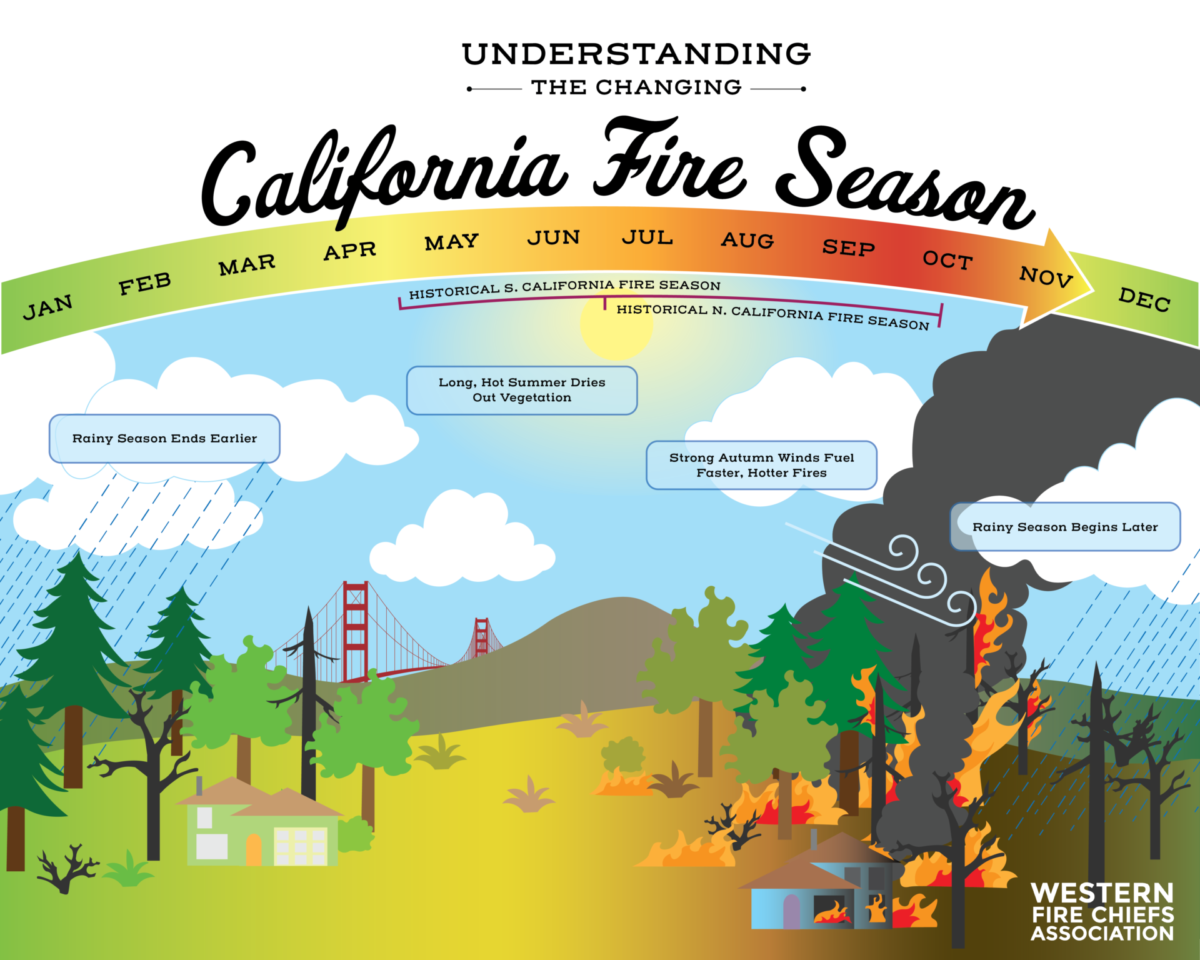
Perhaps the most pervasive and insidious natural amplifiers of California’s fire crisis are prolonged drought and the overarching effects of climate change. California has experienced increasingly frequent and severe droughts in recent decades, leading to critically dry vegetation, parched soils, and low water levels. These conditions transform forests and wildlands into tinderboxes. Furthermore, global climate change is undeniably contributing to hotter temperatures, earlier snowmelt, and extended dry seasons. These environmental shifts exacerbate drought conditions, increasing the flammability of vegetation and extending the “fire season” significantly. Warmer temperatures also lead to increased tree mortality from insect infestations, such as bark beetles, creating vast areas of dead, highly combustible fuel. The cumulative effect of these climate-driven factors is an environment where fires ignite more easily, spread more rapidly, burn more intensely, and are harder to suppress. This profound alteration of natural cycles directly jeopardizes the long-term viability of California’s natural landmarks, pushing many ecosystems past their ecological tipping points.
Human Element: Unintended Consequences and Deliberate Acts
While nature sets the stage, human activity is overwhelmingly the primary ignition source for most wildfires in California. These ignitions range from accidental carelessness to systemic infrastructure failures and, in some tragic cases, deliberate criminal acts. Each human-caused fire represents a preventable loss, often scarring natural landmarks irrevocably.
Power Lines and Infrastructure: A Modern Hazard
In an increasingly electrified world, the infrastructure that powers our homes and businesses has become an unwitting accomplice in igniting wildfires. Aging electrical infrastructure, particularly overhead power lines, has been a significant cause of some of California’s’ most destructive fires. Strong winds, like the Santa Ana winds, can cause power lines to sway and come into contact with vegetation, or snap and fall to the ground, sparking a blaze. Equipment failure, such as transformers exploding, can also hurl molten metal into dry grasses. Utilities like PG&E (Pacific Gas and Electric Company) have faced immense scrutiny and legal battles over their role in igniting fires that have devastated communities and natural areas, including cherished landmarks. While efforts are underway to harden the grid and underground power lines, the vast network of existing infrastructure running through wildland-urban interface zones continues to pose a significant and persistent threat to both human lives and the preservation of California’s natural wonders.
Recreational Activities and Negligence: From Campfires to Arson

Human carelessness and negligence are frequent culprits. Unattended campfires, discarded cigarettes, sparks from faulty vehicle catalytic converters, agricultural equipment, fireworks, and even target shooting can all provide the ignition source for a catastrophic wildfire. Many of these activities occur in or near natural landmarks and wilderness areas, where the risk of ignition is high and the spread potential is immense. A forgotten ember from a campfire can smolder for hours before erupting, especially if wind conditions pick up. Similarly, the improper disposal of smoking materials near dry brush can have immediate and devastating consequences. Beyond negligence, there is the grim reality of arson – the deliberate act of setting fires. While a smaller percentage of fires are intentionally set, these acts are particularly heinous, often causing immense destruction to natural environments and putting lives at risk. The motivation for arson varies, from psychological issues to revenge, but the outcome is uniformly tragic for California’s landscapes.
Land Management Practices: A Double-Edged Sword
Decades of fire suppression policies, aimed at extinguishing every wildfire as quickly as possible, have inadvertently contributed to the severity of today’s blazes. By preventing natural, low-intensity fires from clearing undergrowth, these policies led to an unprecedented accumulation of fuel in forests and wildlands. This dense, continuous fuel bed allows fires, once ignited, to spread faster and burn hotter than they naturally would, destroying mature trees and entire ecosystems. While the intention was to protect natural landmarks, the outcome has often been the opposite. Furthermore, the expansion of the wildland-urban interface, where homes are built deeper into fire-prone landscapes, creates a complex challenge for fire management. Balancing the need for prescribed burns and fuel reduction with concerns for air quality and public safety is a delicate act. Effective land management requires a shift towards strategies that embrace fire’s natural role in the ecosystem, utilizing controlled burns and mechanical fuel removal to restore health to forests and protect critical natural landmarks.
The Devastating Impact on California’s Natural Heritage
The consequences of California’s intense forest fires extend far beyond immediate destruction. They inflict profound and often lasting damage on the state’s natural heritage, fundamentally altering ecosystems and threatening the very existence of its iconic natural landmarks.
Loss of Biodiversity and Ecosystem Collapse
Forest fires, particularly high-intensity megafires, can lead to a catastrophic loss of biodiversity. Plant species, especially those not adapted to extreme fire, can be wiped out, while animal habitats are incinerated. Species that are slow-moving or have limited ranges are particularly vulnerable. The smoke and ash can impact air and water quality far from the fire’s edge, affecting aquatic life and sensitive ecosystems. When an entire ecosystem is obliterated, the complex web of interactions between species unravels, leading to a cascade effect that can result in localized extinctions and the long-term collapse of ecological functions. The return of native flora and fauna is a slow, arduous process, often hindered by subsequent fires or invasive species that thrive in disturbed landscapes. For natural landmarks, this means a loss of their intrinsic biological richness and a fundamental change in their character, diminishing their ecological value.
Erosion and Long-Term Ecological Scars
One of the most immediate and visible ecological scars left by severe wildfires is widespread erosion. Intense heat can render soils hydrophobic, meaning they repel water. When subsequent rains arrive, instead of being absorbed, water runs off rapidly, carrying away valuable topsoil, ash, and debris. This erosion can lead to dangerous mudslides, especially on steep slopes, which further devastate remaining vegetation and can bury critical habitats and waterways. The loss of topsoil impairs the ability of the land to support new growth, hindering natural regeneration and leading to long-term ecological degradation. Water quality in rivers and lakes fed by fire-scarred watersheds can be severely compromised by increased sediment and ash. These long-term scars impact not only the visual aesthetic of natural landmarks but also their fundamental ecological health, making them more vulnerable to future disturbances and hindering their recovery for decades.
Threats to Iconic Natural Landmarks
The direct threat to California’s most famous natural landmarks is undeniable. Ancient redwood forests, such as those found in Redwood National Park, with trees thousands of years old, face unprecedented risks from increasingly intense fires that can penetrate their fire-resistant bark. The majestic giant sequoias in the Sierra Nevada, traditionally protected by thick bark and growing in ecosystems accustomed to low-intensity fires, are now dying in significant numbers due to high-severity burns fueled by drought and excess undergrowth. Yosemite National Park’s iconic valleys and forests have also been threatened and impacted by fires, leading to closures and altering visitor experiences. Beyond these celebrated sites, countless lesser-known but equally vital natural areas – habitats for endangered species, unique geological formations, and crucial watersheds – are also jeopardized. The loss or severe alteration of these landmarks represents an irreparable loss of natural heritage, affecting not only the state’s ecology but also its cultural identity and appeal.
Mitigating Risk and Preserving Natural Landmarks
Addressing California’s wildfire crisis and protecting its invaluable natural landmarks requires a multi-faceted approach, combining cutting-edge technology, proactive land management, and broad community engagement. The focus must shift from merely reacting to fires to proactively managing landscapes and reducing risks.
Advanced Warning Systems and Rapid Response
Early detection is paramount in fire suppression. California is increasingly investing in advanced warning systems, including networks of high-resolution cameras equipped with artificial intelligence, satellite monitoring, and drone surveillance. These technologies can detect ignitions far earlier than traditional methods, allowing Cal Fire and other agencies to deploy resources more rapidly. Quick response, especially within the first few hours of ignition, is critical to containing fires before they grow into uncontrollable infernos. Improved coordination between federal, state, and local firefighting agencies, along with enhanced aerial firefighting capabilities, further strengthens the ability to respond effectively. These technological advancements and strategic deployments are vital for protecting vast wilderness areas and the natural landmarks they contain, giving firefighters a fighting chance to save these precious sites.
Community Engagement and Fire-Resistant Landscaping
Given that a significant number of fires are human-caused and often start in the wildland-urban interface, community engagement and education are crucial. Homeowners in high-risk areas are encouraged to create “defensible space” around their properties by clearing flammable vegetation. Using fire-resistant building materials and landscaping choices can significantly reduce the risk of homes igniting and spreading fires into natural areas. Public awareness campaigns stress the importance of campfire safety, proper disposal of smoking materials, and avoiding activities that could spark a fire during high-risk periods. Empowering communities to take proactive measures not only protects their homes but also reduces the overall fire risk to adjacent natural landmarks. A collective effort, where residents understand their role in fire prevention, is indispensable for safeguarding both lives and landscapes.
Sustainable Forest Management and Controlled Burns
Moving forward, a cornerstone of wildfire prevention must be a return to sustainable forest management practices that acknowledge fire’s ecological role. This includes increasing the use of prescribed burns (controlled fires set under specific, safe conditions) to reduce excessive fuel loads that have accumulated over decades of fire suppression. These low-intensity burns mimic natural fire regimes, promote forest health, and reduce the likelihood of catastrophic wildfires, thereby protecting sensitive natural landmarks. Mechanical thinning, where excess trees and brush are removed, also plays a crucial role in creating healthier, more resilient forests. By strategically managing vegetation and reducing fuel, we can transform fire-prone landscapes into environments less susceptible to extreme fire behavior, allowing California’s natural landmarks to regenerate and thrive for future generations. This proactive approach, though challenging, is essential for the long-term preservation of the state’s unparalleled natural heritage.
LifeOutOfTheBox is a participant in the Amazon Services LLC Associates Program, an affiliate advertising program designed to provide a means for sites to earn advertising fees by advertising and linking to Amazon.com. Amazon, the Amazon logo, AmazonSupply, and the AmazonSupply logo are trademarks of Amazon.com, Inc. or its affiliates. As an Amazon Associate we earn affiliate commissions from qualifying purchases.