
California, often lauded as the Golden State, beckons millions with its dazzling coastline, majestic mountains, vibrant cities, and unparalleled natural beauty. From the sun-kissed beaches of Malibu to the towering sequoias of Sequoia National Park, and the bustling urban landscapes of Los Angeles and San Francisco, this diverse region offers an endless array of travel destinations, luxurious accommodations, and unique lifestyle experiences. Yet, beneath this idyllic veneer lies a formidable challenge: the increasing frequency and intensity of wildfires. These infernos not only devastate ecosystems and communities but also significantly impact tourism, travel plans, and the overall experience of visiting or living in [California]. For travelers planning a visit, understanding the underlying causes of these fires is crucial for navigating potential risks, ensuring safety, and appreciating the immense efforts dedicated to preservation and recovery.
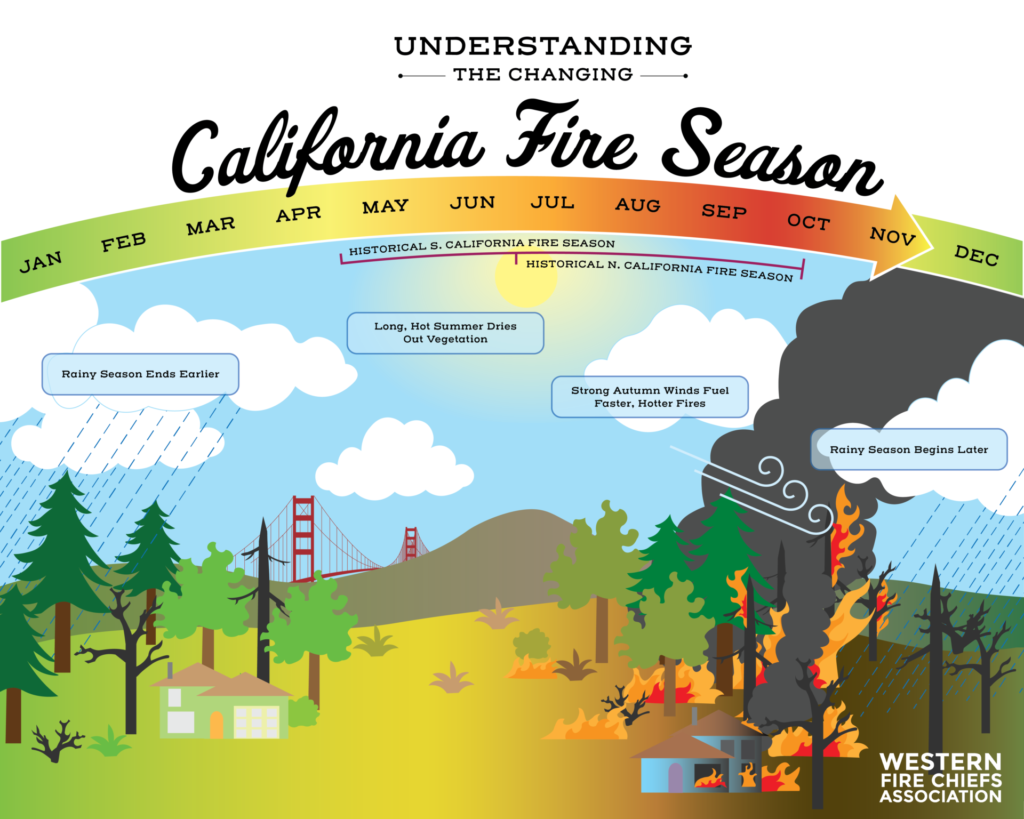
The phenomenon of wildfires in [California] is not new; it’s an intrinsic part of the state’s natural ecological cycle. However, in recent decades, this cycle has been dramatically altered, leading to more destructive and widespread blazes. These fires are a complex interplay of natural environmental conditions, human activities, and the overarching influence of climate change. Delving into these factors helps shed light on why [California] has become a global hotspot for wildfires and how these events shape the travel and tourism landscape across the United States.
The Unseen Threats: Natural Catalysts of California Wildfires
[California]’s geography and climate create a uniquely susceptible environment for wildfires. A combination of extended dry seasons, specific wind patterns, and the characteristics of its native vegetation lay the groundwork for potential conflagrations. These natural elements, while beautiful, are also powerful forces that can turn into formidable threats.Climate Change and Extended Fire Seasons
Perhaps the most significant overarching factor contributing to [California]’s escalating wildfire problem is climate change. Global warming has led to warmer temperatures across the state, resulting in a number of detrimental effects that directly fuel wildfires:
- Prolonged Drought Conditions: [California] has experienced persistent and severe droughts in recent years. Less rainfall means drier landscapes, parched soil, and a significant reduction in moisture content within vegetation. These drought-stricken plants, from towering trees in the Sierra Nevada to dense chaparral in southern [California], become highly combustible fuel. When even a small spark ignites, these dehydrated conditions allow fires to spread rapidly and intensely.
- Increased Temperatures: Higher average temperatures contribute to faster evaporation from reservoirs, rivers, and the ground, further exacerbating drought. They also create a longer “fire season,” extending the period during which conditions are ripe for ignition and rapid spread. What once might have been a summer-fall risk now stretches almost year-round in some regions, impacting travel considerations for a much longer window.
- Low Humidity: The dry air accompanying high temperatures reduces moisture in the atmosphere, drawing it out of vegetation and creating an even more flammable environment. This combination makes regions like the Wine Country near Napa Valley or the forests surrounding Lake Tahoe particularly vulnerable.
- Extreme Wind Events: [California] is famous for its powerful, dry wind systems that emerge during the fall and early winter. The Santa Ana winds, sweeping from the high deserts down through the mountain passes of Southern [California], and the similar Diablo winds in Northern [California], are notorious for fanning flames and carrying embers over vast distances. These winds can transform a small, manageable blaze into a raging inferno within minutes, making containment incredibly challenging and posing significant risks to communities and tourist infrastructure alike. For visitors, understanding the timing of these winds can be crucial for travel safety and planning outdoor activities.
Topography and Vegetation: Fueling the Flames
[California]’s diverse topography and unique flora are both hallmarks of its beauty and inherent fire risks:- Dense Vegetation: The state is home to vast expanses of chaparral, brush, grasslands, and forests. While providing breathtaking scenery and habitat for wildlife, this vegetation, especially after years of drought, becomes extremely dense and dry. When ignited, it acts as highly efficient fuel, allowing fires to grow quickly and intensely. Specific ecosystems like the conifer forests of Yosemite National Park or the unique desert flora of Joshua Tree National Park have distinct fire behaviors.
- Steep Slopes and Canyons: Much of [California]’s landscape is characterized by rugged mountains and deep canyons, particularly in areas like the Santa Cruz Mountains or the [Sierra Nevada]. Fires tend to travel uphill rapidly due to the “chimney effect,” where hot air and flames preheat vegetation above them. This topographic feature makes fires incredibly difficult to control, often leading to their rapid spread into developed areas or across vast natural preserves, impacting access to popular hiking trails and scenic drives.
- Accumulated Deadfall: A century of aggressive fire suppression policies, while initially aimed at protecting communities, inadvertently led to an unnatural accumulation of dead trees, branches, and leaf litter on forest floors. This “fuel load” now acts as a massive tinderbox, waiting for a spark. When fires do occur in these areas, they burn hotter and are more destructive, creating significant challenges for ecological recovery and potential long-term impacts on the natural attractions tourists seek.
Human Footprint: Anthropogenic Factors in Wildfire Ignition
While natural conditions set the stage, human activities are overwhelmingly the cause of ignitions. The way people live, work, and interact with the environment in [California] plays a critical role in determining when and where fires start.
Power Lines and Utility Equipment
One of the most frequent and devastating causes of large wildfires in [California] originates from electrical infrastructure.
- Aging Infrastructure: Many of [California]’s power lines and utility poles are decades old, built for a different climate and population density. As infrastructure ages, it becomes more susceptible to damage from strong winds, falling trees, and general wear and tear.
- Vegetation Management: Despite efforts, power lines often run through heavily vegetated areas. When strong winds, like the Santa Ana winds or Diablo winds, cause tree branches to contact power lines, sparks can ignite dry brush below. Equipment failures, such as faulty transformers or conductor breaks, can also shower sparks or molten metal onto flammable vegetation.
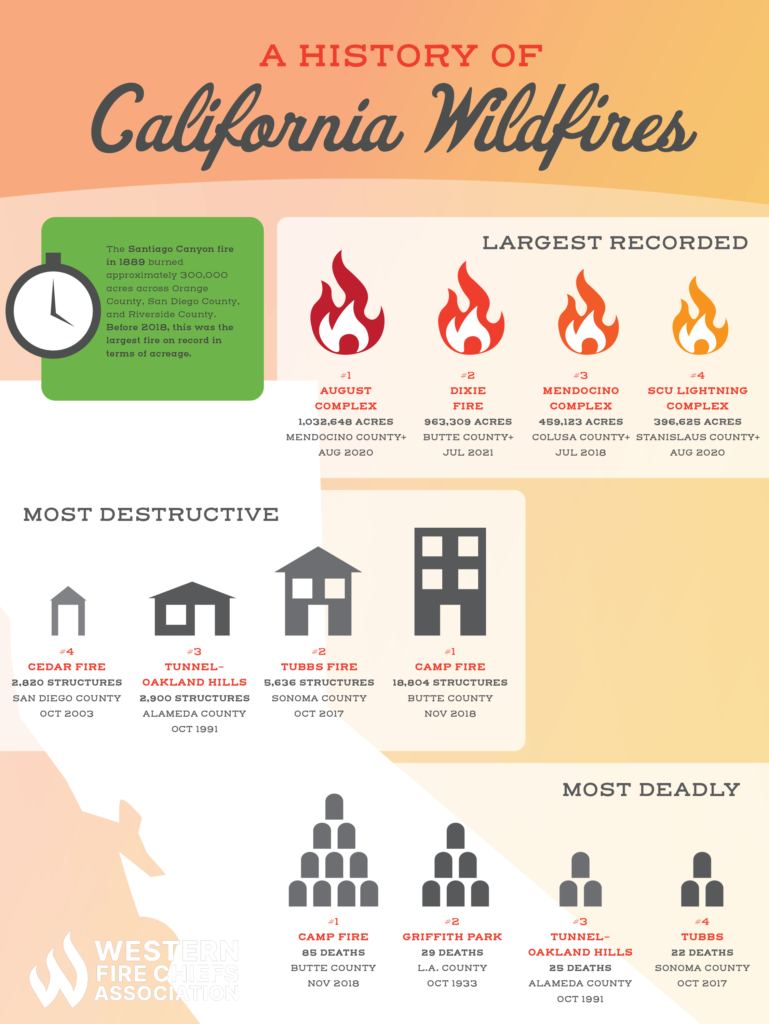
- Utility-Caused Fires: Major utility companies like PG&E in Northern [California] and Southern California Edison have faced extensive scrutiny and legal action for fires attributed to their equipment. The devastating Camp Fire in 2018, which virtually destroyed the town of Paradise, was famously linked to [PG&E] transmission lines. The ripple effect includes widespread power shutoffs during high-risk wind events, affecting millions of residents and potentially disrupting operations for hotels and tourist attractions.
Accidental and Intentional Ignitions
Beyond utility equipment, a myriad of human actions, both accidental and intentional, contribute to ignitions:
- Campfires and Discarded Cigarettes: Unattended campfires, improperly extinguished coals, or carelessly discarded cigarettes are perennial causes. Even a seemingly small ember can ignite dry grass or leaves, especially in popular camping and hiking destinations throughout the state. Responsible tourism practices, such as “Leave No Trace” principles and strict adherence to fire restrictions, are paramount for visitors enjoying [California]’s natural attractions.
- Vehicle Malfunctions: Sparks from vehicle exhaust systems, chains dragging on asphalt, or hot catalytic converters coming into contact with dry roadside vegetation can easily ignite fires. This is a common cause along busy highways and rural roads, posing risks to travelers driving through susceptible areas.
- Agricultural and Construction Activities: Equipment used in farming or construction can generate sparks that quickly escalate into wildfires, particularly during dry seasons.
- Fireworks and Debris Burning: Illegal fireworks displays, especially during dry periods, are a significant cause of summer fires. Similarly, uncontrolled debris burning by homeowners, intended to clear vegetation, can easily escape containment and rage out of control.
- Arson: Tragically, a percentage of wildfires are deliberately set by arsonists. While less common than accidental ignitions, these acts of malice can be incredibly destructive and challenge firefighting efforts.
- Prescribed Burns Gone Wrong: While prescribed burns are a vital tool for reducing fuel loads and promoting forest health, occasionally, these controlled fires can escape their containment lines, particularly under challenging wind or dry conditions.
Wildland-Urban Interface (WUI) Expansion
The ongoing expansion of residential and commercial development into wildland areas is a critical contributing factor to wildfire risk and impact.
- Development into Natural Habitats: As [California]’s population grows, more homes, resorts, and businesses are built on the fringes of forests, chaparral, and grasslands. This blurring of the lines between human habitation and wildland is known as the Wildland-Urban Interface (WUI).
- Increased Ignition Sources: With more people living in these high-risk areas, there are inherently more potential ignition sources – from barbecue embers and power lines to landscape maintenance activities and stray sparks.
- Vulnerability of Structures: Homes and structures in the WUI are directly exposed to ember showers and radiant heat from approaching fires. While building codes have improved, many older homes lack fire-resistant materials or defensible space, making them highly vulnerable. This directly impacts accommodation options in scenic, high-risk areas and underscores the importance of choosing wisely for long-term stays or investments.
- Firefighter Challenges: Protecting structures in the WUI diverts critical firefighting resources from battling the main fire front, often making overall containment more difficult and dangerous.
The Far-Reaching Impact: Wildfires and the California Experience
The causes of [California]’s wildfires converge to create consequences that extend far beyond the immediate burn scar. For a state reliant on tourism, real estate, and quality of life, these impacts are profound.
Impact on Travel, Tourism, and Accommodation
Wildfires pose a direct and often immediate threat to [California]’s bustling tourism and hospitality industries:
- Destination Closures and Evacuations: When fires threaten, popular tourist destinations, national parks like Yosemite National Park and Kings Canyon National Park, state parks, and even entire towns are often closed to visitors or evacuated. This can lead to last-minute cancellations of travel plans, flight changes, and disruption for thousands of visitors. Hotels in affected areas, from luxury resorts in Napa Valley to budget accommodations in San Diego (if smoke plumes are extensive), may face mass cancellations or even forced evacuations.
- Air Quality and Health Concerns: Smoke plumes from large fires can drift hundreds of miles, significantly degrading air quality in major metropolitan areas like [Los Angeles] and [San Francisco]. This can deter outdoor activities, impact the health of vulnerable travelers, and generally diminish the enjoyment of a trip, regardless of whether the fire is nearby.
- Road Closures and Accessibility Issues: Major highways and scenic routes are frequently closed during fires, making travel to and from destinations challenging or impossible. This disrupts tour operators, local businesses, and individual travelers, forcing lengthy detours or complete changes in itinerary.
- Economic Downturn: Beyond immediate losses from cancellations, the long-term perception of [California] as a fire-prone destination can deter future tourism, impacting local economies heavily reliant on visitor spending – from hotels and restaurants to attractions and retail. Businesses, especially small ones, struggle to recover from prolonged closures or reduced visitor numbers.
- Accommodation Shifts: During fire emergencies, hotels and other accommodation providers often shift from catering to leisure travelers to housing evacuees, first responders, and emergency personnel. This change, while necessary, can alter the typical guest experience and availability for regular tourists.
Protecting California’s Landmarks and Natural Beauty
The natural and historical landmarks that draw visitors from around the globe are directly threatened by wildfires:
- National and State Parks: [California]’s iconic parks, home to ancient forests, unique wildlife, and pristine landscapes, are regularly in the path of wildfires. The giant sequoias in [Sequoia National Park] and [Kings Canyon National Park], for example, are uniquely adapted to fire but can be overwhelmed by unnaturally intense blazes, leading to irreversible damage. Efforts to protect these natural wonders, sometimes involving wrapping trees in fire-resistant material, highlight the severity of the threat.
- Cultural and Historical Sites: Fires can also threaten historical buildings, indigenous cultural sites, and important architectural landmarks, erasing irreplaceable pieces of [California]’s heritage.
- Long-Term Ecological Damage: Beyond the immediate destruction, intense fires can lead to long-term ecological damage, including soil erosion, loss of biodiversity, and altered habitats, affecting the very natural beauty that visitors come to admire. The recovery of these areas can take decades, if not centuries.

Adapting to the New Normal: Mitigation and Preparedness
Recognizing the complex and multifaceted causes of wildfires, [California] and its communities are continually adapting to a “new normal” that prioritizes mitigation, preparedness, and resilience. This includes:
- Fuel Reduction: Proactive measures like prescribed burns, mechanical thinning of dense forests, and creating defensible space around homes help reduce the amount of combustible material.
- Infrastructure Hardening: Utility companies are investing billions in upgrading power lines, burying lines underground, and installing advanced fire-prevention technology to reduce ignition risks.
- Early Detection and Response: Advanced satellite imagery, drone technology, and a dedicated network of firefighters from agencies like CAL FIRE are crucial for early detection and rapid response, minimizing fire spread.
- Community Education and Preparedness: Empowering residents and property owners with knowledge about creating defensible space, developing evacuation plans, and understanding fire-weather alerts is paramount. This extends to tourism operators advising guests on local fire safety protocols.
- Sustainable Travel Practices: Promoting responsible travel, encouraging visitors to respect fire restrictions, and educating them on the ecological role of fire are becoming integrated parts of the [California] tourism narrative.
In conclusion, the causes of fires in [California] are a tapestry woven from its unique natural environment, the increasing pressures of climate change, and the extensive footprint of human activity. While the allure of the [Golden State] remains undiminished, understanding these underlying factors is essential for anyone wishing to experience its wonders responsibly. By supporting sustainable practices, respecting local guidelines, and staying informed, travelers and residents alike can contribute to safeguarding [California]’s breathtaking landscapes and vibrant communities for generations to come. The challenge is immense, but so is the dedication to preserving this extraordinary corner of North America.
LifeOutOfTheBox is a participant in the Amazon Services LLC Associates Program, an affiliate advertising program designed to provide a means for sites to earn advertising fees by advertising and linking to Amazon.com. Amazon, the Amazon logo, AmazonSupply, and the AmazonSupply logo are trademarks of Amazon.com, Inc. or its affiliates. As an Amazon Associate we earn affiliate commissions from qualifying purchases.