
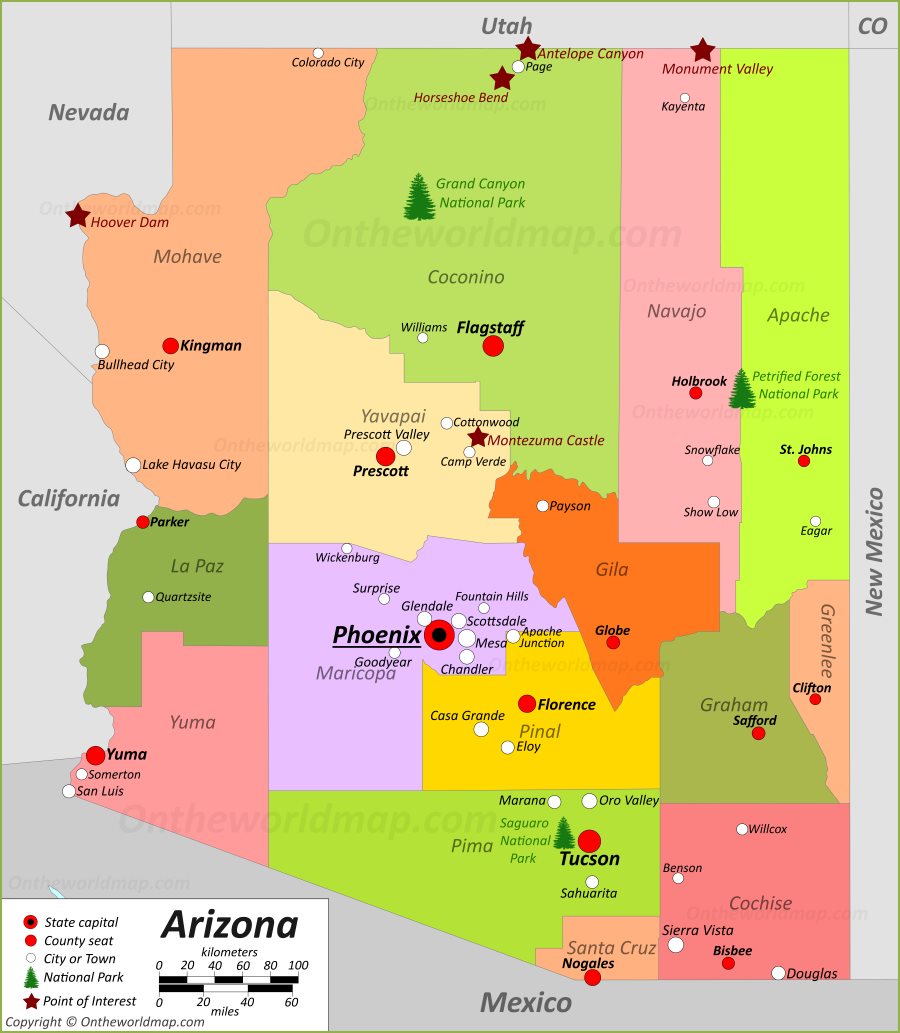
Arizona, a state synonymous with the dramatic beauty of the American Southwest, is a tapestry woven with vibrant cities, each offering a unique flavor of desert charm, cultural richness, and outdoor adventure. From sprawling metropolitan hubs to historic small towns, Arizona beckons travelers with its diverse landscapes and welcoming spirit. Understanding the geography and character of its key urban centers is the first step to unlocking the many wonders this state has to offer.
The Metropolitan Giants: Phoenix and Tucson
At the heart of Arizona’s urban landscape lie its two largest metropolitan areas, Phoenix and Tucson. These cities serve as the state’s primary economic and cultural engines, attracting residents and visitors alike with their vast array of attractions and amenities.

Phoenix: The Valley of the Sun’s Capital
Phoenix, the capital of Arizona, is a sprawling metropolis renowned for its year-round sunshine and vibrant Southwestern culture. Nestled in the heart of the Sonoran Desert, this city offers an impressive blend of urban sophistication and rugged natural beauty.
Downtown Phoenix and its Cultural Pulse
The revitalized Downtown Phoenix area is a hub of activity, boasting a thriving arts scene, a diverse culinary landscape, and significant historical landmarks. Visitors can explore the Phoenix Art Museum, which houses an extensive collection spanning various eras and cultures, or immerse themselves in the performing arts at the Orpheum Theatre or the Symphony Hall. The area is also home to professional sports teams, with the Chase Field (home of the Arizona Diamondbacks) and the Footprint Center (home of the Phoenix Suns) drawing enthusiastic crowds.
Scottsdale’s Upscale Appeal
Adjacent to Phoenix, Scottsdale emerges as a destination of luxury and refined desert living. Known for its upscale resorts, world-class spas, and designer boutiques, Scottsdale offers a more serene yet equally engaging experience. The Old Town Scottsdale district is a particular draw, with its charming adobe buildings, art galleries, and lively dining and nightlife scene. Beyond the city’s polished exterior, Scottsdale also provides excellent access to outdoor adventures, including hiking in the nearby Camelback Mountain and McDowell Sonoran Preserve.
Tempe and Mesa: University Towns and Artistic Endeavors
The neighboring cities of Tempe and Mesa add dynamic energy to the Phoenix metropolitan area. Tempe is home to Arizona State University, infusing the city with a youthful spirit and a host of cultural events and recreational opportunities centered around Tempe Town Lake. Mesa, the third-largest city in Arizona, offers a rich history, particularly its significant Native American archaeological sites, and a growing arts and culture scene, including the highly regarded Mesa Arts Center.
Tucson: The Old Pueblo’s Enduring Charm
Further south, Tucson, often referred to as “The Old Pueblo,” presents a distinct character shaped by its deep historical roots and strong Mexican-American heritage. This UNESCO City of Gastronomy captivates with its vibrant culinary scene, rich cultural traditions, and stunning desert vistas.
Downtown Tucson and its Historic Heart
Downtown Tucson retains much of its historic architecture and a laid-back atmosphere. The El Presidio Historic District offers a glimpse into the city’s Spanish colonial past, while the Tucson Museum of Art showcases a diverse collection. The city’s renowned culinary scene is a major attraction, with numerous restaurants offering authentic Sonoran Mexican cuisine, often incorporating ingredients from the surrounding fertile valleys.
The Majestic Sonoran Desert
Tucson’s allure is intrinsically linked to its dramatic desert surroundings. The Saguaro National Park, with its iconic giant cacti, is a must-visit, offering breathtaking scenery and numerous hiking trails. The Catalina Mountains provide a stunning backdrop and opportunities for exploration, with sites like Mount Lemmon offering a unique ecological transition from desert to alpine. The Arizona-Sonora Desert Museum provides an exceptional zoological and botanical experience, showcasing the incredible biodiversity of the region.
Northern Arizona’s Natural Wonders and Historic Towns
Moving north, Arizona transforms dramatically, trading the arid desert for cooler climates, pine forests, and some of the most spectacular natural formations in the world. This region is a paradise for outdoor enthusiasts and history buffs alike.
Flagstaff: Gateway to the Grand Canyon and High Country Charm
Flagstaff, situated at a higher elevation, offers a cooler respite and serves as a crucial gateway to many of Northern Arizona’s most famous attractions. This charming mountain town is steeped in history and surrounded by ponderosa pine forests.
Historic Downtown Flagstaff
Historic Downtown Flagstaff exudes a Route 66 ambiance, with its preserved architecture, independent shops, and lively brewery scene. Visitors can explore the Museum of Northern Arizona, which focuses on the natural and cultural heritage of the Colorado Plateau, or learn about the region’s astronomical significance at the Lowell Observatory, where Pluto was discovered.
Proximity to Natural Wonders
The strategic location of Flagstaff makes it an ideal base for exploring Northern Arizona’s natural wonders. The majestic Grand Canyon National Park is a mere hour’s drive away, offering unparalleled views and hiking opportunities. Other nearby attractions include the Meteor Crater, a remarkably preserved impact site, and the Sunset Crater Volcano National Monument and Wupatki National Monument, which showcase the region’s volcanic past and ancient pueblo dwellings.
Sedona: The Red Rocks’ Spiritual and Artistic Haven
South of Flagstaff, the landscape shifts dramatically to the iconic red rock formations that define Sedona. Renowned for its breathtaking beauty, spiritual vortexes, and vibrant arts community, Sedona is a destination that captivates the soul.
Red Rock Country and Outdoor Activities
The towering sandstone cliffs of Sedona provide a dramatic backdrop for a multitude of outdoor activities. Hiking trails like those at Cathedral Rock and Devil’s Bridge offer immersive experiences with the stunning geological formations. Jeep tours are a popular way to explore the rugged terrain, and scenic drives, such as the Red Rock Scenic Byway (State Route 179), offer panoramic views.

Arts, Spirituality, and Wellness
Beyond its natural beauty, Sedona is a hub for spiritual seekers and art lovers. The city boasts numerous art galleries showcasing local talent, as well as shops offering New Age and spiritual items. The area is also known for its wellness retreats and spas, capitalizing on the perceived healing energy of its vortex sites.
Central Arizona’s Historical Roots and Agricultural Valleys
Central Arizona offers a blend of historical exploration, agricultural landscapes, and burgeoning urban centers, providing a different facet of the state’s diverse appeal.
Prescott: The Territorial Capital’s Charm
Prescott, once the territorial capital of Arizona, retains a strong sense of history and a charming Western ambiance. Nestled in the Bradshaw Mountains, it offers a cooler climate and a more relaxed pace of life compared to the major southern cities.
Whiskey Row and Historic Downtown
The heart of Prescott is Whiskey Row, a historic street lined with saloons and shops that harkens back to the town’s rough-and-tumble mining days. The Sharlot Hall Museum provides an in-depth look at Arizona’s territorial history, while the Palace Hotel offers a glimpse into the past. Courthouse Plaza serves as a picturesque town square, often hosting community events.
Lakes and Natural Beauty
The region around Prescott is dotted with beautiful lakes, including Watson Lake and Lynx Lake, which offer opportunities for boating, fishing, and hiking. The surrounding Prescott National Forest provides extensive trails for exploration and a refreshing escape into nature.
The Verde Valley: A Region of Vineyards and Ancient Cultures
The Verde Valley, a picturesque region in Central Arizona, is gaining recognition for its burgeoning wine industry, its preserved Native American heritage, and its charming small towns.
Jerome: The Haunted Mining Town
Perched precariously on the side of Mingus Mountain, the former copper mining town of Jerome has transformed into an artist colony and a popular tourist destination. Known for its steep, winding streets, art galleries, and unique shops, Jerome also boasts a reputation for being one of the most haunted towns in America.
Camp Verde and Ancient Dwellings
Camp Verde serves as a central point in the Verde Valley, offering access to significant historical sites. The Montezuma Castle National Monument, a remarkably preserved cliff dwelling, provides insights into the lives of the Sinagua people. Nearby, the Fort Verde State Historic Park preserves a frontier army post that played a role in the Apache Wars.
Lesser-Known Gems and Border Towns
Beyond the major population centers and renowned natural attractions, Arizona is dotted with numerous smaller cities and towns, each with its own distinct character and appeal, often reflecting the state’s rich history and cultural mosaic.
Yuma: Sunshine and Historic Fortifications
Located in southwestern Arizona, on the border with California and Mexico, Yuma is a city known for its abundant sunshine and its significant role in American history.
Yuma Territorial Prison State Historic Park
The Yuma Territorial Prison State Historic Park is a primary draw, showcasing the harsh realities of life in a notorious frontier prison. The well-preserved cell blocks and exhibits offer a compelling look into the past.
The Colorado River and Agricultural Hub
Yuma is situated along the mighty Colorado River, which provides a vital water source for the region’s extensive agricultural industry, making it a significant producer of lettuce, dates, and other crops.
Bisbee and Tombstone: Echoes of the Old West
In Southeastern Arizona, the historic mining towns of Bisbee and Tombstone offer a vivid immersion into the state’s frontier past.
Bisbee’s Artistic Soul and Mining Heritage
Bisbee, a former copper mining boomtown, is now a quirky and artistic community. Its steep hillsides are adorned with colorful Victorian homes, and its narrow, winding streets are filled with art galleries, antique shops, and eclectic boutiques. The Bisbee Mining & Historical Museum provides an in-depth look at the town’s rich mining history.
Tombstone: “The Town Too Tough to Die”
Tombstone famously declared itself “The Town Too Tough to Die,” and its Wild West legend is palpable. Visitors can walk the streets where Wyatt Earp and Doc Holliday once roamed, witness reenactments of the Gunfight at the O.K. Corral, and explore historical saloons and museums that bring the era to life.
From the sun-drenched deserts of Phoenix and Tucson to the red rock majesty of Sedona, the pine-scented forests of Flagstaff, and the historic echoes of towns like Prescott, Bisbee, and Tombstone, Arizona’s cities offer a diverse and captivating travel experience. Each urban center, and indeed each smaller community, contributes to the rich tapestry of this remarkable state, inviting exploration and promising unforgettable journeys.
LifeOutOfTheBox is a participant in the Amazon Services LLC Associates Program, an affiliate advertising program designed to provide a means for sites to earn advertising fees by advertising and linking to Amazon.com. Amazon, the Amazon logo, AmazonSupply, and the AmazonSupply logo are trademarks of Amazon.com, Inc. or its affiliates. As an Amazon Associate we earn affiliate commissions from qualifying purchases.