
California, a state renowned for its diverse landscapes, vibrant cities like Los Angeles and San Francisco, and a generally progressive legal framework, often prompts visitors and new residents alike to inquire about specific regulations, especially concerning personal safety items. One such query that frequently arises, perhaps for those engaged in outdoor adventures, specific professional roles, or simply concerned about personal security, is the legality of owning and wearing body armor. Navigating the legal landscape in any new destination is crucial for a seamless experience, and California’s approach to body armor offers a nuanced perspective that every responsible traveler or resident should understand.
Understanding California’s General Stance on Body Armor
At its core, California law generally permits civilians to purchase, possess, and wear body armor. Unlike some other forms of personal protective equipment or weaponry, body armor is not typically classified as a weapon. This means that for the average law-abiding citizen or tourist visiting the Golden State, the simple act of owning a bullet-resistant vest, plate carrier, or similar protective gear is not inherently illegal. This broad permissibility aligns with the legal frameworks of many other U.S. states, where personal protection is viewed as a fundamental right.
However, this general rule comes with significant caveats and important distinctions that are crucial to grasp. The legality shifts dramatically based on who is wearing the armor, where it is being worn, and under what circumstances. It’s not merely about possession, but about the context of its use, which mirrors many other aspects of California’s intricate legal system. For anyone planning to travel through or reside in California with body armor, understanding these nuances is paramount to avoid legal complications. This article aims to shed light on these specific conditions, offering clear guidance for responsible conduct within the state.
The Role of Prior Felony Convictions
The most significant restriction on body armor possession in California pertains to individuals with prior felony convictions. Under California Penal Code Section 30305, it is explicitly illegal for any person who has been convicted of a felony, or any crime that makes them prohibited from possessing firearms under federal or California law, to own, purchase, or receive body armor. This statute is designed to prevent individuals with a history of serious criminal activity from acquiring protective gear that could potentially aid them in future illicit endeavors or confrontations with law enforcement.
The implications of this law are severe. A violation can lead to felony charges, significant fines, and incarceration. This prohibition reflects a public safety concern, aiming to disarm and disempower those deemed a higher risk to society. For visitors from other states or countries, it’s vital to be aware that even if a felony conviction occurred outside of California, it would still typically apply under this law if it’s a disqualifying offense. Therefore, individuals with such a history should under no circumstances bring body armor into California or attempt to acquire it within the state.
Restrictions Based on Intent and Context
Beyond felony convictions, the legality of body armor can also be heavily influenced by the wearer’s intent and the specific context of its use. While wearing body armor in itself is not illegal for law-abiding citizens, using it in conjunction with criminal activity transforms its legality.
Committing a Felony While Wearing Body Armor
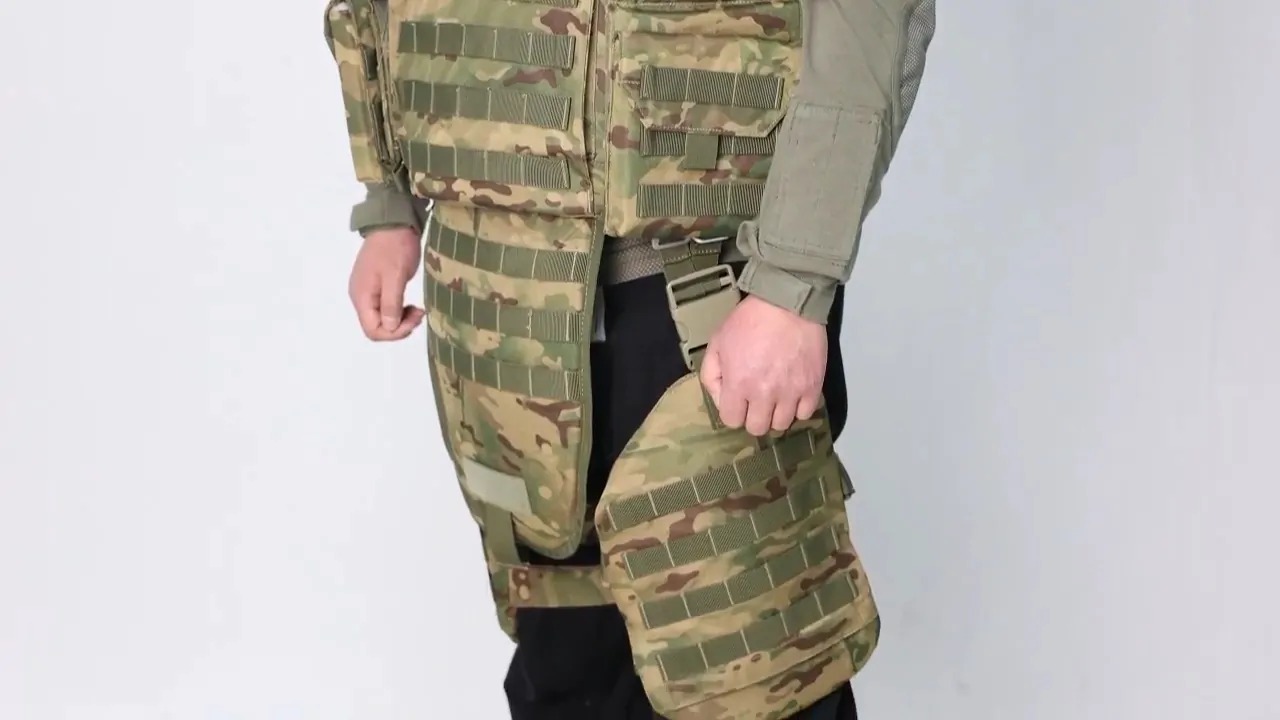
California Penal Code Section 12022.2 makes it an additional felony enhancement for a person to wear body armor during the commission or attempted commission of any felony offense. This means that if an individual commits a crime while wearing body armor, they face not only the penalties for the underlying felony but also an enhanced sentence specifically for the body armor usage. This enhancement can add years to a prison sentence, reflecting the state’s view that using such protection during a crime demonstrates a heightened level of premeditation and a greater threat to public safety and law enforcement personnel. This law serves as a strong deterrent against utilizing protective gear to facilitate criminal acts, underscoring that while protection is allowed, enabling crime is not.
Wearing Body Armor in Specific Prohibited Areas
While there isn’t a blanket prohibition against wearing body armor in all public spaces, specific circumstances or locations might implicitly or explicitly restrict its use. For instance, while attending public demonstrations, protests, or rallies, law enforcement may view individuals wearing body armor with increased scrutiny, especially if combined with other items that could be perceived as weapons or tools for unlawful assembly. Although not a direct prohibition on body armor itself, the context can lead to intervention or closer monitoring. Similarly, certain private establishments or events may have their own rules prohibiting body armor, and failing to adhere to these could lead to removal or trespassing charges. Always check event policies, especially for large gatherings, concerts, or sporting events.
Practical Considerations for Travelers and Residents
For those traveling to California or new residents, understanding these legal nuances is critical. Whether you’re an armored car guard visiting San Diego, a journalist covering an event in Oakland, or a private security contractor working in Orange County, the legal framework applies.
Professional Use and Licensing
Professionals whose jobs legitimately require body armor, such as private security guards, armored transport personnel, and certain investigative professionals, typically operate under specific licensing requirements regulated by the California Bureau of Security and Investigative Services (BSIS). While the body armor itself isn’t directly licensed, individuals in these roles must be properly licensed and certified for their profession, which implicitly validates their need and use of such equipment within their scope of work. These professionals are expected to adhere to all laws, including the prohibition for felons. For those visiting California for work that involves body armor, ensuring your professional credentials are in order and understanding local expectations is key.
Purchasing and Shipping Body Armor
The purchase of body armor in California follows the same rules as possession: it is legal for non-felons. Retailers, both brick-and-mortar and online, are generally allowed to sell to individuals without requiring special permits, as long as the buyer is not a prohibited person. However, ethical and responsible retailers will often implement their own internal checks to ensure they are not selling to known felons. When shipping body armor into California from another state, individuals should be aware of federal shipping regulations, but generally, state-specific prohibitions mainly concern the recipient’s legal status rather than the act of shipping itself. Always ensure the seller is reputable and that you, as the buyer, are legally permitted to possess the item.
The Bottom Line for California Tourism and Residency
In conclusion, for the vast majority of tourists and residents in California, owning and wearing body armor is legal. The key differentiator lies in one’s criminal history and intent. If you are a law-abiding citizen with no felony convictions, you generally have the right to possess and wear body armor for personal protection. However, the state takes a very serious stance against the combination of body armor and criminal activity, imposing severe penalties for those who violate these laws.
When planning your travels or considering residency in California, it’s always advisable to stay informed about local laws and regulations, particularly concerning items related to personal safety. While the state embraces the freedom of its citizens, it also prioritizes public safety and order. Therefore, exercising prudence and understanding the specific legal context of body armor ensures that your experience in California remains both safe and legally compliant. Always err on the side of caution and consult legal counsel if you have any specific concerns about your situation.
LifeOutOfTheBox is a participant in the Amazon Services LLC Associates Program, an affiliate advertising program designed to provide a means for sites to earn advertising fees by advertising and linking to Amazon.com. Amazon, the Amazon logo, AmazonSupply, and the AmazonSupply logo are trademarks of Amazon.com, Inc. or its affiliates. As an Amazon Associate we earn affiliate commissions from qualifying purchases.