
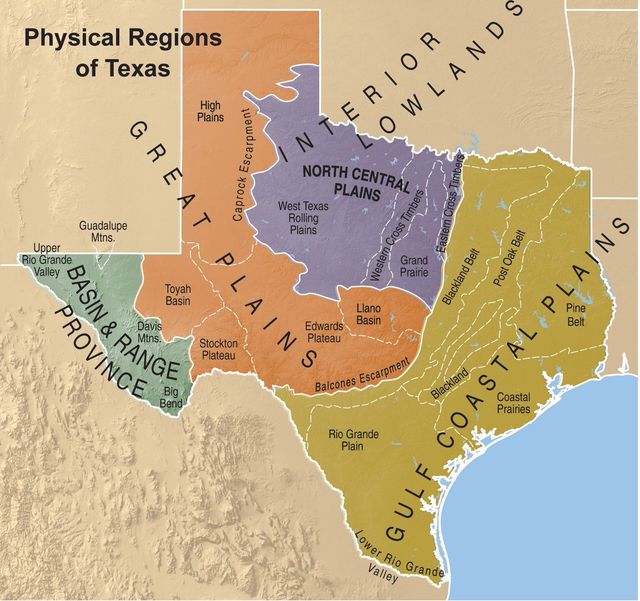
Texas, the vast heartland of the American South, often conjures images of sprawling ranches, iconic cowboys, and a distinct cultural identity. Yet, the question of its “coast” prompts a nuanced exploration, one that stretches beyond a simple geographical descriptor to encompass a rich tapestry of experiences. While Texas may not boast the Atlantic or Pacific coastlines of its neighboring states, its approximately 367-mile stretch along the Gulf of Mexico offers a unique and dynamic coastal identity. This is a coastline that is as diverse as the state itself, from the bustling energy of its major port cities to the serene beauty of its barrier islands. Understanding the “coast” of Texas means delving into its vibrant tourism, its diverse attractions, and the captivating local culture that thrives along its shores.
The Gulf Coast: A Distinct Texan Identity
Texas’s coastal region, colloquially known as the Texas Gulf Coast, is a significant economic and cultural driver for the state. It is characterized by a subtropical climate, a rich maritime heritage, and a lively atmosphere that attracts visitors year-round. Unlike the rugged coastlines of California or the historic charm of the Northeast, the Texas coast offers a distinct blend of natural beauty and modern development.
Gateway Cities and Maritime Hubs
The urban centers along the Texas Gulf Coast serve as crucial gateways to this distinct region. Houston, though not directly on the water, is the state’s largest city and a major hub for international trade, with its bustling Port of Houston playing a pivotal role. Nearby, Galveston stands as a historical jewel, its Victorian architecture and legendary Strand district whispering tales of a bygone era when it was the “Wall Street of the South.” Further down the coast, Corpus Christi offers a vibrant mix of urban amenities and coastal attractions, anchored by its own significant port and a lively waterfront. These cities are not merely points on a map; they are dynamic centers of commerce, culture, and tourism, each offering a unique perspective on the Texas coast.
Natural Wonders: Wetlands, Bays, and Islands
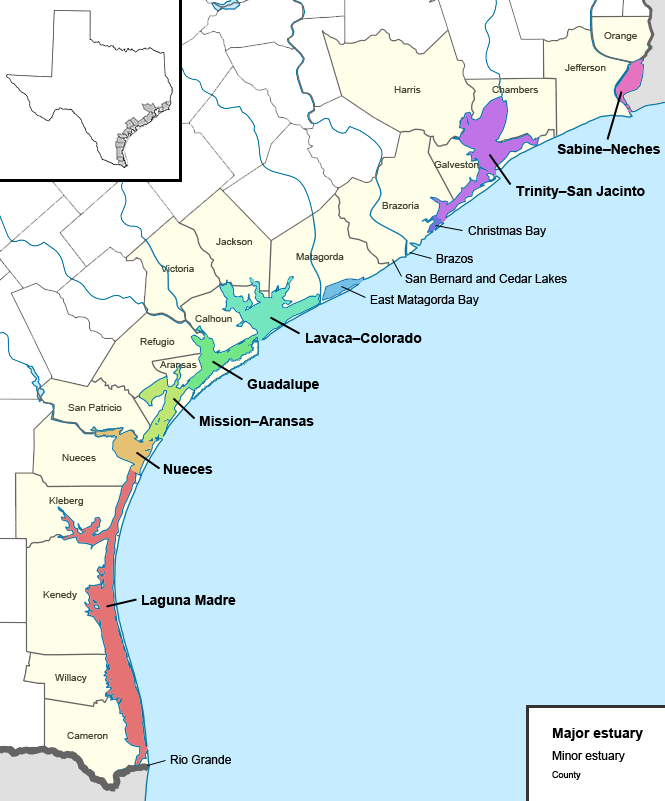
Beyond the urban landscapes, the natural environment of the Texas Gulf Coast is a compelling draw. The region is a complex ecosystem of bays, estuaries, wetlands, and barrier islands. These habitats are vital nurseries for countless marine species and crucial stopover points for migratory birds.
Padre Island National Seashore
Perhaps the most iconic natural landmark is Padre Island National Seashore. This pristine stretch of undeveloped coastline is the longest barrier island in the world and a sanctuary for sea turtles, birds, and a myriad of other wildlife. Visitors can explore miles of windswept dunes, observe nesting sea turtles, and experience the raw, untamed beauty of a coast largely untouched by development. Its isolation and natural grandeur make it a paramount destination for nature enthusiasts and those seeking a tranquil escape.
The Role of Bays and Estuaries
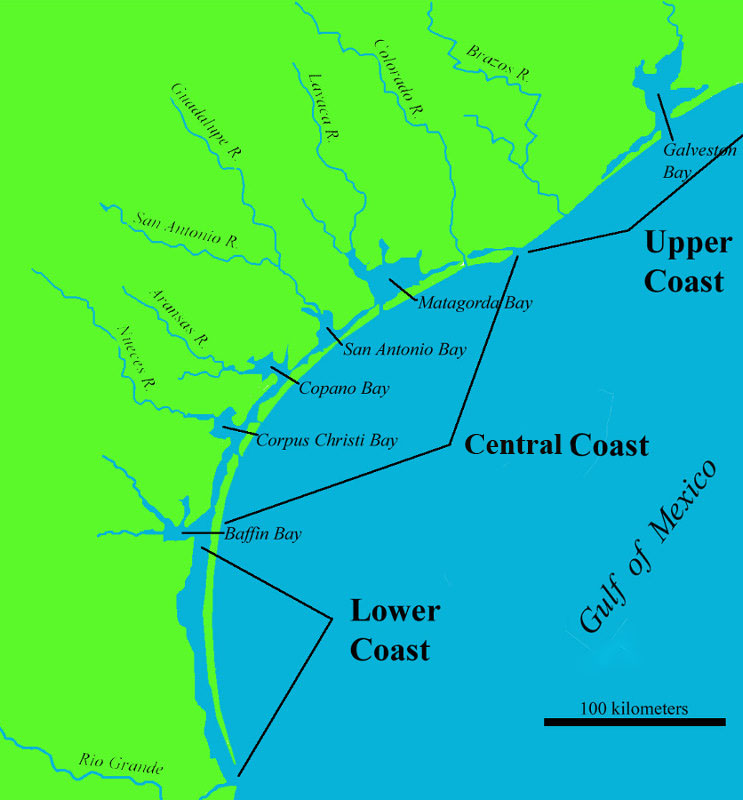
The numerous bays and estuaries, such as Galveston Bay and Corpus Christi Bay, are essential to the coastal ecology and recreational activities. These sheltered waters provide opportunities for fishing, kayaking, and birdwatching. They are also critical for the state’s significant seafood industry, with shrimp, oysters, and crab being staples of local cuisine. The health of these waterways is intrinsically linked to the prosperity and identity of the coastal communities.
Coastal Tourism: Beyond the Beach
While beautiful beaches are undoubtedly a draw, tourism along the Texas coast extends far beyond sunbathing and swimming. The region offers a diverse array of activities and attractions catering to a wide range of interests, from history buffs to adventure seekers.
Historical Significance and Maritime Heritage
The history of the Texas coast is deeply intertwined with its maritime past. Galveston Island is particularly rich in history, with its well-preserved Victorian architecture, the historic Moody Mansion, and the impressive Texas Seaport Museum and the 1877 Tall Ship ELISSA. The island’s resilience is evident in its recovery from the devastating Hurricane of 1900, a testament to the spirit of its people. Exploring these historical sites provides a deeper understanding of the region’s development and its enduring connection to the sea.
Adventures on and Off the Water
The coastal environment provides ample opportunities for adventure. Fishing is a cornerstone of coastal recreation, with charter boats available for deep-sea excursions or inshore fishing in the bays. Watersports like surfing, paddleboarding, and jet-skiing are popular along the more open stretches of the coast. For a unique experience, visitors can explore the vast expanse of Padre Island National Seashore by off-road vehicle, accessing remote fishing spots and pristine beaches. The opportunity to witness the majestic flight of pelicans or the playful dance of dolphins adds another layer of enchantment to any coastal outing.
Wildlife and Birdwatching Hotspots
The Texas coast is a globally recognized birdwatching destination. The migratory routes that converge along the Gulf Coast bring an incredible diversity of avian life, particularly during the spring and fall. Locations like the Aransas National Wildlife Refuge, home to the endangered Whooping Crane, are essential for conservation efforts and offer unparalleled viewing opportunities. Beyond birds, the coastal waters are home to dolphins, various fish species, and the aforementioned sea turtles, making wildlife viewing a significant aspect of the Texan coastal experience.
Local Culture and Culinary Delights
The culture of the Texas coast is a captivating fusion of Southern charm, Texan pride, and a distinct maritime influence. This unique blend is most deliciously expressed through its culinary scene, which heavily features fresh, locally sourced seafood.
Seafood: The Taste of the Coast
The bounty of the Gulf is central to the Texan coastal palate. Oysters, shrimp, and various types of fish are prepared in ways that reflect regional traditions and innovative culinary approaches. From casual seafood shacks serving up crispy fried shrimp baskets to upscale restaurants offering elegantly plated Gulf red snapper, the emphasis is on freshness and flavor. Dishes like Gulf Shrimp Etouffee, Oysters Rockefeller, and Blackened Redfish are iconic and must-try experiences for any visitor.
Festivals and Community Events
Throughout the year, the coastal communities come alive with a variety of festivals and events that celebrate their heritage and the natural resources. From Seafood Festivals in towns like Rockport and Galveston to fishing tournaments and art walks, these gatherings offer a genuine taste of local life. They provide opportunities to interact with residents, enjoy live music, and savor regional delicacies, fostering a sense of connection to the vibrant spirit of the Texas coast.
The Enduring Spirit of Coastal Texans
The people who call the Texas coast home are known for their resilience, their laid-back demeanor, and their deep connection to the sea. They navigate the challenges of hurricanes and fluctuating economies with a characteristic Texan grit and a strong sense of community. This enduring spirit is palpable in the bustling harbors, the friendly seafood markets, and the welcoming atmosphere that defines the region. They are the guardians of this unique coastal identity, preserving its traditions while embracing its future.
In conclusion, the question “What coast is Texas?” leads us not to a simple answer, but to a profound appreciation for a region that, while defined by the Gulf of Mexico, possesses a character all its own. It is a coast of vibrant cities, pristine natural landscapes, rich history, and a culinary tradition deeply rooted in the sea. It is a destination that offers a wealth of experiences, inviting exploration and promising discovery for every visitor.
LifeOutOfTheBox is a participant in the Amazon Services LLC Associates Program, an affiliate advertising program designed to provide a means for sites to earn advertising fees by advertising and linking to Amazon.com. Amazon, the Amazon logo, AmazonSupply, and the AmazonSupply logo are trademarks of Amazon.com, Inc. or its affiliates. As an Amazon Associate we earn affiliate commissions from qualifying purchases.