
Palmdale, a vibrant city nestled within the Antelope Valley of Southern California, often sparks curiosity due to its unique geographical position and significant role in the region. For travelers seeking to understand its place on the map and its appeal as a destination, a comprehensive look at its location, environment, and offerings is essential. Palmdale represents a fascinating intersection of high desert ruggedness, aerospace innovation, and burgeoning community life, making it a distinctive stop on any California itinerary.
Unveiling Palmdale: A Geographical Overview
Palmdale’s location is perhaps its most defining characteristic, placing it squarely in a unique ecological and cultural zone. Understanding its precise coordinates and surrounding landscape is the first step in appreciating its distinctive character.

Locating Palmdale on the Map
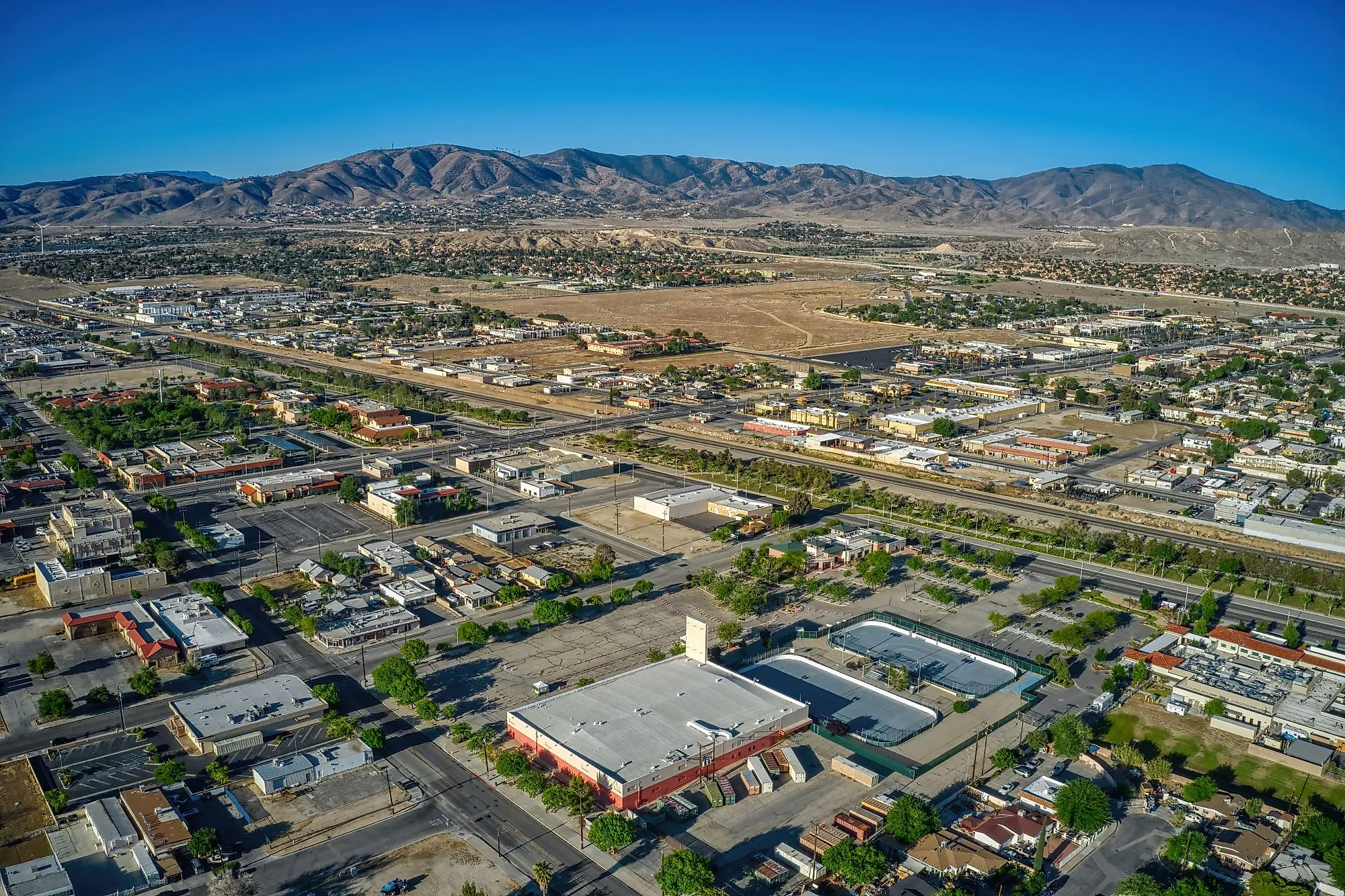
Geographically, Palmdale is situated in the high desert of northern Los Angeles County. It lies approximately 60 miles (97 kilometers) north of downtown Los Angeles, making it a part of the greater Los Angeles metropolitan area but distinctly separate in terms of climate and landscape. To its west are the Sierra Pelona Mountains, and to its south, the majestic San Gabriel Mountains provide a dramatic backdrop, separating the Antelope Valley from the more densely populated Los Angeles Basin.
Access to Palmdale is primarily via State Route 14, also known as the Antelope Valley Freeway, which serves as the main artery connecting the city to the south. Other major roads like State Route 138 and U.S. Route 395 facilitate connections to areas further east and north, including cities like Bakersfield and the Eastern Sierra region. This strategic placement makes Palmdale a gateway to exploring the broader high desert and mountain terrains of Southern California.
Climate and Landscape
Palmdale experiences a high desert climate, characterized by hot, dry summers and cool, sometimes cold, winters. Summer temperatures often soar well into the 90s Fahrenheit (30s Celsius), occasionally exceeding 100°F (38°C), with low humidity making the heat more tolerable. Winters are mild, with daytime temperatures typically in the 50s and 60s Fahrenheit (10-20°C), though nighttime lows can drop below freezing. Snowfall is rare but not unheard of, particularly in the surrounding mountain ranges.
The landscape is a distinctive blend of arid plains and foothills, marked by sparse vegetation typical of the Mojave Desert. Juniper and Joshua trees dot the terrain, while seasonal wildflowers bring vibrant bursts of color, especially during a good spring bloom. The clear, expansive skies and wide-open vistas offer a stark contrast to the urban sprawl found closer to the coast, providing a sense of tranquility and an abundance of natural light that has long attracted both residents and industries.
Palmdale’s Strategic Importance and Identity
Beyond its geographical coordinates, Palmdale holds significant strategic importance, particularly in the aerospace sector, shaping its identity and contributing to its unique appeal as a travel destination.
Aerospace Hub
Palmdale is internationally recognized as a critical center for aerospace research, development, and manufacturing. Its proximity to Edwards Air Force Base and the presence of major aerospace companies have made it a cornerstone of aviation history. The city’s Plant 42 facility has been instrumental in the development of iconic aircraft, including the Space Shuttle, B-2 Spirit bomber, and SR-71 Blackbird.
This rich aerospace heritage is not just for industry professionals; it’s a draw for visitors interested in aviation history and technology. The Joe Davies Heritage Airpark at Palmdale Plant 42 offers a fascinating outdoor exhibit of aerospace vehicles, allowing the public to get up close to historical aircraft that have shaped modern flight. Similarly, the Blackbird Airpark, located near Edwards Air Force Base, showcases several advanced aircraft, including the legendary SR-71 Blackbird, further cementing Palmdale’s reputation as an aerospace mecca.
Gateway to the Antelope Valley
As one of the two principal cities in the Antelope Valley (the other being Lancaster), Palmdale serves as a commercial, cultural, and residential hub for the region. The Antelope Valley itself is renowned for its natural beauty, particularly during the spring wildflower season, which draws visitors from around the globe. Palmdale’s central location makes it an ideal base for exploring the wider valley’s attractions, from natural reserves to historical sites. Its growth has transformed it into a self-sufficient community, offering a range of services, amenities, and recreational opportunities that cater to both residents and visitors.

Exploring Palmdale: Attractions and Experiences
For travelers venturing to the Antelope Valley, Palmdale provides a diverse array of attractions and experiences, blending its natural desert environment with cultural and recreational offerings.
Nature and Outdoors
The high desert landscape around Palmdale is a treasure trove for outdoor enthusiasts.
- Prime Desert Woodland Preserve: This 100-acre preserve offers walking trails through native desert vegetation, allowing visitors to experience the unique ecosystem firsthand. It’s an excellent spot for birdwatching and enjoying the tranquility of the desert.
- Antelope Valley California Poppy Reserve: While technically located just west of Lancaster, this world-renowned reserve is a must-visit for anyone in the Palmdale area, especially from mid-March to early May when the California poppies paint the hillsides in brilliant orange. It offers miles of trails suitable for all ages.
- Hiking in the San Gabriel Mountains: The nearby mountains offer more challenging hiking opportunities, with trails leading to stunning vistas and cooler elevations. These trails provide a different perspective on the California landscape, transitioning from arid desert to pine forests.
- Pelona Vista Park: A large regional park within Palmdale offering sports fields, walking paths, and open spaces, ideal for casual recreation.
Culture and Entertainment
Palmdale also boasts a growing cultural scene and provides venues for community events and entertainment.
- Palmdale Amphitheater: This outdoor venue hosts a popular summer concert series featuring national and local acts, as well as various community events and festivals throughout the warmer months. It’s a central hub for entertainment in the city.
- Joe Davies Heritage Airpark at Palmdale Plant 42: As mentioned, this airpark offers a unique educational and historical experience for aviation enthusiasts, showcasing a remarkable collection of aircraft.
- Local Festivals and Events: Throughout the year, Palmdale hosts a variety of events celebrating local culture, holidays, and community spirit, which provide excellent opportunities to engage with the local populace and experience the city’s vibrant atmosphere.
Family-Friendly Fun
Families traveling to Palmdale will find several options to keep children entertained.
- DryTown Water Park: During the hot summer months, this western-themed water park offers a refreshing escape with slides, a lazy river, and various water play areas suitable for all ages. It’s a significant draw for local families and visitors alike.
- Skateboard Parks and Playgrounds: Numerous neighborhood parks throughout Palmdale feature modern playgrounds and dedicated skateboard parks, providing safe and engaging spaces for children and teens.
- Palmdale City Library: Beyond books, the library frequently hosts children’s programs, storytelling sessions, and educational workshops, offering a quieter, enriching activity for families.
Planning Your Visit to Palmdale
A trip to Palmdale requires some planning to make the most of its unique offerings and high desert environment.
Getting There
Most visitors arrive in Palmdale by car, utilizing State Route 14 from Los Angeles or other connecting highways. The drive from Los Angeles typically takes about an hour to an hour and a half, depending on traffic conditions. While Palmdale does have a regional airport, Palmdale Regional Airport (PMD), it currently has limited commercial service, serving primarily as an auxiliary airport for Los Angeles International Airport (LAX) and for cargo operations. Public transportation includes Metrolink train service, which connects Palmdale to downtown Los Angeles and other communities, offering a convenient alternative for those who prefer not to drive.
Best Time to Visit
The ideal time to visit Palmdale largely depends on your interests.
- Spring (March to May): This is arguably the best time for outdoor activities, especially wildflower viewing at the Antelope Valley California Poppy Reserve. Temperatures are pleasantly mild, making hiking and exploring comfortable.
- Fall (September to November): Similar to spring, fall offers cooler temperatures and clear skies, perfect for outdoor exploration without the intense summer heat.
- Summer (June to August): While hot, summer is prime time for enjoying DryTown Water Park and catching concerts at the Palmdale Amphitheater.
- Winter (December to February): Winters are mild, but cooler temperatures might limit some outdoor activities. It’s a quieter time to visit if you prefer fewer crowds.
Accommodation and Dining
Palmdale offers a range of accommodation options to suit various budgets and preferences, from well-known hotel chains to more local establishments. These are primarily located along the main thoroughfares, providing easy access to attractions and dining. The city’s dining scene is diverse, reflecting its growing population. Visitors can find everything from casual fast food and family-friendly restaurants to ethnic eateries and more upscale dining experiences. Many establishments offer American comfort food, Mexican cuisine, and Asian dishes, ensuring there’s something to satisfy every palate after a day of exploration.
Palmdale’s Future and Growing Appeal
Palmdale is a city in constant evolution, with ongoing developments aimed at enhancing its infrastructure, economy, and quality of life. Plans for increased rail connectivity and potential expansion of its regional airport point towards a future of greater accessibility and importance. As it continues to balance its aerospace heritage with its role as a regional hub and a gateway to the high desert, Palmdale’s appeal as a destination for travelers, particularly those interested in unique landscapes, aviation history, and outdoor adventures, is only set to grow. It stands as a testament to the diverse offerings found within the vast expanse of California.
LifeOutOfTheBox is a participant in the Amazon Services LLC Associates Program, an affiliate advertising program designed to provide a means for sites to earn advertising fees by advertising and linking to Amazon.com. Amazon, the Amazon logo, AmazonSupply, and the AmazonSupply logo are trademarks of Amazon.com, Inc. or its affiliates. As an Amazon Associate we earn affiliate commissions from qualifying purchases.