
Understanding which areas in Florida have been officially declared disaster zones is crucial for several reasons. For prospective travelers, this information can inform decisions about travel plans, highlighting potential disruptions, access issues, or safety concerns. For residents and those considering a move or investment, it underscores the vulnerability of certain regions to natural phenomena and the importance of preparedness and insurance. This guide aims to provide clarity on how disaster declarations are made and how to identify affected counties, offering a vital resource for navigating the complexities of Florida’s climate and emergency management.
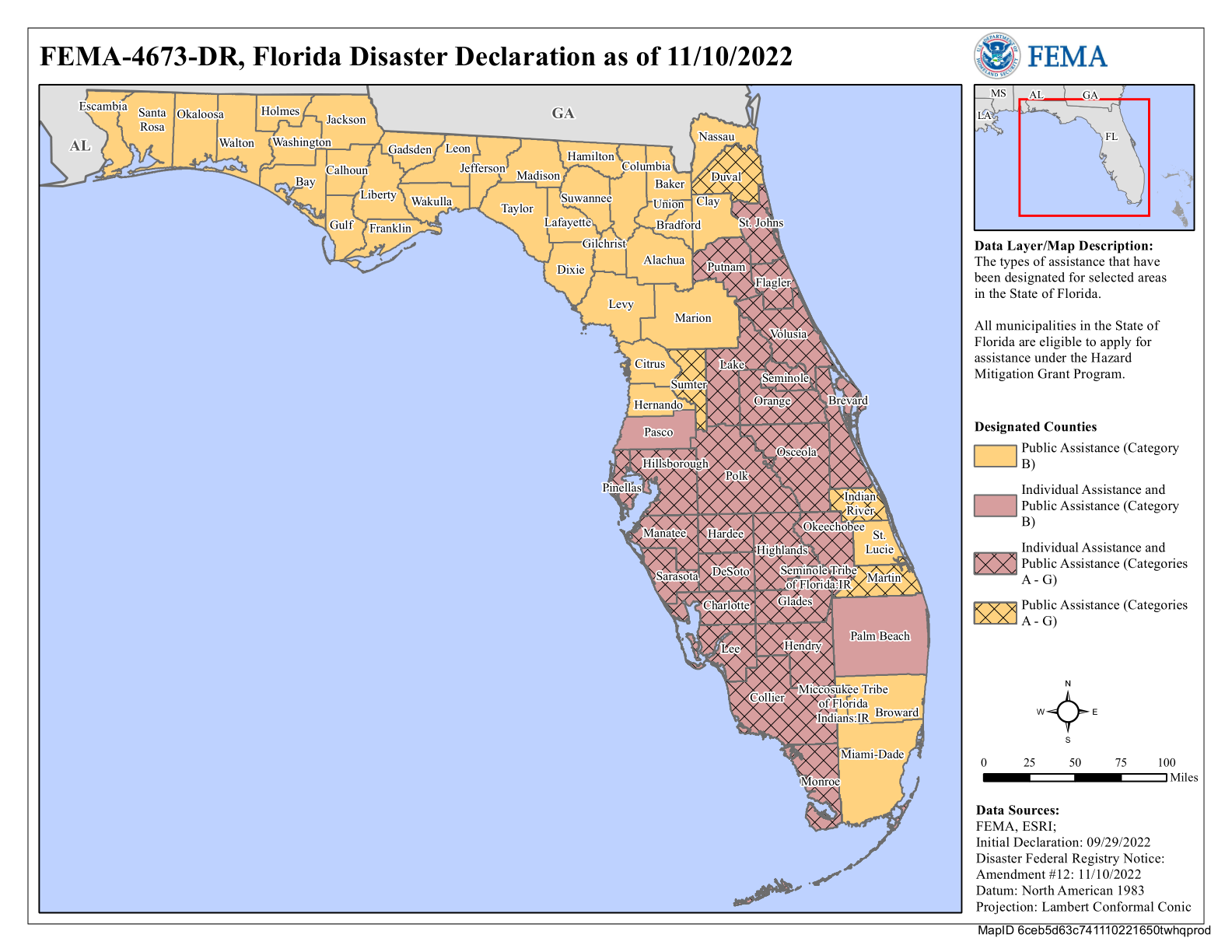
Understanding Disaster Declarations in Florida
A disaster declaration is a formal announcement by federal, state, or local government officials that a specific area has suffered significant damage from a natural event or human-caused incident. In the United States, the primary authority for declaring a major disaster or emergency is the President, following a request from a state governor. These declarations trigger various forms of federal assistance, including financial aid, resources, and personnel to support recovery efforts.
The Role of the Federal Emergency Management Agency (FEMA)
The Federal Emergency Management Agency (FEMA) plays a central role in the disaster declaration process. When a governor declares a state of emergency, they can then request a major disaster declaration from the President. FEMA assesses the damage and the state’s capacity to respond and recover. If the request is approved, a Presidential Disaster Declaration is issued, outlining the specific counties eligible for different types of federal assistance. This assistance can range from individual assistance for homeowners and renters to public assistance for repairing infrastructure.
State and Local Declarations
While Presidential Disaster Declarations are the most widely publicized and often bring the most substantial aid, state and local governments also have the authority to declare emergencies and disaster areas. These declarations can be a precursor to a federal request or may be made independently to mobilize state and local resources more effectively. Understanding the hierarchy of these declarations is key to grasping the full scope of a disaster’s impact and the available support systems.
Identifying Declared Disaster Areas in Florida
Pinpointing the exact counties declared disaster areas requires consulting official sources. The nature of disasters, such as hurricanes, floods, and wildfires, means that declarations can change rapidly and cover specific geographical areas that may not align perfectly with county boundaries, though counties are the typical unit of declaration.
Official Sources for Disaster Declarations
The most reliable sources for information on disaster declarations in Florida include:
- FEMA: The official FEMA website (fema.gov) provides a searchable database of all declared disasters, including details on the incident, declaration date, and affected areas. Travelers can often find specific information related to ongoing or recent disaster events.
- Florida Division of Emergency Management: This state agency is responsible for coordinating emergency response and recovery efforts across Florida. Their website often features press releases, updates, and links to relevant disaster information, including county-level details.
- Governor’s Office of Florida: Executive orders issued by the Governor of Florida frequently include declarations of emergency for specific counties affected by a disaster. These orders are usually published on the Governor’s official website.
- Local Emergency Management Agencies: Individual county emergency management agencies often provide the most localized and up-to-date information regarding events impacting their specific jurisdiction.
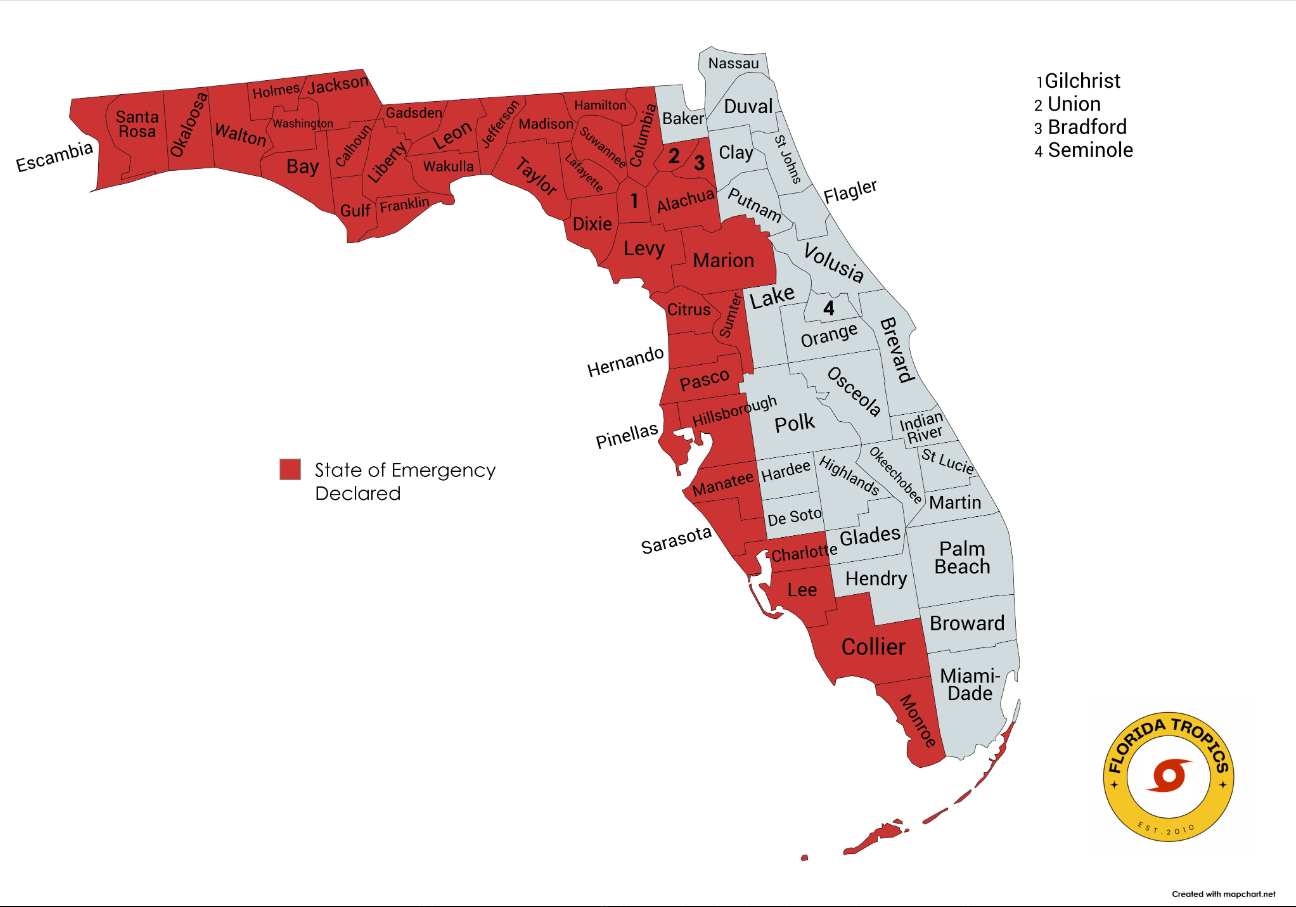
Navigating Disaster Maps and Information Portals
Many government agencies offer interactive maps and online portals that visually represent disaster-affected areas. These tools can be invaluable for quickly understanding the geographical extent of a declaration. For instance, after a hurricane, maps might delineate areas under evacuation orders, zones with power outages, or regions eligible for debris removal assistance. For travelers, these maps can highlight potential travel advisories or road closures that might affect access to popular destinations.
Implications for Travelers and Tourism in Florida
Disaster declarations have significant implications for the tourism industry in Florida. While the primary focus of these declarations is on safety and recovery for residents, they directly impact travel experiences, infrastructure, and the availability of services for visitors.
Impact on Travel Planning and Destinations
When counties are declared disaster areas, it often means that popular tourist destinations within those counties may be temporarily inaccessible or significantly impacted.
- Infrastructure Damage: Roads, airports, and public transportation networks may be damaged, leading to travel disruptions. This can affect flights to cities like Miami, Orlando, or Tampa, and may impact road access to attractions like Walt Disney World Resort or Everglades National Park.
- Accommodation Availability: Hotels, resorts, and rental properties in affected areas might be closed due to damage, power outages, or staff availability issues. This can lead to cancellations and limited availability for travelers planning trips to coastal cities or other affected regions.
- Attraction Closures: Tourist attractions, theme parks, beaches, and cultural sites may temporarily close to assess damage, ensure safety, or undergo repairs. This could mean that planned visits to places like Universal Orlando Resort, the St. Augustine Historic District, or the Florida Keys might be postponed.
- Safety Advisories: Local authorities may issue travel advisories or recommend avoiding non-essential travel to disaster-stricken areas, even if some services are operational, to allow emergency personnel to focus on recovery efforts.
Rebuilding and Recovery Efforts
Following a disaster declaration, recovery and rebuilding efforts commence. This process can take months or even years, depending on the severity of the damage.
- Economic Impact: The tourism sector, a vital part of Florida’s economy, can suffer significant losses due to reduced visitor numbers. Businesses that rely on tourism, from small shops to large hotel chains like Marriott, may face financial hardship.
- Phased Reopening: As infrastructure is repaired and safety is ensured, areas will gradually reopen to visitors. Travelers interested in visiting Florida after a disaster should monitor official channels for updates on the status of specific attractions, accommodations, and travel routes.
- Supporting Local Communities: Travelers who choose to visit regions that are actively recovering can play a role in the local economy by patronizing businesses that are open and operating. It’s always advisable to check the current conditions and any specific guidance from local tourism boards or chambers of commerce before planning a visit.

Staying Informed for a Smooth Travel Experience
For travelers, staying informed is paramount. Before and during a trip to Florida, particularly during hurricane season (June 1 to November 30) or other periods of potential severe weather, it is wise to:
- Monitor Weather Forecasts: Keep a close eye on meteorological predictions from reputable sources.
- Check Travel Advisories: Consult advisories from the U.S. Department of State (if applicable for international travel), airlines, and FEMA.
- Review Insurance Policies: Understand travel insurance coverage for cancellations or interruptions due to natural disasters.
- Contact Accommodation Providers: Confirm the operational status of hotels, resorts, or vacation rentals directly.
- Follow Local News and Emergency Management: Stay updated on local conditions and any official directives from county and state authorities in the areas you plan to visit or are currently in.
By understanding the process of disaster declarations and knowing where to find accurate, up-to-date information, travelers can make informed decisions, adjust plans as needed, and contribute to the resilient spirit of Florida as it recovers and rebuilds.
LifeOutOfTheBox is a participant in the Amazon Services LLC Associates Program, an affiliate advertising program designed to provide a means for sites to earn advertising fees by advertising and linking to Amazon.com. Amazon, the Amazon logo, AmazonSupply, and the AmazonSupply logo are trademarks of Amazon.com, Inc. or its affiliates. As an Amazon Associate we earn affiliate commissions from qualifying purchases.