
The Sunshine State, a perennial favorite for travelers seeking warmth, vibrant culture, and diverse attractions, experiences a climate that many associate with year-round summer. However, for those planning a trip and aiming to optimize their Florida experience, understanding the nuances of its seasonal shifts is crucial. While the term “summer” in common parlance often conjures images of June, July, and August, Florida’s meteorological and experiential seasons extend beyond this conventional definition, offering distinct advantages and characteristics during what might be considered its “off-peak” periods. This guide delves into the true definition of summer in Florida, exploring not only the calendar dates but also the atmospheric conditions, visitor experiences, and ideal times to visit for a truly unforgettable getaway, focusing on the rich tapestry of experiences available across the state.

Understanding Florida’s Climate Zones and Seasonal Patterns
Florida’s unique geographical position at the southeastern tip of the United States, bordered by the Atlantic Ocean and the Gulf of Mexico, contributes to a subtropical to tropical climate that dramatically influences its seasonal patterns. The state is broadly divided into two climatic zones: North Florida, which experiences a more temperate climate with distinct seasons, and Central and South Florida, which are characterized by a more tropical environment with less pronounced temperature variations. This regional difference plays a significant role in when summer truly “feels” like summer across the state.
The Conventional Summer Months: June, July, and August
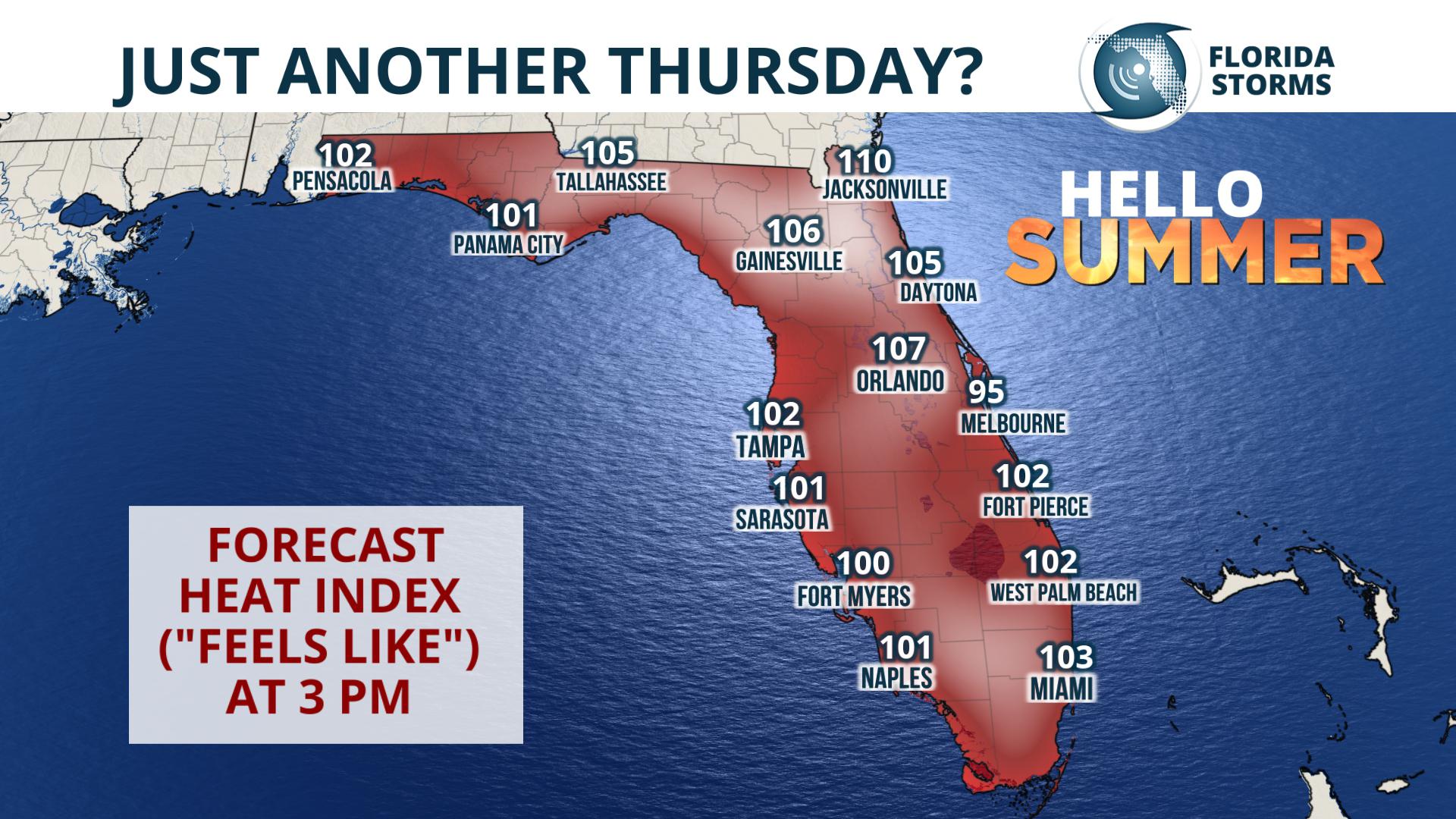
Meteorologically, summer in the Northern Hemisphere officially begins with the summer solstice around June 20th or 21st and ends with the autumnal equinox around September 22nd or 23rd. These months—June, July, and August—are undeniably the hottest and most humid periods across Florida.
- June: The transition into summer is marked by rising temperatures and increasing humidity. Rainfall begins to become more frequent, often in the form of intense, short-lived afternoon thunderstorms, a hallmark of Florida’s summer weather. This is the beginning of the wet season, which typically runs from June through September.
- July: This is often the peak of the heat and humidity. Daytime temperatures regularly soar into the high 80s and 90s Fahrenheit (around 31-35°C), with the oppressive humidity making it feel even hotter. The afternoon thunderstorms continue, providing brief respites from the heat but also contributing to the overall dampness. This is a prime time for indoor attractions and water-based activities.
- August: Similar to July, August is characterized by high temperatures, significant humidity, and frequent thunderstorms. The intensity of the sun is at its peak, and the potential for tropical disturbances, including hurricanes, begins to increase as the month progresses and the Atlantic hurricane season (June 1 to November 30) gains momentum.
Despite the heat and humidity, these months are popular for family vacations, particularly during school breaks, and attract visitors eager to experience the iconic Florida beaches, theme parks like Walt Disney World Resort and Universal Orlando Resort, and the vibrant nightlife of cities like Miami.
The Extended Summer: May and September
While not strictly part of the calendar summer, May and September often provide an experience that many would consider “summer-like” in Florida, often with more comfortable conditions than the peak months.
- May: This month marks a beautiful transition. The temperatures begin to climb steadily, but the humidity is generally lower than in June, July, or August. It’s a time when the weather is warm and pleasant, ideal for exploring attractions and enjoying outdoor activities without the most intense heat. Many consider May to be one of the best months to visit, offering a delightful balance of warmth and relative comfort before the full onset of the summer heat. Beaches are inviting, and outdoor dining is a pleasure.
- September: As the calendar inches towards autumn, Florida’s weather often retains its summer characteristics. September is still very much within the wet season, and the heat and humidity remain high. Thunderstorms are still common. However, as the month progresses, there can be a slight decrease in the intensity of the heat, and tourist crowds begin to thin out as families return to school. The ocean temperatures remain very warm, making it an excellent time for swimming and water sports for those who don’t mind the lingering summer humidity.
These shoulder months offer a compelling alternative for travelers seeking the quintessential Florida summer experience with potentially fewer crowds and slightly more manageable weather.
The “Florida Summer” Concept Beyond the Calendar
The concept of “summer” in Florida can also be interpreted through the lens of the experiences it offers, regardless of the precise calendar dates. For many, Florida represents a summer state of mind, characterized by sunshine, beaches, and a relaxed, vacation atmosphere.
Beaches and Coastal Escapes
The allure of Florida’s extensive coastline, from the powdery white sands of the Florida Panhandle beaches like Siesta Key Beach to the turquoise waters of the Florida Keys and the Atlantic coast attractions near Palm Beach, is a primary draw for summer visitors.
- Ocean Temperatures: The Gulf of Mexico and the Atlantic Ocean remain warm throughout the summer months, offering consistently pleasant swimming conditions. Ocean temperatures typically range from the high 70s to the low 80s Fahrenheit (around 26-28°C) from June through September.
- Water Sports: This warmth makes it an ideal time for a wide array of water sports, including swimming, snorkeling, diving, paddleboarding, kayaking, and jet-skiing. Many coastal towns offer equipment rentals and guided tours, catering to all levels of experience.
Theme Park Adventures
For families and thrill-seekers, the summer months are synonymous with theme park visits. Destinations like Orlando and Tampa are home to world-renowned parks that offer a full spectrum of entertainment.
- Beat the Heat Strategies: While theme parks can be hot and crowded during the summer, strategic planning can mitigate the challenges. Arriving early, utilizing water rides, staying hydrated, taking breaks in air-conditioned shows or restaurants, and visiting during the cooler parts of the day are essential tips for a successful park visit.
- Evening Entertainment: Many parks offer extended hours during the summer, with fireworks displays and evening parades providing magical experiences once the sun begins to set and temperatures slightly decrease.
Nature and Wildlife Encounters
Florida’s diverse natural landscapes offer unique summer experiences, from the Everglades to its numerous springs and coastal wildlife refuges.
- Everglades National Park: Summer in the Everglades is characterized by its wet season, which means higher water levels. This can make wildlife viewing more accessible, as many animals congregate in the remaining water bodies. Airboat tours are a popular way to explore the wetlands, offering a thrilling perspective.
- Natural Springs: The northern part of the state is dotted with crystal-clear natural springs, such as Silver Springs State Park and Rainbow Springs State Park. While the air can be warm, the water in these springs remains a constant, cool 72°F (22°C) year-round, making them perfect for swimming, kayaking, and snorkeling.
Planning Your “Summer” Florida Getaway
Deciding when to experience Florida’s summer depends on your priorities, whether it’s the peak of the season with maximum heat and energy, or the shoulder months offering a more relaxed pace.
Peak Summer: June to August
- Pros: Highest energy, school holidays mean family availability, all attractions and activities are in full swing, hottest ocean temperatures.
- Cons: Most intense heat and humidity, highest chance of daily thunderstorms, largest crowds, highest prices for accommodations and flights.
- Best For: Families with school-aged children, those who thrive in high heat and humidity, visitors prioritizing peak season events and theme park experiences.
The Shoulder Season Advantage: May and September
- Pros: Pleasant temperatures, lower humidity than peak summer, fewer crowds, potentially lower prices, still warm enough for beach activities and water sports.
- Cons: May still experience some heat and humidity (though less than July/August), September is still within hurricane season.
- Best For: Travelers seeking a balance of warm weather and fewer crowds, those who prefer slightly more comfortable outdoor conditions, visitors looking for better value.

Beyond the Traditional: October to April
While not “summer” by definition, the cooler months in Florida offer a different, yet equally appealing, type of vacation that many still associate with the state’s warm-weather appeal.
- October to April: These months boast mild temperatures, low humidity, and significantly less rainfall, making them ideal for exploring the state’s cultural attractions, golf courses, and outdoor activities without the oppressive heat. This period is often considered the high season for tourism in many parts of Florida, especially for snowbirds escaping colder climates.
- Events and Festivals: Many of Florida’s most anticipated festivals and events, from the Epcot International Food & Wine Festival in the fall to spring training baseball games, occur during these cooler months.
In conclusion, while the calendar defines summer in Florida from mid-June to mid-September, the experience of a Floridian summer can be felt and enjoyed in the shoulder months of May and September, offering a compelling alternative for those seeking warmth and sunshine without the peak season intensity. Ultimately, the best time to experience “summer” in Florida is a personal choice, tailored to individual preferences for weather, crowd levels, and desired activities. Whether you chase the intense heat of July or the more tempered warmth of May, Florida promises an unforgettable summer escape.
LifeOutOfTheBox is a participant in the Amazon Services LLC Associates Program, an affiliate advertising program designed to provide a means for sites to earn advertising fees by advertising and linking to Amazon.com. Amazon, the Amazon logo, AmazonSupply, and the AmazonSupply logo are trademarks of Amazon.com, Inc. or its affiliates. As an Amazon Associate we earn affiliate commissions from qualifying purchases.