
Apache Junction, Arizona, is a captivating city nestled at the base of the iconic Superstition Mountains, a landscape steeped in legend and natural beauty. For many planning a trip to the Grand Canyon State, understanding the precise geographical placement of a destination is the first step toward crafting an unforgettable itinerary. The answer to “What county is Apache Junction, Arizona in?” reveals a fascinating dual identity that influences its character, accessibility, and the range of experiences available to visitors.
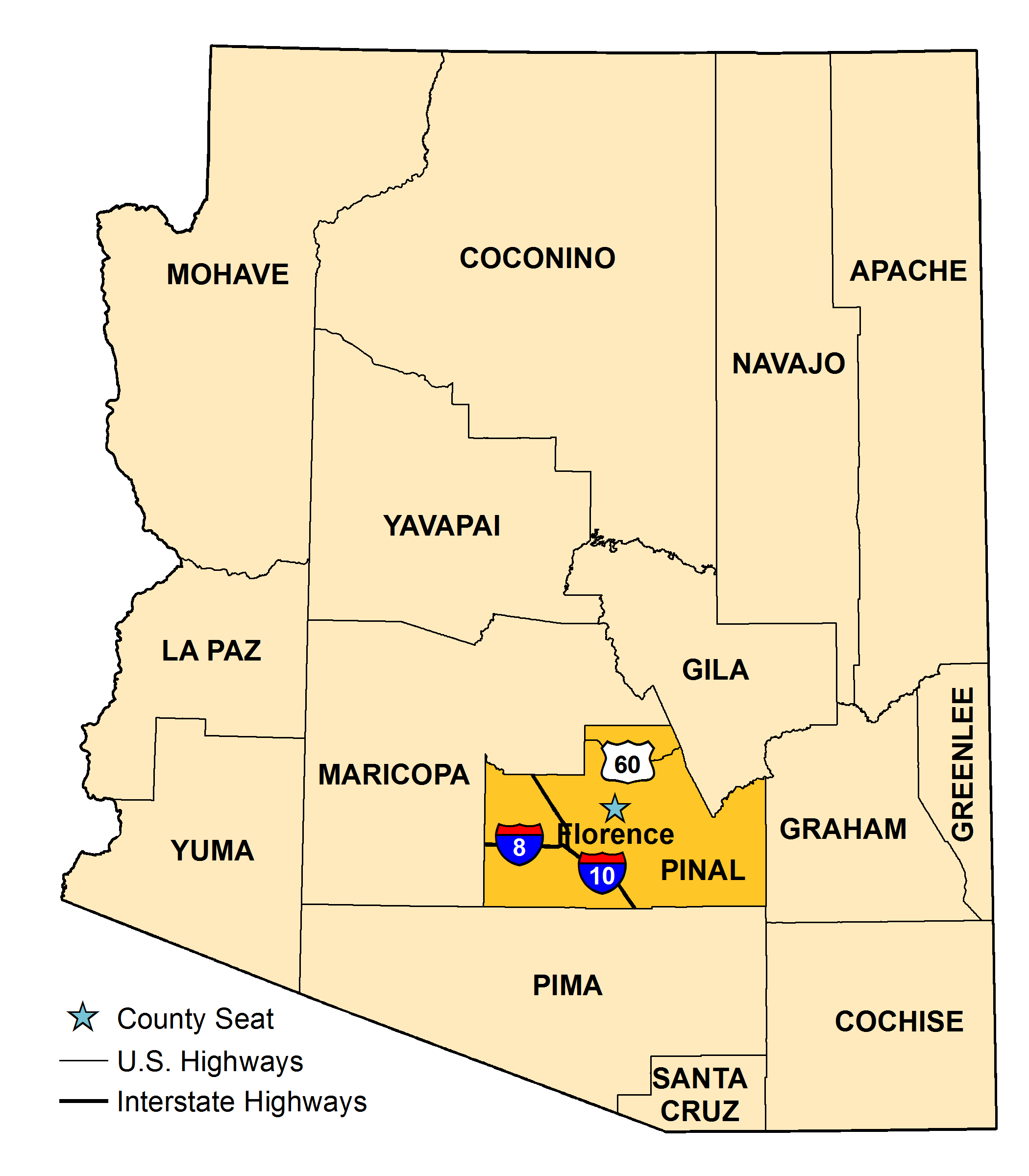
Primarily, Apache Junction is located in Pinal County. However, a small, northwestern sliver of the city extends into Maricopa County. This unique geographic situation means that while the bulk of the city’s municipal services and historical identity are tied to Pinal County, its proximity and partial presence in Maricopa County significantly impact its connection to the larger Phoenix metropolitan area. This dual-county status offers travelers the best of both worlds: the rugged, untamed beauty and historical charm of the Sonoran Desert in Pinal County, coupled with convenient access to the urban amenities and major transport hubs of Maricopa County.
Unveiling Apache Junction’s Geographic Home
The location of Apache Junction is more than just a pin on a map; it’s a defining characteristic that shapes the city’s appeal as a travel destination. Situated roughly 35 miles east of downtown Phoenix, it serves as a crucial gateway to Arizona’s vast and breathtaking eastern deserts, offering a unique blend of historical intrigue, outdoor adventure, and vibrant local culture.
The Dual Identity: Pinal and Maricopa Counties
The division of Apache Junction between Pinal and Maricopa Counties is a legacy of its growth and development. Pinal County, known for its rich mining history, agricultural lands, and expansive desert landscapes, forms the heart of Apache Junction. This is where the city’s downtown, most of its residential areas, and the direct access points to the Superstition Wilderness are found. The smaller portion in Maricopa County benefits from its adjacency to the thriving East Valley suburbs of Phoenix, providing easier routes to major freeways, the Phoenix Sky Harbor International Airport, and a wider array of services. This geographical nuance is important for travelers, as it influences everything from municipal services to the availability of certain amenities and transport options.
Historical Roots and Formation
The origins of Apache Junction are deeply intertwined with the quest for gold and the development of transportation routes in the late 19th and early 20th centuries. The area served as a junction for two historic trails: the Apache Trail, a rugged route through the Superstition Mountains constructed to aid in the building of the Roosevelt Dam, and the Mormon Flat Road. Miners, cowboys, and early settlers were drawn to the promise of the Goldfield and Weaver’s Needle areas, establishing a settlement that eventually grew into the city we know today. Its name, a tribute to the Apache Trail, reflects its strategic position and its enduring connection to the region’s pioneering spirit. This history is palpable throughout the city, making it a compelling destination for those interested in the authentic Old West.
Exploring Pinal County: A Hub of Arizona Adventures
For the vast majority of visitors, the Pinal County side of Apache Junction is where the true adventure begins. This region is a treasure trove of outdoor activities, historical sites, and opportunities to immerse oneself in the unique desert ecosystem. From challenging hikes to scenic drives and living history experiences, Pinal County offers a quintessential Arizona travel experience.
Natural Wonders and Outdoor Pursuits
The crowning glory of Apache Junction is undoubtedly its immediate proximity to the Superstition Mountains. This rugged mountain range, part of the Tonto National Forest, is famous for the legend of the Lost Dutchman’s Gold Mine, a tale of hidden riches that continues to captivate treasure hunters and adventurers. Travelers can explore numerous trails ranging from easy strolls to strenuous climbs, offering breathtaking panoramic views of the Sonoran Desert.
A cornerstone for outdoor enthusiasts is Lost Dutchman State Park, located just north of Apache Junction. This park provides direct access to prime hiking trails into the Superstitions, camping facilities, and interpretive programs that highlight the desert’s flora, fauna, and geology. Further along the scenic Apache Trail (Highway 88), visitors will discover a series of stunning lakes formed by dams on the Salt River, including Canyon Lake, Saguaro Lake, and Apache Lake. These offer opportunities for boating, fishing, kayaking, and enjoying the dramatic desert-meets-water landscapes. A boat tour on the Dolly Steamboat on Canyon Lake is a particularly popular way to experience the area’s geological wonders and wildlife.
Echoes of the Old West
Pinal County’s heritage as a mining frontier is vividly preserved in and around Apache Junction. Just a short drive northeast lies Goldfield Ghost Town, a meticulously restored 1890s mining town. This living history attraction allows visitors to step back in time, explore old saloons, a general store, and even take a ride on a narrow-gauge railroad. Daily gunfight reenactments and mine tours add to the immersive experience, providing a fun and educational insight into Arizona’s boom-and-bust past.
Beyond Goldfield, the historic Apache Trail itself serves as a winding journey through history, passing by other remnants of old mining operations and early settlements. Travelers can find numerous small museums and historical markers that recount the stories of prospectors, cowboys, and the indigenous peoples who have called this land home for centuries. The Superstition Mountain Museum is an excellent resource, dedicated to preserving the history, folklore, and geology of the Superstition Mountain area, including exhibits on the Lost Dutchman Mine and Apache culture.
Beyond the Desert Landscape
While the desert and its legends dominate, Pinal County offers a broader spectrum of experiences. The county is also known for its agricultural industry, particularly cotton and pecans, which can be seen in fields stretching across the flatter plains away from the mountains. Further south in Pinal County, towns like Florence and Casa Grande offer additional historical sites, including frontier prisons and ancient Hohokam ruins like the Casa Grande Ruins National Monument, providing a deeper dive into Arizona’s diverse past.

Maricopa County’s Influence: Gateway to Urban Exploration
Although only a small section of Apache Junction falls within Maricopa County, this connection is vital for travelers. Maricopa County is home to the majority of Arizona’s population and the expansive Phoenix metropolitan area. This proximity means visitors to Apache Junction can easily access major urban amenities, diverse dining, shopping, and entertainment options without sacrificing the tranquility of their desert retreat.
Proximity to Phoenix Metro
The immediate connection to Maricopa County places Apache Junction within easy reach of Phoenix’s East Valley cities such as Mesa, Gilbert, and Chandler. This means travelers have access to a broader range of accommodations, from budget-friendly motels to upscale resorts, as well as renowned golf courses, cultural institutions, and major sporting venues. For those flying into the region, Phoenix Sky Harbor International Airport, a major hub, is a relatively short and straightforward drive away, simplifying arrival and departure logistics.
Connectivity and Infrastructure
The Maricopa County side of Apache Junction facilitates seamless travel. Major freeways like U.S. Route 60 provide efficient connectivity, allowing visitors to venture further into Phoenix for city attractions or to use Apache Junction as a base for day trips to other parts of Arizona. This excellent infrastructure means that while Apache Junction itself offers an escape into nature and history, the conveniences of a large metropolitan area are never far out of reach, making it an ideal destination for varied travel interests.
Planning Your Trip to Apache Junction and Surrounding Areas
A visit to Apache Junction promises an authentic Arizona experience. Thoughtful planning can enhance your journey, ensuring you make the most of its natural beauty, rich history, and the unique charm of its dual-county location.
Best Time to Visit
The Sonoran Desert experiences extreme temperatures, making the cooler months the ideal time to visit. From October through April, the weather is pleasantly mild, with warm days and cool evenings, perfect for hiking, exploring ghost towns, and enjoying outdoor activities. Spring (March-April) also brings the vibrant desert wildflowers, transforming the landscape into a riot of color. Summer months (May-September) can be intensely hot, often exceeding 100°F (38°C), making strenuous outdoor activities challenging, though early morning excursions are still possible.
Getting There and Around
Most travelers will arrive in Apache Junction via the Phoenix Sky Harbor International Airport (PHX). From the airport, renting a car is highly recommended, as public transportation options are limited, and a vehicle is essential for exploring the sprawling desert landscapes, state parks, and historical sites. U.S. Route 60 provides direct access from Phoenix to Apache Junction. Within the city and for venturing onto the Apache Trail, a vehicle offers the freedom and flexibility to discover hidden gems at your own pace.
Accommodation Options
Apache Junction offers a range of accommodation choices to suit various preferences and budgets. From comfortable hotels and motels along the main thoroughfares to vacation rentals and RV parks, there are options for every traveler. Many visitors also opt for camping within Lost Dutchman State Park for an immersive desert experience. Given its proximity to Phoenix’s East Valley, travelers also have the option of staying in the neighboring cities of Mesa or Gilbert and driving to Apache Junction for day trips, especially if they seek more extensive resort amenities or urban conveniences.
Apache Junction: A Unique Arizona Experience
Ultimately, Apache Junction’s location, predominantly within Pinal County with a toe in Maricopa County, is integral to its identity as a premier travel destination in Arizona. It’s a place where the legends of the Old West feel tangible, where the raw beauty of the desert inspires awe, and where adventure awaits around every turn of the trail.
Local Flavors and Unique Events
Beyond its natural and historical attractions, Apache Junction boasts a vibrant local character. Travelers can enjoy local eateries offering Southwestern cuisine, browse unique artisan shops, and experience various community events throughout the year. The Lost Dutchman Days festival, held annually, is a highlight, featuring rodeos, parades, carnivals, and craft fairs, celebrating the city’s heritage and its connection to the famous lost mine legend. These local experiences add depth to any travel itinerary, allowing visitors to connect with the heart and soul of the community.

The Call of the Desert
Whether you’re drawn by the allure of hidden gold, the challenge of desert trails, or simply the desire to witness a stunning sunset over the Superstition Mountains, Apache Junction offers a travel experience unlike any other. Its geographical position provides a perfect blend of rugged wilderness and accessible urban comforts, making it an ideal base for exploring the rich tapestry of Arizona’s natural wonders and historical narratives. Understanding its county placement is merely the starting point; the real journey begins when you arrive and let the spirit of the Sonoran Desert captivate you.
LifeOutOfTheBox is a participant in the Amazon Services LLC Associates Program, an affiliate advertising program designed to provide a means for sites to earn advertising fees by advertising and linking to Amazon.com. Amazon, the Amazon logo, AmazonSupply, and the AmazonSupply logo are trademarks of Amazon.com, Inc. or its affiliates. As an Amazon Associate we earn affiliate commissions from qualifying purchases.