
When the iconic theme music of NCIS: New Orleans swells and the camera pans across the evocative cityscape, viewers are transported directly to the heart of the Crescent City. The show, a popular spin-off of the long-running NCIS franchise, has always prided itself on its authentic portrayal of New Orleans, its vibrant culture, and its unique atmosphere. But for many fans, a burning question arises: just how much of the show was actually filmed in the city it so proudly represents? The answer, as it turns out, is a resounding testament to New Orleans’s allure.
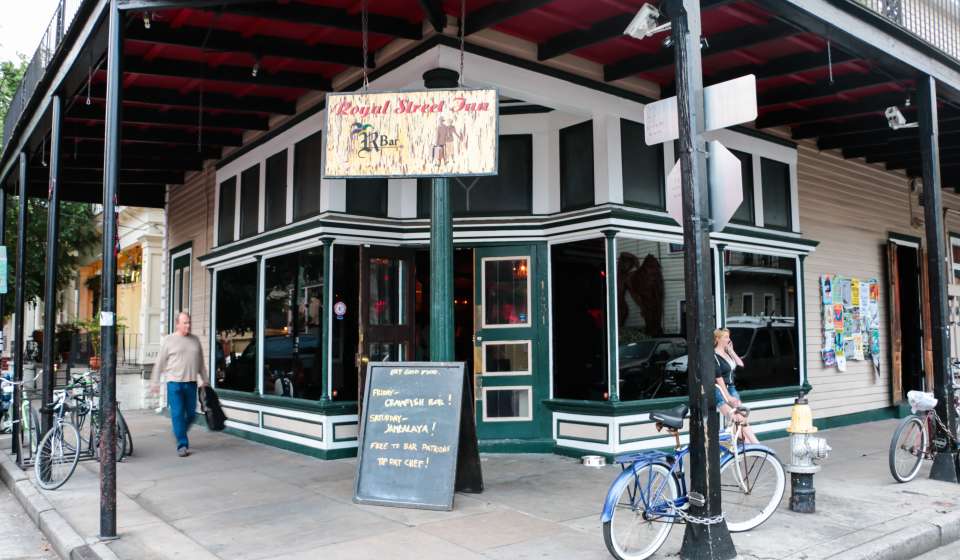
From its inception, NCIS: New Orleans was conceived as a love letter to the city, aiming to capture its distinctive spirit, its rich history, and its picturesque landscapes. This ambition translated into a commitment to filming on location, a decision that profoundly shaped the show’s visual identity and cemented its connection with its audience. While some television productions might rely heavily on soundstages and backlots to recreate specific environments, NCIS: New Orleans went the extra mile, weaving the very fabric of the city into its narrative.
The Authentic Heartbeat of New Orleans: Filming Locations
The producers and cast of NCIS: New Orleans were dedicated to showcasing the authentic charm of the city, and this commitment was evident in their meticulous selection of filming locations. They understood that to truly embody New Orleans, they needed to immerse themselves in its streets, its neighborhoods, and its iconic landmarks. This approach not only provided a visually rich backdrop but also allowed the show to tap into the local culture, drawing inspiration from the people, the music, and the unique way of life.
Iconic Neighborhoods and Historic Districts
The French Quarter, with its distinctive architecture, gas lamps, and wrought-iron balconies, was a natural and frequent choice for many scenes. Wandering through its storied streets, the show’s characters often found themselves in the midst of the vibrant energy that defines this historic district. From clandestine meetings in dimly lit alleys to dramatic chases along bustling avenues, the French Quarter provided an endlessly versatile and atmospheric setting.
Beyond the immediate buzz of the French Quarter, other historic neighborhoods also played significant roles. The Garden District, known for its grand antebellum mansions and lush gardens, offered a glimpse into a more opulent side of New Orleans. Scenes set in the residences of wealthy individuals or depicting formal events often found their perfect backdrop among these stately homes.
The Bywater neighborhood, with its eclectic mix of colorful houses and a burgeoning arts scene, also made appearances, adding a different flavor to the show’s visual tapestry. Similarly, areas along the Mississippi River, including the vibrant riverfront and the bustling port, were frequently utilized, underscoring the city’s deep connection to maritime trade and its status as a vital transportation hub.
Capturing the Spirit of the City: Beyond the Tourist Trails
While iconic landmarks were undoubtedly featured, NCIS: New Orleans also made an effort to move beyond the most obvious tourist spots. The show’s creators sought out locations that truly represented the everyday life and the diverse communities of New Orleans. This included filming in more residential areas, local businesses, and community spaces, giving viewers a more nuanced and intimate perspective of the city.
The commitment to authenticity extended to capturing the city’s unique ambiance. The humid, sultry air, the sounds of jazz drifting from open doorways, the scent of Creole cuisine wafting through the streets – these intangible elements were brought to life through careful cinematography and sound design, all rooted in the real New Orleans experience.
The Role of Government and Military Installations
Given the investigative nature of NCIS, it was fitting that the show often incorporated locations that reflected the city’s role as a significant military and government hub. While specific base names might not always be highlighted, the presence of naval facilities, courthouses, and federal buildings served to ground the show in the realities of law enforcement and national security. These settings provided a credible backdrop for the team’s investigations and operations.
Embracing Local Charm: Hotels, Restaurants, and Cultural Institutions
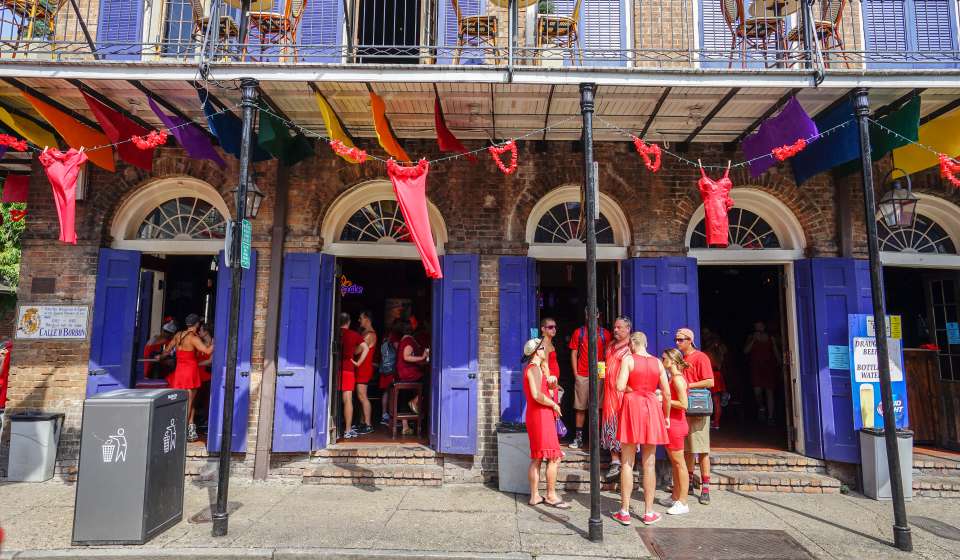
The integration of New Orleans’s rich tapestry of businesses and cultural landmarks was crucial to the show’s success in portraying an authentic setting. Rather than constructing generic sets, the production team actively sought to incorporate real-world establishments, lending a genuine feel to the on-screen world. This approach benefited both the show and the local economy, bringing the spotlight to beloved institutions.
Iconic Hotels as Backdrops and Story Elements
New Orleans is renowned for its historic and luxurious hotels, many of which boast unique architecture and a storied past. These establishments often provided more than just a picturesque location; they sometimes became integral parts of the narrative. Whether a character was staying at a grand hotel for a conference, meeting a confidential informant in a quiet corner, or even pursuing a suspect through its opulent halls, these hotels added a layer of sophistication and local flavor.
While specific hotel names used for filming might vary throughout the seasons, the general aesthetic of New Orleans’s renowned hospitality industry was consistently on display. The grandeur of the French Quarter hotels, with their courtyards and balconies, or the classic elegance of properties found in the Central Business District, all contributed to the show’s visual vocabulary. Imagine a crucial plot point unfolding in the lobby of a hotel that has hosted dignitaries and celebrities for decades, or a tense standoff on the rooftop of an establishment offering panoramic views of the Mississippi River – these are the kinds of rich storytelling opportunities that real New Orleans hotels provided.
Culinary Delights and Cultural Hubs
The culinary scene is an undeniable cornerstone of New Orleans identity, and NCIS: New Orleans made sure to reflect this in its portrayal. While viewers might not always see characters explicitly dining in specific, named restaurants, the pervasive atmosphere of delicious food and the celebration of Creole and Cajun cuisine were palpable. The show’s engagement with the city’s food culture often manifested in scenes set in bustling markets, charming cafes, or during lively festivals where food is a central attraction. The very essence of New Orleans cuisine, with its unique blend of flavors and traditions, was an unspoken character in many episodes.
Furthermore, the show also tapped into the city’s vibrant cultural institutions. Music venues, historic theaters, and art galleries often served as filming locations or as inspiration for the show’s milieu. The sounds of live jazz, a defining element of New Orleans, were frequently incorporated, further enhancing the immersive experience for the audience. The rich history and artistic heritage of the city were not just mentioned; they were visually present, making the fictional investigations feel deeply rooted in a real, living community.
The Technicalities of Bringing New Orleans to the Screen
While the spirit of New Orleans permeated every aspect of the show, the practicalities of television production required a blend of on-location shooting and studio work. The producers’ commitment to authenticity meant that the majority of the show’s principal photography occurred within the metropolitan area, allowing them to leverage the city’s unique character.
Studio Facilities and Soundstages
To facilitate the complex logistics of filming, NCIS: New Orleans utilized studio facilities located within the greater New Orleans area. These soundstages served as controlled environments where intricate sets could be built and specific interior scenes could be meticulously crafted. This allowed for greater control over lighting, sound, and camera angles, ensuring the highest production values for crucial indoor sequences such as the NCIS field office itself, interrogation rooms, or detailed recreations of specific rooms for particular plot developments.
The NCIS team’s headquarters, a central location in every episode, was likely brought to life within these studio confines. This allowed for a consistent and recognizable workspace for the main characters, regardless of the exterior filming location. The ability to construct and deconstruct sets as needed provided flexibility for storytelling, enabling the creation of everything from a sterile laboratory to a character’s personal apartment.
Supporting the Local Economy and Community
Filming a major television series in a city like New Orleans has a significant economic impact. Beyond the direct employment of cast and crew, the production supported a wide range of local businesses, from catering companies and transportation services to equipment rental firms and accommodation providers. The presence of a major studio created a sustained demand for these services, contributing to the city’s robust film industry.
The show also fostered a relationship with the local community. By actively engaging with New Orleans, its residents, and its businesses, NCIS: New Orleans became more than just a television program; it became a part of the city’s cultural fabric. The dedication to showcasing the real New Orleans resonated with locals and viewers alike, forging a unique and lasting connection between the fictional world of the show and the vibrant reality of the city it called home. The success of the show in capturing the essence of New Orleans is a testament to the power of authentic storytelling and the enduring appeal of this remarkable American city.
LifeOutOfTheBox is a participant in the Amazon Services LLC Associates Program, an affiliate advertising program designed to provide a means for sites to earn advertising fees by advertising and linking to Amazon.com. Amazon, the Amazon logo, AmazonSupply, and the AmazonSupply logo are trademarks of Amazon.com, Inc. or its affiliates. As an Amazon Associate we earn affiliate commissions from qualifying purchases.