
Denver, Colorado stands unique among major American cities, possessing an administrative structure that often piques the curiosity of travelers and residents alike. Unlike most cities nestled within a larger county, Denver functions as a consolidated city-county. This means that the City of Denver and the County of Denver are one and the same governmental entity. For the discerning traveler, understanding this distinct status offers a deeper appreciation for the city’s self-contained identity, streamlined governance, and its pivotal role as a vibrant destination at the foot of the majestic Rocky Mountains. This unique arrangement allows for unified urban planning, efficient service delivery, and a coherent vision for development, all contributing to the seamless experience visitors enjoy when exploring the “Mile High City.”
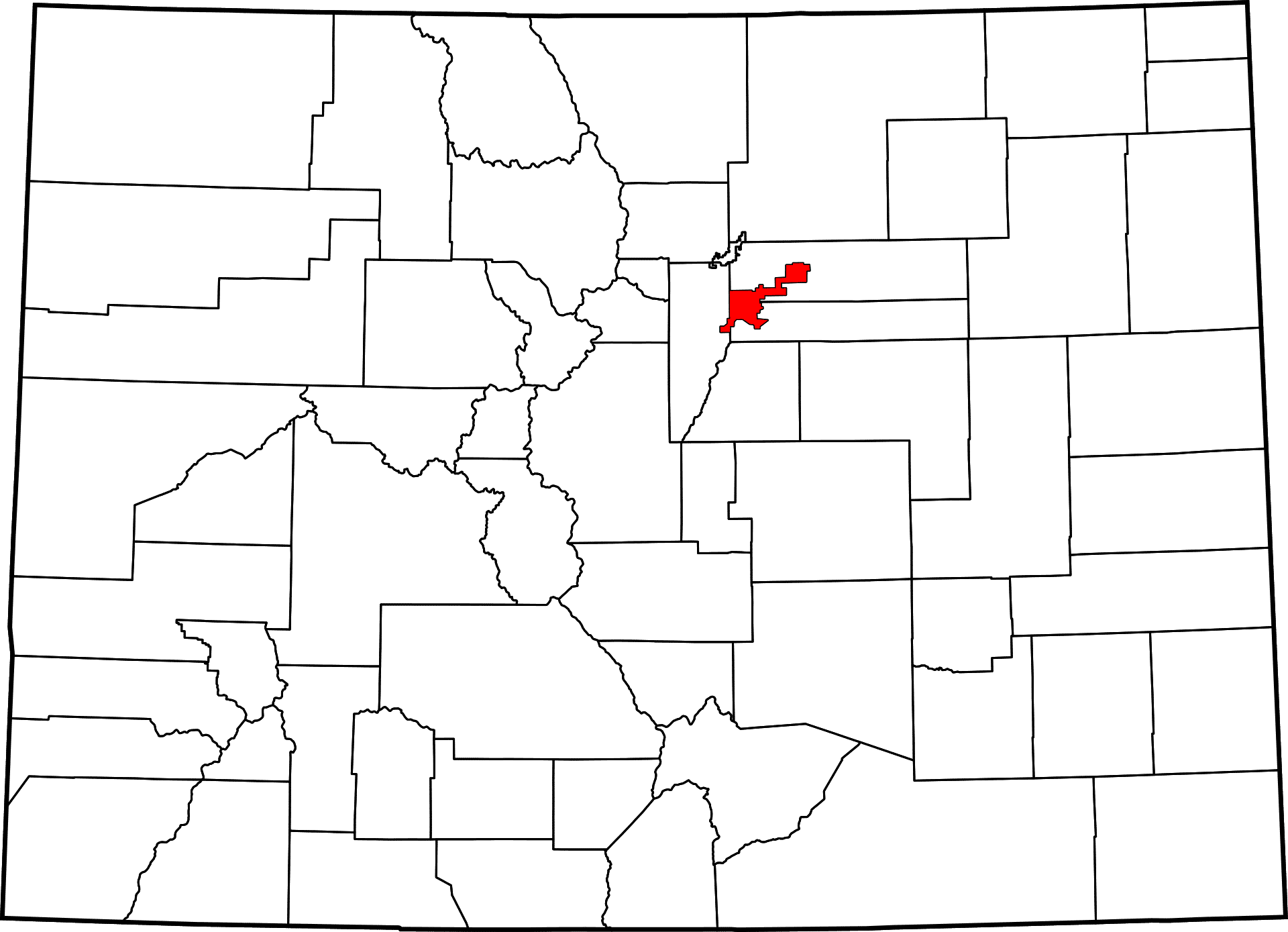
The Unique Administrative Status of Denver
The administrative blueprint of Denver is a fascinating departure from the typical American municipal model. This consolidation of city and county powers under a single governing body is not just a bureaucratic detail; it profoundly shapes the urban landscape, public services, and overall identity of this dynamic metropolis. For travelers, it often translates into a more cohesive and navigable urban experience, where city-wide policies are uniformly applied, and the vision for the destination is singular.
A Consolidated City-County Explained
A consolidated city-county is a governmental entity where the city and county governments have merged into a single jurisdiction. This structure eliminates the often complex and sometimes conflicting administrative layers that exist when a city is merely a part of a larger county. In Denver’s case, it means there isn’t a separate “County of Denver” with its own distinct board of commissioners overseeing areas outside the city limits. Instead, the mayor and city council of Denver serve simultaneously as the executive and legislative bodies for both the municipal and county functions. This unified approach simplifies governance, streamlines decision-making processes, and optimizes resource allocation, impacting everything from infrastructure projects to public safety and cultural programming. For visitors, this can mean a more consistent level of public services and a singular point of contact for administrative matters, which, while not always directly apparent, contributes to the overall efficiency and appeal of the destination. The benefits are often seen in coordinated urban development, a unified public transport system like the RTD, and a cohesive strategy for promoting tourism and economic growth across the entire area.
Historical Context of Denver’s Formation
The genesis of Denver’s consolidated city-county status is rooted in the early 20th century, specifically dating back to a home rule amendment to the Colorado State Constitution in 1902. Prior to this, Denver was the county seat of Arapahoe County. As the city grew rapidly following the Colorado Gold Rush and its establishment as a major railway hub, there was a strong political movement to separate the city from the larger county. The rationale was to gain greater local autonomy and prevent potential conflicts of interest or resource allocation disputes between the rapidly urbanizing city and its more rural county counterparts. The residents of Denver voted to establish themselves as a separate, self-governing entity, culminating in the creation of the City and County of Denver in 1902. This historical decision reflected a forward-thinking vision for urban management, aiming to provide a distinct identity and control over its destiny. This proactive approach to governance laid the groundwork for the city’s subsequent growth and development into the major metropolitan center it is today, offering travelers a destination shaped by deliberate and unified planning.
Impact on Governance and Services
The consolidated city-county structure of Denver profoundly impacts its governance and the delivery of public services, which, in turn, enhances the travel experience. With a single government, there is a clearer line of accountability, reducing bureaucratic red tape and fostering a more agile response to urban challenges and opportunities. For travelers, this often translates into more efficiently managed public spaces, well-maintained infrastructure, and a consistent standard of city services across all neighborhoods. From street cleaning and public safety to park maintenance and cultural event planning, a unified approach ensures resources are allocated strategically. This streamlines city planning, allowing for comprehensive development projects like the revitalization of Union Station or the expansion of the light rail system (RTD), both of which significantly enhance visitor access and experience. Furthermore, the ability to enact unified policies across the entire geographical area of the city-county means that initiatives promoting sustainability, public art, or economic development can be implemented without jurisdictional friction, creating a more harmonious and welcoming environment for everyone, including temporary visitors exploring the city’s many facets.
Denver as a Premier Travel Destination
Beyond its unique administrative structure, Denver shines as a premier travel destination, captivating visitors with its stunning natural backdrop, vibrant urban culture, and an endless array of activities. The city’s status as a consolidated city-county allows for a cohesive approach to showcasing its best attributes, ensuring that every corner of this remarkable urban center offers something compelling for travelers. From the bustling energy of its Downtown Denver core to its leafy green spaces and diverse cultural institutions, Denver offers a rich tapestry of experiences.
Gateway to the Rockies
Strategically positioned at the base of the Rocky Mountains, Denver serves as the ultimate urban gateway to some of North America’s most spectacular natural landscapes. Its proximity to world-class ski resorts, hiking trails, and National Parks like Rocky Mountain National Park makes it an essential starting point for adventure seekers. Travelers often use Denver as a base camp, leveraging its international airport (Denver International Airport) and comprehensive transportation networks to access mountain towns like Golden or Boulder, or ascend iconic peaks such as Mount Evans or even make a longer journey to Pikes Peak. The clear mountain air and stunning vistas are a constant reminder of the majestic wilderness that lies just a short drive away. This unique positioning allows visitors to seamlessly blend an exhilarating urban experience with invigorating outdoor escapades, making Denver a true dual-purpose destination for both city lovers and nature enthusiasts.
Urban Attractions within the City-County
Within its consolidated boundaries, Denver boasts a impressive collection of urban attractions that cater to a wide range of interests. The revitalized Downtown Denver is a hub of activity, featuring the historic Union Station which is not only a transportation nexus but also a vibrant dining and shopping destination. Strolling along the pedestrian-friendly 16th Street Mall, visitors can soak in the city’s energy, enjoy street performances, and explore a plethora of shops and restaurants. Art and culture thrive here, with institutions like the striking Denver Art Museum, known for its extensive collection of Western and Indigenous art, and the serene Denver Botanic Gardens, offering a tranquil escape with diverse plant collections. Sports enthusiasts can catch a game at Coors Field or Ball Arena, while history buffs can delve into the city’s past at the Denver Mint. Each attraction, meticulously integrated into the city’s fabric, benefits from the cohesive planning and development fostered by Denver’s unique governmental structure.
Culinary Scene and Nightlife
Denver’s culinary scene has blossomed into a vibrant landscape, reflecting the city’s innovative spirit and diverse population. From farm-to-table restaurants emphasizing local Colorado ingredients to international eateries offering a global palate, there’s something to satisfy every craving. The city is particularly renowned for its craft brewery scene, with numerous microbreweries and taprooms scattered across neighborhoods like LoDo and the RiNo Art District, providing ample opportunities for tasting unique local brews. Beyond beer, Denver’s nightlife pulses with energy, offering everything from chic cocktail bars and live music venues to comedy clubs and rooftop lounges boasting spectacular city and mountain views. Areas like Larimer Square and Capitol Hill come alive after dark, inviting visitors to experience the city’s dynamic evening atmosphere. This robust culinary and entertainment offering, carefully cultivated and supported by a unified city vision, ensures that evenings in Denver are as engaging and memorable as its daytime explorations.
Navigating Denver: What Travelers Need to Know
For travelers, understanding the layout and transportation options within the City and County of Denver is key to maximizing their experience. The consolidated nature of the city-county simplifies navigation, as policies and infrastructure are uniform across the urban expanse. This consistency allows for a more straightforward and enjoyable exploration, whether you’re interested in historical sites, art districts, or green spaces.
Transportation within the City-County
Navigating Denver is made efficient by its well-developed transportation infrastructure. The Regional Transportation District (RTD) offers an extensive network of buses and light rail lines that connect major attractions, neighborhoods, and even the Denver International Airport to Downtown Denver. For travelers, this means easy access without the need for a car, making it simple to hop between the Denver Art Museum and Coors Field, or explore different dining districts. The free 16th Street MallRide shuttle provides a convenient way to traverse the downtown core, making it highly walkable. Additionally, Denver is a bike-friendly city with numerous bike lanes and rental services, offering a healthy and scenic way to explore. The unified governance of the city-county ensures that these public transport initiatives and urban planning efforts are cohesive and geared towards enhancing accessibility for both residents and visitors alike.
Exploring Diverse Neighborhoods
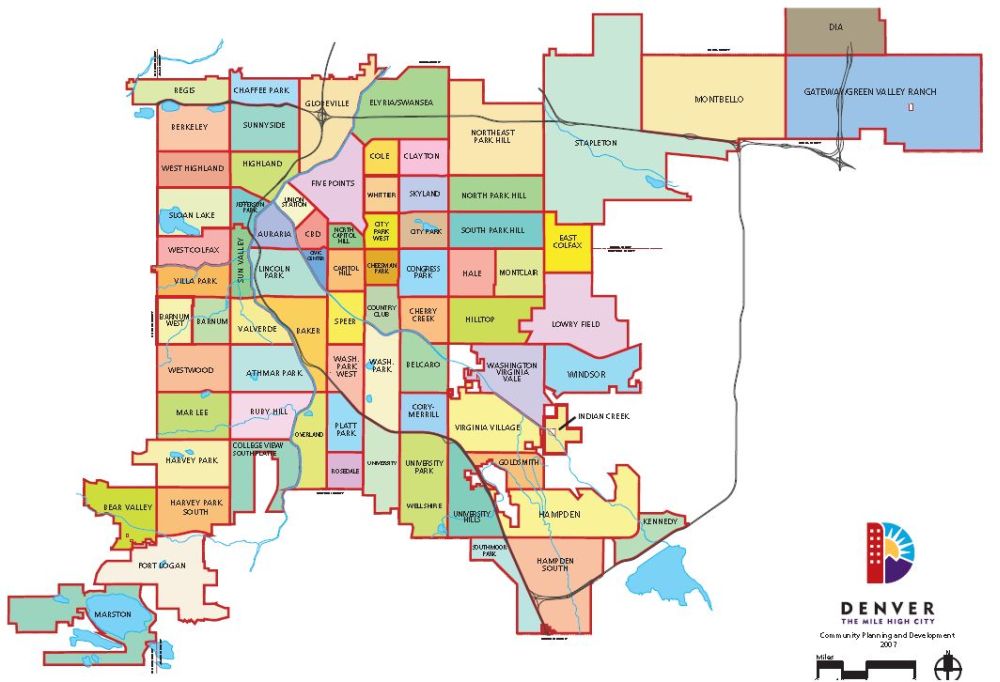
Denver’s character is defined by its diverse and vibrant neighborhoods, each offering a unique flavor and experience for the curious traveler. LoDo (Lower Downtown) is renowned for its historic Victorian architecture, bustling nightlife, and proximity to Union Station. Just north, the RiNo Art District (River North Art District) is a hub of creativity, with colorful street art, galleries, breweries, and innovative eateries, making it a must-visit for art aficionados and foodies. For those seeking upscale shopping and dining, Cherry Creek offers a more refined experience with high-end boutiques and gourmet restaurants. The charming streets of Capitol Hill showcase historic mansions and provide a glimpse into Denver’s past, while the Highlands neighborhood offers panoramic views of the skyline and mountains alongside trendy boutiques and eateries. Exploring these distinct areas, all seamlessly integrated within the City and County of Denver, allows travelers to experience the multifaceted personality of the Mile High City.
Seasonal Travel and Activities
Denver’s appeal as a travel destination extends throughout the year, with each season offering distinct activities and experiences. Spring brings blossoming Denver Botanic Gardens and pleasant weather for exploring outdoor patios and city parks. Summer is ideal for hiking and biking in nearby mountain trails, enjoying outdoor concerts at the legendary Red Rocks Park and Amphitheatre (just outside the city-county but a major draw), and attending numerous festivals within the city limits. Fall transforms the surrounding Rocky Mountains into a riot of golden aspens, perfect for scenic drives, while the city still enjoys mild temperatures. Winter ushers in the ski and snowboard season, with Denver serving as the perfect launchpad to world-class resorts. Within the city, holiday markets, ice skating rinks, and cozy indoor attractions provide winter cheer. The unified city-county government supports a wide range of public events and seasonal programming, ensuring that Denver remains an engaging and dynamic destination no matter the time of year, catering to various traveler preferences and activity levels.
The Broader Regional Context for Travel
While the City and County of Denver is a self-contained administrative entity, its role as a premier travel destination is intrinsically linked to its position within the broader Colorado Front Range region. For travelers, Denver acts not just as a standalone attraction but as a vital hub, connecting urban adventures with expansive natural beauty and charming nearby towns. This regional connectivity is seamlessly facilitated by the absence of complex inter-county jurisdictional disputes that could otherwise hinder integrated tourism initiatives or transportation networks.
Denver’s Role in the Front Range Urban Corridor
Denver stands as the undisputed heart of the Front Range Urban Corridor, a sprawling metropolitan area that stretches along the eastern edge of the Rocky Mountains in Colorado. This consolidated city-county acts as the economic, cultural, and transportation nexus for cities like Boulder, Fort Collins, and Colorado Springs. For travelers, this means Denver is the ideal central point from which to explore the diverse offerings of the entire region. Its Denver International Airport serves as a major gateway to the entire State of Colorado, and its RTD network provides critical links to suburban areas and other urban centers. This strategic positioning allows visitors to experience the vibrant urban culture of the Mile High City, delve into the intellectual and outdoor-focused vibe of Boulder, or venture further south towards attractions like Pikes Peak and the Garden of the Gods without logistical headaches. Denver’s administrative unity within its own borders allows it to project a cohesive influence across the wider region, enhancing the overall travel circuit for visitors.
Seamless Travel Beyond City Borders
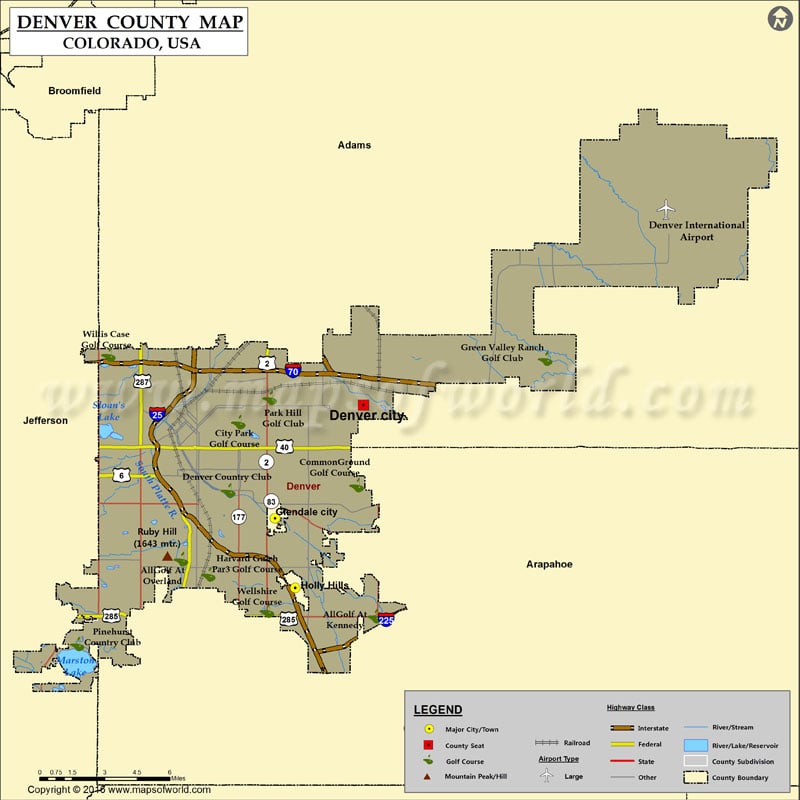
One of the significant advantages for travelers visiting Denver is the ease with which they can extend their exploration beyond the city’s immediate boundaries. While Denver is a consolidated city-county, this administrative structure doesn’t create artificial barriers to regional travel. On the contrary, Denver’s position as a major transportation hub facilitates seamless journeys to neighboring attractions. Day trips to the charming historic town of Golden, home to the Coors Brewery and beautiful hiking trails, or to the adventure-laden city of Boulder with its iconic Flatirons, are straightforward and highly recommended. The accessible highways lead directly into the Rocky Mountains, opening up opportunities for skiing, snowboarding, hiking, and exploring Rocky Mountain National Park or scenic drives up Mount Evans. The unified infrastructure and a traveler-centric approach from both the city and the surrounding areas mean that moving from Denver’s urban core to Colorado’s natural wonders is an effortless part of the overall travel experience, underscoring Denver’s critical role as a gateway to the best of Colorado.
In conclusion, Denver, Colorado is not simply a city within a county; it is its own county. This unique consolidated city-county status, born from early 20th-century foresight, underpins much of what makes Denver such an appealing and well-organized travel destination. For visitors, it translates into a cohesive urban experience, from streamlined public services to integrated urban planning that nurtures its vibrant neighborhoods, world-class attractions, and dynamic culinary scene. As the “Mile High City” and the quintessential gateway to the majestic Rocky Mountains, Denver’s singular administrative identity allows it to effectively manage its growth while enhancing its reputation as a premier destination that seamlessly blends urban sophistication with unparalleled access to outdoor adventure. Whether exploring its diverse districts, enjoying its cultural offerings, or using it as a launchpad for Colorado’s natural wonders, Denver offers an engaging and memorable journey for every traveler.
LifeOutOfTheBox is a participant in the Amazon Services LLC Associates Program, an affiliate advertising program designed to provide a means for sites to earn advertising fees by advertising and linking to Amazon.com. Amazon, the Amazon logo, AmazonSupply, and the AmazonSupply logo are trademarks of Amazon.com, Inc. or its affiliates. As an Amazon Associate we earn affiliate commissions from qualifying purchases.