
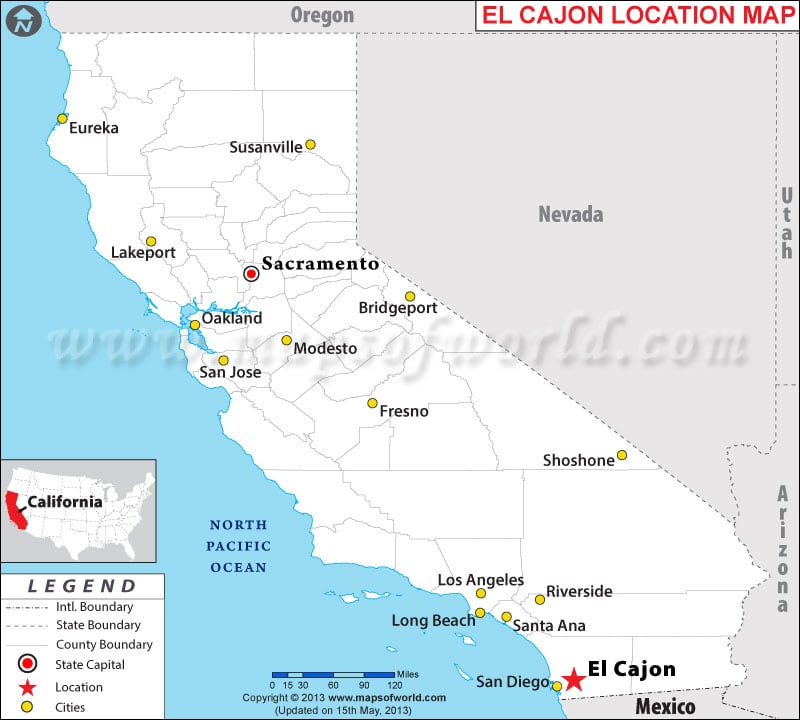
Travelers seeking to uncover the diverse landscapes and vibrant communities of Southern California often start with foundational questions about geography. For those considering a visit to El Cajon, understanding its precise location is the first step in unlocking a wealth of experiences. El Cajon, a prominent city known for its rich history, burgeoning community, and strategic location, is situated firmly within San Diego County, California. This placement not only defines its administrative boundaries but also profoundly influences its climate, culture, and access to a myriad of regional attractions, making it an excellent base for exploring the greater San Diego area.
Discovering San Diego County: The Home of El Cajon
San Diego County stands as the southwesternmost county in California and the United States, celebrated for its stunning coastline, rugged mountains, and expansive desert landscapes. Its sheer size and geographical diversity mean that it encompasses a wide array of environments, from the sun-drenched beaches of La Jolla to the arid beauty of Anza-Borrego Desert State Park and the forested peaks of Palomar Mountain. El Cajon itself lies nestled in a valley approximately 17 miles east of Downtown San Diego, placing it squarely within the county’s inland region, often referred to as East County.
Geographical Overview and Significance
San Diego County’s geography is exceptionally varied, offering travelers a spectrum of natural beauty and recreational opportunities. The western part of the county is dominated by 70 miles of picturesque coastline, attracting surfers, sunbathers, and nature enthusiasts. Moving eastward, the landscape transitions through urban and suburban areas, including cities like El Cajon, before rising into the Laguna Mountains and reaching the high desert. This unique geographical tapestry means that visitors to El Cajon are just a short drive from coastal adventures, mountain hikes, and even desert exploration. Knowing that El Cajon is in San Diego County immediately clues travelers into the breadth of experiences available nearby, from world-class cultural institutions in the city to serene natural escapes. The county’s extensive network of state parks, regional preserves, and wilderness areas makes it an outdoor enthusiast’s paradise, all accessible from a central point like El Cajon.
The Climate and Landscape
The climate within San Diego County varies significantly depending on proximity to the coast, elevation, and specific microclimates. El Cajon, being inland, experiences a Mediterranean climate characterized by hot, dry summers and mild, wet winters. This differs from the cooler, more temperate coastal zones but avoids the extreme heat often found in the desert regions further east. Summer temperatures in El Cajon can frequently exceed 90°F (32°C), while winters are generally pleasant, with average highs in the 60s°F (15-20°C). This distinct climate shapes the local flora and fauna, making the region ideal for cultivating specific agricultural products and supporting native chaparral and oak woodlands. The natural landscape around El Cajon offers rolling hills, seasonal creek beds, and glimpses of the larger mountain ranges, providing a scenic backdrop for the city and a natural playground for hiking and cycling.
El Cajon: A Hidden Gem in the San Diego Region
Often overshadowed by its more famous coastal neighbors, El Cajon is a dynamic city with a distinct identity and an important role within San Diego County. Its name, derived from the Spanish phrase “el cajón,” meaning “the box” or “the drawer,” refers to the valley in which it is situated, surrounded by hills. This historical nomenclature hints at the city’s geographical characteristics and its early agricultural roots.
Historical Roots and Cultural Tapestry
The history of El Cajon traces back to the 19th century when it was part of a large Mexican land grant. Over time, it evolved from a farming community, known for its vineyards and orchards, into a bustling city. The arrival of the railroad in the late 19th century further spurred its growth, connecting it more closely with San Diego. Today, El Cajon boasts a rich cultural tapestry, home to a diverse population that contributes to its unique character. This diversity is reflected in its local cuisine, community events, and vibrant neighborhoods. Exploring El Cajon offers a glimpse into a different facet of Southern California life, one that blends historical charm with modern suburban living. The city takes pride in its past, with historical markers and community efforts to preserve its heritage, while simultaneously embracing growth and innovation.
Modern Day El Cajon: Economy and Community
In contemporary times, El Cajon serves as a significant economic hub for East County, with a robust retail sector, various industries, and a growing presence in education and healthcare. Its strategic location at the intersection of major freeways (Interstate 8, State Route 67, and State Route 52) makes it easily accessible and an attractive place for businesses and residents alike. The community spirit in El Cajon is strong, evidenced by numerous local parks, recreational facilities, and organized events that foster a sense of belonging. Travelers will find a welcoming atmosphere, with opportunities to engage with local life, from farmers’ markets to community festivals. The city’s investment in public spaces and amenities ensures that visitors have access to green areas, sports facilities, and cultural venues that enhance their travel experience.
Exploring Attractions Around El Cajon
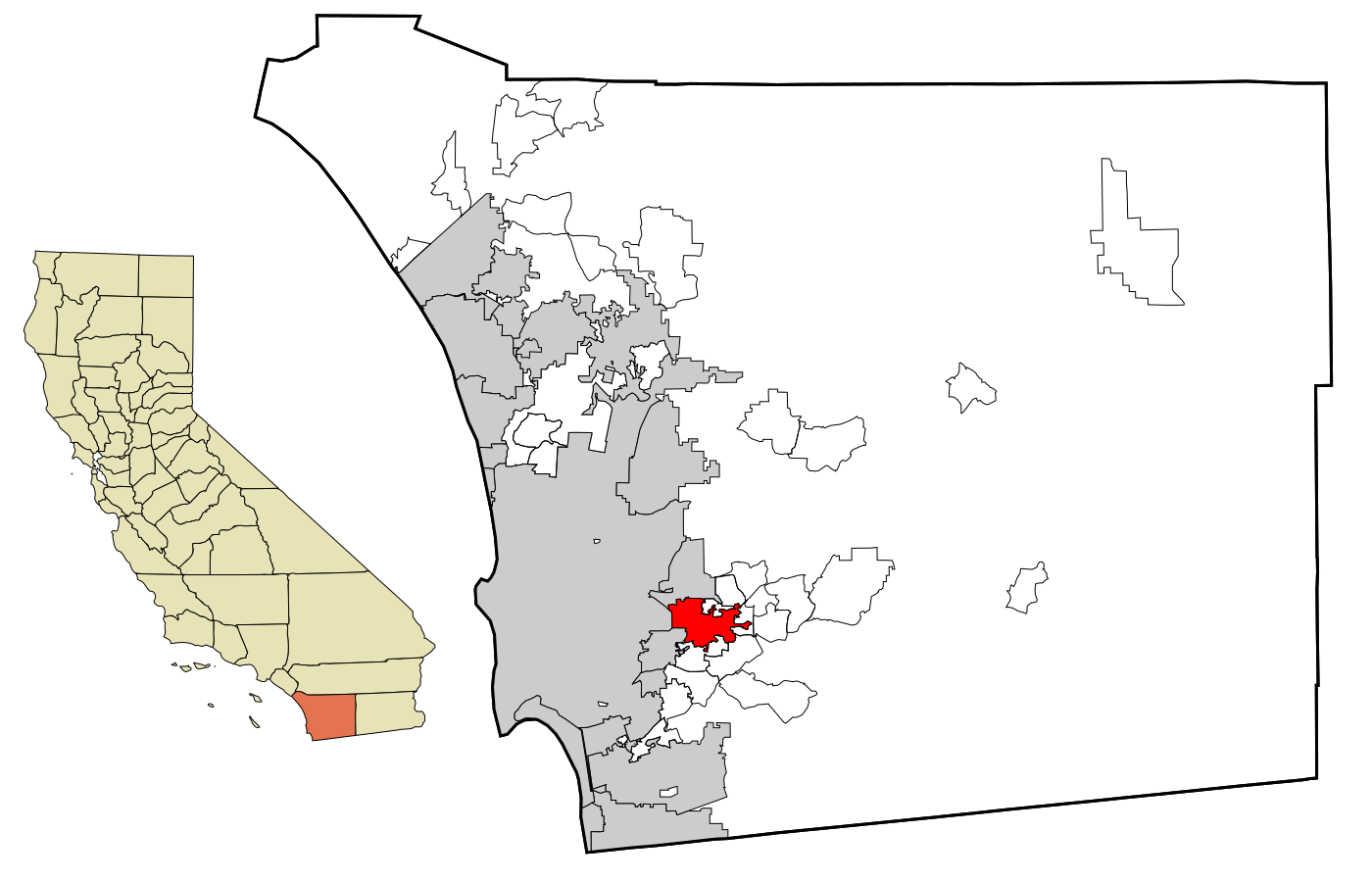
One of El Cajon’s greatest assets for travelers is its proximity to a wide array of attractions across San Diego County. Being centrally located in East County means easy access to the metropolitan delights of San Diego, the natural wonders of the mountains and desert, and the recreational opportunities of nearby lakes and parks.
Outdoor Adventures and Natural Beauty
For those who crave the outdoors, El Cajon is an ideal starting point. Just east, the Laguna Mountains offer cooler temperatures, pine forests, and miles of hiking and biking trails, especially within Cuyamaca Rancho State Park and the Cleveland National Forest. In winter, Mount Laguna sometimes receives snow, offering a unique Southern California experience. Closer to the city, Mission Trails Regional Park, one of the largest urban parks in the United States, provides extensive trails for hiking, mountain biking, and rock climbing, alongside historical sites like the Old Mission Dam. For water enthusiasts, Lake Jennings and Lake Murray offer fishing, boating, and scenic picnic spots. Furthermore, the world-renowned beaches of San Diego, including Coronado and Pacific Beach, are a convenient drive away, perfect for a day trip of sun and surf.
Cultural Hotspots and Entertainment
While El Cajon itself has local attractions like the Knox House Museum and various community theaters, its location in San Diego County opens up a world of cultural and entertainment options. A short drive west will bring travelers to the heart of San Diego, home to iconic destinations such as Balboa Park, a sprawling urban cultural park housing 17 museums, multiple theaters, gardens, and the famous San Diego Zoo. The historic Gaslamp Quarter offers vibrant nightlife, diverse dining, and live music venues. For a taste of history, Old Town San Diego State Historic Park provides a fascinating glimpse into California’s birthplace. East County also has its own entertainment draws, including the Sycuan Casino Resort, offering gaming, live performances, and dining experiences, reflecting the rich cultural diversity of the region, including the influence of the Kumeyaay Nation.
Family-Friendly Fun
Families traveling to El Cajon and San Diego County will find an abundance of kid-friendly activities. Beyond the San Diego Zoo, options include LEGOLAND California (a bit further north but still within reach), SeaWorld San Diego, and the San Diego Zoo Safari Park in Escondido. Closer to El Cajon, local parks and community centers provide playgrounds and organized activities. The lakes offer opportunities for boating and fishing, creating memorable family outings. The variety ensures that every age group finds something to enjoy, making El Cajon an accessible base for a family vacation focused on exploration and entertainment.
Planning Your Visit: Travel Tips and Accessibility
Understanding El Cajon’s county location is crucial for practical travel planning, affecting everything from transportation to accommodation choices.
Getting There and Around
El Cajon is easily accessible by car, positioned along major interstate and state routes. The primary gateway for air travelers is San Diego International Airport (SAN), located approximately 20 miles west. From the airport, visitors can rent a car, use ride-sharing services, or take public transportation to reach El Cajon. While a car is highly recommended for exploring San Diego County, particularly if you plan to visit mountains, deserts, and multiple cities, El Cajon does have access to the San Diego Metropolitan Transit System (MTS) bus and trolley lines, connecting it to Downtown San Diego and other key areas. This public transit option can be useful for those preferring not to drive in congested areas or for specific day trips.
Accommodation Options
As a well-established city, El Cajon offers a range of accommodation options to suit various budgets and preferences. Travelers can find numerous hotels, from budget-friendly motels to mid-range chains, as well as extended-stay properties. Many of these are conveniently located near major freeways, providing easy access to surrounding attractions. For those seeking a more unique stay, there are also vacation rentals available through various platforms, offering a chance to experience local neighborhoods. Staying in El Cajon can often provide better value than staying directly on the coast or in Downtown San Diego, while still keeping all major attractions within a reasonable driving distance.

Best Time to Visit
Given its Mediterranean climate, El Cajon and San Diego County are pleasant to visit year-round. However, the best time largely depends on your travel preferences. Spring (March to May) offers comfortable temperatures, blooming wildflowers, and fewer crowds, making it ideal for outdoor activities. Summer (June to August) is peak tourist season, with hot temperatures in El Cajon but perfect beach weather closer to the coast. Fall (September to November) brings warm days, cooler evenings, and often clearer skies, perfect for hiking and wine tasting in nearby regions like Ramona Valley. Winter (December to February) is mild, with occasional rain, but still offers plenty of sunny days, making it an excellent escape from colder climates elsewhere. Understanding these seasonal variations will help travelers plan their itinerary to best enjoy El Cajon and the extensive offerings of San Diego County.
LifeOutOfTheBox is a participant in the Amazon Services LLC Associates Program, an affiliate advertising program designed to provide a means for sites to earn advertising fees by advertising and linking to Amazon.com. Amazon, the Amazon logo, AmazonSupply, and the AmazonSupply logo are trademarks of Amazon.com, Inc. or its affiliates. As an Amazon Associate we earn affiliate commissions from qualifying purchases.