
The question, “What county is Florida?” might seem disarmingly simple, but it points to a fundamental misunderstanding of geographical and political organization within the United States. Florida is not a county; it is a state, one of the fifty that constitute the United States of America. To understand this distinction is to grasp the layered structure of governance and identity that shapes the American landscape, influencing everything from local attractions and cultural nuances to the very fabric of tourism within its borders. This exploration delves into the nature of states and counties, their roles in governing and defining regions, and how this structure underpins the rich tapestry of travel experiences offered by the Sunshine State.
Understanding the Hierarchy: State vs. County
At the apex of the American administrative system sits the federal government, followed by the states, and then, at a more local level, counties and municipalities. A state is a sovereign entity within the United States, possessing its own government, laws, and constitution, while also adhering to the U.S. Constitution. Florida, therefore, functions as a distinct political division, responsible for a wide array of public services and the regulation of its vast territory.
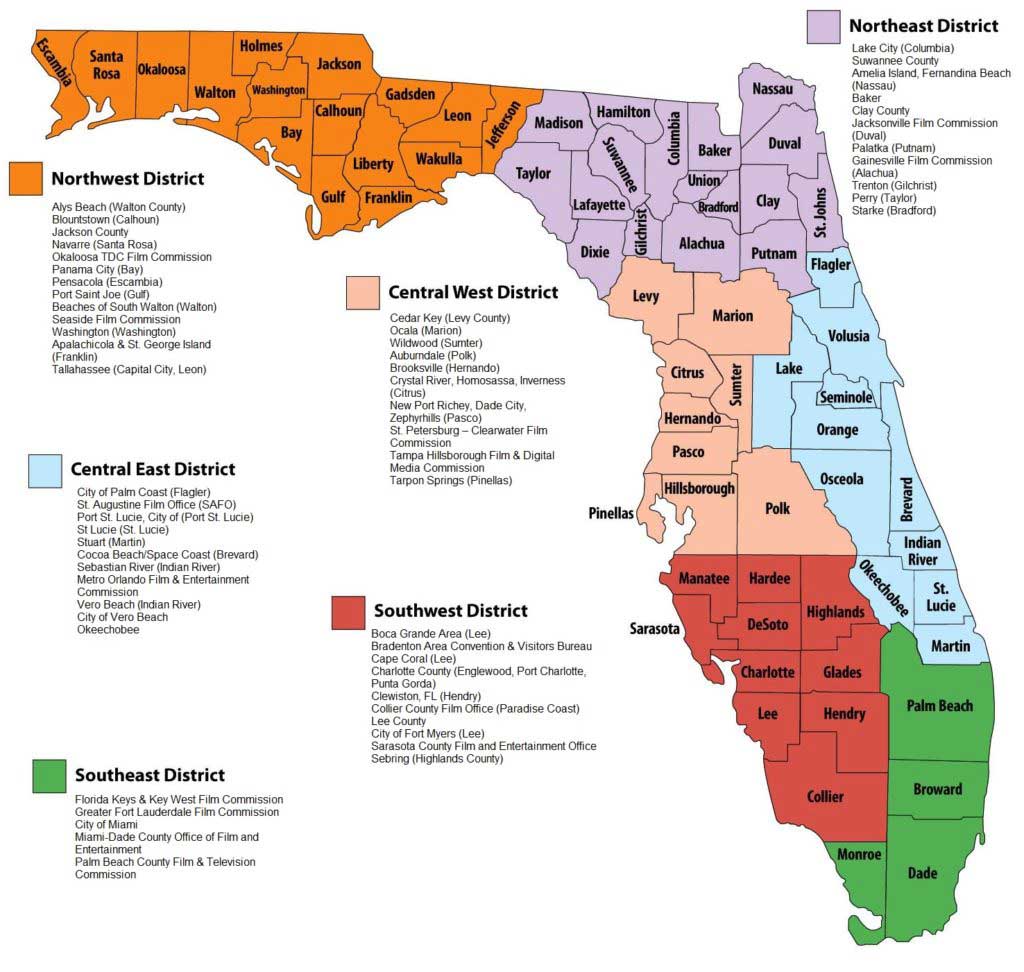
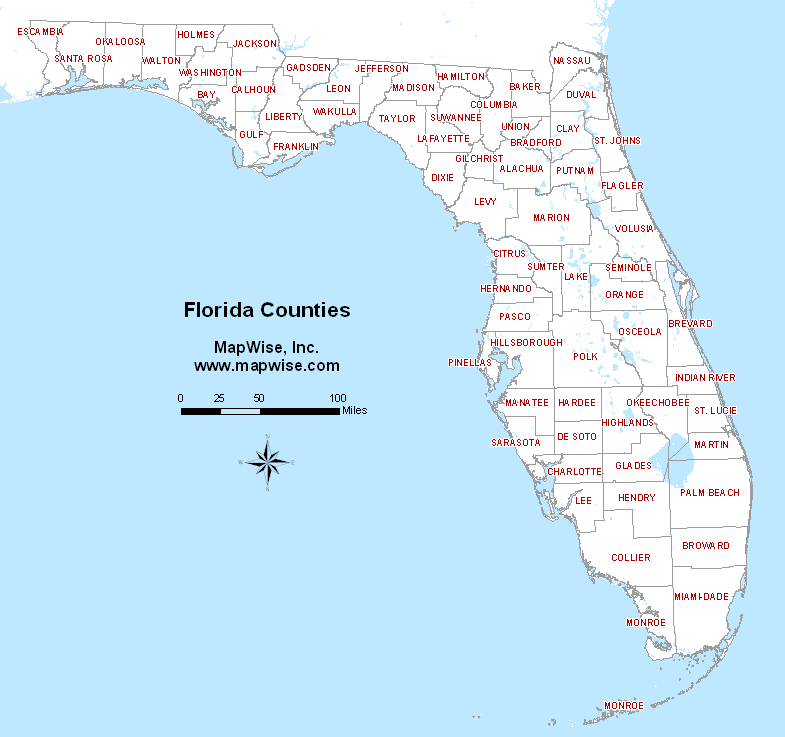
Counties, on the other hand, are administrative subdivisions of a state. They are created by the state government to help manage state affairs at a more localized level. Think of them as regional arms of the state, tasked with functions like maintaining roads, administering elections, providing law enforcement, and managing public records. Each state is divided into numerous counties, and the number varies significantly. Florida itself is comprised of 67 counties, each with its own unique character, history, and set of services.
The Role of Counties in Governance and Identity
The designation of counties is not merely an administrative detail; it shapes local identity and influences the practicalities of life and travel within a state. For instance, when seeking information about a particular region within Florida, it’s essential to know which county it falls within. This is because county governments are often the primary providers of specific services and may have unique regulations or local ordinances.
Consider the administration of tourism. While the State of Florida promotes itself as a unified destination, individual counties often play a crucial role in developing and marketing their specific attractions. A visitor interested in the Everglades National Park might be looking for information on services and access points within Miami-Dade County or Monroe County, rather than general state-level information. Similarly, a historical inquiry about the founding of a town might lead to research into the establishment of its parent county.
Exploring Florida’s Counties: A Gateway to Diverse Experiences
Understanding that Florida is a state composed of counties opens up a world of exploration, allowing for a more nuanced appreciation of the diverse travel and tourism opportunities it offers. Each of the 67 counties boasts its own distinct flavor, from the vibrant urban energy of Miami-Dade to the laid-back charm of the Florida Panhandle counties.
Geographic and Cultural Distinctions
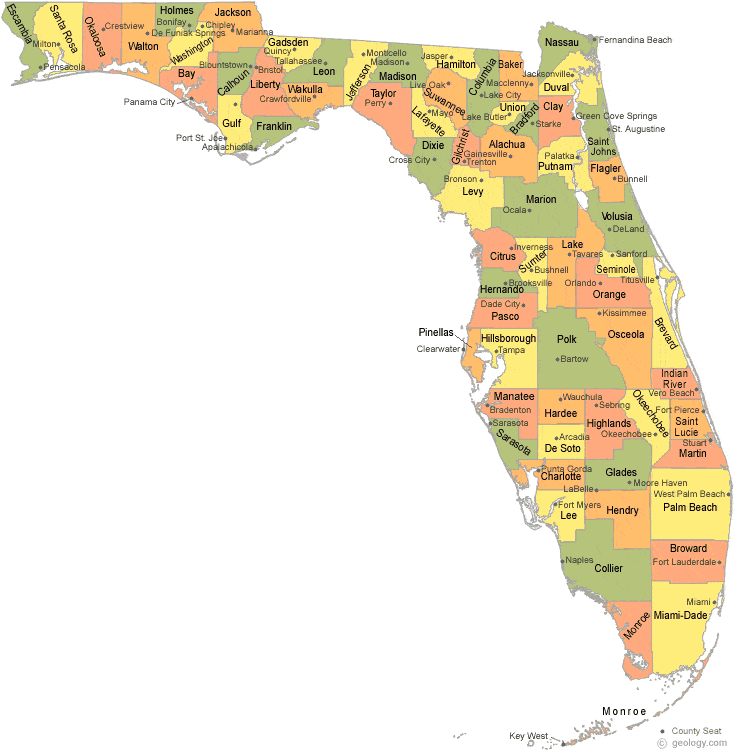
The sheer size and geographic diversity of Florida mean that its counties exhibit significant differences. Northern counties, like Duval County, home to Jacksonville, share more cultural and historical ties with the American South, while South Florida counties, such as Palm Beach County, have a distinct Latin American and Caribbean influence. The central region, dominated by counties like Orange County, is synonymous with world-renowned theme parks and family entertainment, while the western coast, in counties like Hillsborough County, offers pristine beaches and a more relaxed coastal lifestyle.
County-Specific Attractions and Activities
When planning a trip to Florida, identifying the specific counties you wish to visit can significantly enhance your experience. For example:
- Orange County: This is the heart of Orlando‘s entertainment district, home to Walt Disney World Resort, Universal Orlando Resort, and numerous other family-friendly attractions. It’s a destination for thrilling adventures and immersive experiences.
- Miami-Dade County: This vibrant county offers a cosmopolitan blend of cultures. Visitors can explore the trendy streets of Miami Beach, the art deco charm of the Art Deco Historic District, the lush landscapes of the Biscayne National Park, and the cultural melting pot of Little Havana.
- Pinellas County: Located on the Gulf Coast, this county is famed for its stunning beaches, including those at Clearwater Beach and St. Pete Beach. It also boasts a thriving arts scene in St. Petersburg and excellent opportunities for water sports and fishing.
- Lee County: Further south on the Gulf Coast, Lee County is known for its beautiful islands like Sanibel Island and Captiva Island, renowned for shelling and natural beauty. It also offers vibrant city life in Fort Myers.
- Escambia County: In the westernmost part of the Florida Panhandle, Escambia County is home to the historic city of Pensacola, with its rich naval history and pristine beaches along the Gulf of Mexico.
Planning Your Florida Itinerary: A County-Conscious Approach
When embarking on a journey to Florida, adopting a county-conscious approach can lead to a more organized, fulfilling, and authentic travel experience. Instead of viewing Florida as a monolithic entity, understanding its constituent counties allows for targeted exploration of specific interests, whether they lie in theme park thrills, cultural immersion, or natural beauty.
Navigating Local Amenities and Services
Local amenities and services are often managed at the county level. This includes everything from the quality of local parks and recreation facilities to the availability of public transportation within a specific region. For instance, if you’re planning a road trip and need information on road conditions or local driving laws, consulting resources specific to the county you’ll be traveling through can be invaluable. Similarly, understanding the local tax structures or zoning regulations can be important for longer stays or for those considering real estate in a particular area.
Leveraging County-Specific Tourism Boards and Resources
Many counties in Florida have their own dedicated tourism boards or offices of tourism. These organizations are excellent resources for uncovering hidden gems, local events, and detailed information about attractions within their specific jurisdiction. They often provide maps, guides, and recommendations tailored to the unique offerings of their county, going beyond the general promotions of the state tourism department. Engaging with these local resources can lead to discovering lesser-known parks, family-owned restaurants, or cultural festivals that might otherwise be missed.
For the discerning traveler, understanding the administrative divisions of Florida—that it is a state comprised of 67 counties—is not just an academic exercise. It is a practical key to unlocking a richer, more personalized experience of this diverse and dynamic American destination. By appreciating the role of each county, travelers can better navigate its offerings, connect with its unique cultures, and truly discover the multifaceted charm of the Sunshine State.
LifeOutOfTheBox is a participant in the Amazon Services LLC Associates Program, an affiliate advertising program designed to provide a means for sites to earn advertising fees by advertising and linking to Amazon.com. Amazon, the Amazon logo, AmazonSupply, and the AmazonSupply logo are trademarks of Amazon.com, Inc. or its affiliates. As an Amazon Associate we earn affiliate commissions from qualifying purchases.