
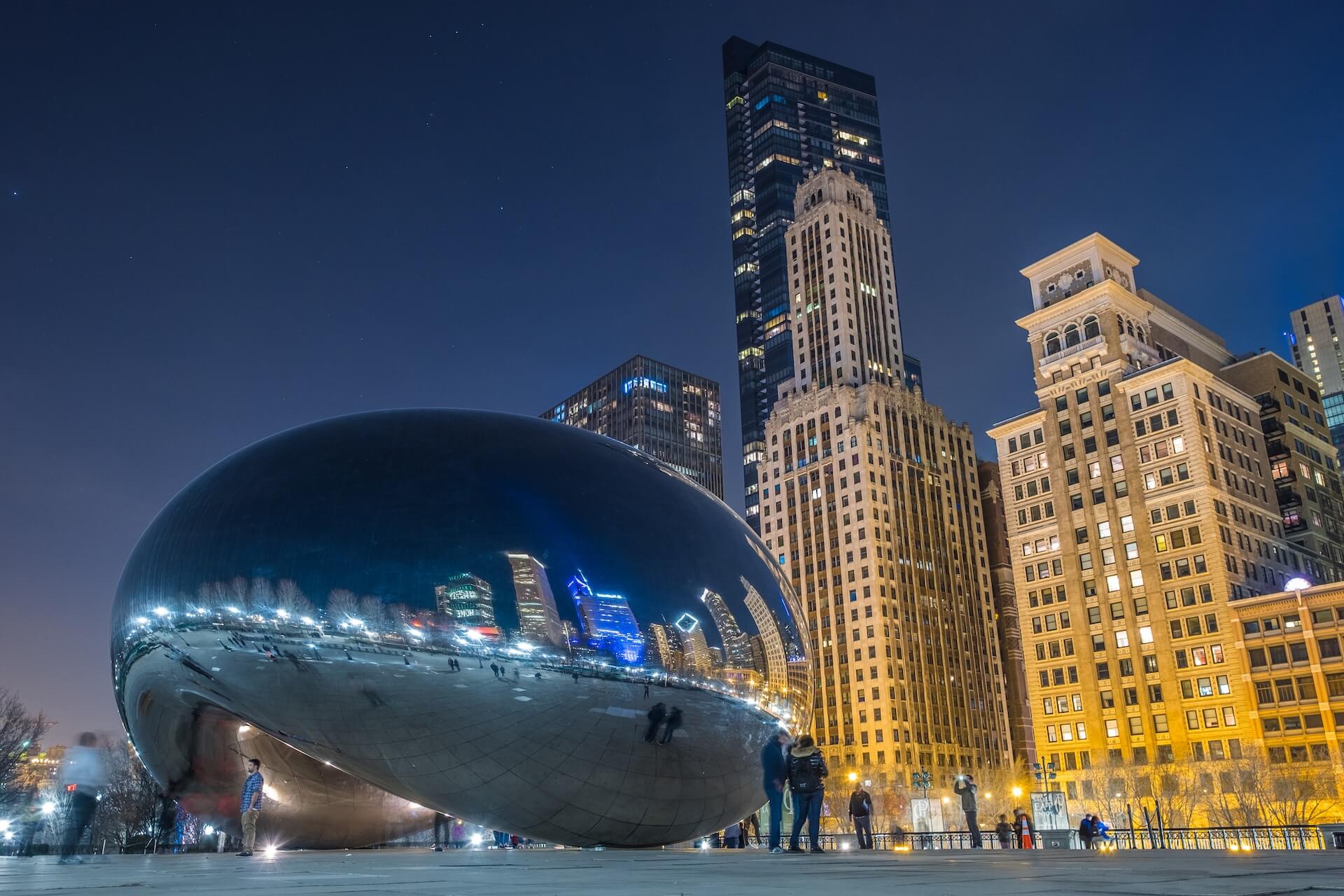
The iconic Cloud Gate sculpture, affectionately known by locals and tourists alike as the “Chicago Bean,” stands as a gleaming testament to modern art and a beloved landmark in the heart of Chicago. Its polished, reflective surface offers a distorted yet captivating panorama of the city’s skyline and the bustling crowds that gather around it. But behind this seemingly simple, legume-shaped marvel lies a fascinating story of artistic vision, meticulous engineering, and the dedication of the individuals who brought it to life. The question “Who Made Chicago Bean?” opens a portal into the world of its creator, the process of its creation, and its enduring impact on the urban landscape.
The Visionary Artist: Anish Kapoor
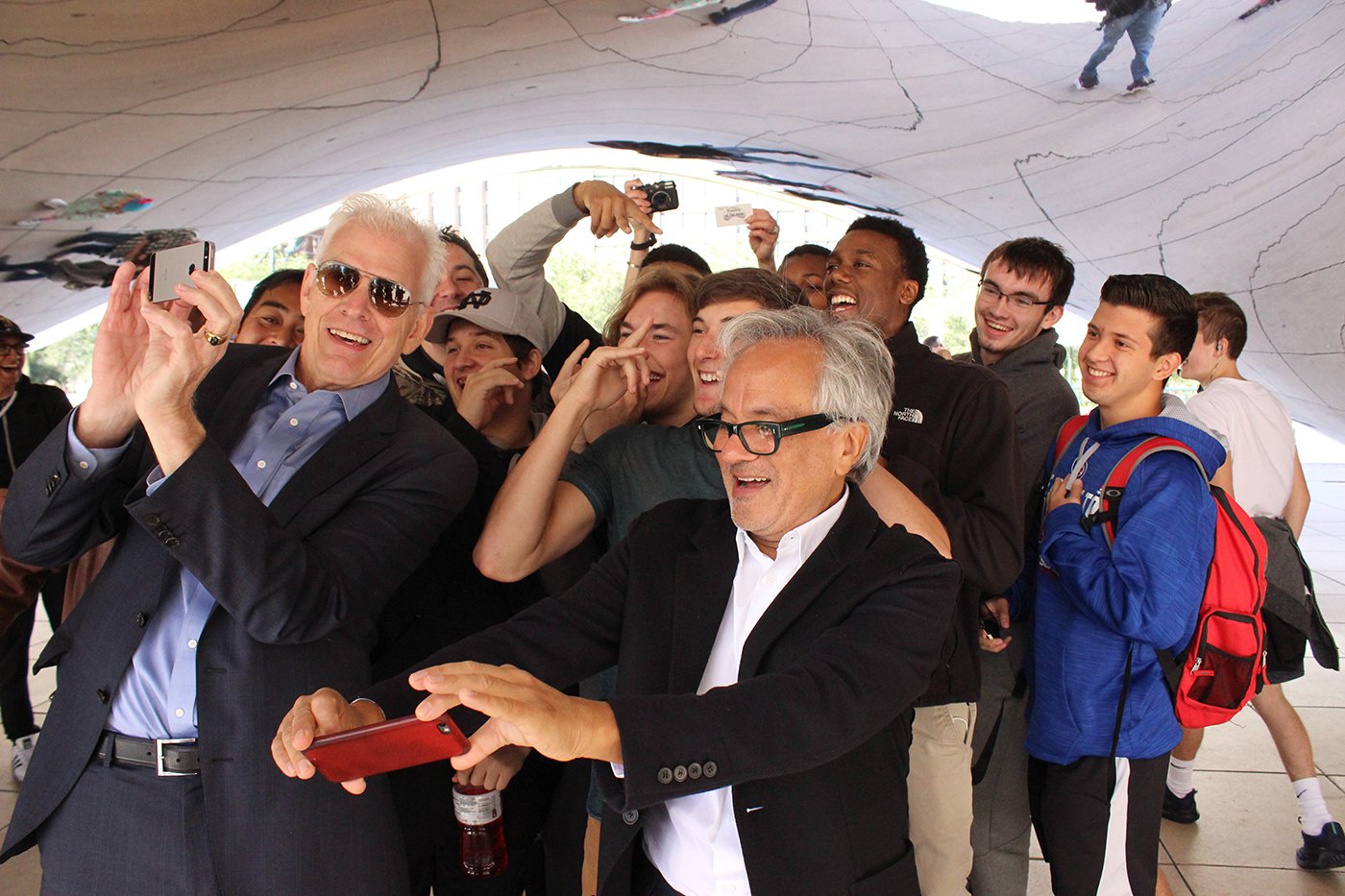
The genius behind the Chicago Bean is the internationally acclaimed British-Indian sculptor Anish Kapoor. Known for his monumental and often thought-provoking works, Kapoor has a distinctive style that plays with form, reflection, and the viewer’s perception of space. His design for Cloud Gate was born from a competition held by the Public Art Committee for the new Millennium Park. The objective was to create a centerpiece that would be both aesthetically striking and interactive, drawing people into its form and offering them a unique experience of their surroundings.
Anish Kapoor‘s initial concept was to capture the vastness of the sky and the dynamic energy of the city within a single, fluid form. He envisioned a surface that would be as reflective as water, mirroring the heavens and the urban environment in a continuous, ever-changing tableau. The name “Cloud Gate” itself speaks to this ambition, suggesting a portal through which one might glimpse the ethereal beauty of the clouds, or perhaps a gateway to a different perspective of reality. The nickname “Chicago Bean” emerged organically from the public due to its shape, a testament to its immediate connection with the people it serves.
Kapoor‘s artistic philosophy often involves exploring themes of duality, such as presence and absence, solid and void, light and shadow. With Cloud Gate, he masterfully employs reflection to create a sense of immateriality and to dissolve the boundaries between the artwork, the viewer, and the environment. The seamless, mirrored exterior invites touch and interaction, encouraging visitors to explore their own reflections and to see the familiar city from entirely new angles. This interactive quality is a hallmark of Kapoor‘s most successful public art installations, transforming passive observation into an engaging, personal experience.
The Engineering Marvel: Bringing the Bean to Life
Creating a sculpture as massive and as flawlessly finished as the Chicago Bean was not simply an artistic endeavor; it was a monumental feat of engineering and craftsmanship. The sheer scale of the piece—measuring 33 feet long, 13 feet high, and 24 feet wide, and weighing 112 tons—presented significant challenges. The choice of materials, the methods of construction, and the precision required were all critical to achieving Anish Kapoor‘s vision.
The sculpture is constructed from 168 highly polished, seamlessly welded stainless steel plates. The process of shaping these plates and joining them without any visible seams was incredibly complex. It required specialized metalworking techniques and a team of highly skilled artisans. The reflective surface is achieved through an intensive polishing process that took over a year to complete. Each plate had to be individually ground and polished to achieve a mirror-like finish, ensuring that the reflections were clear and undistorted.
One of the most innovative aspects of the Chicago Bean‘s construction was the innovative use of computer-aided design (CAD) and advanced welding technologies. The team had to develop new methods to create the sculpture’s curvature and to ensure its structural integrity. The inner framework, which supports the outer shell, is made of steel beams, meticulously designed to bear the immense weight and to withstand the forces of wind and weather.
The installation of the Chicago Bean was another critical phase. The sculpture was fabricated in sections and then transported to Millennium Park for assembly. The sheer weight of the individual pieces meant that specialized cranes and lifting equipment were necessary. The seamless integration of these sections was paramount to the sculpture’s aesthetic appeal, and the team worked with extraordinary precision to ensure that no joints or welds were visible from the exterior. The entire process, from conception to installation, took approximately four years, a testament to the complexity and ambition of the project.
The Legacy of Cloud Gate
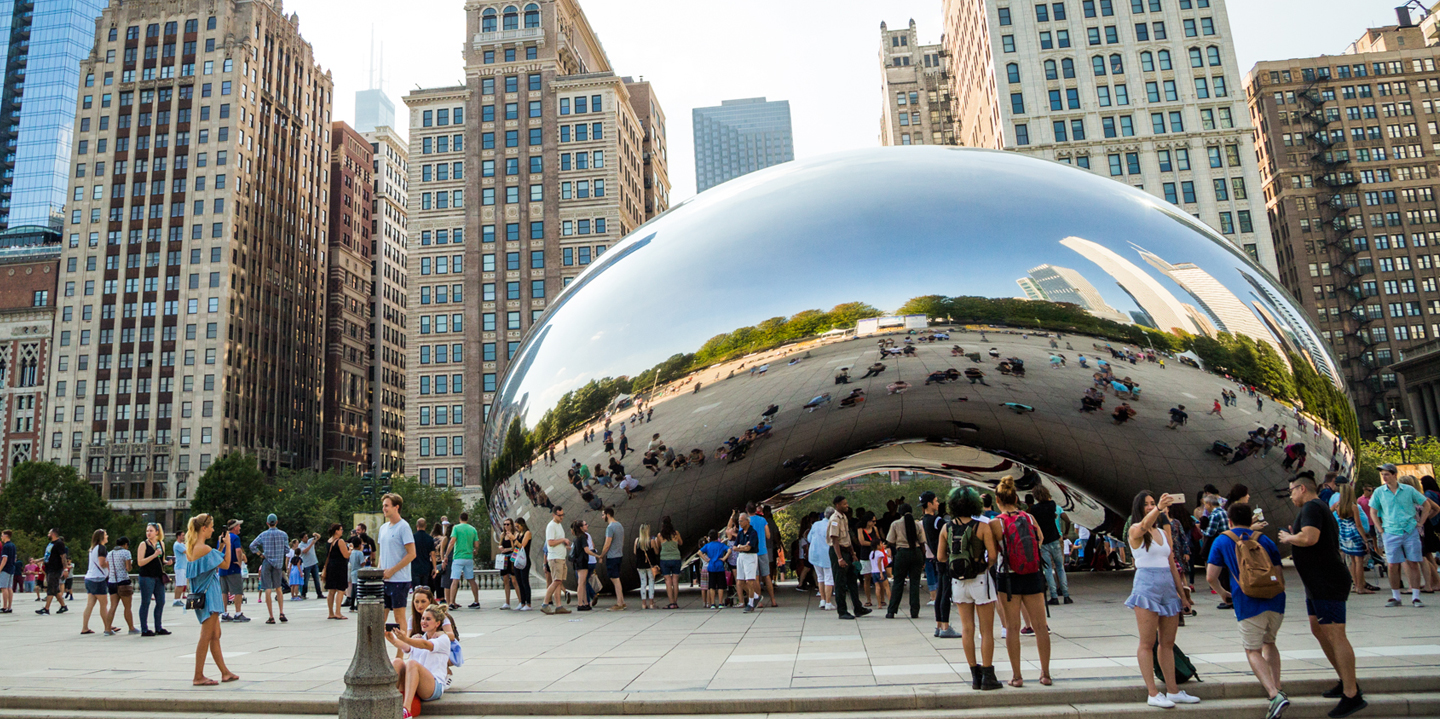
Since its unveiling in 2006, the Chicago Bean has become an indispensable part of the Chicago experience. It has transcended its status as a mere work of art to become a cultural icon and a symbol of the city itself. Its presence in Millennium Park has contributed significantly to the park’s popularity, drawing millions of visitors annually who come to marvel at its unique form and to capture memorable photographs.
The Chicago Bean‘s impact extends beyond tourism and aesthetics. It has fostered a sense of community and shared experience. Visitors from all walks of life, ages, and nationalities gather around the sculpture, united by their fascination with its reflective surface and the playful interactions it encourages. Children chase their reflections, couples pose for romantic shots, and tourists capture the iconic skyline distorted in its curves. This democratic engagement with art is a key element of its success.
Furthermore, the Chicago Bean has inspired countless other public art projects and has cemented Millennium Park‘s reputation as a world-class destination for art and culture. It stands as a powerful example of how public art can transform urban spaces, create memorable experiences, and become an integral part of a city’s identity. The question “Who Made Chicago Bean?” is answered by acknowledging the visionary artist, Anish Kapoor, and the dedicated team of engineers and artisans who collaborated to create this extraordinary landmark, a sculpture that continues to captivate and inspire. The enduring allure of the Chicago Bean lies not just in its physical form, but in the shared moments of wonder and connection it continues to generate.
LifeOutOfTheBox is a participant in the Amazon Services LLC Associates Program, an affiliate advertising program designed to provide a means for sites to earn advertising fees by advertising and linking to Amazon.com. Amazon, the Amazon logo, AmazonSupply, and the AmazonSupply logo are trademarks of Amazon.com, Inc. or its affiliates. As an Amazon Associate we earn affiliate commissions from qualifying purchases.