
The vibrant, dazzling, and endlessly entertaining metropolis of Las Vegas, Nevada, is a place that conjures images of glittering casinos, world-class shows, and an atmosphere of constant excitement. Many visitors flock to this iconic city for its unique blend of luxury and indulgence, seeking out the perfect hotel or exploring the myriad of attractions that define its landscape. However, amidst the planning for show tickets, dinner reservations, and a comfortable accommodation, a fundamental question often arises: What county is Las Vegas, Nevada? This seemingly simple query is the bedrock of understanding the administrative and geographical context of this world-renowned destination.
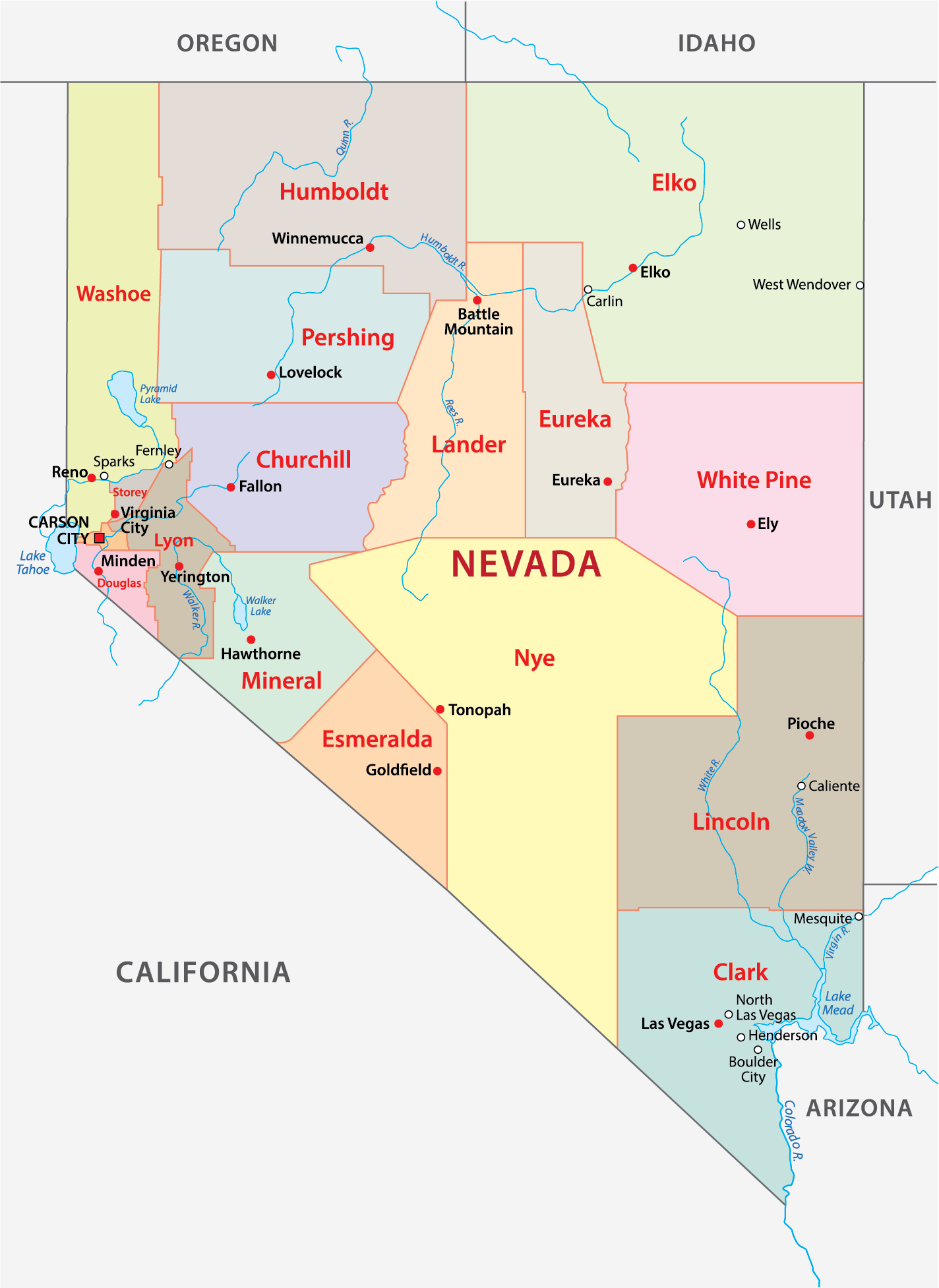
Understanding the county of Las Vegas is not just an academic exercise; it has practical implications for residents and visitors alike. It influences local governance, services, and even the specific regulations that govern businesses and activities within its bounds. For travelers, while the address might simply read “Las Vegas, Nevada,” knowing the underlying county can offer insights into local history, cultural nuances, and the broader regional context of their chosen destination. This article aims to demystify the administrative structure of Las Vegas, answering the core question of its county affiliation and exploring how this knowledge can enhance your travel experience and understanding of this remarkable city.
Unveiling the County: The Heart of Las Vegas
At its core, Las Vegas is situated within Clark County, Nevada. This is the most populous county in the entire state, a testament to the significant growth and development that the region has experienced, largely driven by the allure of Las Vegas. Clark County encompasses not only the city of Las Vegas itself but also a vast expanse of surrounding areas, including other notable cities like Henderson, North Las Vegas, and Boulder City. This broad administrative area means that many of the iconic attractions and landmarks that people associate with Las Vegas are, in fact, located within Clark County, even if they are not strictly within the municipal boundaries of the city of Las Vegas.
The establishment of Clark County dates back to 1909, and its history is deeply intertwined with the development of southern Nevada. Named after William Andrew Clark, a U.S. Senator and magnate involved in the mining and railroad industries, the county has evolved from a relatively sparse territory into a global hub for entertainment and tourism. The establishment of the Hoover Dam in the 1930s was a pivotal moment, bringing infrastructure and a workforce to the area, which laid the groundwork for the eventual boom in Las Vegas. This historical context is crucial for appreciating the foundation upon which the modern-day entertainment capital was built.
The Geography and Scope of Clark County
The geographical scope of Clark County is impressive, covering approximately 8,061 square miles (20,880 square kilometers). This vast area is predominantly arid desert, characteristic of the Mojave Desert, but it also boasts significant natural attractions that draw visitors seeking a respite from the city’s energy. The most famous of these is undoubtedly Lake Mead, the largest reservoir in the United States by volume, formed by the construction of the Hoover Dam. Lake Mead National Recreation Area offers opportunities for boating, swimming, fishing, and hiking, providing a stark yet beautiful contrast to the urban landscape of Las Vegas.
Beyond Lake Mead, Clark County is also home to other natural wonders. The Red Rock Canyon National Conservation Area, located just west of Las Vegas, is a stunning geological formation of Aztec sandstone, popular for its scenic drives, hiking trails, and rock climbing opportunities. These natural landmarks underscore the diverse appeal of Clark County, extending its reach far beyond the glittering lights of the Strip. For luxury travel enthusiasts and those seeking outdoor experiences, these natural areas offer a complementary dimension to their travel plans.
Exploring Las Vegas Within Clark County: A Tourist’s Perspective
For a tourist, the distinction between the city of Las Vegas and Clark County might seem subtle, but understanding it can enrich your travel experience. Many of the world-famous resorts and casinos that define the Las Vegas experience, particularly those along the Las Vegas Strip, are technically located in unincorporated towns within Clark County, rather than within the incorporated city limits of Las Vegas. However, for all practical purposes and for the visitor’s convenience, these are universally referred to as being in “Las Vegas.” This has led to a common understanding where the term “Las Vegas” often encompasses the entire metropolitan area and its surrounding tourist zones.

When you book your accommodation, whether it’s a lavish suite at the Bellagio or a comfortable apartment for a longer stay, your address will likely be within Clark County. This is the jurisdiction that provides essential services, enforces local ordinances, and manages public infrastructure for these popular tourist areas. Therefore, when you are enjoying the amenities of a resort, attending a show, or exploring the culinary delights of Las Vegas, you are doing so under the administrative umbrella of Clark County.
Key Attractions and Landmarks in Clark County
The Las Vegas Strip is, of course, the undisputed heart of entertainment within Clark County. This roughly 4.2-mile stretch is home to an astonishing array of hotels, casinos, and entertainment venues. Iconic establishments like the Caesars Palace, the Venetian, the MGM Grand, and the Wynn Las Vegas are not just places to stay but destinations in themselves, offering unique themes, world-class dining, and spectacular shows. Each resort is a testament to imaginative architecture and a commitment to providing unforgettable experiences.
Beyond the Strip, Clark County boasts other significant attractions and landmarks. The Fremont Street Experience in downtown Las Vegas offers a different, more historic, and equally vibrant atmosphere with its famous light canopy and a variety of entertainment options. For those interested in history and engineering marvels, the Hoover Dam remains a must-see landmark. Its sheer scale and the story of its construction are awe-inspiring. The nearby Boulder City offers a glimpse into a more historic and less overtly commercial side of the region, originally built to house workers for the dam project.
The area also offers a wealth of cultural and natural attractions. The Neon Museum preserves the iconic signs of old Las Vegas, offering a fascinating journey through the city’s visual history. For nature lovers, the aforementioned Red Rock Canyon and Lake Mead provide ample opportunities for exploration and recreation, showcasing the natural beauty of southern Nevada. These diverse attractions, all within the broad scope of Clark County, cater to a wide range of interests, from the thrill-seeker to the history buff and the nature enthusiast. Whether you are planning a budget travel adventure or a family trip, Clark County offers a wealth of possibilities.
Practical Information for Visitors
Knowing that Las Vegas is in Clark County can also be helpful for practical reasons. When looking for accommodation, understanding that the Las Vegas Strip is in an unincorporated area of Clark County might explain why certain services or zoning laws differ slightly from those within the incorporated city. For instance, if you are considering a long-term stay or looking for apartments outside the main tourist hubs, you will be navigating the housing markets within specific cities or towns inside Clark County, such as Henderson or North Las Vegas.
When reviewing hotels or comparing accommodation options, you’ll find that most booking platforms will categorize properties along the Strip under “Las Vegas.” However, for local services or specific event information, understanding the county can be beneficial. For example, if you’re interested in local tourism tips or understanding more about the local culture, learning about the broader context of Clark County can provide deeper insights. The county’s website often serves as a valuable resource for information on local services, public transportation, and regional initiatives that might not be readily apparent when focusing solely on the city’s attractions.
Navigating Accommodation and Lifestyle Choices
The variety of accommodation options in Las Vegas, within Clark County, is staggering. From opulent suites in the most prestigious resorts to more budget-friendly apartments and villas, there is something to suit every taste and budget. Whether you are planning a business stay, a romantic getaway, or a lively family trip, the choices are extensive. The amenities offered by these establishments often reflect the diverse lifestyle choices of their guests, ranging from fine dining and spa services to family-friendly pools and entertainment complexes.
When making your booking, consider the location within Clark County. While the Strip is the most famous area, exploring neighborhoods in neighboring cities like Henderson might offer a different experience, perhaps with more residential-style accommodation or access to different local attractions. Comparing prices and reviews across various platforms can help you secure the best deal for your stay. For those interested in experiencing the local culture beyond the glitz of the casinos, exploring areas outside the immediate tourist zones of Las Vegas can reveal hidden gems and authentic experiences.
In conclusion, the question “What County Is Las Vegas, Nevada?” is answered definitively: Las Vegas is located in Clark County. This understanding provides a crucial geographical and administrative framework for appreciating the multifaceted nature of this world-renowned destination. From its historic landmarks and natural wonders to its unparalleled entertainment and diverse accommodation options, Clark County serves as the vast and varied stage upon which the magic of Las Vegas unfolds, offering travelers an unforgettable journey through Nevada.
LifeOutOfTheBox is a participant in the Amazon Services LLC Associates Program, an affiliate advertising program designed to provide a means for sites to earn advertising fees by advertising and linking to Amazon.com. Amazon, the Amazon logo, AmazonSupply, and the AmazonSupply logo are trademarks of Amazon.com, Inc. or its affiliates. As an Amazon Associate we earn affiliate commissions from qualifying purchases.