
The nickname “Beantown” is as intrinsically linked to the city of Boston as cobblestone streets and historic revolution. While many visitors arrive with a general understanding that Boston is the city that earned this peculiar moniker, the origins and nuances of its nickname are often less clear. This article delves into the fascinating history behind “Beantown,” exploring the culinary traditions, cultural significance, and local pride that cemented this enduring identity for one of America‘s most beloved cities. From its early days as a colonial hub to its present-day status as a vibrant metropolis, the story of Beantown is a rich tapestry woven with threads of food, heritage, and community.
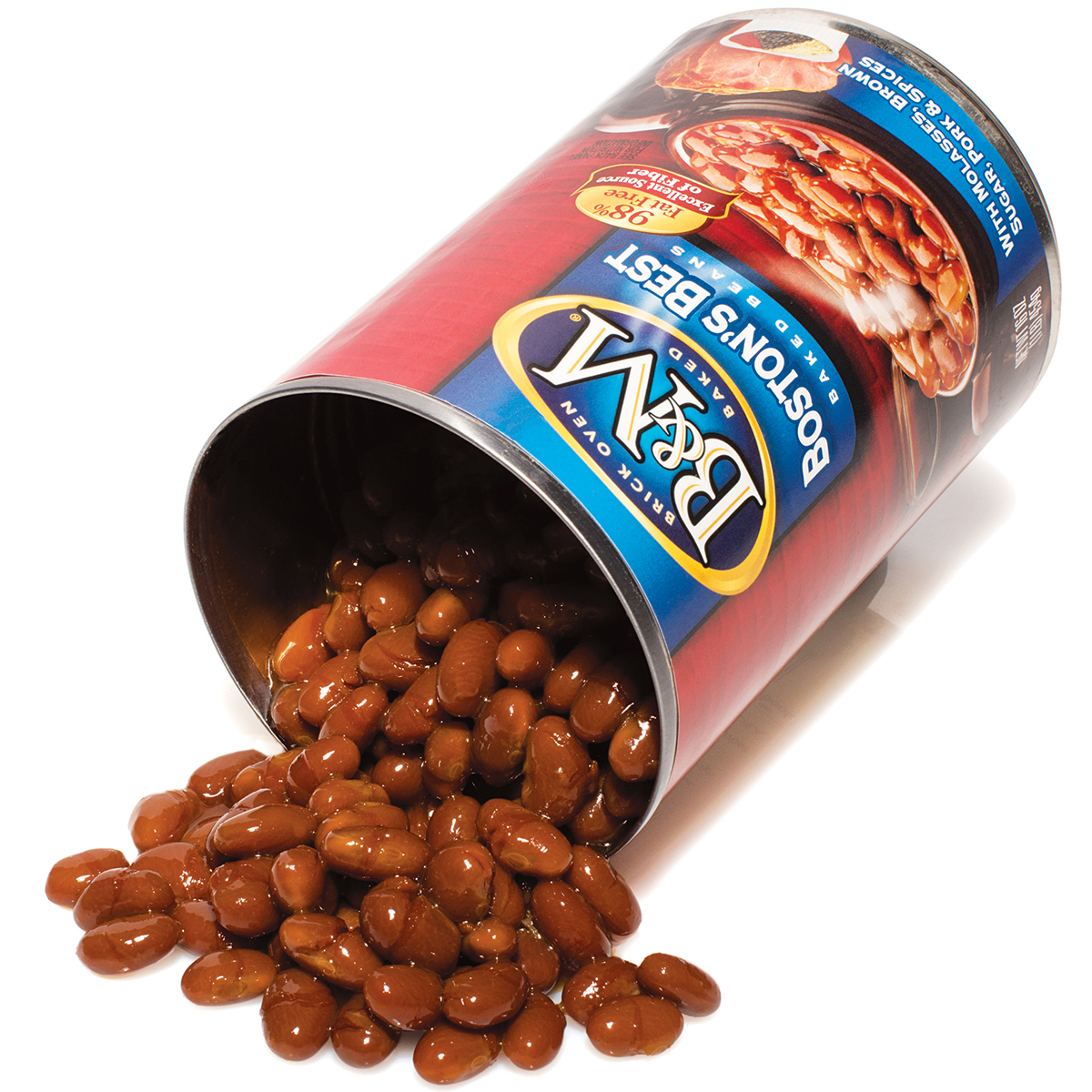
The question of “Why Beantown?” is more than just a trivia point; it’s an invitation to explore the very essence of Boston‘s character. This exploration will touch upon the city’s culinary landscape, its historical context, and the way its residents embrace their unique heritage. We will discover how a simple food item became a symbol for an entire city, influencing its perception and its place on the global tourism map.
The Culinary Roots of Beantown: From Baked Beans to Boston Cream Pie
The primary and most widely accepted reason for Boston‘s “Beantown” nickname lies in its deep-seated and long-standing love affair with baked beans. This humble dish, more than any other, is credited with christening the city. To truly understand Beantown, one must understand Boston baked beans.
A Colonial Staple: The Humble Boston Baked Bean
In the early days of colonial America, particularly in the harsh New England winters, Boston faced challenges in sourcing and preserving food. Meats were often expensive and difficult to store, and fresh vegetables were seasonal. Beans, however, were a readily available, inexpensive, and nutritious staple that could be stored for long periods.
The indigenous populations of New England had long cultivated and consumed various types of beans. Early Boston settlers adopted these practices, finding them to be an ideal food source. The specific method of preparing “Boston baked beans” emerged as a distinctive culinary tradition. Unlike simpler boiled beans, Boston’s version involved slow-cooking dried beans (often navy beans) with molasses, salt pork or bacon, and sometimes mustard or onions. This created a sweet, savory, and deeply satisfying dish that could be cooked for hours, often in earthenware pots, resulting in a tender and flavorful outcome.
The slow-cooking process, typically done overnight in ovens, was particularly suited to the time and resources available in colonial Boston. Families would often place their bean pots in the dying embers of their hearth fires, allowing them to cook gently and evenly. This communal method of cooking, where neighbors might share oven space, further solidified the dish’s place in the fabric of early Boston life.
The affordability and accessibility of baked beans made them a dietary cornerstone for all segments of Boston society, from the working class to the more affluent. It was a dish that brought people together, a common thread that ran through the lives of Bostonians. This widespread consumption and cultural integration of baked beans laid the groundwork for the city to eventually be nicknamed after it.
Beyond the Bean Pot: Other Culinary Connections
While baked beans are the undisputed champion in the Beantown narrative, Boston‘s culinary heritage is rich and varied, with other dishes and ingredients contributing to its gastronomic identity. However, it’s important to note that these often play a supporting role in the “Beantown” story, reinforcing the primary connection to beans.
One such notable culinary creation is the Boston Cream Pie. Ironically, despite its name, the Boston Cream Pie is not a pie at all, but rather a cake. It consists of two layers of sponge cake filled with a rich custard or pastry cream and topped with a chocolate glaze. Invented in the mid-19th century at the Omni Parker House Hotel (then known as the Parker House Hotel), it quickly became a beloved dessert and an iconic treat associated with Boston. While it doesn’t directly explain “Beantown,” its fame further solidifies Boston‘s association with distinctive and memorable food items.
Furthermore, Boston‘s proximity to the Atlantic Ocean has always made seafood a vital part of its diet. Clam chowder, especially the creamy New England style, is another culinary icon that many associate with Boston. The abundance of fresh clams, combined with the simple yet flavorful preparation, made clam chowder a hearty and popular meal. While not directly related to beans, the prominence of such comforting, traditional dishes speaks to a broader culinary philosophy in Boston that values hearty, satisfying, and locally sourced ingredients.
The legacy of these foods, particularly baked beans, was so strong that it transcended mere dietary preference. It became a cultural marker, a symbol of Boston‘s resilience, resourcefulness, and enduring traditions. This cultural significance is what ultimately led to the city being affectionately dubbed “Beantown.”
The Historical Evolution of the Beantown Nickname
The transition from a dietary staple to a city-wide nickname is a process that unfolds over time, shaped by cultural shifts, popular usage, and a sense of collective identity. The story of “Beantown” in Boston is no different.
Early Mentions and Growing Popularity
The exact moment the nickname “Beantown” was first coined is difficult to pinpoint. However, historical records suggest that by the mid-18th century, the practice of eating baked beans was so prevalent in Boston that the city was already being colloquially referred to as “Beantown” by outsiders. This informal recognition likely stemmed from the visible presence of bean carts and the distinct aroma of baked beans wafting through the city streets.
Sailors and merchants from other ports, who frequently visited Boston for trade, would have been acutely aware of the city’s culinary specialty. It’s plausible that the nickname was popularized through these transient populations, who carried the moniker with them to other locations. As Boston grew and its reputation solidified as a center of commerce and culture, so too did the recognition of its signature dish and its associated nickname.
The Role of Media and Popular Culture
The widespread adoption and acceptance of “Beantown” as Boston‘s nickname were significantly boosted by its appearance in literature, newspapers, and popular culture. As written accounts of Boston life began to circulate more widely, the nickname became ingrained in the public consciousness.
Newspaper articles, travelogues, and even fictional works often referenced “Beantown” when describing the city. This consistent usage, even if sometimes used humorously or as a simple descriptor, helped to normalize the nickname. It moved from being an obscure inside joke to a recognized and widely understood appellation for the city.
In the early 20th century, as the concept of tourism and city branding began to emerge, the nickname “Beantown” proved to be a highly effective and memorable identifier for Boston. Its simplicity and direct connection to a tangible local product made it easily digestible for a broader audience. This was particularly important for a city with a rich history but also a need to present itself as a modern and attractive destination.

Local Pride and Modern Identity
While the nickname originated from an external observation of a culinary habit, it has been embraced by Boston‘s residents and transformed into a source of local pride. Today, “Beantown” is not just a label; it’s a symbol of Boston‘s heritage, its resilience, and its unique character.
Bostonians often use the nickname with a sense of affection and nostalgia. It evokes images of hearty, home-style cooking, a connection to the city’s colonial past, and a down-to-earth sensibility. In a city known for its intellectual prowess and its prestigious universities like Harvard University and the Massachusetts Institute of Technology, “Beantown” offers a charming counterpoint, reminding people of the city’s foundational roots and its enduring connection to its history and its people.
The nickname also plays a significant role in how Boston is presented to tourists. While the city boasts numerous historical landmarks such as the Freedom Trail, Faneuil Hall Marketplace, and the USS Constitution Museum, “Beantown” offers a more informal and relatable entry point for visitors. It encourages exploration beyond the famous attractions and into the local food scene, where the legacy of baked beans can still be experienced.
In essence, the evolution of the “Beantown” nickname from a simple observation to a cherished identifier is a testament to the power of cultural traditions to shape a city’s identity and to foster a lasting sense of community and pride.
Experiencing Beantown: A Traveler’s Guide to Boston’s Charm
For travelers visiting Boston, understanding the “Beantown” nickname is not just about knowing its history; it’s about experiencing the city’s unique charm and its enduring traditions firsthand. From savoring the iconic dishes that gave the city its name to exploring its historical depths, a trip to Boston offers a rich tapestry of experiences.
Culinary Adventures: Tasting Beantown
The most direct way to experience Beantown is, of course, through its food. While modern Boston offers a diverse and sophisticated culinary scene, a taste of its traditional offerings is essential for any visitor.
No culinary journey in Boston is complete without sampling authentic baked beans. Many restaurants in Boston, especially those in historic neighborhoods like the North End, still serve their own versions of this classic dish. Look for establishments that emphasize slow-cooking methods and traditional ingredients. Often served as a side dish, particularly on Saturdays, Boston baked beans are a sweet, savory, and deeply satisfying experience that connects you directly to the city’s past.
Beyond baked beans, delve into other Boston culinary staples. Indulge in a bowl of creamy New England clam chowder, best enjoyed on a chilly day. For a more refined sweet treat, seek out a slice of the original Boston Cream Pie at the Omni Parker House Hotel, a landmark dessert that has stood the test of time. The city’s vibrant seafood scene also offers an abundance of fresh oysters, lobster rolls, and fish dishes, reflecting its maritime heritage.
Exploring the city’s diverse food markets, such as Quincy Market within Faneuil Hall Marketplace, provides a microcosm of Boston‘s culinary evolution. Here, you can find everything from traditional New England fare to international delicacies, showcasing how the city has embraced both its history and its global influences.
Historical Exploration: Walking Through Beantown’s Past
The “Beantown” nickname, while rooted in food, is inextricably linked to Boston‘s profound historical significance. The city played a pivotal role in the American Revolution, and its historic sites offer a captivating journey through this formative period.
The Freedom Trail is an absolute must-do for any visitor. This 2.5-mile red-lined path winds through Boston‘s downtown, connecting 16 historically significant sites. Following the trail, you’ll encounter landmarks such as Paul Revere’s House, the site of the Boston Massacre, Old North Church (where the famous “one if by land, and two if by sea” lanterns were hung), and Bunker Hill Monument. Each stop offers a tangible connection to the events and individuals who shaped the birth of a nation.
Faneuil Hall Marketplace, a bustling hub of shops, restaurants, and street performers, is not only a great place to eat but also a historically important meeting place. Known as the “Cradle of Liberty,” it was a center for political debate and protest leading up to the Revolution.
A visit to Charlestown to see the USS Constitution, the world’s oldest commissioned warship afloat, is another essential historical experience. Often referred to as “Old Ironsides,” its impressive history and the stories of its service offer a glimpse into naval heritage. Nearby, the Bunker Hill Monument provides panoramic views of the city and commemorates a key battle of the Revolutionary War.
For those interested in deeper dives into Boston‘s past, consider visiting museums like the Museum of Fine Arts, Boston or the Isabella Stewart Gardner Museum. These institutions house vast collections that span centuries of art and history, offering further context to the city’s cultural development.

Embracing the Beantown Lifestyle: Accommodation and Activities
When planning your trip to Boston, choosing the right accommodation and activities can enhance your “Beantown” experience. The city offers a wide range of options to suit different preferences and budgets, from luxurious resorts to cozy apartments.
For those seeking comfort and convenience, Boston boasts numerous hotels. You can find everything from grand establishments like the Fairmont Copley Plaza, Boston to boutique hotels nestled in historic neighborhoods. Consider staying near areas like the Back Bay, known for its Victorian architecture and upscale shopping, or the lively Seaport District, which offers modern accommodations and waterfront views. For longer stays or a more home-like feel, serviced apartments or villas can be an excellent choice, allowing you to immerse yourself in the local lifestyle.
Beyond the iconic historical and culinary attractions, Boston offers a wealth of activities. Explore the picturesque campuses of Harvard University in Cambridge or the Massachusetts Institute of Technology. Enjoy a leisurely stroll through the Boston Public Garden, ride the swan boats, or take in a performance at the Boston Symphony Orchestra. For sports enthusiasts, catching a Boston Red Sox game at Fenway Park, one of America‘s most historic baseball stadiums, is an unforgettable experience.
The city’s various neighborhoods each offer a unique flavor. The North End is a vibrant Italian-American enclave, perfect for exploring charming streets and indulging in delicious pastries. Beacon Hill offers a glimpse into Boston‘s elegant past with its gas-lit streets and historic row houses.
Ultimately, experiencing Beantown is about more than just ticking off attractions. It’s about soaking in the atmosphere, engaging with the local culture, and appreciating the blend of history, innovation, and tradition that makes Boston such a captivating destination. Whether you’re savoring a plate of baked beans or standing on the grounds where history was made, the spirit of Beantown is alive and well, ready to be discovered by every visitor.
LifeOutOfTheBox is a participant in the Amazon Services LLC Associates Program, an affiliate advertising program designed to provide a means for sites to earn advertising fees by advertising and linking to Amazon.com. Amazon, the Amazon logo, AmazonSupply, and the AmazonSupply logo are trademarks of Amazon.com, Inc. or its affiliates. As an Amazon Associate we earn affiliate commissions from qualifying purchases.