
Often imagined as a shimmering mirage of neon lights and boundless entertainment in the middle of a desert, Las Vegas is a city that needs little introduction. Its global reputation as a premier destination for travel, tourism, and unforgettable experiences precedes it. Yet, beneath the dazzling spectacle and the iconic Las Vegas Strip, lies a fundamental question for many first-time visitors or those curious about its geographical context: What county is Las Vegas in? The answer is Clark County, Nevada. This seemingly simple fact unlocks a deeper understanding of the region’s diverse offerings, extending far beyond the city’s celebrated core to encompass vast natural beauty, historical landmarks, and a vibrant community that defines the southern Nevada landscape.
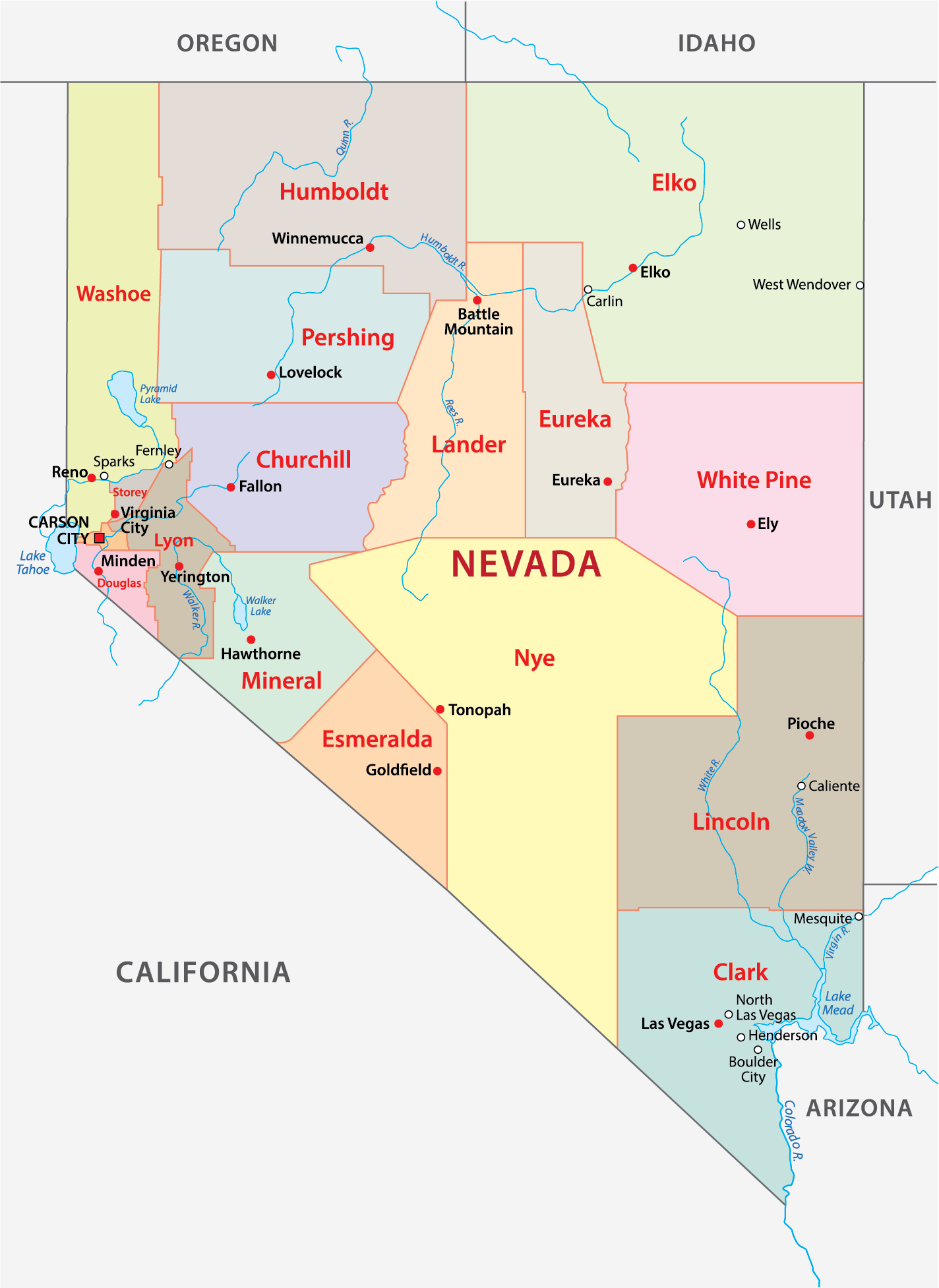
Clark County is not merely a bureaucratic designation; it is the geographical and administrative heart of the Las Vegas metropolitan area, home to the vast majority of Nevada’s population. It is the canvas upon which the city’s legendary story is painted, offering an incredible array of accommodations, from sprawling luxury resorts to cozy boutique hotels, and a lifestyle that caters to every possible taste and budget. Understanding Clark County means understanding the full scope of what makes Las Vegas a truly unparalleled travel destination.
The Heart of the Action: Las Vegas and Clark County
The relationship between Las Vegas and Clark County is symbiotic. While Las Vegas is undoubtedly the star, Clark County provides the expansive setting and supporting infrastructure that allows the city to thrive as a global tourism powerhouse. This county is not just about the glitz and glamour; it’s a region of significant size and demographic importance, offering a rich tapestry of experiences for residents and visitors alike.
Unpacking Clark County: Size, Population, and Governance
Clark County, established in 1908, is the most populous county in Nevada, encompassing an area of over 8,000 square miles. With a population exceeding 2.3 million residents, it accounts for a substantial portion of the state’s total population. The county seat is Las Vegas itself, illustrating its central role in regional governance and economic activity. The county’s administration oversees a wide range of public services, from infrastructure development to public safety, ensuring that both the bustling urban centers and the quieter surrounding communities operate efficiently. The rapid growth of Las Vegas throughout the 20th and 21st centuries has been inextricably linked to the development and expansion of Clark County, transforming a desert outpost into a vibrant metropolitan area.
The planning and zoning efforts within Clark County have been crucial in managing the exponential growth of tourism and residential areas. From the intricate network of roads facilitating easy access to attractions to the careful preservation of natural spaces, the county’s governance plays a quiet yet vital role in shaping the travel experience. This includes supporting the massive convention industry, which brings millions of business travelers to the area annually, making Las Vegas a hub for both leisure and professional stays.
Beyond the City Limits: Other Notable Places in Clark County
While Las Vegas captures most of the headlines, Clark County is home to several other significant cities and an abundance of natural attractions that offer diverse travel experiences. Just southeast of Las Vegas is Henderson, Nevada’s second-largest city, known for its family-friendly atmosphere, extensive parks, and growing culinary scene. Henderson provides a calmer residential alternative to the hustle and bustle of the Strip, yet still offers excellent accommodation options, including comfortable hotels and suites ideal for longer stays or those seeking a quieter retreat.
To the north, North Las Vegas contributes significantly to the county’s economic base, with a focus on industrial development and diverse communities. Further afield, Boulder City stands out with its unique history as a federal government town built for workers constructing the Hoover Dam. This charming town offers a stark contrast to the neon lights, with its historic downtown, antique shops, and lack of gambling establishments, providing a serene base for exploring the region’s natural wonders.
Speaking of natural wonders, Clark County is a gateway to breathtaking landscapes. The majestic Red Rock Canyon National Conservation Area, located just a short drive west of the Strip, offers stunning red rock formations, scenic drives, and world-class hiking and rock climbing opportunities. For water enthusiasts, the expansive Lake Mead National Recreation Area, formed by the Hoover Dam on the Colorado River, provides opportunities for boating, fishing, swimming, and exploring secluded coves. These natural landmarks serve as a crucial counterpoint to the urban excitement, catering to a different kind of tourism and enriching the overall travel experience in Clark County.
A Tourist Mecca: Why Clark County Attracts Millions
The sheer volume of visitors that flock to Clark County each year is astounding. It consistently ranks among the top tourist destinations globally, drawing millions with its unique blend of high-octane entertainment, world-class amenities, and surprising natural beauty. The county’s success is a testament to its ability to continuously reinvent itself and offer diverse attractions for every type of traveler.
The Iconic Las Vegas Strip: A World of Entertainment
Undoubtedly, the crown jewel of Clark County’s tourism appeal is the Las Vegas Strip. This roughly 4.2-mile stretch of Las Vegas Boulevard South, though technically mostly outside the city limits of Las Vegas and primarily located in the unincorporated towns of Paradise and Winchester within Clark County, is synonymous with the city’s image. It’s a concentrated hub of some of the world’s most famous hotels and resorts, each a landmark in its own right.
From the dancing fountains of the Bellagio to the Roman-inspired grandeur of Caesars Palace, the vibrant Venetian canals of The Venetian Resort Las Vegas, and the sheer scale of the MGM Grand, these properties are more than just places to stay; they are destinations in themselves. They offer unparalleled amenities including expansive casinos, celebrity chef restaurants, luxurious spas, designer boutiques, and spectacular resident shows ranging from Cirque du Soleil productions to magic acts and musical performances. The Strip encapsulates a lifestyle of luxury, indulgence, and non-stop excitement, making it a bucket-list destination for many. It’s a place where every night feels like a special event, and the concept of “what happens in Vegas stays in Vegas” truly comes alive.
Diverse Attractions Beyond the Strip
While the Strip offers an intoxicating allure, Clark County ensures that visitors have a wide array of other experiences to pursue. Downtown Las Vegas, with its historic roots, provides a different flavor of Vegas charm. The Fremont Street Experience is a must-see, featuring a massive LED canopy light show, live music stages, and zip-lining adventures. This area boasts a collection of unique hotels, more intimate casinos, and a burgeoning arts and culture scene, offering a glimpse into old Vegas blended with modern revitalization.
For those interested in history and culture, Clark County hosts several fascinating museums. The Neon Museum preserves and displays iconic signs from Las Vegas’s past, offering a colorful journey through the city’s architectural and design evolution. The Mob Museum, officially the National Museum of Organized Crime and Law Enforcement, provides an enthralling look into the history of organized crime and its impact on Las Vegas and beyond. These landmarks add depth to the tourism landscape, catering to intellectual curiosity alongside entertainment.
Beyond the urban sprawl, the natural attractions previously mentioned, such as Red Rock Canyon, Lake Mead, and the Hoover Dam, offer starkly different but equally compelling experiences. Visitors can embark on guided hiking tours, rent kayaks or jet skis, or simply enjoy the panoramic vistas. These excursions provide a perfect antidote to the high-energy environment of the city, highlighting the stunning desert landscape that surrounds Las Vegas and offering opportunities for outdoor activities and adventure tourism.
Accommodation and Lifestyle in Clark County
The sheer scale of Clark County’s hospitality industry is mind-boggling. With hundreds of thousands of hotel rooms, it stands as one of the world’s leading destinations for accommodation, catering to an incredibly diverse range of travelers and lifestyles.
Finding Your Perfect Stay: Hotels, Resorts, and Beyond
When it comes to accommodation, Clark County truly offers something for everyone. The opulent resorts on the Las Vegas Strip are a testament to luxury travel, featuring lavish suites, multiple swimming pools, world-class spas, and concierge services that redefine pampering. Hotels like The Cosmopolitan of Las Vegas, Wynn Las Vegas, and ARIA Resort & Casino consistently receive top reviews for their exceptional amenities and unforgettable guest experiences. These properties are often destinations in themselves, providing endless entertainment options without ever needing to leave the premises.
For those seeking a more budget-friendly approach, numerous hotels and motels can be found off-Strip or in the surrounding cities of Henderson and North Las Vegas. These options provide comfortable and convenient stays, often with shuttle services to the main attractions. Extended-stay apartments and vacation rentals are also popular for families, groups, or individuals planning longer visits, offering more space, kitchen facilities, and a homely atmosphere. Booking platforms provide easy comparison tools, allowing travelers to filter by amenities, reviews, price, and location to find their ideal accommodation. Whether it’s a romantic getaway, a family vacation, or a business trip, the choices are vast and varied, ensuring every guest finds their perfect temporary home in Clark County.
Catering to Every Traveler: Lifestyle and Experiences
The lifestyle offered by Clark County is as diverse as its accommodation options. It’s not just a destination for high rollers; it’s a melting pot of experiences designed to appeal to every demographic. For luxury travelers, private jet charters, high-end shopping at places like the Forum Shops at Caesars or Fashion Show Mall, and exclusive VIP access to clubs and shows define the experience. Gourmet dining is a cornerstone of the Las Vegas lifestyle, with a concentration of Michelin-starred chefs and award-winning restaurants offering cuisines from around the globe.
Budget travelers can still enjoy the vibrancy of Vegas by taking advantage of free attractions like the Bellagio Fountains, the Mirage Volcano, and the Fremont Street Experience light show. Dining deals, happy hours, and affordable shows provide plenty of opportunities to experience the city without breaking the bank. Family trips are well-catered for, with attractions like the Shark Reef Aquarium at Mandalay Bay, the various theme park rides at properties like Circus Circus, and the ample outdoor activities in Red Rock Canyon.
Business stays are also a major component of Clark County’s tourism, with massive convention centers like the Las Vegas Convention Center hosting thousands of trade shows and conferences annually. Hotels are equipped with extensive meeting facilities, business centers, and amenities tailored to professional travelers. Furthermore, Las Vegas remains a top destination for weddings and bachelor/bachelorette parties, cementing its reputation as a place where life’s milestones are celebrated with unparalleled flair. The local culture, while often overshadowed by the tourist façade, is rich with community events, arts, and a strong sense of pride, particularly in areas like Henderson and Boulder City, offering a more authentic glimpse into southern Nevada living.
Planning Your Trip to Las Vegas and Clark County
A trip to Las Vegas and the wider Clark County area requires a bit of planning to fully appreciate its scale and diversity. From navigating the busy Strip to exploring the serene desert landscapes, knowing a few essential tips can enhance your travel experience.
Essential Tips for Visitors
The best time to visit Clark County largely depends on your preferred activities. Spring (March to May) and Fall (September to November) offer pleasant temperatures ideal for outdoor excursions to Red Rock Canyon or Lake Mead, while summer sees scorching temperatures perfect for poolside lounging and indoor entertainment. Winter is generally mild and a popular time for conventions, though evenings can be chilly.
Transportation within Clark County is highly efficient. Most visitors arrive at Harry Reid International Airport (formerly McCarran International Airport), which is conveniently located just a few miles from the Strip. Getting around the city is easy with taxis, ride-sharing services, and the Las Vegas Monorail connecting many Strip resorts. For exploring areas like Red Rock Canyon or the Hoover Dam, renting a car is highly recommended. Safety is generally good in tourist areas, but like any major city, it’s wise to be aware of your surroundings, especially at night. Hydration is key in the desert climate, so always carry water, especially during warmer months or when engaging in outdoor activities.

Exploring Further: Day Trips and Regional Adventures
One of the great advantages of Clark County’s location is its proximity to other world-renowned natural wonders, making it an excellent base for regional adventures. A popular day trip involves visiting the engineering marvel of the Hoover Dam and then continuing to the breathtaking Grand Canyon (specifically the West Rim, which is closest to Las Vegas). Several tour operators offer bus or helicopter tours to these iconic landmarks, providing a seamless way to experience the vast beauty of the American Southwest.
For those with more time, national parks like Death Valley National Park in California and Zion National Park in Utah are within a few hours’ drive, offering incredible opportunities for hiking, photography, and experiencing diverse desert ecosystems. These extended explorations underscore how Clark County is not just an isolated entertainment oasis but a vibrant hub at the crossroads of stunning natural beauty and unparalleled human ingenuity.
In conclusion, understanding that Las Vegas is nestled within Clark County provides a richer appreciation for this dynamic region. It highlights that the city’s famous attractions are just one facet of a larger, incredibly diverse landscape that includes thriving communities, historical landmarks, and breathtaking natural wonders. Whether you’re drawn by the promise of luxury resorts and vibrant nightlife, the quiet beauty of desert landscapes, or the rich history of the Hoover Dam, Clark County offers an experience tailored to every traveler. It truly is a destination where every visit can be a unique adventure, blending the best of urban excitement with the awe-inspiring grandeur of the American Southwest.
LifeOutOfTheBox is a participant in the Amazon Services LLC Associates Program, an affiliate advertising program designed to provide a means for sites to earn advertising fees by advertising and linking to Amazon.com. Amazon, the Amazon logo, AmazonSupply, and the AmazonSupply logo are trademarks of Amazon.com, Inc. or its affiliates. As an Amazon Associate we earn affiliate commissions from qualifying purchases.