
The open road, the wind in your face, the distinctive rumble of an engine beneath you – there’s a unique allure to motorcycling that captivates adventurers worldwide. For many, riding a motorcycle isn’t just a mode of transportation; it’s a lifestyle, a profound connection to the environment, and an unparalleled way to experience the vast landscapes and vibrant cities that define a place like Texas. From the rolling hills of the Texas Hill Country to the rugged majesty of Big Bend National Park, and the bustling urban centers of Houston, Dallas, San Antonio, and Austin, the Lone Star State offers an incredible canvas for two-wheeled exploration.
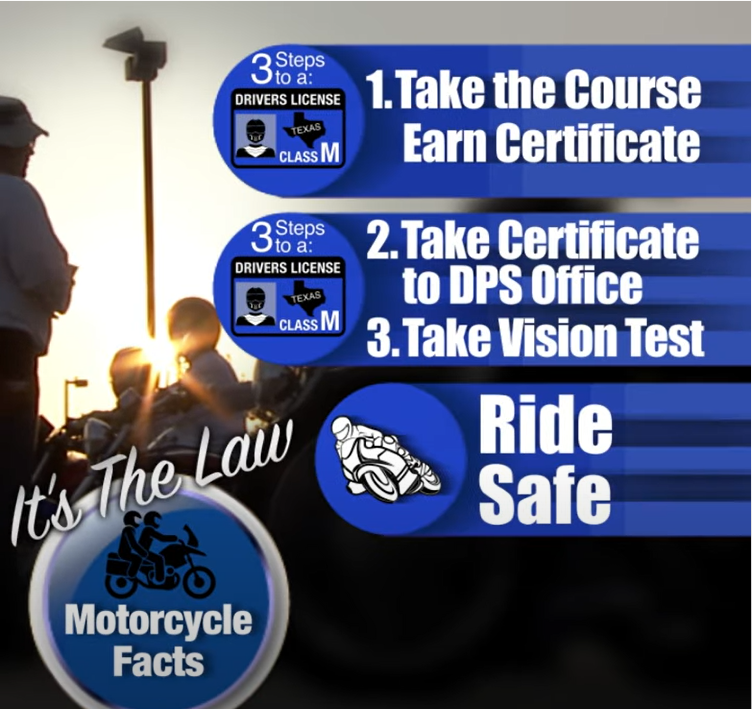
But before you can embark on these thrilling journeys, there’s a crucial first step: obtaining a motorcycle endorsement. This isn’t just a legal formality; it’s a commitment to safety, responsibility, and ensuring you have the necessary skills to navigate the roads confidently. This comprehensive guide will walk you through everything you need to know about getting your motorcycle endorsement in Texas, blending practical advice with inspiration for your future motorcycle-driven travels across this incredible state.
Understanding the Texas Motorcycle Endorsement
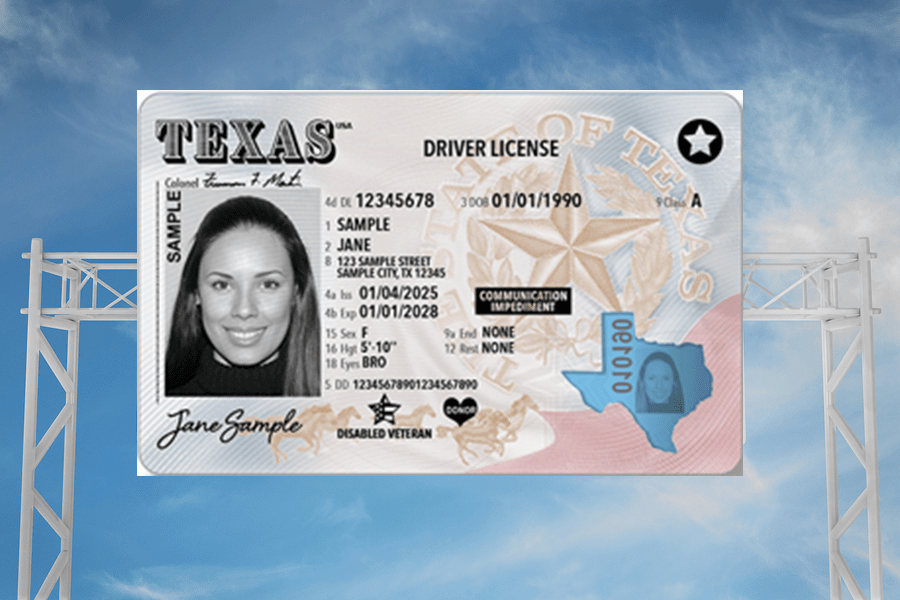
A motorcycle endorsement in Texas isn’t a separate license; it’s an addition to your existing Class A, B, or C driver’s license. Once you successfully complete the required steps, a “Class M” notation will be added to your current driver’s license, officially authorizing you to operate a motorcycle on public roads. This is a critical legal requirement for anyone operating a two-wheeled motor vehicle with an engine displacement of more than 250 cubic centimeters. Operating without this endorsement carries significant penalties, including fines and potential impoundment of your vehicle, not to mention the severe risks associated with riding without proper training.
The endorsement signifies that you’ve met the state’s minimum standards for motorcycle operation, encompassing both theoretical knowledge of traffic laws and practical riding skills. For travelers and lifestyle enthusiasts, this piece of paper is more than just a permit; it’s a key that unlocks a new dimension of travel. Imagine pulling up to a charming boutique hotel in Austin after a scenic ride, or exploring the historic sites around the San Antonio River Walk with the freedom only a motorcycle can provide. The endorsement isn’t merely about legal compliance; it’s about empowerment, providing the foundation for countless future adventures and memories.
Navigating the Endorsement Process: Step-by-Step
Getting your Class M endorsement in Texas is a structured process designed to ensure all new riders are adequately prepared. While it might seem daunting at first, breaking it down into manageable steps reveals a clear path forward. The primary authority overseeing this process is the Texas Department of Public Safety (DPS), which sets the guidelines and administers the tests.
Prerequisites for Your Texas Motorcycle Journey
Before you even think about hitting the road for training, there are a few fundamental requirements you must meet:
- Age Requirements:
- If you are 18 years of age or older, the path is generally straightforward.
- If you are between 15 and 17 years old, the requirements are more stringent. You must have completed the classroom portion of a driver education course, hold a Class C learner’s permit for at least six months, and successfully complete a motorcycle safety course approved by the Texas DPS. Parental consent is also typically required.
- Existing Driver’s License: You must already possess a valid Class A, B, or C driver’s license. The motorcycle endorsement will be added to this existing license. You cannot obtain a standalone motorcycle-only license in Texas unless you are expressly converting an out-of-state motorcycle-only license.
- Residency in Texas: You must be a legal resident of Texas. Proof of residency will be required during your application at the DPS office.
Meeting these initial criteria ensures you are eligible to begin the process of becoming a licensed motorcycle operator.
The Mandatory Motorcycle Safety Course
For most applicants in Texas, the cornerstone of obtaining a motorcycle endorsement is the successful completion of a state-approved motorcycle safety course. This isn’t just a suggestion; it’s a legal requirement for almost everyone applying for an original Class M license. The good news is that this requirement serves a vital purpose: equipping you with foundational knowledge and practical skills that significantly enhance your safety and confidence on the road.
The most widely recognized and accepted course is the Basic RiderCourse (BRC), often administered through the Motorcycle Safety Foundation (MSF) curriculum. These courses are typically offered by independent training schools licensed by the state.
What to expect from the BRC:
- Classroom Instruction: You’ll spend several hours in a classroom setting, learning about motorcycle controls, risk management, accident avoidance strategies, basic maintenance, and traffic laws specific to motorcycles. This section covers critical theoretical knowledge that will prepare you for the written examination.
- Practical Riding Sessions: This is where you put theory into practice. Under the guidance of certified instructors, you’ll learn fundamental riding techniques in a controlled environment, typically a parking lot. This includes starting, stopping, shifting gears, turning, weaving, and emergency braking. Importantly, most courses provide the motorcycles for these practical sessions, eliminating the need for you to own one before getting your endorsement.
- Waiver of Driving Test: One of the most significant benefits of completing the BRC is that it typically waives the requirement for you to take a practical riding test at the DPS. Your course completion certificate serves as proof of your riding proficiency.
You can find approved motorcycle safety courses throughout Texas, with numerous options available in major metropolitan areas like Houston, Dallas, San Antonio, and Austin. A quick search on the Texas DPS website or the MSF website will yield a list of certified providers. Beyond the legal aspect, these courses offer invaluable training that could literally save your life and greatly enhance your enjoyment of motorcycling as a travel and lifestyle choice.
Acquired Knowledge: The Written Test
Even with the completion of a motorcycle safety course, all applicants are required to pass a knowledge test administered by the Texas DPS. This test focuses on traffic laws specific to motorcycles, safe riding practices, and general road rules.

Preparation is key:
- Texas Motorcycle Operator’s Manual: This manual is your primary study guide. It contains all the information you need to pass the written test and is available on the DPS website. Pay close attention to sections on lane positioning, hazard perception, helmet laws, and passenger rules.
- Review Course Material: The classroom portion of your motorcycle safety course will also cover many of the topics found on the written test, serving as an excellent refresher.
You will typically take this test at a local DPS office. It’s often a computerized test and requires a passing score to proceed with your application.
The Practical Riding Test (If Applicable)
As mentioned, if you complete a state-approved motorcycle safety course, the practical riding test at the DPS is usually waived. This is a significant advantage, as it allows you to demonstrate your skills in a less stressful, instructional environment.
However, if for some reason you don’t take an approved course (which is rare for original endorsements unless you are transferring an out-of-state license under specific circumstances), you would be required to take a riding test at the DPS. This test assesses your ability to perform basic maneuvers safely, such as starting, stopping, turning, and maintaining balance at low speeds. For this test, you would need to provide your own street-legal motorcycle. Given the waiver option, the safety course is almost universally the preferred and recommended route for new riders.
Finalizing Your Endorsement at the DPS
Once you’ve passed the knowledge test and completed your motorcycle safety course, the final step is to visit a Texas DPS driver’s license office to complete your application.
You’ll need to bring several key documents:
- Proof of Identity: A valid form of identification, such as your existing driver’s license, passport, or birth certificate.
- Proof of U.S. Citizenship or Lawful Presence: (if applicable)
- Proof of Texas Residency: Two documents showing your current Texas residential address (e.g., utility bill, lease agreement, vehicle registration).
- Proof of Social Security Number: Your Social Security card or a document containing your SSN.
- Motorcycle Safety Course Completion Certificate: This is your form MSB-8 or similar document issued by your safety course provider.
- Application for Driver License or ID Card (DL-14A): You can often fill this out at the DPS office or print it beforehand.
- Application Fees: Be prepared to pay the required fee for modifying your driver’s license.
At the DPS office, you will also undergo a vision test, have your photo taken, and provide thumbprints. Once everything is processed and approved, you will be issued a temporary license with your new Class M endorsement, and your permanent driver’s license card will be mailed to you within a few weeks. Congratulations, you are now legally endorsed to ride a motorcycle in Texas!
Unleashing Your Texas Adventures: Travel with Your New Endorsement
With your motorcycle endorsement in hand, a whole new world of travel and lifestyle opportunities opens up. Texas is a state built for road trips, and exploring it on two wheels offers an intimacy with the landscape that simply can’t be matched by car.
Imagine embarking on a multi-day tour through the Texas Hill Country, discovering charming small towns, vineyards, and scenic overlooks. You could plan a trip to Big Bend National Park, where the sheer scale of the desert and mountains takes on an epic quality from the saddle of your bike. For urban explorers, riding into cities like Austin or San Antonio allows for unparalleled flexibility in navigating traffic and finding unique parking spots right near iconic landmarks like the Texas State Capitol or the historic Alamo. In Dallas, a ride through downtown can lead you to the Sixth Floor Museum at Dealey Plaza, offering a poignant historical experience. Further south, Houston beckons with the wonders of Space Center Houston and a vibrant culinary scene, all easily accessible on your motorcycle.
Your accommodation choices also become part of the adventure. Many hotels, from luxury resorts like a JW Marriott or the chic Hotel ZaZa in urban centers, to independent lodges nestled in natural parks, cater to motorcyclists, often providing secure parking or rider-friendly amenities. Whether you’re planning a budget-conscious tour, seeking out quaint bed and breakfasts, or indulging in a luxury travel experience with high-end hotels and gourmet dining, your motorcycle makes the journey as much a part of the destination as the destination itself.
The freedom to stop anywhere, explore hidden backroads, and discover local eateries serving up authentic Texas BBQ or Tex-Mex adds an immeasurable richness to your travel experiences. It’s a lifestyle choice that emphasizes personal freedom, connection to the road, and the joy of discovery.
Essential Tips for New Motorcycle Riders in Texas
Getting your endorsement is the first step, but safe and enjoyable motorcycling is an ongoing commitment. Here are a few essential tips for new riders in Texas:
- Invest in Quality Gear: A DOT-approved helmet is mandatory in Texas for riders under 21, and highly recommended for all. Beyond the helmet, invest in a motorcycle-specific jacket, gloves, sturdy pants, and over-the-ankle boots. “All the gear, all the time” (ATGATT) is a mantra for a reason – it provides critical protection.
- Secure Proper Insurance: Just like with cars, motorcycle insurance is a legal requirement. Ensure you have adequate liability coverage, and consider additional comprehensive and collision coverage for your own protection.
- Continue Your Education: The basic safety course provides a foundation, but consider advanced riding courses or skill-building clinics as you gain experience. These courses can further hone your evasive maneuvers, cornering techniques, and overall confidence.
- Connect with Riding Communities: Texas has a vibrant motorcycling community. Joining local riding groups or clubs can provide camaraderie, valuable tips, and opportunities for group rides, making your new lifestyle even more enjoyable.
- Prioritize Safety Practices: Always ride defensively, assume you are invisible to other drivers, maintain safe following distances, and constantly scan for hazards. Regular pre-ride inspections are also crucial to ensure your bike is in top condition.
Obtaining your motorcycle endorsement in Texas is a rewarding process that unlocks a world of adventure, freedom, and unique travel experiences. By diligently following the steps outlined above, you’ll not only gain the legal right to ride but also the confidence and skills to safely explore the vast and beautiful landscapes of the Lone Star State and beyond, one mile at a time.
LifeOutOfTheBox is a participant in the Amazon Services LLC Associates Program, an affiliate advertising program designed to provide a means for sites to earn advertising fees by advertising and linking to Amazon.com. Amazon, the Amazon logo, AmazonSupply, and the AmazonSupply logo are trademarks of Amazon.com, Inc. or its affiliates. As an Amazon Associate we earn affiliate commissions from qualifying purchases.