
The vibrant metropolis of San Francisco is a global icon, renowned for its rolling hills, iconic landmarks, diverse culture, and stunning bay views. Many visitors and even some residents might pause to consider a fundamental geographical detail: in which county does this bustling city reside? Understanding this seemingly simple question unlocks a deeper appreciation for the administrative and historical context that shapes San Francisco and its surrounding region.
The Administrative Landscape: San Francisco County
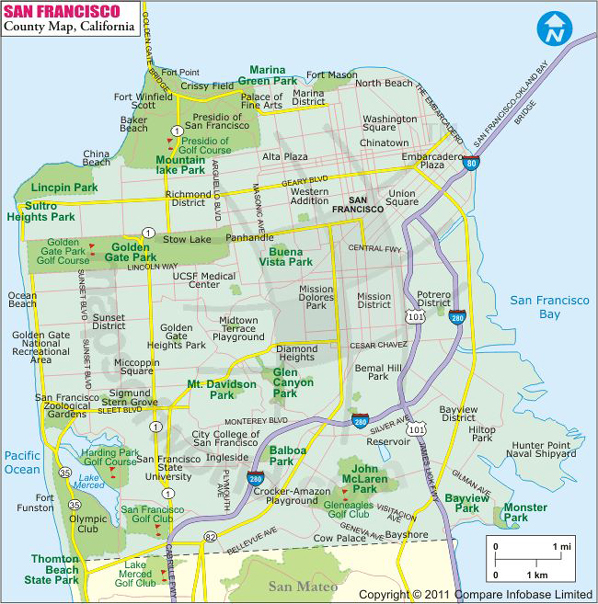
The answer to “What county is the city of [San Francisco] in?” is elegantly straightforward: San Francisco is its own county. This unique status makes it a consolidated city-and-county, a designation shared by only a few other major municipalities across the United States. This means that the boundaries of the City and County of San Francisco are identical. There is no separate county government overseeing the city; the city government itself performs all county-level functions.
A Unique Governmental Structure
This consolidation of city and county powers has significant implications for governance and administration. It streamlines decision-making processes, as there is no need to coordinate with an external county authority for many municipal services. This can lead to greater efficiency in areas such as law enforcement, public works, and land use planning. The city’s elected officials, including the Mayor and the Board of Supervisors, are responsible for both city and county matters.
Historically, many cities in the United States were established with county structures to facilitate administrative and judicial functions. However, as cities grew in size and complexity, some opted for consolidation to improve governance. San Francisco made this move, which has profoundly shaped its identity and operational framework. This means that when you are within the city limits of San Francisco, you are simultaneously within the boundaries of San Francisco County.
Benefits and Challenges of Consolidation
The consolidated city-and-county model offers distinct advantages. It eliminates the potential for jurisdictional disputes between city and county governments, simplifying service provision. It can also foster a stronger sense of civic identity and unity within the populace, as all residents share the same governmental structure. For tourists, this means that when they are exploring attractions like the Golden Gate Bridge, enjoying the vibrant atmosphere of Fisherman’s Wharf, or visiting the historic Alcatraz Island, they are operating within a single administrative entity.
However, this consolidation can also present challenges. A single administrative body may face intense pressure from diverse constituent groups, and the decision-making processes can become highly politicized. The sheer scale and complexity of managing a major urban center under one consolidated government require robust and adaptable administrative systems.
Geographic Context: The Bay Area
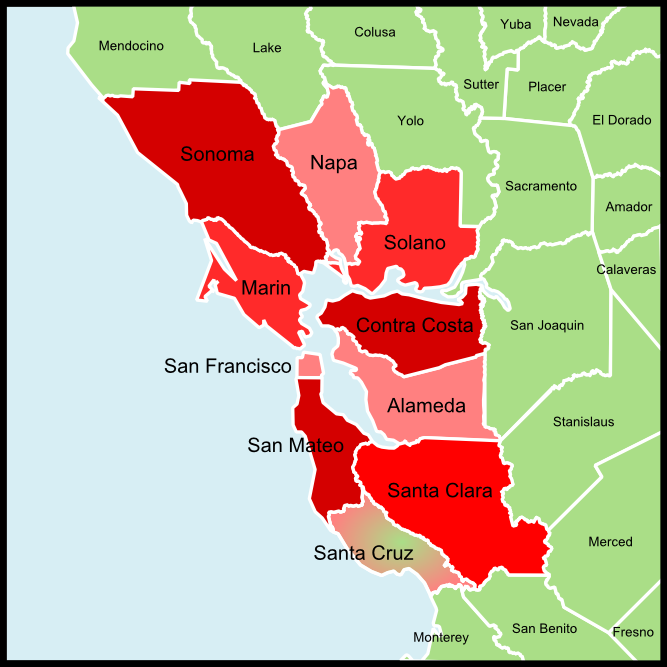
While San Francisco functions as its own county, it is undeniably a central jewel within the larger geographical and economic entity known as the San Francisco Bay Area. This sprawling metropolitan region encompasses several counties, each with its own distinct character, economy, and attractions. To the north, you find Marin County, known for its scenic beauty and affluent communities. To the east lie Alameda County and Contra Costa County, home to cities like Oakland and Berkeley, respectively, offering a different pace and cultural flavor. To the south, San Mateo County and further down, Santa Clara County (often referred to as the heart of Silicon Valley) are significant economic powerhouses.
Navigating the Bay Area’s Counties
When planning a trip to the region, understanding these county distinctions can be helpful for navigation and for appreciating the diverse offerings. For instance, if you are interested in wine tasting, you might venture south into Napa County or Sonoma County, both located north of San Francisco and outside its immediate county boundaries. Each county contributes to the rich tapestry of Northern California, offering unique landscapes, local cuisines, and historical sites.
The close proximity and interconnectedness of these counties mean that residents and visitors frequently traverse county lines. Public transportation systems, like BART (Bay Area Rapid Transit), facilitate travel between many of these urban centers, allowing for easy exploration of the wider region. This seamless integration underscores the concept of the Bay Area as a cohesive metropolitan ecosystem, despite the distinct administrative identities of its constituent counties.
Historical Roots of the Consolidation
The consolidation of San Francisco into its own county was not an arbitrary decision but a product of historical circumstances and forward-thinking governance. Following the devastating 1906 earthquake and fire, the city faced an immense rebuilding challenge. This event, while tragic, also presented an opportunity to reassess and reform the city’s administrative structure.
The 1906 Earthquake and Its Aftermath
The immense destruction wrought by the earthquake and subsequent fires highlighted the need for a unified and efficient response. The existing governmental framework, with its potential for inter-agency friction, was tested. The disaster spurred discussions about how to best manage a large, rapidly growing city.
The Formation of the Consolidated City and County
While the consolidation predates the 1906 disaster, its benefits were underscored by the emergency. The City and County of San Francisco was officially established in 1850, a year after the city’s founding, following a contentious period of political maneuvering. This early consolidation was an ambitious move, aiming to create a powerful and efficient municipal government. Over time, this structure proved resilient and adaptive, weathering numerous challenges and contributing to San Francisco’s enduring prominence.
Exploring San Francisco’s County Identity
For travelers, understanding that San Francisco is its own county simplifies practical considerations. When looking for accommodations, whether it’s a luxury hotel in Union Square, a boutique inn in the Mission District, or an apartment rental in North Beach, you are always looking within the same administrative jurisdiction. Similarly, when planning visits to iconic landmarks like the Palace of Fine Arts, the California Academy of Sciences in Golden Gate Park, or the historic Cable Cars, you remain within the city and county limits.
Practical Implications for Visitors
This consolidated status means that local laws, taxes, and services are uniform across the entire city. When you purchase a ticket for a performance at the San Francisco Opera or enjoy a meal at one of the city’s renowned restaurants, you are interacting with entities operating under the single governing structure of the City and County of San Francisco. This unified approach simplifies logistics for those exploring the myriad attractions and experiences the city offers.

The Unique Charm of a Self-Contained City
The consolidated nature of San Francisco contributes to its distinct urban character. It fosters a strong sense of place and allows for cohesive urban planning and development. Whether you are delving into the history of Chinatown, marveling at the Victorian architecture in Pacific Heights, or taking a ferry to Sausalito, you are immersed in a single, unified civic entity, the City and County of San Francisco. This unique administrative setup is an integral part of what makes San Francisco such a compelling and recognizable destination.
LifeOutOfTheBox is a participant in the Amazon Services LLC Associates Program, an affiliate advertising program designed to provide a means for sites to earn advertising fees by advertising and linking to Amazon.com. Amazon, the Amazon logo, AmazonSupply, and the AmazonSupply logo are trademarks of Amazon.com, Inc. or its affiliates. As an Amazon Associate we earn affiliate commissions from qualifying purchases.