
The culinary landscape of New York City is as diverse and dynamic as its iconic skyline. Among its many gastronomic treasures, the New York Strip steak holds a particularly esteemed place. Often found gracing the menus of world-class steakhouses and beloved neighborhood grills alike, this cut is synonymous with quality, flavor, and a satisfying dining experience. But for those less initiated into the intricacies of butchery and beef grading, the question often arises: what exactly is a New York Strip?
The Anatomy of the New York Strip
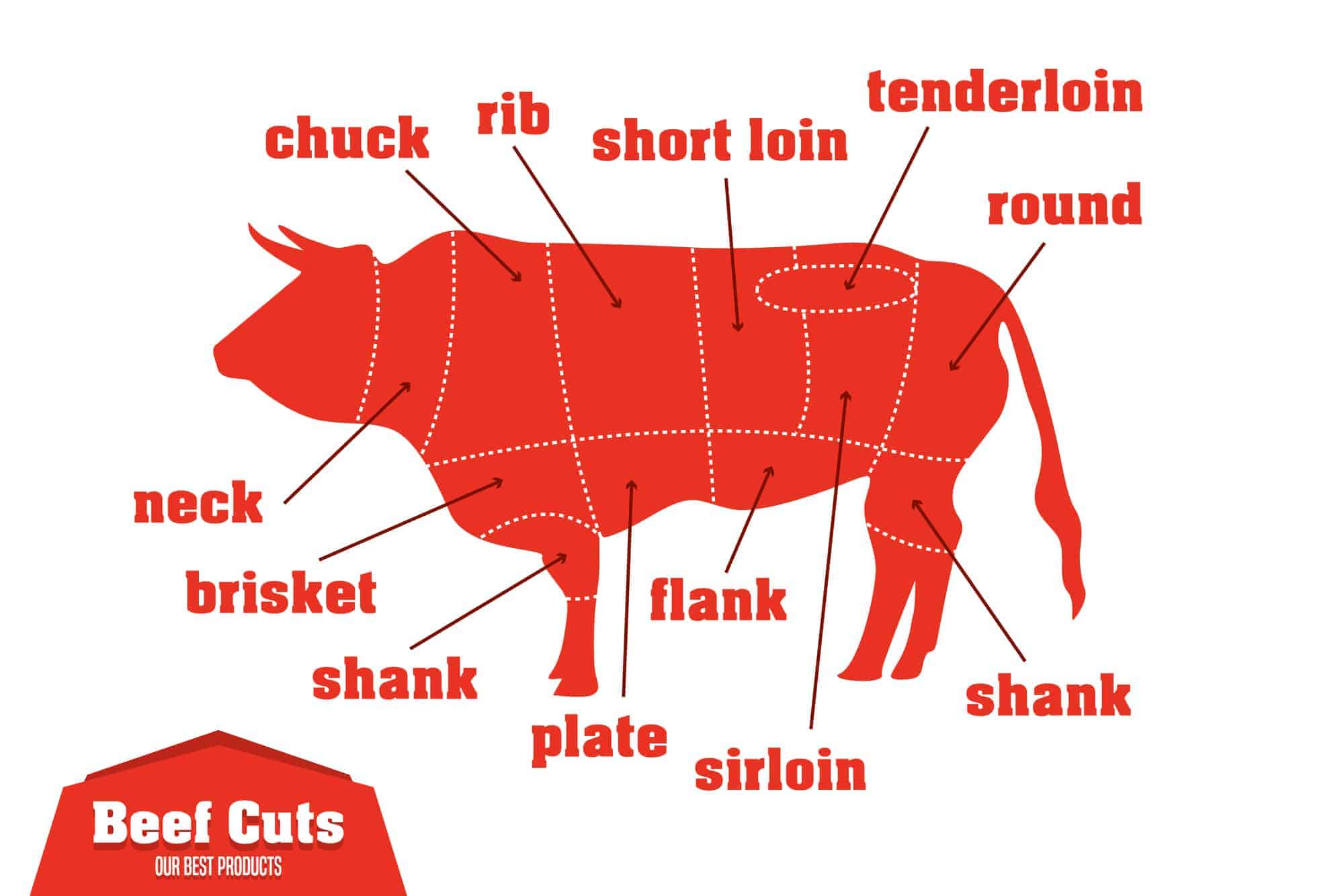
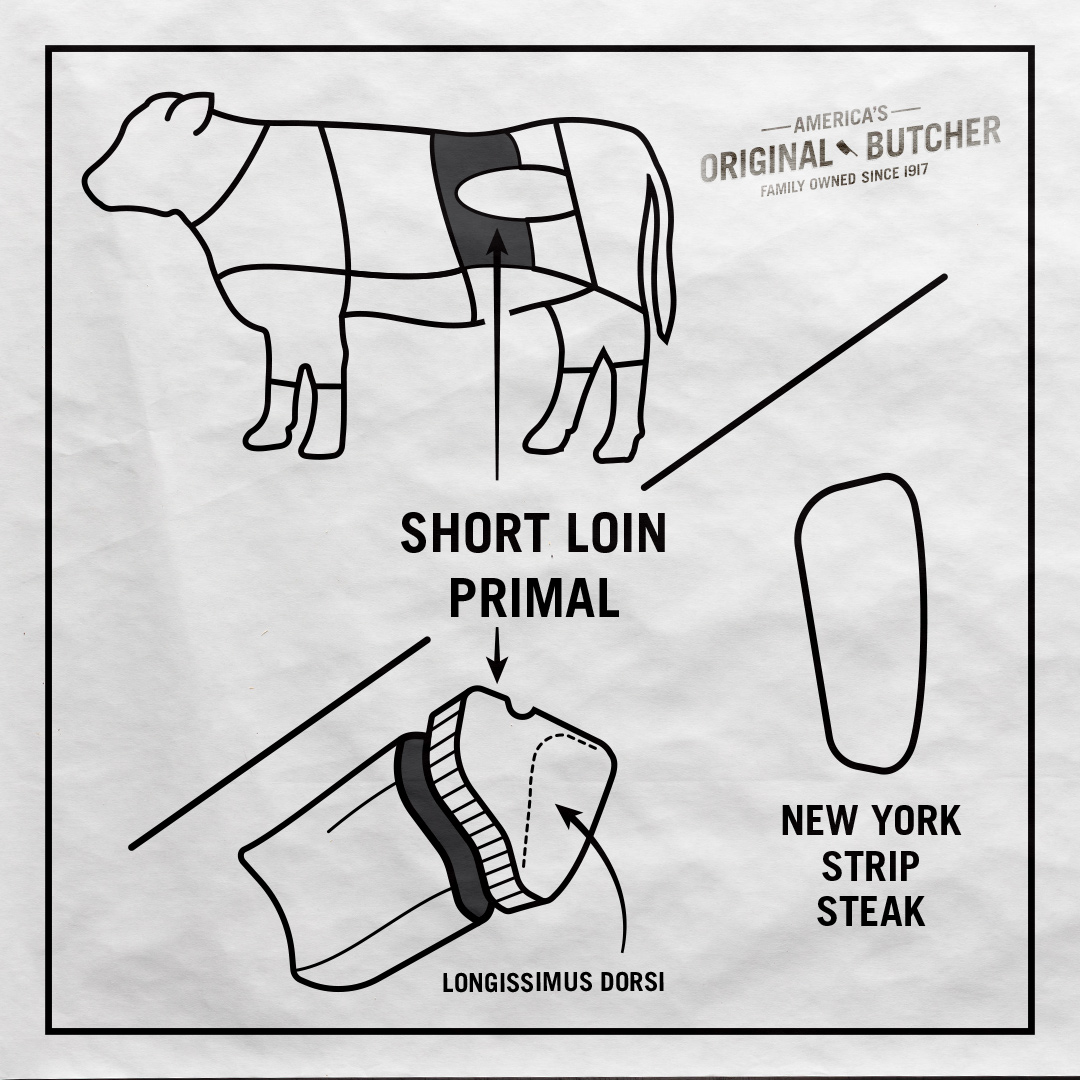
The New York Strip, also known by a variety of regional names such as the Kansas City Strip, Omaha Strip, or simply the Strip Steak, is a prime cut derived from the short loin of the cow. This specific section of the bovine anatomy is key to the steak’s desirable characteristics. The short loin is located along the back of the cow, running from the rib cage to the sirloin. It’s a muscle that does very little work, which translates directly into the steak’s tenderness.
Location and Musculature
The short loin is a treasure trove of tender cuts, including the coveted Tenderloin (which forms the basis of the filet mignon) and the New York Strip itself. The strip steak comes from the anterior (front) portion of the short loin, just behind the rib section. It is separated from the ribeye by the bone that defines the prime rib. The muscle responsible for the New York Strip is the Longissimus dorsi. This is a long, thick muscle that runs along the spine. Its relative inactivity is what contributes to its renowned tenderness and fine grain.
Butchery and Portions
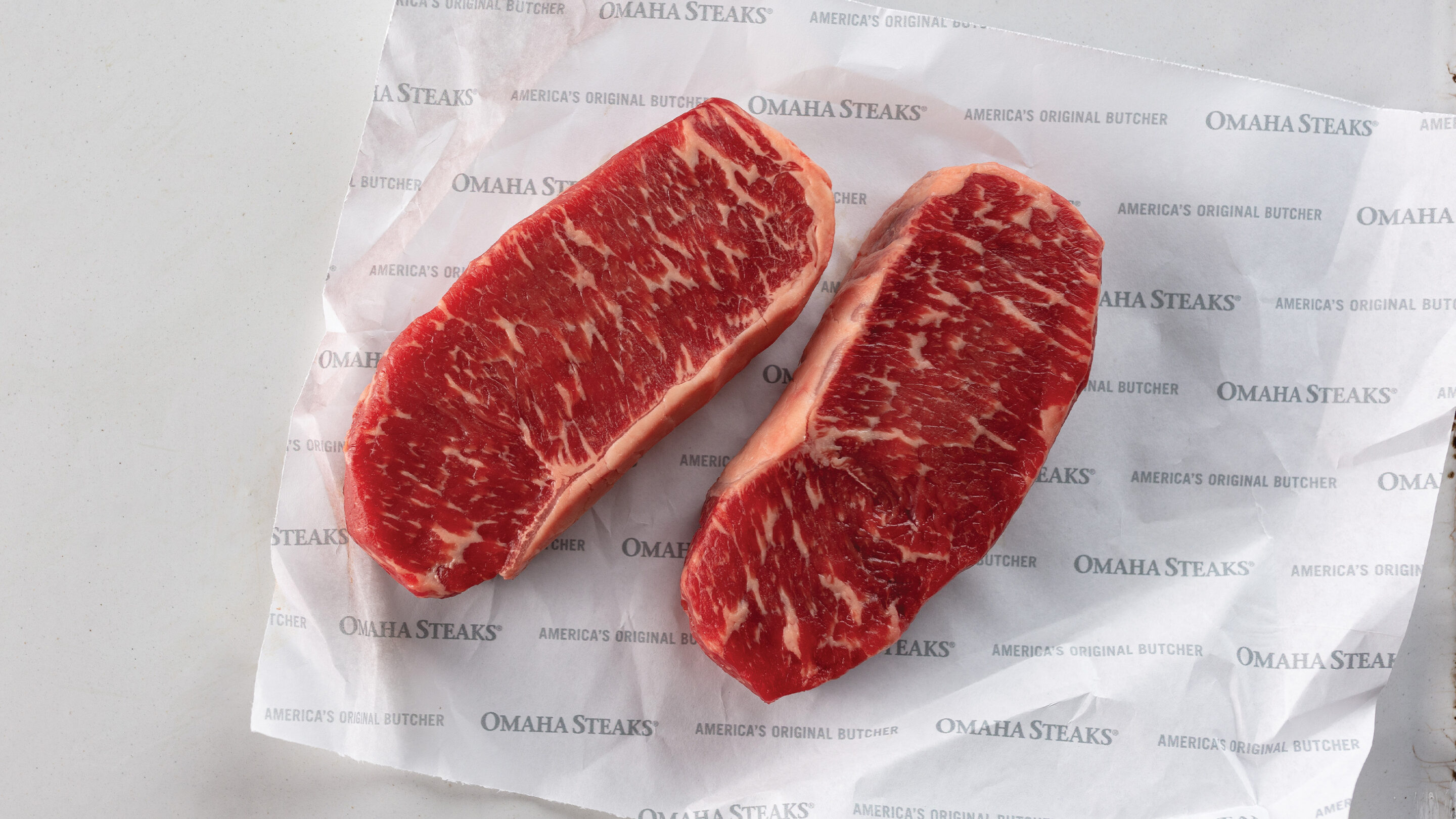
A whole short loin can yield several individual steaks. When the short loin is sectioned, the New York Strip is cut perpendicular to the spine. Typically, these steaks are about 1 to 1.5 inches thick, though thickness can vary. The characteristic shape of a New York Strip is a broad, rectangular cut with a visible fat cap along one edge. This fat cap is crucial for flavor and juiciness during cooking. Unlike some other popular steaks, the New York Strip is typically boneless, making it a convenient choice for both home cooks and professional chefs. However, some butchers may offer it with a bone still attached, which can add extra flavor during cooking, though it is less common for the “New York Strip” designation.
Flavor Profile and Texture
The appeal of the New York Strip lies in its harmonious balance of tenderness, marbling, and robust beefy flavor. It offers a more pronounced taste of beef compared to the milder filet mignon, without the intense richness and fattiness of a ribeye.
Marbling and Juiciness
Marbling refers to the intramuscular fat dispersed throughout the muscle. In a well-cut New York Strip, you’ll notice fine streaks of white fat. During cooking, this fat melts, basting the meat from within and contributing significantly to its juiciness and overall flavor. The fat cap along the edge also renders down, adding another layer of richness and a delightful crispy texture if cooked properly. The degree of marbling can vary depending on the quality grade of the beef, with higher grades like USDA Prime exhibiting more abundant marbling.
Tenderness and Mouthfeel
As mentioned, the Longissimus dorsi muscle is not heavily worked, resulting in a steak that is tender yet firm to the bite. It provides a satisfying chew, a delightful contrast to the yielding tenderness of a filet mignon. This texture makes it versatile for a variety of cooking methods. The fine grain of the New York Strip contributes to its smooth mouthfeel, making each bite a pleasure.
Cooking the Perfect New York Strip
The inherent qualities of the New York Strip make it exceptionally forgiving and adaptable to various cooking techniques. Whether you’re a seasoned griller or a novice pan-searing enthusiast, achieving a delicious outcome is well within reach.
Grilling
Grilling is arguably the most popular method for cooking a New York Strip, especially during the warmer months. The high, direct heat of the grill sears the exterior beautifully, creating a flavorful crust while allowing the interior to cook to the desired doneness.
- Preparation: Bring the steak to room temperature for about 30-60 minutes before cooking. Pat it thoroughly dry with paper towels to ensure a good sear. Season generously with salt and freshly ground black pepper just before placing it on the grill.
- Grilling Process: Preheat your grill to high heat. For a 1 to 1.5-inch thick steak, grill for approximately 4-5 minutes per side for medium-rare, adjusting for desired doneness. Use a meat thermometer for accuracy: 130-135°F (54-57°C) for medium-rare, 140-145°F (60-63°C) for medium.
- Resting: Crucially, let the steak rest for 5-10 minutes after grilling. This allows the juices to redistribute throughout the meat, ensuring a more tender and flavorful steak.
Pan-Searing
Pan-searing in a cast-iron skillet is another excellent method, particularly for achieving a superb crust, even in colder weather or for apartment dwellers.
- Preparation: Similar to grilling, bring the steak to room temperature and pat it dry. Season liberally.
- Searing Process: Heat a heavy-bottomed skillet (cast iron is ideal) over medium-high heat. Add a high-smoke-point oil like canola or grapeseed oil, or clarified butter. Once the oil is shimmering, carefully place the steak in the skillet. Sear for 3-4 minutes per side until a deep brown crust forms.
- Basting: For added flavor and moisture, you can add butter, garlic cloves, and fresh herbs like thyme or rosemary to the skillet during the last few minutes of cooking. Tilt the pan and spoon the melted butter over the steak.
- Finishing: Continue cooking until the desired internal temperature is reached. As with grilling, resting is paramount.
Broiling
Broiling can mimic the intense heat of grilling, making it a viable indoor alternative. Position your oven rack about 3-4 inches from the broiler element. Preheat the broiler to high. Place the seasoned steak on a broiler pan and cook for a similar duration as grilling, flipping halfway through.
Where to Experience the New York Strip
The New York Strip is a staple across the culinary spectrum, from casual eateries to the most opulent dining establishments.
Iconic Steakhouses
New York City is world-renowned for its steakhouses, many of which feature a superior New York Strip on their menus. Places like Peter Luger Steak House in Brooklyn, known for its dry-aged porterhouse (which includes the New York Strip portion), and Keens Steakhouse offer classic experiences where the quality of the beef is paramount. These establishments often dry-age their beef, a process that concentrates flavor and tenderizes the meat further, making their New York Strip particularly memorable.
Local Favorites and Beyond
Beyond the high-end steakhouses, diners and gastropubs across America often serve excellent New York Strip steaks. It’s a versatile cut that appeals to a broad audience. When ordering, consider inquiring about the source of the beef and any special aging processes. A well-prepared New York Strip, whether served simply with a baked potato and asparagus or elevated with a complex sauce, remains a universally celebrated dish.
Understanding Beef Grades and Cuts
To truly appreciate a New York Strip, understanding beef grading and other related cuts provides valuable context.
USDA Grading System
The United States Department of Agriculture (USDA) grades beef based on quality, which primarily relates to tenderness, juiciness, and flavor. The top three grades are:
- USDA Prime: The highest grade, characterized by abundant marbling, producing exceptionally tender, juicy, and flavorful meat. This is often what you’ll find in high-end restaurants.
- USDA Choice: A high-quality grade with less marbling than Prime but still very tender and juicy. It offers a great balance of quality and value.
- USDA Select: Leaner than Choice, with less marbling. While still palatable, it can be less tender and juicy if not cooked carefully.
When selecting a New York Strip, opting for Prime or Choice will generally yield a superior culinary experience.
Distinguishing from Other Cuts
It’s common for diners to confuse the New York Strip with other popular steak cuts. Understanding these distinctions enhances appreciation for each unique steak.
- Ribeye: Cut from the rib section, the ribeye is known for its rich, intense marbling and buttery flavor. It’s often considered more flavorful than the New York Strip due to its higher fat content, but some find it too rich.
- Filet Mignon (Tenderloin): Taken from the tenderloin, this is the most tender cut of beef, with a very mild, buttery flavor. It lacks the robust beefy taste and the satisfying chew of a New York Strip, and typically has less marbling.
- Sirloin Steak: Located behind the short loin, sirloin is a leaner, more economical cut. It offers a good beefy flavor but is generally less tender than the New York Strip.
- T-Bone and Porterhouse: These steaks are cut from the short loin and contain both a portion of the tenderloin and a portion of the New York Strip, separated by a T-shaped bone. A porterhouse is larger and has a bigger piece of tenderloin than a T-bone.
In conclusion, the New York Strip stands as a testament to the art of butchery and the pursuit of culinary excellence. It’s a cut that offers a compelling combination of rich beefy flavor, satisfying tenderness, and appealing marbling, making it a beloved choice for steak aficionados worldwide, and a true representative of the vibrant food culture that characterizes places like New York City.
LifeOutOfTheBox is a participant in the Amazon Services LLC Associates Program, an affiliate advertising program designed to provide a means for sites to earn advertising fees by advertising and linking to Amazon.com. Amazon, the Amazon logo, AmazonSupply, and the AmazonSupply logo are trademarks of Amazon.com, Inc. or its affiliates. As an Amazon Associate we earn affiliate commissions from qualifying purchases.