
Navigating the landscape of unemployment benefits can be a complex process, particularly when specific regulations in a state like Oregon come into play. While the Oregon Employment Department aims to provide a crucial safety net for individuals who have lost their jobs through no fault of their own, there are indeed circumstances that can lead to disqualification. Understanding these potential pitfalls is essential for anyone filing a claim, ensuring they meet the necessary criteria and avoid unexpected rejections. This guide delves into the common reasons why an individual might be disqualified from receiving unemployment benefits in Oregon, offering insights into eligibility requirements and the claimant’s responsibilities.
Eligibility Fundamentals: Laying the Groundwork for Benefits
Before exploring disqualifications, it’s vital to grasp the foundational eligibility requirements for Oregon unemployment insurance. The system is designed to support individuals who are out of work due to factors beyond their control, such as layoffs or business closures. To qualify, you generally need to have earned a certain amount of wages during a defined period, known as the “base year.” This base year is typically the first four of the last five completed calendar quarters prior to the filing of your claim.
Sufficient Base Year Wages
The Oregon Employment Department sets specific minimum earnings thresholds for the base year. If your earnings fall below these amounts, you will not be eligible for benefits, regardless of the reason for your unemployment. This ensures that the system primarily supports individuals who have a demonstrated attachment to the workforce. The exact figures are subject to change annually, so it’s always recommended to consult the latest guidelines on the Oregon Employment Department website or by contacting them directly.
Separation from Employment
The nature of your separation from your last employer is a critical factor. In Oregon, you must be unemployed through no fault of your own. This generally means you were laid off due to lack of work, your position was eliminated, or the business closed. Conversely, if you voluntarily quit your job without good cause attributable to the employer, or if you were discharged for misconduct, you will likely be disqualified from receiving benefits.
Availability for Work and Actively Seeking Employment
A fundamental requirement for receiving unemployment benefits is being able and available to accept suitable work. This means you must be physically and mentally capable of working and not have any restrictions that would prevent you from taking a suitable job. Furthermore, you are expected to actively seek employment each week that you claim benefits. This involves making a reasonable effort to find work, such as applying for jobs, attending interviews, and networking. The Oregon Employment Department requires claimants to document their job search activities, and failure to do so can lead to disqualification.
Common Reasons for Disqualification
Several scenarios can lead to an individual being disqualified from receiving unemployment benefits in Oregon. These often relate to the claimant’s actions or the circumstances surrounding their separation from employment.
Voluntary Quit Without Good Cause
Quitting your job is a primary reason for disqualification. However, the exception lies in quitting for “good cause attributable to the employer.” What constitutes good cause can be nuanced and is determined on a case-by-case basis by the Oregon Employment Department. Examples of good cause might include a significant reduction in wages, a substantial change in job duties without consent, intolerable working conditions that pose a risk to your health or safety, or harassment. Simply being unhappy with your job or finding a slightly better offer elsewhere typically does not qualify as good cause. If you quit, you will need to provide evidence to the Oregon Employment Department to support your claim of good cause.
Discharge for Misconduct
Being fired for misconduct is another significant reason for disqualification. Misconduct, in the context of unemployment law, typically refers to a willful or deliberate violation of the employer’s rules or standards of behavior that are expected of an employee. This is more than just a simple mistake or poor performance. Examples of disqualifying misconduct include:
- Theft or dishonesty: Stealing from the employer or engaging in fraudulent activities.
- Insubordination: Willfully refusing to follow reasonable and lawful instructions from a supervisor.
- Violation of company policy: Repeatedly breaking established rules, such as those related to attendance, safety, or the use of company property.
- Drug or alcohol use at work: Being under the influence of illegal substances or alcohol while on duty, or violating policies regarding drug and alcohol testing.
- Fighting or violence: Engaging in physical altercations with coworkers or customers.
The employer is usually required to provide evidence of the misconduct to the Oregon Employment Department. It is important for claimants to understand that not all terminations for cause are considered misconduct. For instance, if an employee is discharged due to a genuine inability to perform the job despite honest effort (not due to willful negligence), it might not result in disqualification.
Failure to Meet Work Search Requirements
As mentioned earlier, actively seeking work is a continuous requirement. If you fail to conduct a diligent job search, or if you fail to properly report your job search activities, you may be disqualified for the weeks in which these requirements were not met. The Oregon Employment Department may request proof of your job search efforts, such as applications submitted, interviews attended, or contacts made. It is crucial to keep detailed records and to report them accurately when filing your weekly claims.
Refusal of Suitable Work
Once you are receiving unemployment benefits, you have a responsibility to accept suitable work offers. If you are offered a job that is considered suitable based on your skills, experience, and previous wage level, and you refuse it without good cause, you will be disqualified from receiving benefits. “Suitable work” is generally defined as work that you are reasonably fitted for by training, experience, and prior earnings. It also considers the conditions of employment in the locality where you are seeking work. Refusing an offer might be justified if the wages offered are substantially less than the prevailing wages for similar work, if the working conditions are hazardous, or if the job would require you to join or refrain from joining a labor union.
Special Circumstances and Considerations
Beyond the general reasons for disqualification, certain specific situations can also impact an individual’s eligibility for Oregon unemployment benefits.
Being an Independent Contractor
Individuals who classify themselves as independent contractors are generally not eligible for unemployment benefits. Unemployment insurance is designed for “employees” who have an employer-employee relationship with their hiring entity. If you were working as an independent contractor, you likely did not have taxes withheld from your pay, and your income was reported on a Form 1099, rather than a W-2. The Oregon Employment Department will investigate the nature of the working relationship to determine if the individual was truly an independent contractor or an employee misclassified by the employer.
Strikes and Labor Disputes
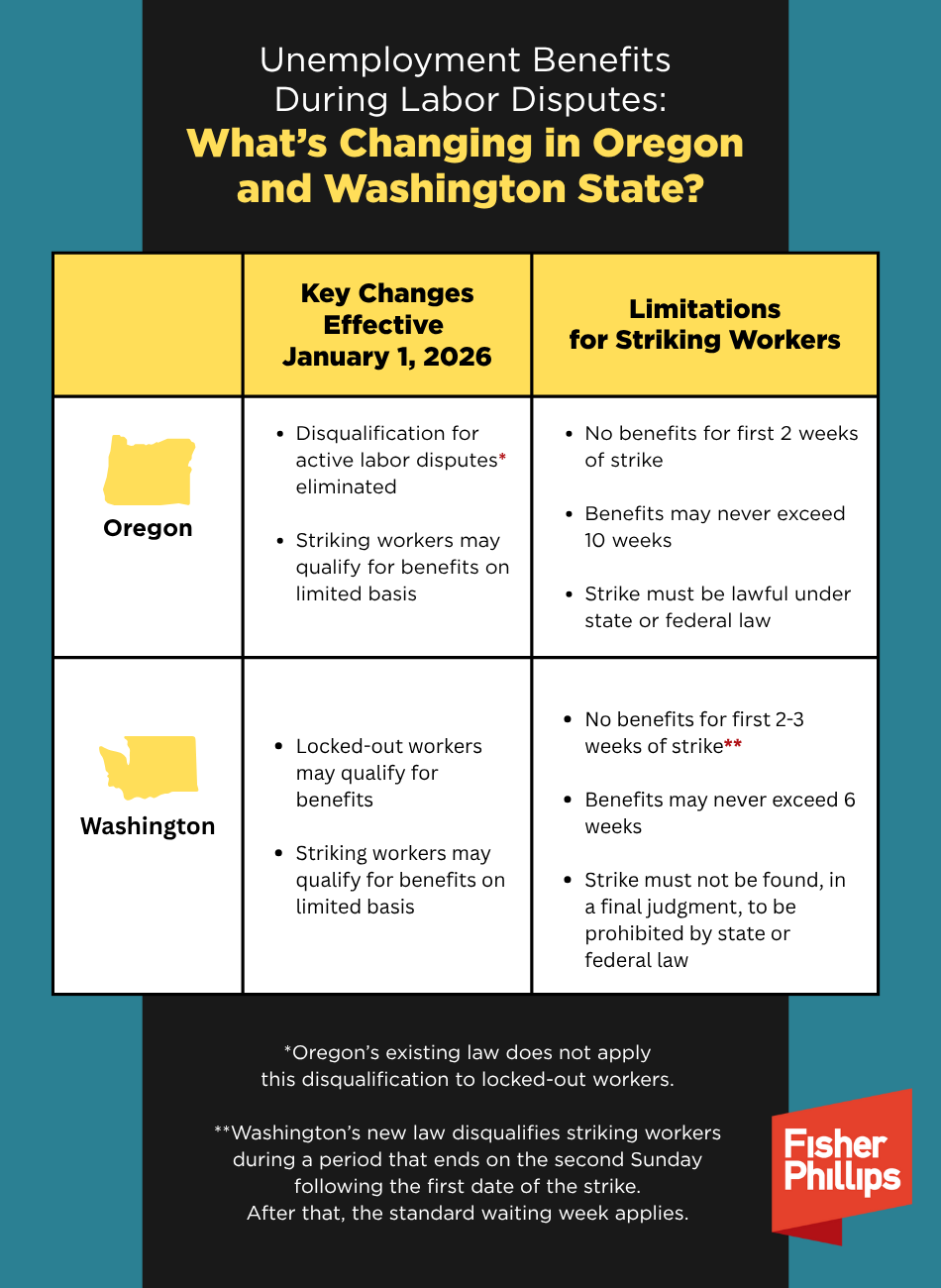
Individuals who are unemployed due to participating in a strike or labor dispute may be disqualified from receiving unemployment benefits, especially if they are still considered part of the striking union. However, there can be exceptions, and the specifics often depend on the nature of the dispute and Oregon labor laws. Generally, if you voluntarily leave work because of a strike, you may not be eligible.
Receiving Other Income
If you are receiving certain types of income while claiming unemployment benefits, it can affect your eligibility or the amount of benefits you receive. This can include:
- Pension or retirement pay: Certain types of pension income may reduce your weekly benefit amount.
- Severance pay: While severance pay itself might not always disqualify you immediately, it can sometimes be prorated and considered wages for the weeks it covers, affecting your benefit eligibility during that period.
- Vacation or sick pay: If an employer pays you for unused vacation or sick time upon separation, these payments are typically considered wages for the period they cover and will delay your eligibility for unemployment benefits.
It is imperative to report all such income accurately to the Oregon Employment Department to avoid overpayments and potential penalties.
Incarceration
If you are incarcerated, you are not considered able and available for work and therefore cannot receive unemployment benefits. This applies even if you are in jail awaiting trial or serving a sentence, as you are not able to accept employment.
Appeals Process: When You Disagree
If your claim for unemployment benefits is denied, or if you believe you have been wrongly disqualified, you have the right to appeal the decision. The appeals process in Oregon typically involves several stages, starting with an appeal to an administrative law judge. It is crucial to file your appeal within the specified timeframe and to present any evidence that supports your case. This might include documentation from your former employer, witness statements, or any other relevant records. Thoroughly understanding the reasons for denial and preparing a strong appeal are key to potentially overturning an unfavorable decision. The Oregon Employment Department provides information and resources on how to file an appeal.
In conclusion, maintaining eligibility for Oregon unemployment benefits requires a clear understanding of the state’s regulations and a commitment to fulfilling claimant responsibilities. By being aware of the potential disqualifications related to your separation from employment, your availability for work, and your active job search efforts, you can navigate the process more effectively and ensure you receive the support you need during your period of unemployment.
LifeOutOfTheBox is a participant in the Amazon Services LLC Associates Program, an affiliate advertising program designed to provide a means for sites to earn advertising fees by advertising and linking to Amazon.com. Amazon, the Amazon logo, AmazonSupply, and the AmazonSupply logo are trademarks of Amazon.com, Inc. or its affiliates. As an Amazon Associate we earn affiliate commissions from qualifying purchases.