
New York City boasts a climate that is as dynamic and varied as the city itself. As a major global metropolis, its weather patterns play a significant role in shaping the experiences of residents and visitors alike, influencing everything from daily commutes and outdoor activities to the planning of special events. Understanding the nuances of its seasonal shifts is key to appreciating the full spectrum of what this vibrant city has to offer.
Four Distinct Seasons: A Climatic Tapestry
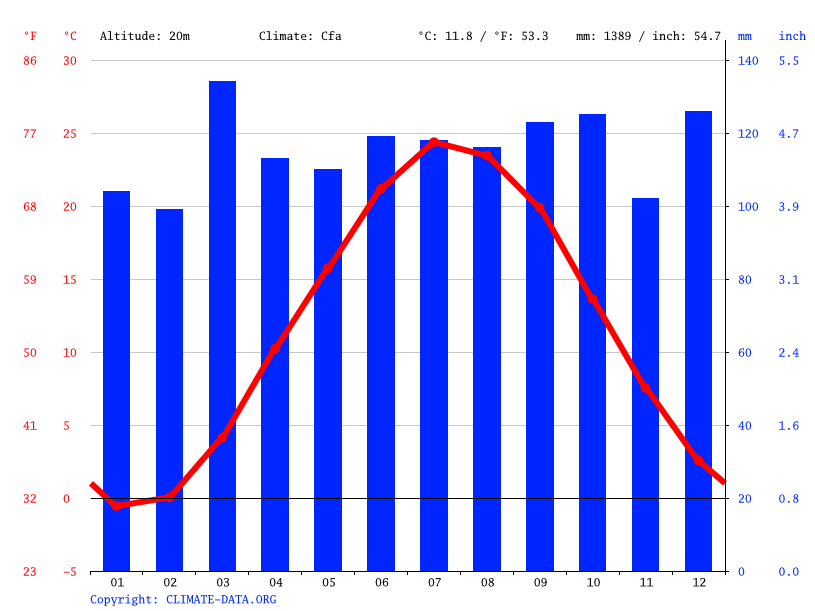
New York City experiences a humid subtropical climate, characterized by four distinct seasons, each bringing its own unique meteorological flavor. This variety means that whether you visit in the height of summer or the depths of winter, you’re likely to encounter a markedly different atmosphere.
Spring: Awakening and Renewal (March-May)
Spring in New York City is a period of gradual transition and awakening. March often begins with lingering traces of winter, including chilly temperatures and the possibility of late snowfall. However, as the month progresses, a noticeable shift occurs. Daytime temperatures begin to climb, often reaching into the 50s and 60s Fahrenheit.
April marks a more definitive arrival of spring. The city bursts into bloom, with Central Park and other green spaces transforming into vibrant displays of color. Cherry blossoms, tulips, and daffodils carpet the parks, drawing crowds eager to enjoy the milder weather. Temperatures typically range from the low 50s to the low 70s Fahrenheit, making it an ideal time for exploring the city on foot, enjoying outdoor dining, and visiting attractions like the High Line.
May is often the most pleasant month of spring, with consistently warm temperatures, averaging in the 60s and 70s Fahrenheit, and plenty of sunshine. Humidity levels are generally low, creating comfortable conditions for sightseeing and outdoor events. However, occasional spring showers can occur, so it’s wise to pack an umbrella. This period is perfect for exploring neighborhoods like Greenwich Village or taking a ferry to the Statue of Liberty.
Summer: Warmth, Humidity, and Vibrant Energy (June-August)
Summer in New York City is synonymous with heat, humidity, and an electric atmosphere. June offers a gentle transition into the peak of summer, with temperatures often in the high 70s and low 80s Fahrenheit. The city’s parks and waterfronts become popular spots for recreation and relaxation.
July and August are the hottest and most humid months. Daytime temperatures frequently soar into the 80s and occasionally the 90s Fahrenheit, often accompanied by high humidity that can make the heat feel more intense. These months are characterized by long daylight hours, making them ideal for late-night explorations and rooftop bar experiences. Popular activities include visiting Coney Island, enjoying free concerts and movies in the parks, and exploring the numerous outdoor markets.
Despite the heat, summer in New York City is a time of unparalleled energy. Outdoor festivals, street fairs, and Broadway shows draw millions. However, visitors should be prepared for the heat by staying hydrated, seeking air-conditioned venues when needed, and planning outdoor activities for cooler parts of the day. Thunderstorms can also occur during the summer months, often bringing a dramatic, yet brief, downpour.
Autumn: Crisp Air and Colorful Panoramas (September-November)
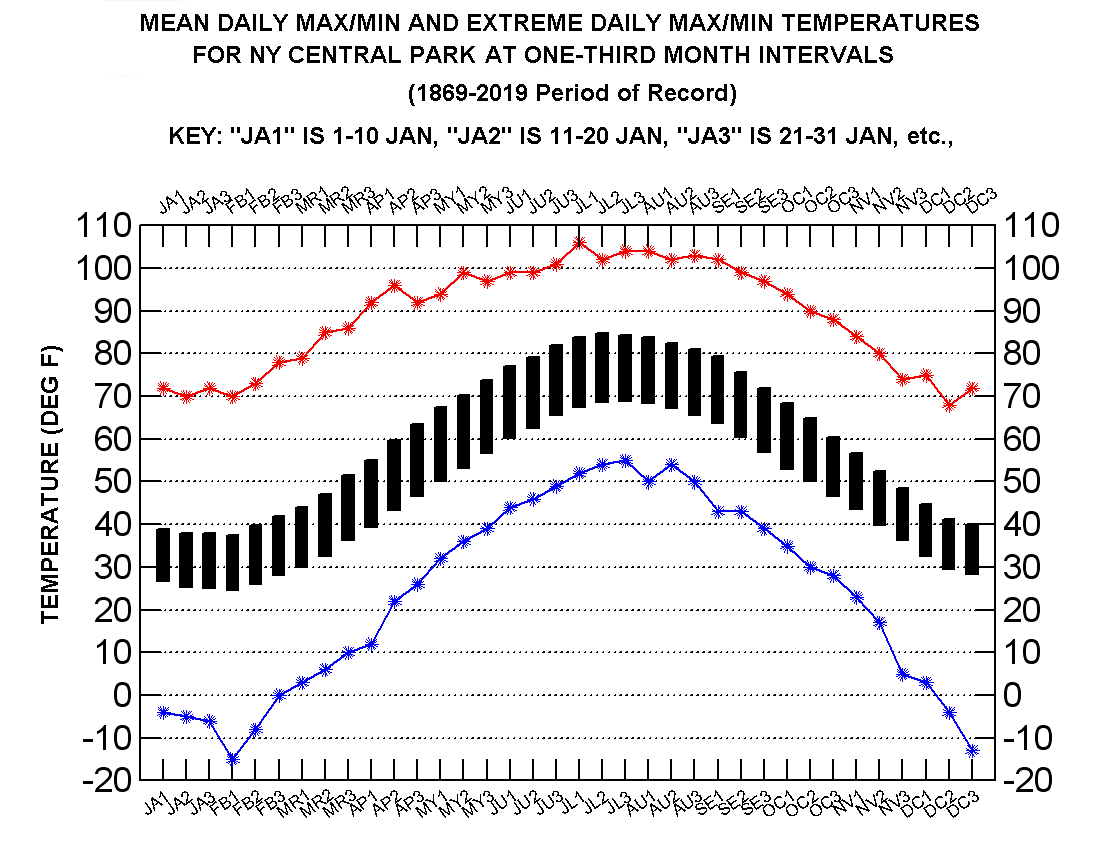
Autumn is widely regarded as one of the most beautiful seasons in New York City. September often retains some of the summer warmth, with temperatures typically in the 70s Fahrenheit, though the humidity begins to decrease. This creates a delightful environment for enjoying outdoor activities without the oppressive heat.
As October arrives, the weather becomes distinctly crisp and invigorating. Temperatures average in the 50s and 60s Fahrenheit, and the air is generally dry and clear, offering stunning views of the cityscape. This is the prime season for viewing the spectacular fall foliage, particularly in Central Park, Prospect Park, and along the Hudson River. The changing leaves paint the landscape in hues of red, orange, and gold, creating a picturesque backdrop for any visit. This is also a popular time for events like the New York City Marathon and visiting iconic landmarks like the Empire State Building.
November sees a further drop in temperatures, with averages ranging from the 40s to the 50s Fahrenheit. The leaves have largely fallen, and the city begins to prepare for winter. While the weather can be cooler, the crisp air and clear skies offer a different kind of beauty. This month often marks the beginning of holiday decorations and festivities, with the famous Thanksgiving Day Parade and the iconic Christmas tree lighting at Rockefeller Center signaling the start of the winter holiday season.
Winter: Chilly Temperatures and Festive Charm (December-February)
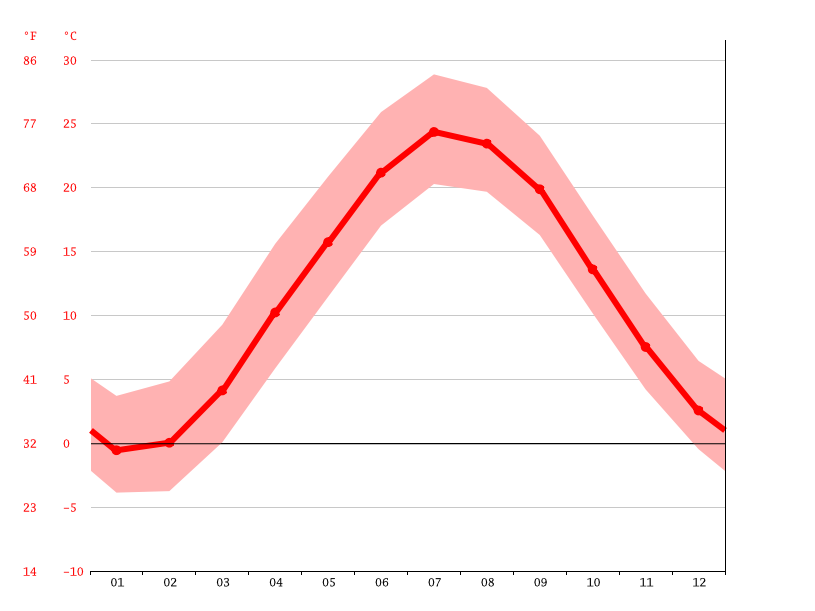
Winter in New York City can be cold, with temperatures often hovering around or below freezing. December, while still feeling the chill, often carries a festive spirit with the holiday season in full swing. Snowfall is possible throughout the winter months, and when it blankets the city, it transforms New York into a magical winter wonderland.
January and February are typically the coldest months. Average temperatures are in the 20s and 30s Fahrenheit, and wind chill can make it feel even colder. Snowfall can range from light dustings to significant snowstorms, which can sometimes disrupt transportation but also provide opportunities for winter activities like ice skating in Bryant Park or enjoying the quiet beauty of a snow-covered Central Park.
Despite the cold, winter offers a unique charm. The city is adorned with festive lights and decorations, and indoor attractions like world-class museums such as the Metropolitan Museum of Art and the American Museum of Natural History, along with Broadway theaters, provide excellent refuge from the elements. It’s also a time for cozying up in charming cafes or enjoying hearty New York cuisine. While outdoor activities are less frequent, the city’s indoor cultural scene is at its peak.
Planning Your Visit: Weather-Ready Travel
Understanding New York City’s climate is paramount for a comfortable and enjoyable visit. The key is to pack appropriately for the season and to be prepared for potential weather fluctuations.
Seasonal Packing Essentials
- Spring: Layers are essential. Pack light sweaters, long-sleeved shirts, a waterproof jacket or umbrella, and comfortable walking shoes. Expect daytime temperatures to vary, so having versatile options is beneficial.
- Summer: Lightweight, breathable clothing is crucial. Think shorts, t-shirts, sundresses, and comfortable sandals. Don’t forget sunscreen, sunglasses, and a hat to protect against the strong sun. A light jacket or cardigan can be useful for air-conditioned indoor spaces.
- Autumn: Similar to spring, layers are your best friend. Pack jeans, long-sleeved shirts, sweaters, a medium-weight jacket, and a scarf. Comfortable walking shoes are a must for exploring the city’s vibrant fall colors.
- Winter: Warm, waterproof clothing is non-negotiable. This includes a heavy, insulated coat, warm hats, gloves, scarves, and waterproof boots. Thermal layers can provide extra warmth.
Embracing the Elements
No matter the season, New York City offers a wealth of experiences. By checking the weather forecast closer to your travel dates and packing accordingly, you can ensure that the climate enhances, rather than hinders, your urban adventure. From the blooming parks of spring and the bustling streets of summer to the colorful foliage of autumn and the festive charm of winter, New York City’s diverse climate contributes to its perennial appeal as a global destination.
LifeOutOfTheBox is a participant in the Amazon Services LLC Associates Program, an affiliate advertising program designed to provide a means for sites to earn advertising fees by advertising and linking to Amazon.com. Amazon, the Amazon logo, AmazonSupply, and the AmazonSupply logo are trademarks of Amazon.com, Inc. or its affiliates. As an Amazon Associate we earn affiliate commissions from qualifying purchases.