
Navigating the diverse landscapes and administrative divisions of California can be a fascinating journey in itself. For travelers, residents, and anyone seeking to understand the Golden State’s structure, pinpointing your exact district is crucial. This isn’t just a matter of curiosity; it often dictates access to services, representation, and even the local flavor of your immediate surroundings. Whether you’re planning a visit to a specific landmark, trying to understand local governance, or simply seeking to feel more connected to the place you’re in, knowing your district is key.
California is a vast and complex state, segmented into various overlapping administrative and political districts. Understanding these layers helps demystify the state’s organization and your place within it. These districts are not static and can change based on the purpose—be it for congressional representation, state assembly, local governance, or even specific service areas like water or school districts. This guide aims to illuminate the common district types you’re likely to encounter and how to identify them.
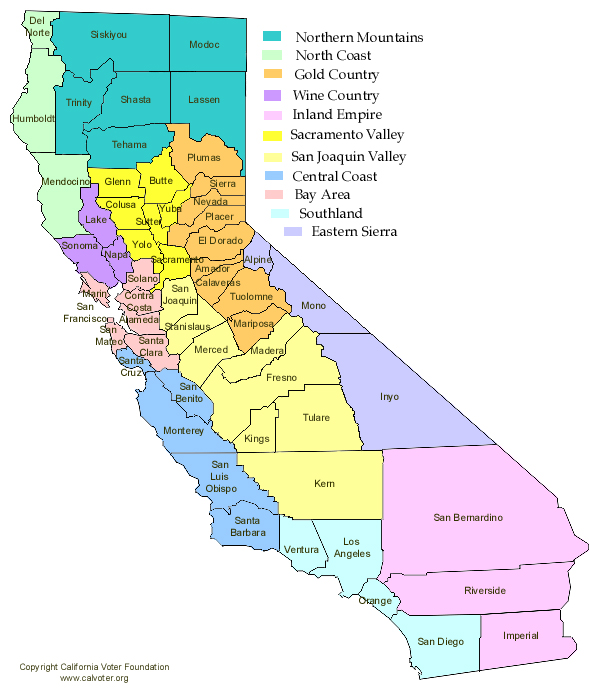
Understanding California’s District Layers
California is divided into numerous layers of representation and administration. These distinctions are vital for citizens to engage with their government, access resources, and understand local policies. For visitors, recognizing these districts can offer insights into the local community and its governance.
Congressional Districts
At the federal level, California is divided into Congressional Districts. These districts elect representatives to the United States House of Representatives. The boundaries of these districts are redrawn periodically based on population changes determined by the decennial census. Each Congressional District is designed to represent roughly an equal number of constituents. Identifying your Congressional District is essential for knowing who your federal representative is and how to contact them on matters of national policy.
State Assembly and Senate Districts
Beyond federal representation, California has its own legislative bodies: the California State Assembly and the California State Senate. These bodies are also divided into districts, each electing a representative to their respective house. Like Congressional Districts, these state-level districts are also subject to redrawing to ensure equitable representation. Your State Assembly Member and State Senator are your primary points of contact for state-level legislation and policy.
County and City Districts
Moving down to the local level, California is organized into 58 counties. Within these counties, numerous incorporated cities exist, each with its own local government. These cities are often further divided into council districts, particularly if they operate under a council-manager or strong council form of government. Your city council members represent specific geographic areas within the city, and understanding your city council district is important for local civic engagement and access to municipal services. Even if you are in an unincorporated area, you are still part of a county and may have representation on the County Board of Supervisors.
Special Districts
A unique and often overlooked layer of governance in California comprises Special Districts. These are independent districts formed to provide specific public services, which can include everything from water and sanitation, to fire protection, libraries, parks and recreation, and school districts. You might live in one city, be part of a particular Congressional District, and State Assembly district, but belong to a completely separate special district for your water supply or schooling. These districts often have their own elected boards and budgets, operating independently of city or county governments.
How to Determine Your District
Pinpointing your exact district in California requires a systematic approach. Fortunately, several online tools and resources are available to simplify this process.
Utilizing Online Tools
The most efficient way to discover your district is by leveraging official government websites.

Congressional and State Legislative Districts
The California State Legislature website, along with resources from the California Secretary of State, often provides interactive maps and lookup tools. You can typically enter your street address to determine your Congressional District, State Assembly District, and State Senate District. These tools are designed for public access and are generally updated regularly to reflect boundary changes.
Local Districts (City, County, Special Districts)
For local districts, the approach varies slightly.
- City Districts: Most incorporated cities in California have websites that detail their council districts and provide maps. Searching for “[City Name] council districts” will usually lead you to the relevant information. Some city websites also offer address lookup tools.
- County Districts: Similarly, county websites will outline Board of Supervisors districts. Entering your address on your county’s official government portal is a reliable method.
- Special Districts: Identifying your special district can sometimes be a bit more involved, as these entities are more numerous and diverse. Your property tax bill or utility bills (e.g., water, sanitation) often list the names of the special districts providing those services. The California State Association of Counties or the League of California Cities might also offer broader resource guides or links to special district directories.
Checking Official Documentation and Bills
Physical documents can also be a source of information.
- Voter Registration: If you are a registered voter, your voter registration card typically indicates your Congressional District, State Assembly District, and State Senate District.
- Property Tax Bills: As mentioned, these bills are excellent for identifying special districts that provide essential services. They often list the names of the districts and any associated tax levies.
- Utility Bills: Your water bill, electricity bill, or trash collection bill will often specify the name of the special district or agency responsible for that service in your area.
The Importance of Knowing Your District
Understanding your district is more than just an administrative detail; it’s fundamental to civic participation and accessing resources.
Civic Engagement and Representation
Knowing your elected officials at all levels—federal, state, and local—empowers you to voice your concerns, ask questions, and advocate for policies that matter to you. When you understand which representative serves which district, you can direct your communications effectively. This is crucial for influencing legislation, participating in town halls, and ensuring your community’s needs are heard.
Access to Services and Resources
Many public services are administered and funded through specific districts. For instance, the quality of your local schools is determined by your school district. Access to parks, libraries, and recreational facilities might be managed by a county parks department or a dedicated parks and recreation district. Understanding these service-oriented districts helps you navigate and utilize the resources available to you and your community.

Understanding Local Governance and Policies
Different districts operate under varying regulations and funding models, which influence local policies and community development. For example, a city’s zoning laws, which are decided by its council members, can significantly impact the types of businesses that can operate and the housing options available. Similarly, the policies of a regional water district can affect water conservation efforts and future development. By knowing your district, you gain a clearer picture of the governmental bodies shaping your daily life and the policies that govern your community.
In conclusion, identifying your district in California involves understanding the multifaceted layers of governance and service provision. By utilizing the available online tools and resources, you can efficiently determine your representation at federal, state, and local levels, as well as identify the special districts that provide essential services. This knowledge is empowering, enabling informed civic engagement and better access to the resources that define your community.
LifeOutOfTheBox is a participant in the Amazon Services LLC Associates Program, an affiliate advertising program designed to provide a means for sites to earn advertising fees by advertising and linking to Amazon.com. Amazon, the Amazon logo, AmazonSupply, and the AmazonSupply logo are trademarks of Amazon.com, Inc. or its affiliates. As an Amazon Associate we earn affiliate commissions from qualifying purchases.