
Navigating the vibrant and diverse landscape of San Francisco can be an exhilarating experience, but it often leads to a fundamental question for visitors and even some residents: “What district am I in?” The city, renowned for its distinct neighborhoods, each with its own unique character, history, and feel, is more than just a collection of streets; it’s a tapestry woven from many threads, each representing a different district. Understanding these districts is key to unlocking the authentic San Francisco experience, whether you’re seeking iconic landmarks, indulging in culinary delights, or simply trying to orient yourself within this iconic West Coast metropolis.
Understanding San Francisco’s Diverse Districts
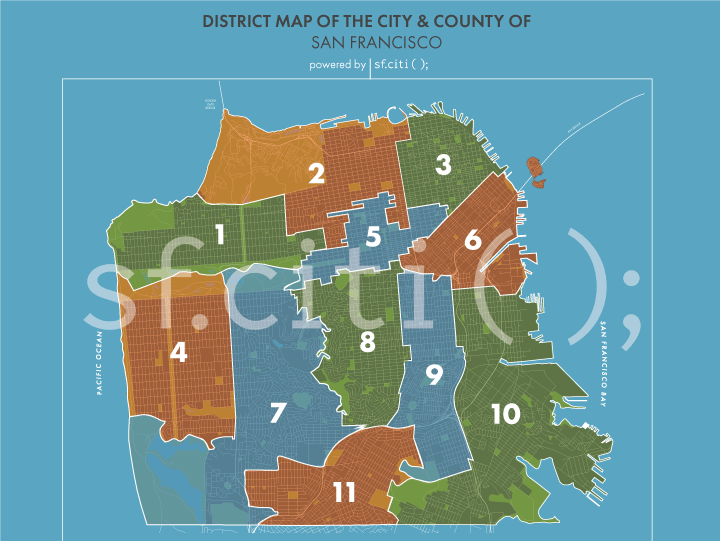
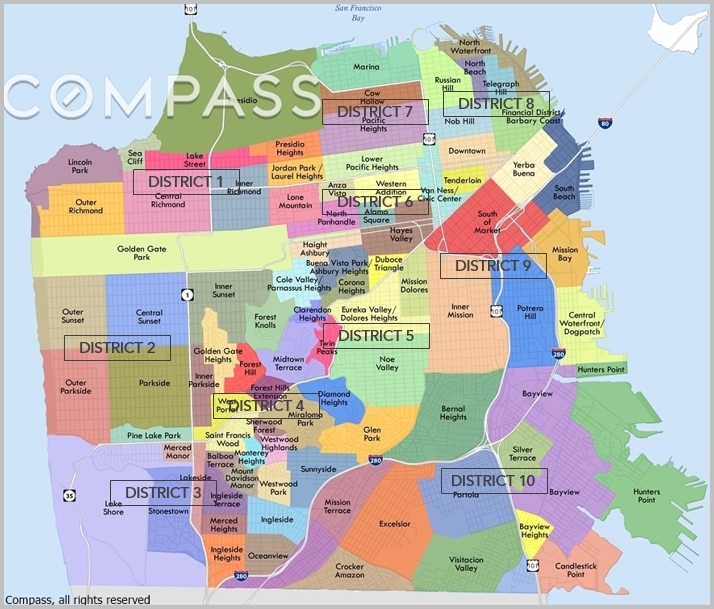
San Francisco is not officially divided into administrative districts in the same way some cities are. Instead, its identity is shaped by its numerous named neighborhoods, often referred to colloquially as districts. These districts are the true heartbeats of the city, each offering a distinct atmosphere, architectural style, and cultural flavor. From the rolling hills of Nob Hill to the bustling streets of the Financial District, the vibrant energy of the Mission District to the artistic enclave of North Beach, understanding these distinctions is crucial for making the most of your visit.
Key Neighborhoods and Their Defining Characteristics
-
The Castro: Historically recognized as the epicenter of the LGBTQ+ community in San Francisco, The Castro is a district brimming with vibrant culture, lively bars, unique boutiques, and a palpable sense of history. Its colorful Victorian architecture and the iconic rainbow flag are unmistakable markers of its identity.
-
Chinatown: As the oldest Chinatown in North America and the largest outside of Asia, this district is a sensory feast. Intricate pagodas, bustling markets, aromatic food stalls, and a constant hum of activity define this cultural enclave. It’s a world within a world, offering an immersive experience in Chinese culture.
-
Civic Center: Home to many of the city’s governmental and cultural institutions, the Civic Center area is characterized by grand public buildings, including City Hall and the War Memorial Opera House. It serves as a central hub for civic life and major events.
-
Cow Hollow: Known for its upscale boutiques, trendy restaurants, and vibrant nightlife, Cow Hollow is a fashionable district where residents and visitors alike enjoy a lively atmosphere. The Victorian and Edwardian architecture adds to its charm.
-
Dogpatch: Once an industrial area, Dogpatch has transformed into a burgeoning hub for arts, culture, and technology. It retains some of its industrial heritage, now blended with modern living spaces and innovative businesses.
-
Downtown/Financial District: This is the commercial heart of San Francisco, dominated by towering skyscrapers housing major corporations. It’s a busy area during weekdays, with a more subdued feel on weekends, though it offers a wealth of dining and entertainment options.
-
Embarcadero: Stretching along the waterfront, the Embarcadero offers stunning views of the bay, the Bay Bridge, and Alcatraz Island. It’s a popular spot for walking, cycling, and enjoying the maritime atmosphere, featuring landmarks like the Ferry Building Marketplace.
-
Financial District: (See Downtown/Financial District above)
-
Haight-Ashbury: Immortalized by the 1967 Summer of Love, Haight-Ashbury remains a vibrant center of counterculture, vintage shops, independent boutiques, and iconic Victorian architecture. It’s a living testament to the district’s bohemian past.
-
Hayes Valley: This trendy district is a paradise for shoppers and foodies, boasting a curated selection of designer boutiques, independent shops, and critically acclaimed restaurants and cafes. Its tree-lined streets are perfect for a leisurely stroll.
-
Japantown: One of only three remaining Japantowns in the continental United States, this district offers a rich cultural experience with its unique shops, authentic restaurants, and serene gardens. The Japan Center Malls are a focal point, providing a glimpse into Japanese heritage.
-
Lower Haight: Adjacent to Haight-Ashbury, the Lower Haight offers a slightly more laid-back, yet equally hip, atmosphere. It’s known for its eclectic mix of bars, restaurants, and independent shops.
-
Lower Nob Hill: Situated below the more opulent Nob Hill, this area retains a sophisticated charm with its historic buildings, boutique hotels, and diverse culinary scene.
-
Mid-Market: This evolving district is a mix of historic theaters, tech companies, and emerging businesses, showcasing a dynamic blend of old and new San Francisco.
-
Mission District: Famous for its vibrant Latino culture, stunning murals, and renowned culinary scene, the Mission District is one of the city’s most dynamic and historically significant neighborhoods. It’s a hub for art, music, and delicious burritos.
-
Nob Hill: Perched atop one of the city’s highest hills, Nob Hill is synonymous with historic mansions, luxurious hotels like the Fairmont San Francisco and The Mark Hopkins Hotel, and breathtaking panoramic views of the city and the bay.
-
North Beach: Historically the heart of San Francisco’s Beat Generation, North Beach retains its bohemian spirit with its lively Italian heritage, jazz clubs, poetry cafes, and iconic landmarks like the City Lights Bookstore.
-
Pacific Heights: This affluent residential neighborhood is characterized by its stunning Victorian and Edwardian mansions, manicured gardens, and picturesque views of the Golden Gate Bridge and the bay.
-
Presidio: Once a military installation, the Presidio is now a national park offering incredible natural beauty, hiking trails, historical sites, and unparalleled views. It’s a green oasis within the urban landscape.
-
Richmond District: A sprawling neighborhood offering a more residential feel, the Richmond District is known for its diverse population, its proximity to Golden Gate Park, and its excellent Asian restaurants, particularly along Geary Boulevard.
-
Russian Hill: Similar to Nob Hill in its elevated position and charm, Russian Hill is famous for the winding curves of Lombard Street, the “most crooked street in the world,” and its stunning city views.
-
SoMa (South of Market): This dynamic district is a hub for technology companies, nightlife, museums, and entertainment venues. It’s a rapidly evolving area that blends industrial chic with modern urban development.
-
Sunset District: Another large residential area, the Sunset District is known for its proximity to the Pacific Ocean and Golden Gate Park. It offers a more relaxed pace of life with numerous family-friendly amenities.
-
Tenderloin: A district with a complex history and a diverse population, the Tenderloin is undergoing significant revitalization. It’s home to historic theaters and a growing number of cultural and culinary establishments.
-
Western Addition: This historic neighborhood has a rich African American heritage and features a mix of Victorian homes, modern developments, and cultural institutions, including the Fillmore Street shopping and dining corridor.
Navigating San Francisco: Tools and Tips
To determine which district you are currently in within San Francisco, there are several practical approaches you can take, leveraging technology and local knowledge.
Leveraging Technology for Real-Time Location
In today’s digital age, the most straightforward method is to use your smartphone’s mapping applications.
-
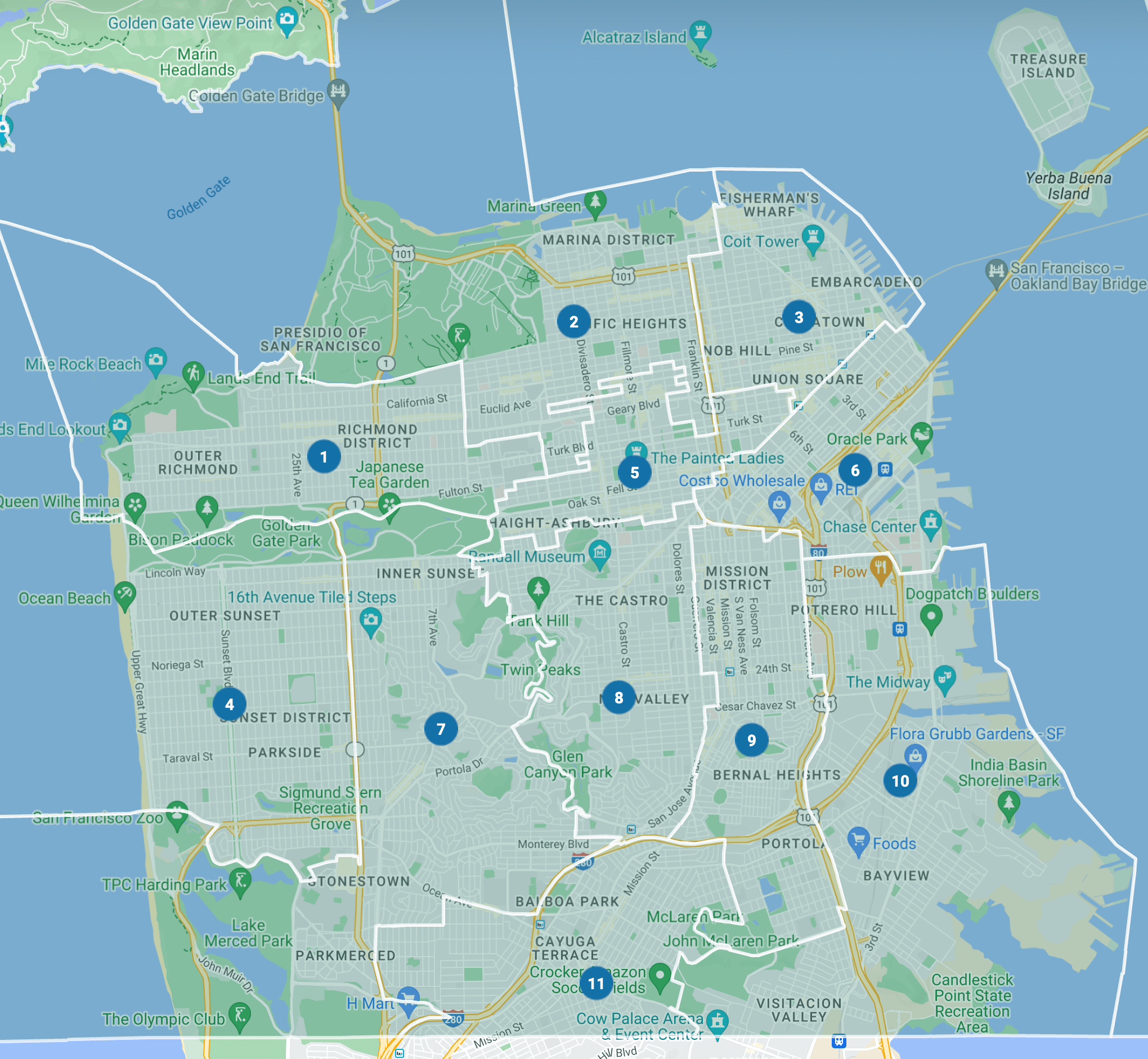
GPS-Enabled Maps: Applications like Google Maps or Apple Maps utilize your device’s GPS to pinpoint your exact location. Simply open the app, and it will display a blue dot indicating your position on the map. The surrounding area will often be clearly labeled with neighborhood names. For more detail, you can zoom in, and the app will usually show street boundaries and official neighborhood designations.
-
Street View Features: The street view functionality within these map applications can be particularly helpful. By virtually “standing” on a street corner, you can often see street signs, notable businesses, or landmarks that can help you identify your surroundings and confirm your district.
Recognizing Visual Cues and Landmarks
Beyond digital tools, San Francisco offers many visual cues that can help you identify your district. Each neighborhood possesses a distinct architectural style, street art, or iconic landmark that serves as an identifier.
-
Architectural Styles: Are you surrounded by grand Victorian mansions with intricate gingerbread trim, typical of Pacific Heights or Haight-Ashbury? Or perhaps you’re amidst modern skyscrapers in the Financial District? The style of buildings is a strong indicator.
-
Street Art and Murals: Districts like the Mission District are famous for their vibrant street art and murals, often depicting cultural and political themes. The presence of such art can immediately place you within this specific artistic enclave.
-
Iconic Landmarks: Are you near the waterfront, perhaps catching a glimpse of the Bay Bridge or the Ferry Building Marketplace along the Embarcadero? Or are you looking up at the opulent hotels on Nob Hill? Recognizing these prominent features is a key to orienting yourself.
-
Atmosphere and Vibe: Each district has a unique atmosphere. Is it bustling with trendy boutiques and cafes like Hayes Valley? Is it steeped in a bohemian past with vintage shops, like North Beach or Haight-Ashbury? Is it filled with the aroma of authentic cuisine, such as in Chinatown or the Mission District? The overall feeling of a place is often a strong clue.
Consulting Local Resources and Information
If you’re still unsure, don’t hesitate to seek local assistance or consult readily available information.
-
Ask Locals: San Franciscans are generally friendly and happy to help. Asking a shopkeeper, a barista, or a passerby can provide a quick and accurate answer.
-
Public Transportation Information: If you are near a Muni bus stop or BART station, the route maps and station names displayed can often indicate the general area or district you are in.
-
Visitor Information Centers: While less common for precise district identification, official visitor centers or hotel concierges can provide maps and information that might help you pinpoint your location.
The Importance of District Awareness for Travelers
Understanding which district you are in San Francisco is more than just a matter of geographical curiosity; it significantly enhances the travel experience. It allows for a deeper appreciation of the city’s rich tapestry of cultures, its historical narratives, and its unique urban fabric.
Enhancing Cultural Immersion
Each district in San Francisco is a microcosm of a larger cultural narrative. Knowing you are in the Mission District immediately suggests an exploration of its Latino heritage, its vibrant street art scene, and its renowned Mexican and Central American culinary offerings. Similarly, being in Chinatown opens the door to experiencing traditional Chinese customs, flavors, and architecture. This district-specific awareness fosters a more profound cultural immersion, moving beyond superficial sightseeing to genuine engagement.
Optimizing Your Itinerary and Experiences
When planning your activities, knowing your district can be incredibly efficient. If you’re interested in vintage clothing and the history of the 1960s counterculture, knowing you are near Haight-Ashbury allows you to focus your time and energy effectively. If your goal is to enjoy panoramic city views and the grandeur of historic hotels, understanding that you are in the vicinity of Nob Hill or Russian Hill can guide your exploration. It also helps in discovering hidden gems – local cafes, independent bookstores, or small galleries that might be specific to a particular neighborhood and easily missed if you’re not attuned to its unique character.
Navigating with Confidence and Ease
For travelers, especially those unfamiliar with the city’s layout, knowing the districts can significantly reduce stress and improve navigation. Instead of just seeing street names, you gain context. For instance, understanding that you are in the Financial District during the weekend might signal a quieter atmosphere compared to a weekday, or suggest exploring nearby attractions in SoMa. It allows for more confident decision-making regarding dining, transportation, and general exploration, turning potential confusion into a sense of assured discovery.
Discovering the Soul of San Francisco Through its Districts
San Francisco’s true magic lies not just in its famous attractions but in the distinct souls of its neighborhoods. Each district offers a unique perspective, a different story, and a singular experience. From the bohemian charm of North Beach to the bustling streets of the Mission District, and the affluent beauty of Pacific Heights to the natural serenity of the Presidio, identifying your district is the first step in unlocking the multifaceted character of this extraordinary city. Embrace the journey of discovery, let your curiosity guide you, and allow the distinct identities of San Francisco’s districts to reveal the true essence of the Golden Gate City.
LifeOutOfTheBox is a participant in the Amazon Services LLC Associates Program, an affiliate advertising program designed to provide a means for sites to earn advertising fees by advertising and linking to Amazon.com. Amazon, the Amazon logo, AmazonSupply, and the AmazonSupply logo are trademarks of Amazon.com, Inc. or its affiliates. As an Amazon Associate we earn affiliate commissions from qualifying purchases.