
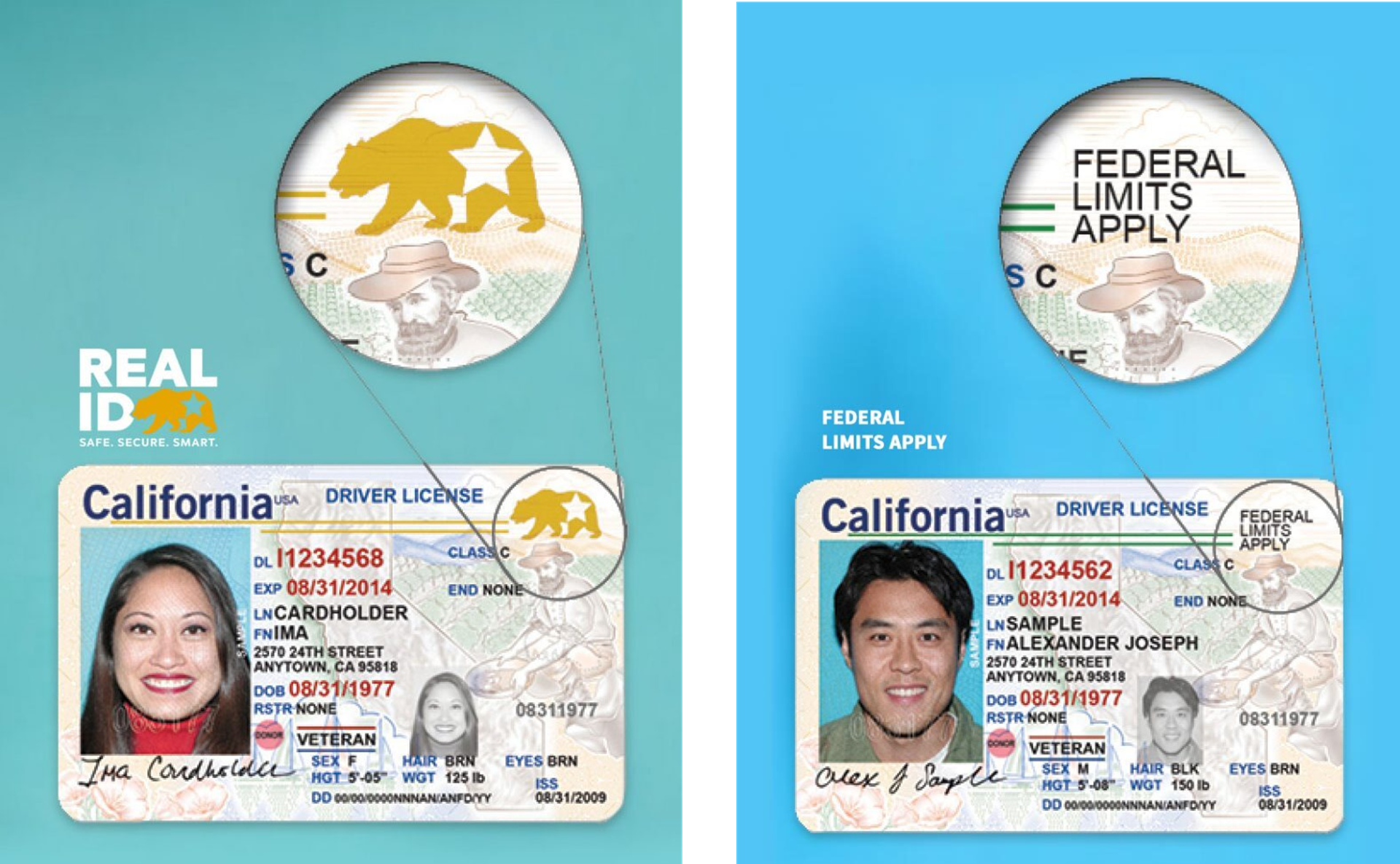
Navigating the requirements for a Real ID in California can seem daunting, but understanding its importance, especially for travel, streamlines the process. This enhanced driver’s license or identification card is more than just a piece of plastic; it’s a key document for domestic air travel and accessing federal facilities within the United States. For travelers, securing a California Real ID is a crucial step to ensure hassle-free journeys across the nation.
Understanding the Real ID Act and Its Importance for Travel
The Real ID Act was passed by Congress in 2005, stemming from a recommendation by the 9/11 Commission. Its primary goal is to establish minimum security standards for state-issued driver’s licenses and identification cards and to regulate the acceptance of these documents by federal agencies. While originally slated for full enforcement much earlier, various extensions have been granted, with the current enforcement deadline set for May 7, 2025. This means that as of this date, a standard driver’s license will no longer be sufficient identification to board domestic flights or enter secure federal facilities like military bases or nuclear power plants.
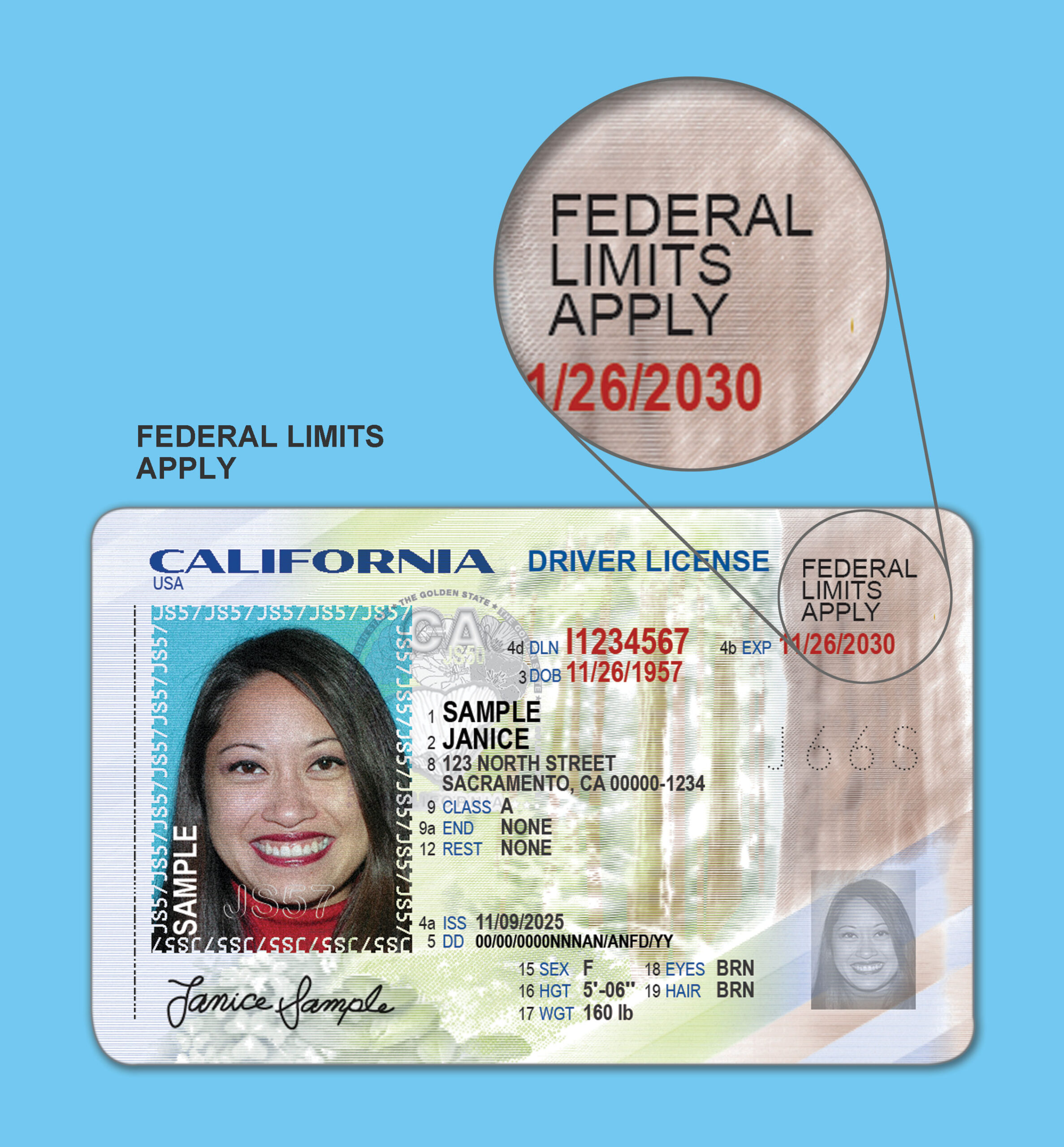
The Federal Mandate and Domestic Air Travel
For the average individual, the most significant impact of the Real ID Act lies in its requirements for domestic air travel. After the May 7, 2025, deadline, travelers aged 18 and older will need a Real ID compliant driver’s license or state ID card, or another acceptable form of identification, such as a valid U.S. passport or military ID, to fly within the United States. Without one of these approved documents, you could be denied boarding at the airport security checkpoint, effectively grounding your travel plans.
This federal mandate ensures a standardized and higher level of security for identification documents, making it harder for individuals to use fraudulent IDs. For frequent flyers, vacationers, or anyone planning future domestic trips, obtaining a Real ID is not just a recommendation; it’s an essential step in preparing for stress-free travel. It eliminates the need to carry a passport for domestic flights, offering a convenient alternative for many.
Beyond the Airport: Other Uses
While domestic air travel is the most prominent reason for travelers to acquire a Real ID, its utility extends to other areas as well. Federal facilities, including military bases, federal courthouses, and other secure government buildings, also require Real ID compliant identification for entry. For those who travel for business, particularly if it involves visits to federal sites, or for family members visiting military personnel, a Real ID ensures smooth access. It simplifies interactions with federal agencies by providing a universally recognized and accepted form of identification that meets stringent federal security standards.
Essential Documents for Your California Real ID Application
Applying for a California Real ID requires careful preparation and the collection of several key documents. The California Department of Motor Vehicles (DMV) is very strict about the types of documents accepted, and having everything in order before your appointment is crucial to avoid multiple visits. Each document serves to verify a specific piece of your identity, residency, or legal status.
Proof of Identity
The cornerstone of your Real ID application is proving who you are. You need to provide one document from the DMV’s approved list that establishes your identity and legal presence in the United States. The most common and widely accepted documents include:
- U.S. Birth Certificate: An original or certified copy issued by a state or local government agency. Hospital-issued birth certificates are generally not accepted.
- U.S. Passport or Passport Card: Must be valid and unexpired.
- Foreign Passport with an approved I-94 form: Accompanied by other documentation proving lawful presence.
- Certificate of Naturalization or Citizenship: (Form N-550, N-570, N-560, N-561, N-645, N-643).
- Permanent Resident Card: (Form I-551).
- Employment Authorization Document: (EAD) (Form I-766) or other federal documents verifying lawful presence.
It is critical that the name on this document matches your current legal name. Any discrepancies will require additional documentation, as detailed in the “Proof of Name Change” section.
Proof of Residency
To get a California Real ID, you must demonstrate that you are a current resident of California. You will need to provide two different documents that show your physical address in the state. These documents must list your name and the same physical address. P.O. boxes are not accepted for residency proof. Examples of acceptable documents include:
- Utility Bills: (e.g., gas, electric, water, trash, cell phone, landline phone).
- Rental or Lease Agreement: Signed by both landlord and tenant.
- Mortgage Bill or Statement: Current or recent.
- Bank or Financial Institution Records: Statements or loan documents.
- Medical Documents: Billing statements, explanation of benefits (EOB).
- Employment Documents: Pay stubs, employer-issued documents.
- Insurance Documents: (e.g., vehicle, home, health).
- Vehicle Registration or Title: From California.
- School Documents: Transcripts or enrollment letters.
The dates on these documents are important; they should typically be recent (within the last few months) to prove current residency.
Proof of Social Security Number
The DMV requires proof of your Social Security Number (SSN). You must present one document that clearly displays your full SSN. Acceptable documents include:
- Social Security Card: The actual card issued by the Social Security Administration.
- W-2 Form: Wage and Tax Statement.
- SSA-1099 Form: Social Security Benefit Statement.
- Non-SSA-1099 Form: Miscellaneous Income.
- Pay Stub: With your full SSN listed.
It’s crucial that the name on your SSN document matches the name on your identity document. If there’s a discrepancy due to a name change, you’ll need supporting legal documents.
Proof of Name Change (If Applicable)
If your current name differs from the name on your primary identity document (e.g., birth certificate or passport) due to marriage, divorce, adoption, or other legal name change, you must provide legal documentation to link the names. You will need to bring all documents that show the legal progression of your name change. Examples include:
- Marriage Certificate: Original or certified copy.
- Divorce Decree: Which specifically states the name change or restoration of a maiden name.
- Adoption Papers: Legally executed.
- Court Order for Name Change: Official legal document.
Ensure these documents are originals or certified copies and clearly show the link between your previous and current legal names. Failure to provide a complete “chain of name changes” can delay your application significantly.
The Application Process at the DMV
Once you have gathered all your required documents, the next step is to initiate and complete your Real ID application through the California DMV. While some steps can be done online, an in-person visit is mandatory to finalize the process.
Online Application and Appointment Scheduling
The DMV strongly encourages applicants to start the Real ID application online. This involves filling out the driver’s license and ID card application form (DL 44) through their website. During this online process, you will upload digital copies of your required documents. Completing this step online can save significant time during your in-person visit, as much of the data entry and initial document review will have already been performed.
After submitting your online application, it is highly recommended to schedule an appointment at your nearest DMV office. DMV offices can be very busy, and an appointment drastically reduces waiting times, making your experience more efficient. When scheduling, indicate that you are applying for a Real ID to ensure you are allocated the appropriate service time.
The In-Person Visit
Your in-person visit to the DMV is where the final verification and processing occur. Even if you’ve completed the online application, you must bring all original physical documents that you uploaded online. The DMV agent will review these originals to verify their authenticity and confirm they match the information provided in your online application.
During your visit, you will also:
- Have your photo taken: Ensure you are prepared for a new photo.
- Provide a thumbprint: For identification purposes.
- Sign your application: Electronically.
- Pass a vision test: This is standard for all driver’s license or ID card applications.
- Pay the applicable fee: The fee for a Real ID driver’s license or ID card is the same as a standard one.
Once all steps are completed and your documents are approved, you will receive a temporary Real ID document. Your permanent card will then be mailed to your address within a few weeks. The temporary document is generally accepted for domestic air travel, but it’s always wise to check with the Transportation Security Administration (TSA) or your airline for any specific requirements before your travel date.

Planning Ahead: Tips for a Smooth Real ID Application
Securing your California Real ID doesn’t have to be a stressful ordeal. By planning ahead and being meticulous with your preparation, you can ensure a smooth and successful application process, setting yourself up for worry-free travel.
- Start Early: Do not wait until the last minute, especially with the May 7, 2025, deadline approaching. DMV offices can experience increased demand closer to the deadline. Starting well in advance provides ample time to gather documents and navigate potential unforeseen issues.
- Verify Documents Meticulously: Double-check every single document against the DMV’s official checklist. Ensure names, addresses, and dates match perfectly where required. Any inconsistencies, no matter how minor, can lead to rejection.
- Use the DMV’s Online Document Checklist: The California DMV website offers an interactive checklist tool. Utilize this tool to get a personalized list of documents based on your specific situation. Print it out and use it as you collect your originals.
- Organize Your Documents: Keep your original documents neatly organized in a folder or envelope. This makes it easy for the DMV agent to review them quickly and reduces the chance of misplacing anything.
- Know Your Name Change History: If your name has changed multiple times, ensure you have the complete legal “chain” of documents linking your birth name to your current legal name. For example, if you married, divorced, and then remarried, you might need all three certificates.
- Consider a Passport: If gathering documents for a Real ID proves too complex or time-consuming, remember that a valid U.S. passport is always an acceptable alternative for domestic air travel and entry into federal facilities. It can be a viable backup plan or primary form of ID for travelers.
By diligently following these guidelines, you can navigate the Real ID application process efficiently, securing the identification you need for seamless domestic travel and access to federal facilities. It’s an investment in your future travel convenience and compliance with federal security standards.
LifeOutOfTheBox is a participant in the Amazon Services LLC Associates Program, an affiliate advertising program designed to provide a means for sites to earn advertising fees by advertising and linking to Amazon.com. Amazon, the Amazon logo, AmazonSupply, and the AmazonSupply logo are trademarks of Amazon.com, Inc. or its affiliates. As an Amazon Associate we earn affiliate commissions from qualifying purchases.