
Establishing residency or simply needing a valid form of identification while in Florida is a common requirement for many, whether you’re a new resident, a long-term visitor, or someone who chooses not to drive. Obtaining a Florida ID card is a straightforward process, but understanding the necessary documentation and steps involved is crucial for a smooth experience. This comprehensive guide will walk you through everything you need to know to secure your official Florida identification.
Understanding the Florida ID Card
Before delving into the specifics of the application process, it’s important to understand what a Florida ID card is, who typically needs one, and how it differs from a driver’s license. This foundational knowledge will help clarify its purpose and applicability to your individual situation.
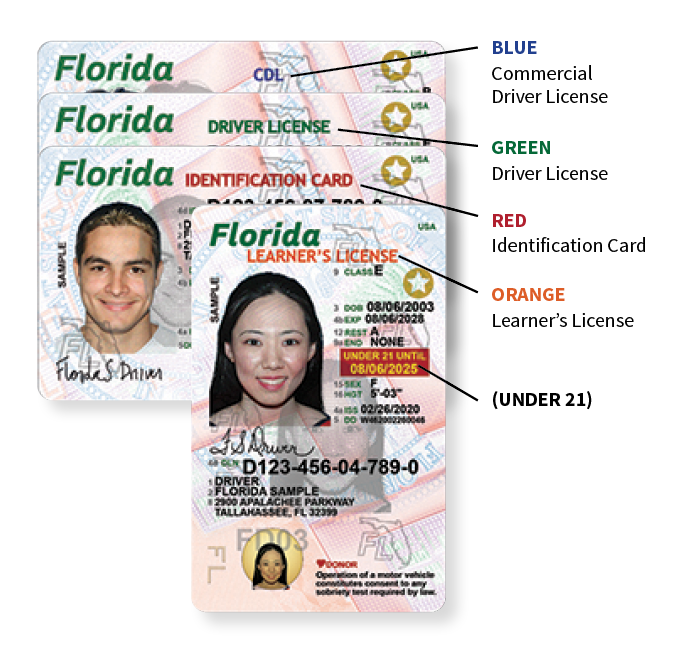
Who Needs a Florida ID?
A Florida ID card serves as a primary form of identification for non-drivers and individuals who prefer not to carry a driver’s license. It is officially issued by the Florida Department of Highway Safety and Motor Vehicles (DHSMV) and is recognized nationwide. Common scenarios where a Florida ID card is necessary include:
- Non-Drivers: Individuals who do not operate a motor vehicle but require official photo identification for various purposes.
- New Residents: Those moving to Florida who need to establish official state residency for banking, employment, or other services.
- Proof of Age: For purchasing age-restricted items, entering certain venues, or proving eligibility for senior discounts.
- Domestic Travel: While not a REAL ID-compliant document on its own for air travel (unless issued as such after specific dates), it serves as valid identification for many other domestic travel scenarios, such as train or bus travel.
- Access to Services: Required for interactions with government agencies, utility companies, healthcare providers, and more.
Essentially, if you live in Florida and need official proof of your identity and address, a Florida ID card is your go-to document.
ID Card vs. Driver’s License
While both a Florida ID card and a Florida driver’s license are issued by the DHSMV and serve as valid forms of identification, their primary functions differ significantly.
- Florida ID Card: This document’s sole purpose is to verify identity and residency. It explicitly states that it is “NOT FOR DRIVING.” It does not grant the holder permission to operate a motor vehicle.
- Florida Driver’s License: This document serves as both proof of identity and legal authorization to operate a motor vehicle on public roads. It includes information about the driver’s license class, endorsements, and any restrictions.
The application requirements for both are very similar, especially concerning the need to prove identity, Social Security number, and residential address. However, obtaining a driver’s license additionally requires passing knowledge and driving skills tests. If driving is not your intention, the ID card is the simpler and more appropriate choice.
Essential Documents for Your Application
The process of obtaining a Florida ID card hinges on providing proper documentation. The DHSMV requires specific original documents or certified copies to verify your identity, Social Security number (SSN), and residential address. Failing to bring the correct documents will result in your application being denied, requiring another visit.
Proof of Identity (One of the Following)
This is perhaps the most critical component. You must present one original document that establishes your legal name and date of birth. Examples include:
- Certified Birth Certificate: Must be an original or certified copy issued by a government agency. Hospital birth records are typically not accepted.
- Valid US Passport or Passport Card: Unexpired United States passport.
- Certificate of Naturalization (Form N-550 or N-570): For naturalized US citizens.
- Consular Report of Birth Abroad (Form FS-240, DS-1350, or FS-545): For those born abroad to US citizens.
- Alien Registration Card (Form I-151) or Permanent Resident Card (Form I-551): For lawful permanent residents.
- Employment Authorization Card (Form I-766): For non-citizens authorized to work in the United States.
- Other DHSMV-approved immigration documents: Check the official DHSMV website for a complete list if your situation is unique.
It’s essential that the name on your identity document matches your current legal name. If your name has changed due to marriage, divorce, or other legal processes, you must also provide official documentation of the name change (e.g., marriage certificate, divorce decree, court order).
Proof of Social Security Number (One of the Following)
You are required to present one document verifying your Social Security number. The document must contain your full Social Security number.
- Social Security Card: Your physical Social Security card (must be signed).
- W-2 Form: A wage and tax statement that includes your full SSN.
- Pay Stub: A recent pay stub displaying your full SSN.
- SSA-1099 or Non-SSA-1099 Form: Tax forms from the Social Security Administration or other entities that show your full SSN.
- Other official documents: Any other official document from the Social Security Administration displaying your full SSN.
If you cannot locate your Social Security card or other documents, you may need to contact the Social Security Administration (SSA) to obtain a replacement or official verification.
Proof of Residential Address (Two Different Documents)
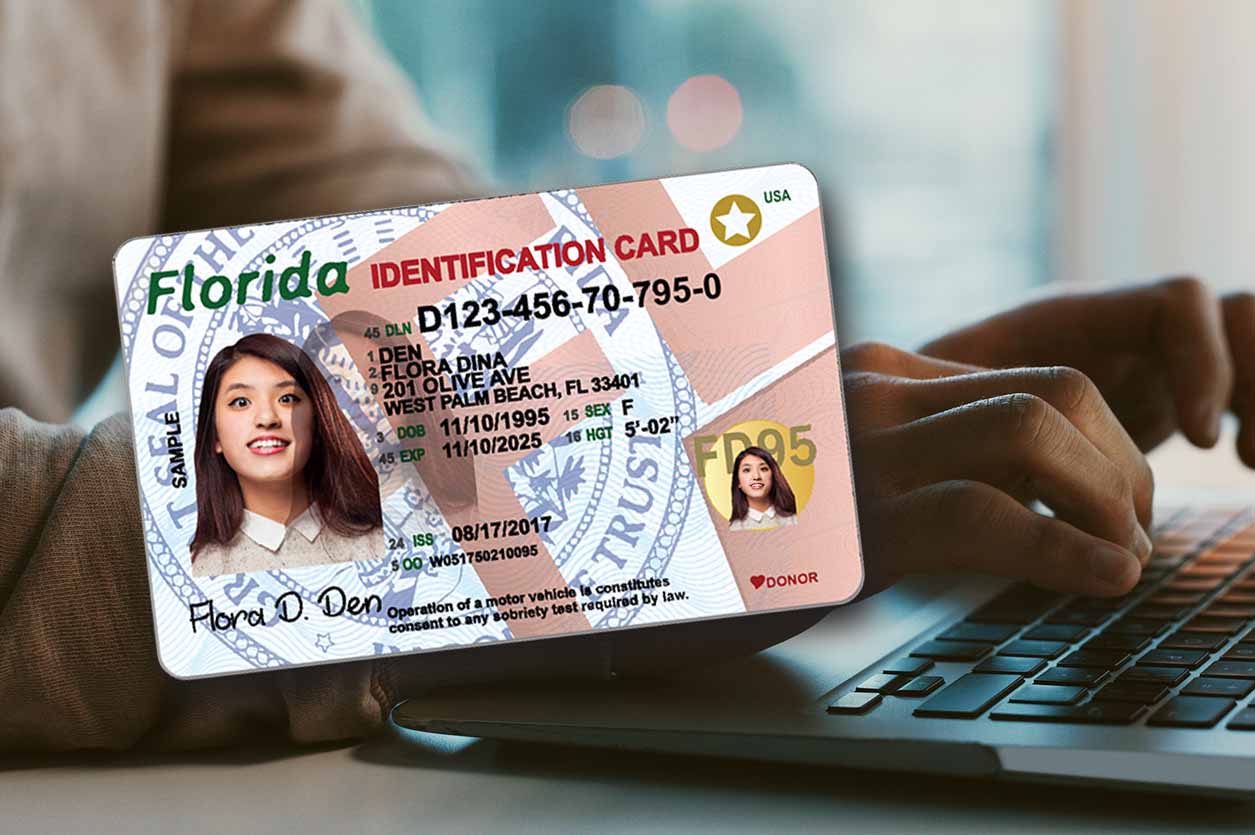
To prove your Florida residential address, you must provide two different documents issued within the last year that show your residential address in Florida. A P.O. Box address is not acceptable as a residential address. Examples include:
- Utility Bill: Electric, water, gas, cable, or landline phone bill. Cell phone bills are generally not accepted.
- Home Deed, Mortgage, Monthly Mortgage Statement, or Rental Agreement: Legal documents proving ownership or tenancy.
- Financial Statements: Checking or savings account statement, credit card statement (must be a physical statement, not just an online screenshot).
- Insurance Policy: Automobile, home, or life insurance policy.
- Mail from Government Agencies: Documents from federal, state, county, or city government agencies (e.g., Florida voter registration card, property tax bill).
- School Transcripts: For students living in Florida.
- Vehicle Registration/Title: If it shows your current Florida address.
Make sure these documents display your name and the complete Florida residential address. If you’re a recent mover and don’t have two distinct documents in your name, contact the DHSMV or visit their website for acceptable alternatives, which might include a “Certification of Address” form signed by a parent, guardian, or property owner, along with their proof of address.
The Application Process: Step-by-Step
Once you’ve gathered all the necessary documents, the application process itself is fairly straightforward. Here’s a breakdown of what to expect.
Locate Your Nearest DMV or Tax Collector’s Office
Florida ID cards are issued at local DHSMV Service Centers or authorized Tax Collector’s Offices. You can find the nearest location by visiting the DHSMV website and using their service center locator tool. Locations are available across major cities like Miami, Orlando, Tampa, and Jacksonville. It’s often advisable to check if the specific office requires an appointment, as walk-in services can sometimes lead to long wait times. Many offices now offer online appointment scheduling, which can significantly streamline your visit.
Complete the Application Form
At the service center, you will be provided with an application form (Form HSMV 71142, if applying for a new ID card). You’ll need to accurately fill in your personal information, including your full name, date of birth, Social Security number, and residential address. Ensure all details match your supporting documents exactly.
A service agent will review your documents to ensure they meet the DHSMV’s requirements. They will scan your documents and capture your photograph and signature. You may also be asked to provide a thumbprint.
Fee Structure and Payment
There is a fee associated with obtaining a Florida ID card. The exact amount can vary slightly, so it’s always a good idea to check the current fee schedule on the DHSMV website before your visit. As of recent updates, the fee for an original or renewal Florida ID card is typically around $25. Most locations accept cash, check, and major credit/debit cards, but it’s wise to confirm payment options for your specific service center.
What to Expect Post-Application
Once your application is processed and the fee is paid, you will usually receive a temporary Florida ID card. This temporary document is valid for a short period (typically 30 days) and serves as proof that you have applied for the official card. Your permanent, plastic Florida ID card will then be mailed to your residential address within a few weeks, usually within 7-10 business days. It is crucial to verify that the temporary ID card has the correct information before leaving the service center. If there are any discrepancies, report them immediately.
Special Considerations and Tips
Navigating the ID card process can have nuances depending on individual circumstances.
For Non-US Citizens
Non-US citizens living in Florida may also apply for a Florida ID card. The requirements for proof of identity will differ, requiring valid immigration documents such as a Permanent Resident Card (Green Card), Employment Authorization Document (EAD), or visa with an I-94 arrival/departure record. The expiration date of your ID card will typically coincide with the expiration date of your immigration document or a maximum validity period as allowed by Florida law. Always consult the DHSMV website or a service center directly for the most accurate and up-to-date requirements for non-citizens.
Renewing Your Florida ID Card
Florida ID cards are typically valid for eight years. You will receive a renewal notice in the mail before its expiration date. Renewals can often be completed online if you meet certain eligibility criteria (e.g., your address hasn’t changed, and your previous card was REAL ID compliant), or by mail. If you are not eligible for online or mail renewal, you will need to visit a DHSMV service center in person and present updated proof of address if anything has changed. The documentation requirements for in-person renewal are similar to those for an original application, focusing on verifying identity and residential address.

Protecting Your Identity
Once you receive your Florida ID card, it’s vital to treat it as a precious document. Your ID card contains sensitive personal information that, if stolen, could be used for identity theft.
- Keep it Secure: Store your ID card in a safe place, such as a wallet or purse, and avoid leaving it in plain sight or unattended.
- Report Loss or Theft: If your Florida ID card is lost or stolen, report it to the police and apply for a replacement as soon as possible. The DHSMV can issue a replacement, usually for a fee.
- Be Wary of Sharing Information: Only provide your ID card information when legally required or to trusted entities.
Obtaining a Florida ID card is an essential step for establishing your presence in the state, offering convenience and security for various daily activities. By following these guidelines and preparing your documents in advance, you can ensure a smooth and efficient application process.
LifeOutOfTheBox is a participant in the Amazon Services LLC Associates Program, an affiliate advertising program designed to provide a means for sites to earn advertising fees by advertising and linking to Amazon.com. Amazon, the Amazon logo, AmazonSupply, and the AmazonSupply logo are trademarks of Amazon.com, Inc. or its affiliates. As an Amazon Associate we earn affiliate commissions from qualifying purchases.