
Embarking on a journey, whether it’s a grand road trip along the scenic Pacific Coast Highway or settling into a long-term stay in a vibrant city like Los Angeles or San Francisco, often involves the freedom and convenience of having your own vehicle. For anyone living, working, or extended-visiting in the Golden State, understanding the requirements for car registration in California is not just a bureaucratic necessity, but a crucial step towards seamless travel and a compliant lifestyle.
California boasts some of the most comprehensive and, at times, seemingly intricate vehicle registration laws in the United States. This isn’t just about collecting fees; it’s about ensuring road safety, environmental protection, and maintaining accurate records for millions of vehicles crisscrossing its vast and diverse landscapes, from the towering redwoods of the north to the sun-drenched beaches of San Diego, and the dramatic deserts of Death Valley National Park.

For new residents, frequent travelers contemplating a move, or even those simply purchasing a new or used vehicle within the state, navigating the California Department of Motor Vehicles (DMV) process can feel daunting. However, armed with the right knowledge and prepared documents, it becomes a straightforward path to enjoying unrestricted mobility and fully embracing the California experience. From exploring iconic landmarks like the Golden Gate Bridge or the lively Santa Monica Pier, to weekend getaways at Yosemite National Park or Lake Tahoe, a properly registered vehicle is your ticket to adventure.
This guide will break down the essential requirements, typical processes, and offer valuable tips to ensure your car registration in California is as smooth as a drive down a perfectly paved highway.
The Essentials: Core Documents for California Car Registration
At the heart of any successful vehicle registration lies a collection of key documents. These aren’t just pieces of paper; they are the legal backbone that proves ownership, ensures financial responsibility, and upholds California’s commitment to air quality. Gathering these items before you even step foot into a DMV office or start an online application will dramatically streamline your experience.
Proof of Ownership: The Foundation of Your Registration
The first and arguably most critical document you’ll need is undeniable proof that you legally own the vehicle you intend to register. Without this, the state cannot transfer or issue registration in your name.
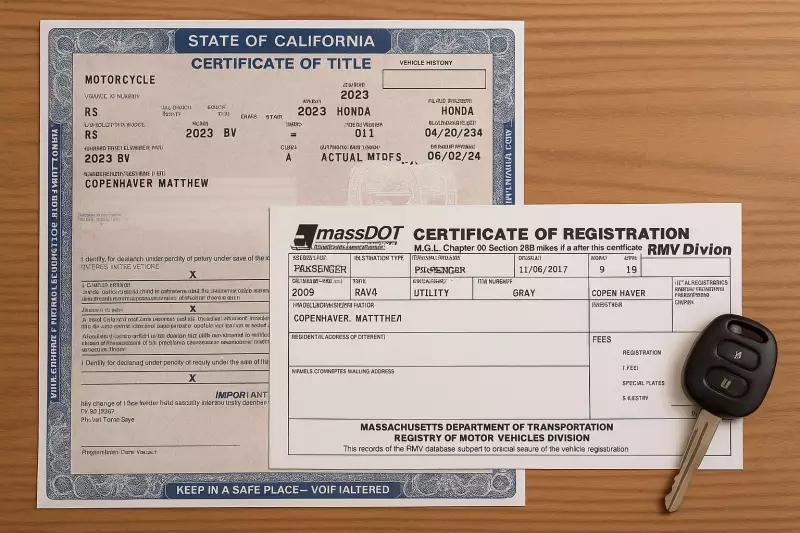
- Vehicle Title (Pink Slip): This is the ultimate proof of ownership. If you own your vehicle outright, you should have the physical title, often referred to as a “pink slip” due to its historical color. This document contains vital information such as the Vehicle Identification Number (VIN), make, model, year, and the name of the legal owner. Ensure the title is properly signed over to you if you’ve recently purchased the car from a private party. If your vehicle is financed, the lienholder (e.g., bank or credit union) will typically hold the title until the loan is paid off. In such cases, the DMV will still require information about the lienholder.
- Bill of Sale: For recently purchased vehicles, especially from a private party, a comprehensive Bill of Sale is crucial. While not always a standalone proof of ownership, it serves as a transactional record, detailing the buyer, seller, purchase price, date of sale, and vehicle information. It acts as supplementary evidence, particularly if there are any discrepancies or if the title transfer isn’t immediate.
- Out-of-State Title or Registration: If you’re a new resident moving to California with a vehicle previously registered elsewhere, you’ll need to present your out-of-state title. If your out-of-state title is held by a lienholder, you’ll need to provide the most recent registration card and the name and address of the lienholder. The DMV will then typically contact the lienholder to obtain the out-of-state title directly.
Proof of Insurance: A Legal Mandate
Driving in California without proper insurance is not only illegal but incredibly risky. Proof of financial responsibility is a mandatory requirement for vehicle registration and renewal.
- California’s Minimum Requirements: The state mandates a minimum liability insurance coverage to protect against financial losses in the event of an accident where you are at fault. This includes:
- $15,000 for injury/death to one person
- $30,000 for injury/death to more than one person
- $5,000 for damage to property
- Why It’s Crucial: Beyond the legal requirement, having adequate insurance provides peace of mind, allowing you to confidently explore California’s stunning vistas without the added worry of potential financial ruin from an unforeseen incident. Whether you’re commuting to Sacramento or embarking on a family trip to Disneyland Resort, comprehensive insurance protects your travel plans and your lifestyle.
Smog Certification: Keeping California’s Air Clean
California is renowned for its stringent environmental regulations, and vehicle emissions are a major focus. A valid smog certificate is often required for initial registration and subsequent renewals.
- Which Vehicles Need It: Most vehicles manufactured after 1975 require a smog check every two years, and upon change of ownership or when a vehicle is brought into California from another state. There are some exemptions, such as gasoline-powered vehicles model year 1975 and older, electric vehicles, natural gas vehicles over 14,000 lbs, motorcycles, and diesel vehicles model year 1997 and older or with a Gross Vehicle Weight Rating of over 14,000 lbs.
- How to Get It: Smog checks must be performed by a state-licensed smog station. These stations will conduct an emissions test to ensure your vehicle meets California’s clean air standards. The station electronically submits the certificate to the DMV.
- Importance for Travel: A clean air vehicle contributes to the beautiful environment that makes California such a popular destination for tourism and lifestyle. Ensuring your car passes its smog test means you’re doing your part to preserve the natural beauty from Napa Valley‘s vineyards to the pristine coastline of Big Sur.
Your California Driver’s License or Valid ID
While not strictly a “vehicle” document, your personal identification is essential for any transaction with the DMV.
- Proper Identification: A valid California driver’s license is preferred, but other forms of identification, such as a state-issued ID card, U.S. passport, or military ID, may be accepted. This verifies your identity and ensures the registration is correctly associated with you. This step is also crucial for establishing residency, which ties into many other aspects of living and traveling in California, from booking accommodation to accessing local services.
Navigating the Process: Steps and Special Considerations
Once you have your core documents in hand, understanding the specific registration pathway applicable to your situation is the next step. The process can vary slightly depending on whether you’re a new resident bringing an out-of-state car, purchasing a new vehicle within California, or simply renewing your existing registration.
For New Residents: Registering an Out-of-State Vehicle
Moving to California for a new job, a change of lifestyle, or an extended stay offers incredible opportunities, but it also means bringing your vehicle into compliance with state laws.
- Specific Steps and Timeline: If you establish residency in California, you have 20 days from the date residency is established to register your vehicle. Establishing residency can be defined by various actions, such as gaining employment, renting an apartment, or enrolling children in school. The steps typically include:
- Obtain California Insurance: Secure auto insurance that meets California’s minimum liability requirements.
- Smog Check: Have your vehicle undergo a smog inspection at a certified station.
- VIN Verification: A VIN verification is required for all out-of-state vehicles. This ensures the vehicle’s identification number matches the documentation. This can be done by the DMV, California Highway Patrol, or certain authorized businesses.
- Visit the DMV: Bring your out-of-state title (or registration card if the title is held by a lienholder), proof of insurance, smog certificate, and valid identification. You will also need to complete a “New Resident Application” (Form REG 343).
- Importance of Timely Transfer: Failing to register your vehicle within the 20-day window can result in significant penalties, including fines. A timely transfer ensures you avoid legal headaches and can fully enjoy your new life and travels in California.
For New Purchases: From Dealership to DMV
The registration process for newly acquired vehicles in California depends heavily on where you made your purchase.
- Dealer-Handled Registration: When you purchase a car from a licensed California dealership, they typically handle all the necessary registration paperwork on your behalf. This includes collecting sales tax, registration fees, and submitting all documents to the DMV. You’ll usually receive a temporary operating permit, allowing you to drive the car legally while awaiting your permanent plates and registration card, which are mailed to you. This streamlined process is designed to make the transition from car shopping to road-tripping as effortless as possible.
- Private Party Sales: If you buy a vehicle from a private seller, the responsibility for registration falls squarely on you. You have 10 days from the date of purchase to transfer ownership at the DMV. You’ll need the properly endorsed title (signed by the seller), a Bill of Sale, a smog certificate (unless exempt), and proof of insurance. Don’t forget to pay the applicable sales tax and transfer fees. This hands-on approach requires more attention to detail but offers greater control over the process.

Renewals and Transfers: Keeping Your Registration Current
Keeping your vehicle’s registration current is an ongoing responsibility that ensures your continued legal right to drive in California.
- Renewal Options: The DMV typically mails renewal notices several weeks before your registration expires. You can renew your registration:
- Online: The easiest and fastest method for most people, especially if your vehicle doesn’t require a smog check or if it has already been electronically submitted.
- By Mail: Complete and mail the renewal notice along with your payment.
- In-Person: Visit a DMV office or an authorized third-party service provider. This is often necessary if you have outstanding issues or require immediate proof of registration.
- Transferring Ownership: When selling a vehicle, both the buyer and seller have responsibilities for transferring ownership. The seller must complete a Notice of Transfer and Release of Liability (NRL) within 5 days of selling to protect themselves from liability. The buyer, as mentioned, has 10 days to officially transfer the title into their name. Understanding these steps is vital whether you’re upgrading your travel vehicle or simply simplifying your lifestyle.
Understanding the Costs: Fees and Taxes
Registering a car in California involves a variety of fees and potential taxes. These costs contribute to the state’s infrastructure, environmental programs, and the operations of agencies like the California Highway Patrol (CHP). Being aware of these expenses upfront can help you budget accordingly and avoid any surprises.
Breakdown of Fees You Can Expect
The total cost of registration can vary significantly based on your vehicle’s value, weight, type, and your specific location within California.
- Vehicle License Fee (VLF): This is essentially a property tax on your vehicle, calculated as 0.65% of your vehicle’s depreciated value. The VLF is the largest component for many registrations and can vary each year as your car’s value decreases.
- Registration Fee: A standard fee applied to most vehicles. As of recent updates, this typically hovers around $60-$70.
- California Highway Patrol (CHP) Fee: A flat fee dedicated to funding the operations of the CHP, ensuring safer roads for everyone, whether you’re navigating urban traffic or cruising through the countryside. This is usually around $30-$35.
- Transportation Improvement Fee (TIF): Introduced to fund transportation projects across the state, the TIF amount depends on your vehicle’s value, ranging from $25 for vehicles valued under $5,000 to $175 for vehicles valued over $60,000.
- County/District Fees: Depending on where your vehicle is primarily garaged, you might be subject to additional county or special district fees. These often support local transportation initiatives or air quality programs.
- Sales Tax: If you purchased your vehicle from a private party, you will owe California sales tax on the purchase price. When buying from a dealership, this tax is typically collected at the point of sale.
- Late Penalties: Perhaps the most avoidable cost, late penalties can quickly accumulate if you miss registration deadlines. These are calculated based on the original fees due and the number of days or months overdue.
Payment Options and Avoiding Surprises
The DMV accepts various payment methods, including cash (in-person), checks, money orders, and most major credit/debit cards. When paying online, credit/debit card transactions often incur a small processing fee.
To avoid surprises, it’s always advisable to use the DMV’s online fee calculator or their automated phone system before visiting an office or mailing in payment. This allows you to get an accurate estimate of your total cost based on your specific vehicle and situation, helping you budget for your California adventures.
Tips for a Seamless Registration Experience in California
Navigating administrative processes can sometimes feel like a detour on your travel itinerary, but with a few strategic tips, registering your car in California can be a smooth, efficient experience. These suggestions aim to minimize stress and maximize your time, allowing you to focus on enjoying the vibrant lifestyle and diverse attractions California has to offer.
Planning Ahead: Gather Your Documents
The golden rule for any DMV transaction is preparation. Before you do anything else, compile all the required documents. This includes:
- Originals and Copies: Have original documents ready, but also consider bringing copies for your records.
- Checklist: Create a checklist of everything you need based on your specific situation (new resident, new purchase, renewal) to ensure nothing is overlooked.
- Accessibility: Keep all documents in an organized folder so they are easily accessible when you need them.
Being thoroughly prepared is the single most effective way to avoid multiple trips to the DMV and ensures your transaction can be completed in one go, freeing you up to plan your next visit to Universal Studios Hollywood or explore a new hidden gem.
Leveraging Online Resources and Appointments
In today’s digital age, the California Department of Motor Vehicles offers numerous online services designed to save you time and hassle.
- DMV Website: The official DMV website is an invaluable resource. You can often:
- Renew your registration online.
- Calculate estimated fees.
- Access forms and publications.
- Schedule an appointment for in-person services.
- Appointments are Key: For any transaction requiring an in-person visit, always schedule an appointment in advance. This dramatically reduces wait times, turning what could be a lengthy ordeal into a quick and efficient stop. Many offices have dedicated lines for those with appointments, illustrating the value of planning.
The Role of the DMV and Third-Party Providers
While the DMV is the primary authority, other options can sometimes expedite certain processes.
- DMV Offices: They handle all aspects of vehicle registration, including complex issues, VIN verifications, and title transfers. While appointments are recommended, walk-ins are accepted but often involve longer waits.
- Authorized Business Partners: California has a network of licensed vehicle registration services (often referred to as “DMV alternative offices” or “registration services”). These businesses can process many registration transactions, sometimes with shorter wait times, though they may charge a small service fee on top of the standard DMV fees. They can be a great option for simpler renewals or transfers, allowing you to quickly get back to enjoying your California lifestyle.
Why Timely Registration Matters for Your California Lifestyle
Beyond avoiding fines and legal complications, ensuring your car is properly and timely registered unlocks a world of freedom and peace of mind in California.
- Unrestricted Travel: A valid registration means you can confidently drive anywhere in California, from its bustling cities to its tranquil national parks, without the fear of being pulled over for an expired tag. This supports your spontaneous road trips and planned adventures.
- Peace of Mind: Knowing your vehicle is legally compliant removes a significant source of stress, allowing you to focus on the joy of exploration, whether you’re seeking luxury travel experiences or budget-friendly family trips.
- Contribution to Infrastructure: Your registration fees contribute directly to maintaining and improving California’s extensive road network, benefiting every driver and traveler.
In essence, understanding and completing your car registration in California is more than just an administrative task; it’s an investment in your personal mobility, legal standing, and ability to fully immerse yourself in the rich tapestry of experiences the state offers.
By following these guidelines, new residents, seasoned travelers, and long-term stay visitors alike can navigate the requirements with confidence, ensuring their journey through the Golden State is as open and inviting as its expansive horizons. So, gather your documents, follow the steps, and get ready to hit the road – California awaits!
LifeOutOfTheBox is a participant in the Amazon Services LLC Associates Program, an affiliate advertising program designed to provide a means for sites to earn advertising fees by advertising and linking to Amazon.com. Amazon, the Amazon logo, AmazonSupply, and the AmazonSupply logo are trademarks of Amazon.com, Inc. or its affiliates. As an Amazon Associate we earn affiliate commissions from qualifying purchases.