
Navigating the process of renewing your vehicle registration in Texas can seem daunting, especially if you’re unfamiliar with the state’s specific requirements. Whether you’re a long-time resident or a newcomer to the Lone Star State, understanding the necessary steps and documentation is crucial to ensure your vehicle remains legally registered and you avoid potential penalties. This guide aims to demystify the renewal process, providing you with a clear roadmap to a smooth and efficient experience. From understanding inspection requirements to knowing where to find your renewal notice, we’ll cover all the essential aspects.
Understanding the Texas Vehicle Inspection and Registration System
In Texas, vehicle registration is tied to a mandatory state inspection. This two-step system, often referred to as “Two Steps One Sticker,” requires your vehicle to pass an annual inspection before it can be registered. This approach is designed to ensure that vehicles on the road are safe and environmentally sound.
The “Two Steps One Sticker” Process
The “Two Steps One Sticker” program was implemented to streamline the vehicle inspection and registration process. Here’s how it works:
- Step 1: Vehicle Inspection: Your vehicle must first pass an annual state inspection. This inspection covers safety and, for certain vehicles, emissions. The inspection station will electronically report the results of your inspection to the state. If your vehicle passes, you will receive an inspection report.
- Step 2: Vehicle Registration: Once your vehicle has passed inspection, you can proceed with renewing your vehicle registration. You will need to provide proof of the completed inspection when you renew. Upon successful renewal, you will receive a new registration sticker that combines both the inspection and registration expiration dates. This sticker is typically placed on your vehicle’s license plate.
Vehicle Inspection Requirements
The specific inspection requirements for your vehicle depend on its age, type, and the county in which it is registered.
Safety Inspection
All registered vehicles in Texas are required to pass a safety inspection. This inspection checks essential safety components of your vehicle, including:
- Brakes: Ensuring your braking system is functional and meets standards.
- Lights: Verifying that headlights, taillights, brake lights, and turn signals are working correctly.
- Tires: Checking for adequate tread depth and ensuring tires are not damaged.
- Windshield Wipers: Confirming wipers are in good condition and effectively clear the windshield.
- Horn: Testing that the horn operates properly.
- Mirrors: Ensuring mirrors are present and provide adequate visibility.
- Exhaust System: Checking for leaks or excessive noise.
- Windows: Verifying that windows are not excessively tinted beyond legal limits and are free from damage that obstructs the driver’s view.
Emissions Testing
Emissions testing is required for most gasoline-powered vehicles older than two model years and newer than 25 model years in the Metropolitan Areas of Texas. These areas include:
- Dallas-Fort Worth Metroplex
- Houston-Galveston Area
- San Antonio
- El Paso
- Austin-Round Rock Area
- Beaumont-Port Arthur Area
Vehicles that are exempt from emissions testing include:
- New vehicles less than two model years old.
- Vehicles that are 25 model years old or older.
- Diesel-powered vehicles.
- Motorcycles.
- Electric vehicles.
- Vehicles registered in counties that do not require emissions testing.
If your vehicle requires an emissions test and fails, you will need to have the necessary repairs made before it can pass inspection. You may be eligible for a waiver if the cost of repairs exceeds a certain amount, but this is subject to specific criteria.
Essential Documents and Information for Renewal
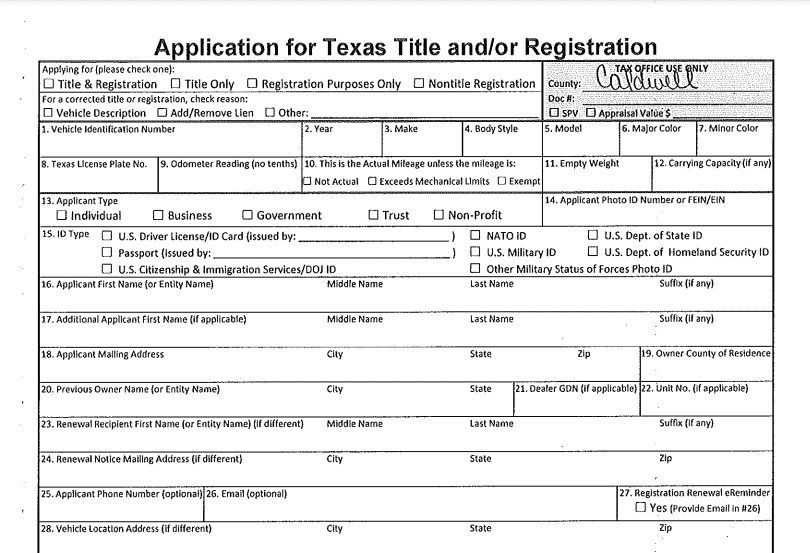
To successfully renew your vehicle registration in Texas, you will need to have certain documents and information readily available. Gathering these in advance will significantly expedite the process.
Your Renewal Notice
The Texas Department of Motor Vehicles (TxDMV) typically mails a renewal notice to registered vehicle owners approximately 30-60 days before their current registration expires. This notice is a crucial document as it contains:
- Vehicle Identification Number (VIN): A unique identifier for your vehicle.
- License Plate Number: The number displayed on your current license plate.
- Renewal Code: A unique code that may be required for online or mail-in renewals.
- Total Fees Due: The combined cost of your registration and inspection fees.
- Inspection Information: Details about your vehicle’s inspection status.
If you have misplaced your renewal notice or did not receive one, you can still renew your registration. However, you will need to know your license plate number and VIN, and you may need to obtain a renewal code from the TxDMV website or by contacting a local county tax assessor-collector office.
Proof of Inspection
As mentioned, passing a vehicle inspection is a prerequisite for registration renewal in Texas. When you renew your registration, you will need to provide proof that your vehicle has successfully passed its required inspection.
- Inspection Report: The inspection station will provide you with a report after your vehicle passes. While you may not always need to physically present this report if the information is electronically transmitted, it’s wise to keep it for your records.
- Electronic Transmission: In most cases, the inspection station electronically transmits the inspection results to the state. When you go to renew your registration, the system will verify if your vehicle has a current passing inspection.

Proof of Insurance
All Texas drivers are required to maintain financial responsibility, which typically means carrying at least the minimum liability insurance coverage. You will need to provide proof of current insurance when renewing your registration. This can usually be done in one of the following ways:
- Insurance Card: Your insurance company will provide you with an insurance card, which can be digital or physical.
- Policy Declarations Page: A document from your insurance provider outlining your coverage.
- Electronic Verification: In many instances, the TxDMV can electronically verify your insurance coverage.
Ensure your insurance policy is active and meets the minimum coverage requirements set by the state of Texas. Failure to maintain proper insurance can result in significant penalties, including fines and suspension of your driver’s license and vehicle registration.
Methods for Renewing Your Vehicle Registration
Texas offers several convenient methods for renewing your vehicle registration, catering to different preferences and accessibility needs.
Online Renewal
Renewing your registration online is often the quickest and most convenient option. You can access the TxDMV‘s online renewal portal through their official website.
- Requirements for Online Renewal:
- Your license plate number.
- Your VIN.
- A renewal code (if provided on your renewal notice) or your citation number from a previous renewal.
- A valid credit or debit card for payment.
- Confirmation that your vehicle has passed its required inspection.
- Proof of current insurance.
- Process:
- Visit the TxDMV website.
- Navigate to the vehicle registration renewal section.
- Enter the required vehicle information and renewal code.
- Verify your vehicle’s inspection status and insurance information.
- Pay the renewal fees.
- You will receive a confirmation and your new registration sticker will be mailed to you.
Mail-In Renewal
If you prefer to renew by mail, you can do so by sending your completed renewal notice and payment to the address indicated on the notice.
- Requirements for Mail-In Renewal:
- Your completed renewal notice.
- A check or money order for the total renewal fees, payable to the County Tax Assessor-Collector.
- Proof of inspection and insurance (as sometimes requested on the renewal notice).
- Process:
- Fill out your renewal notice accurately.
- Enclose the required payment and any requested documentation.
- Mail the package to the address provided on the renewal notice well in advance of your expiration date to ensure timely delivery.
In-Person Renewal
For those who prefer face-to-face service or need assistance, renewing in person at your local county tax assessor-collector’s office is an excellent option.
- Requirements for In-Person Renewal:
- Your renewal notice (if available).
- Your license plate number and VIN.
- Proof of a current passing vehicle inspection.
- Proof of current insurance.
- A valid form of payment (cash, check, credit/debit card, depending on the office’s policies).
- Process:
- Locate your nearest county tax assessor-collector’s office.
- Bring all required documents with you.
- The county clerk will assist you in processing your renewal and provide you with your new registration sticker on the spot.
Potential Challenges and How to Overcome Them
While the renewal process is generally straightforward, some common issues can arise. Knowing how to address them can save you time and frustration.
Vehicle Fails Inspection
If your vehicle fails its inspection, you will need to address the issues identified before you can renew your registration.
- Identify the Problem: The inspection station will provide you with a report detailing why your vehicle failed.
- Make Repairs: Take your vehicle to a qualified mechanic to have the necessary repairs made.
- Re-inspection: Once repairs are complete, you will need to take your vehicle back to an inspection station for a re-inspection. You may be eligible for a discounted re-inspection fee within a certain timeframe.
Expired Registration
Operating a vehicle with expired registration is a violation of Texas law and can result in fines and other penalties.
- Renew Immediately: If your registration has expired, renew it as soon as possible through one of the available methods.
- Late Fees: Be aware that some counties may charge late fees in addition to the regular registration fees.
Incorrect Information on Renewal Notice
Occasionally, there may be errors on your renewal notice.
- Contact the County Tax Assessor-Collector: If you notice any discrepancies, contact your local county tax assessor-collector’s office immediately. They can help you correct the information and ensure your renewal proceeds smoothly.
By staying informed about the requirements and utilizing the convenient renewal options available, you can ensure your vehicle registration in Texas is always up-to-date, allowing you to drive with confidence and peace of mind.
LifeOutOfTheBox is a participant in the Amazon Services LLC Associates Program, an affiliate advertising program designed to provide a means for sites to earn advertising fees by advertising and linking to Amazon.com. Amazon, the Amazon logo, AmazonSupply, and the AmazonSupply logo are trademarks of Amazon.com, Inc. or its affiliates. As an Amazon Associate we earn affiliate commissions from qualifying purchases.