
Navigating the intricacies of vehicle ownership is a fundamental aspect of the California lifestyle. For many, a car isn’t just a convenience; it’s an essential tool for daily commutes, weekend getaways to the coast, or exploring the vast landscapes that define the state. At the heart of this ownership lies the vehicle title, a crucial document that legally establishes who owns a car. Understanding what a California car title looks like, its key features, and its significance is vital for anyone embracing the Golden State’s mobile way of life, whether you’re a long-time resident or just settling in. This document is far more than a piece of paper; it’s the cornerstone of your automotive freedom and a critical component in various lifestyle transactions.
Understanding the California Vehicle Title: Your Gateway to Ownership
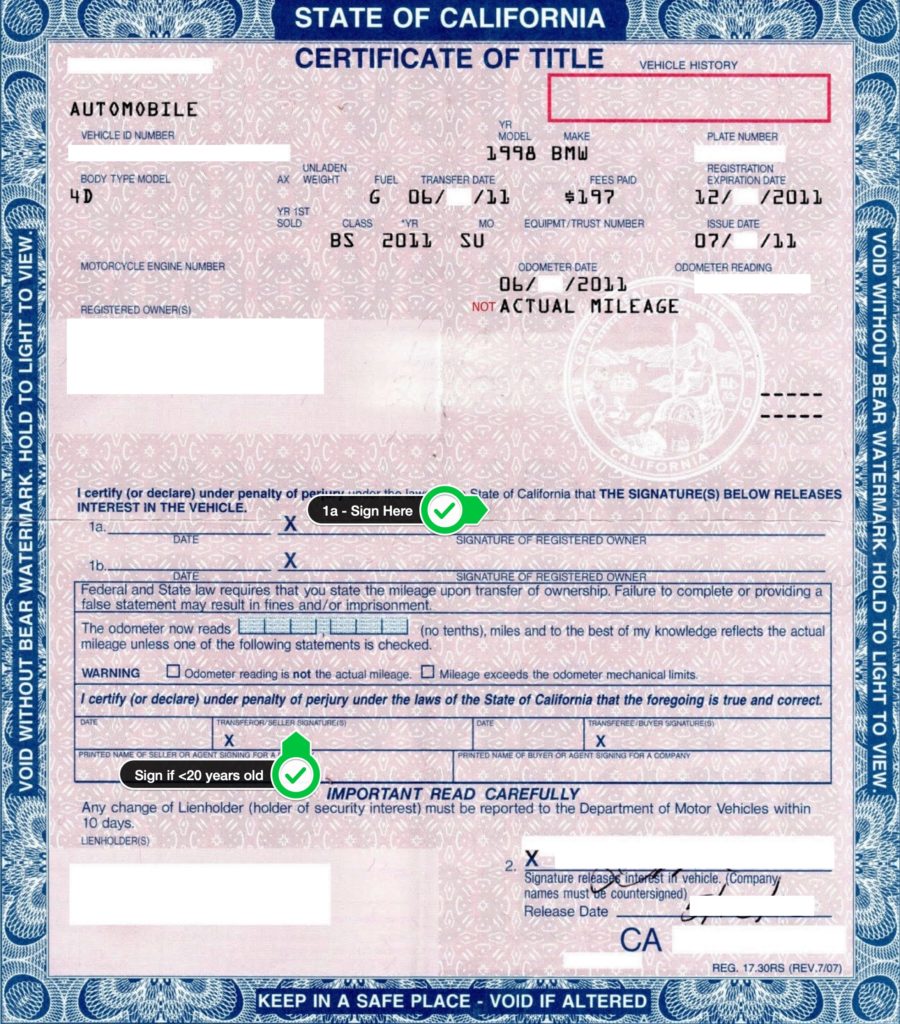
A California vehicle title, often referred to as a “pink slip” due to its historical color, is the official document issued by the California Department of Motor Vehicles (DMV) that proves ownership of a vehicle. While modern titles may no longer be exclusively pink and often feature a blend of colors and security elements, the “pink slip” moniker persists in popular culture. This document is the ultimate proof that you are the legal owner of your car, truck, motorcycle, or other vehicle, and its appearance is designed to be both informative and secure.
Typically, a California title is an 8.5 x 11-inch document, printed on a special paper stock designed to prevent counterfeiting. It’s not merely a receipt; it’s a legal certificate. For anyone building a life in California, whether it involves long road trips through diverse terrains or simply managing daily routines in bustling cities like Los Angeles or San Francisco, understanding this document is paramount. It enables you to buy, sell, or transfer your vehicle with confidence and legal standing, integrating seamlessly into the mobile lifestyle often necessitated by the state’s expansive geography.
The Physical Appearance and Layout
The layout of a California title is standardized, ensuring clarity and consistency. While specific fonts or minor design elements might evolve over time, the core structure remains. You’ll find distinct sections for vehicle information, owner details, and any lienholder information. The paper itself often has watermarks or other embedded security features that are visible when held up to light, designed to deter fraud and protect your ownership rights. This attention to detail reflects the importance the California DMV places on secure vehicle transactions, which are a common part of the active lifestyle in the state.
Key Elements and Security Features of a California Car Title
A California car title is dense with critical information, each piece serving a specific legal or identification purpose. Familiarizing yourself with these elements is crucial for any vehicle owner, enabling smoother transactions and a better understanding of your assets. These details are not just bureaucratic necessities; they are the foundation of your vehicle’s identity and your legal relationship with it.
Essential Information Displayed
- Vehicle Identification Number (VIN): This is arguably the most critical piece of information. The VIN is a unique 17-character alphanumeric code that identifies your specific vehicle. It’s like a car’s fingerprint, ensuring that the title corresponds to the correct physical vehicle. This is paramount for preventing theft and ensuring legitimate ownership, underpinning the security of your lifestyle investments.
- Make, Model, and Year: These details describe the fundamental characteristics of your vehicle, such as “Toyota,” “Camry,” and “2020.”
- License Plate Number: The current California license plate number assigned to the vehicle is prominently displayed.
- Registered Owner(s) Name and Address: This section clearly states who the legal owner(s) of the vehicle are, along with their registered address. If there are multiple owners, all names will be listed.
- Legal Owner (Lienholder) Information: If you financed your vehicle, the bank or financial institution that provided the loan (the lienholder) will be listed here. They legally hold the title until the loan is fully paid off, at which point the title will be released to you. This is a common arrangement in modern lifestyles, allowing individuals to acquire vehicles through financing.
- Date of Issue/Release: Indicates when the title was last processed or issued by the DMV.
- Vehicle Weight and Type: Information regarding the vehicle’s weight class and type (e.g., passenger car, commercial truck).
- Odometer Reading: Often, the odometer reading at the time of sale or title transfer is recorded to help prevent odometer fraud, a crucial safeguard in private vehicle sales.
- Title Number: A unique identifying number for the title document itself.
Advanced Security Features
To combat fraud, California titles incorporate several sophisticated security features:
- Microprinting: Tiny text that is difficult to read without magnification, often used in borders or specific fields.
- Holograms or Watermarks: These are embedded into the paper and become visible when viewed from certain angles or held to light, making replication difficult.
- Security Thread: Similar to currency, a security thread might be woven into the paper.
- Special Inks: Some elements may be printed with heat-sensitive or color-shifting inks.
- Unique Background Patterns: Complex, often intricate designs in the background make it hard to alter information without detection.
These features are designed to protect you, the owner, from fraudulent activities that could impact your vehicle and, by extension, your financial lifestyle.
The Importance of Your California Title in Daily Life and Transactions
Your California vehicle title is a document of immense practical importance, touching upon various aspects of your life as a vehicle owner. It’s not just a document to be filed away; it actively facilitates key transactions and ensures your legal standing. For residents of California, a state where personal mobility is often synonymous with freedom and opportunity, understanding the role of your title is indispensable.
Buying and Selling Vehicles
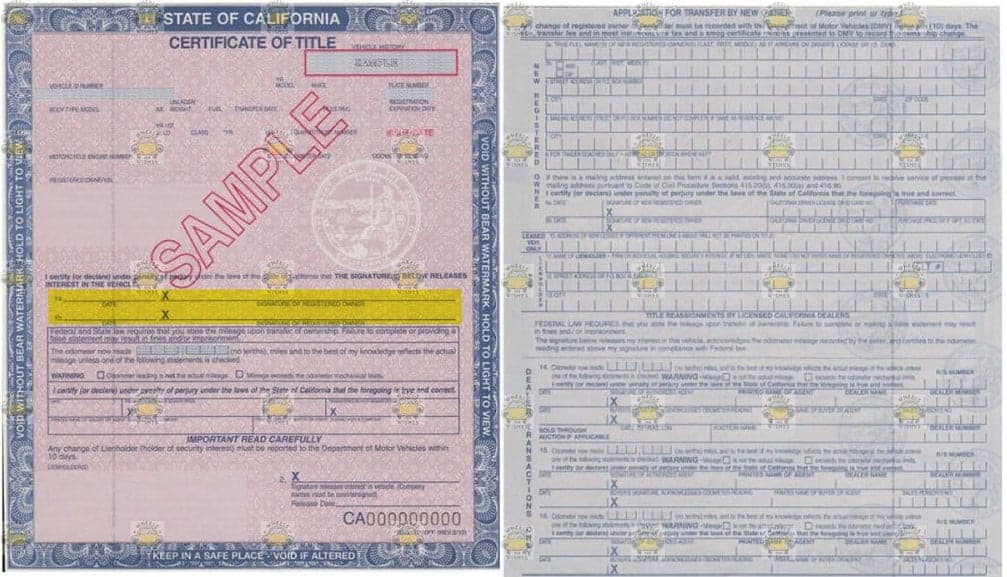
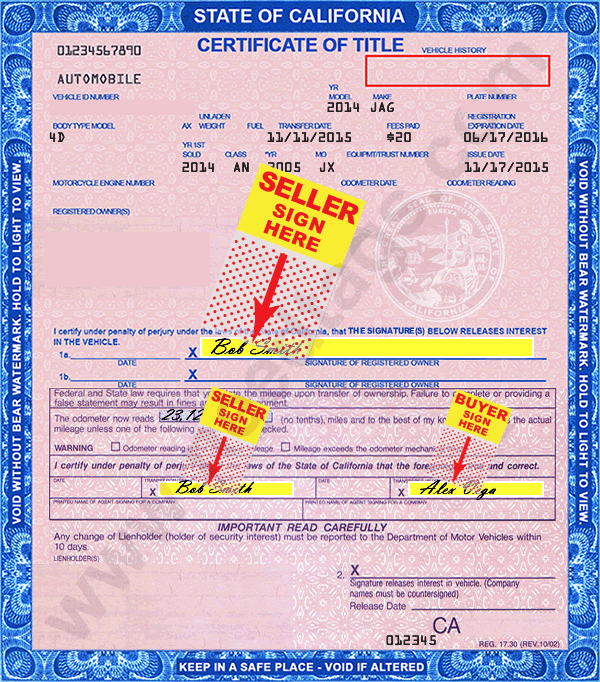
When you purchase a vehicle, the seller must sign over the title to you, transferring legal ownership. This often occurs at a DMV office or a registered dealership to ensure the process is legal and secure. Conversely, when you sell your car, you will sign your title over to the new owner. This signature, combined with the new owner’s information and possibly a bill of sale, completes the transfer of ownership. Without a properly endorsed title, neither transaction can be legally completed, meaning you can’t truly buy or sell a vehicle, significantly impacting your ability to upgrade or divest from automotive assets as your lifestyle evolves.
Vehicle Registration and Renewals
While the title proves ownership, the registration certificate and license plates allow you to legally operate the vehicle on public roads. When you first register a vehicle in California, the DMV will require proof of ownership, which is your title. Subsequent annual renewals primarily involve updating your registration and paying fees, but the underlying ownership documented by your title remains foundational.
Insurance Claims
In the unfortunate event of a total loss (e.g., theft or severe accident), your insurance company will often require a copy of your title to process a claim. They need to verify legal ownership before issuing a payout, which is crucial for recovering financially and resuming your normal lifestyle.
Obtaining a Loan or Using Your Vehicle as Collateral
If you ever need to use your vehicle as collateral for a loan, the lender will require your title and will be listed as a lienholder until the loan is repaid. They legally hold a claim on your vehicle, a standard practice for many seeking financial flexibility through their assets.
Common Scenarios and How Your Title Plays a Role
Life in California often involves dynamism, and your vehicle title plays a pivotal role in several common, yet significant, life changes. Understanding these scenarios helps manage your automotive assets effectively and ensures a smooth transition through various personal and financial milestones.
Moving to California
If you’re relocating to California from another state and bringing your vehicle with you, you’ll need to transfer your out-of-state title to a California title. This involves a visit to the DMV, vehicle inspection, and submission of your original title, along with other required documents. This process is a crucial step in establishing your California lifestyle and legally registering your vehicle within the state.
Dealing with a Lost or Stolen Title
A lost or stolen title can be a major inconvenience. Fortunately, the California DMV provides a clear process for obtaining a duplicate. You’ll typically need to fill out a specific application form, pay a fee, and provide identification. Acting quickly in such situations is important, as you cannot legally sell your vehicle or use it as collateral without the title. This process underscores the importance of proper documentation in maintaining your lifestyle.
Gifting a Vehicle
When gifting a vehicle to a family member or friend, the title must still be properly signed over, and the transfer recorded with the DMV. Even though no money exchanges hands, the legal change of ownership is essential to avoid future liabilities for the giver and establish legal rights for the recipient.
Protecting Your California Car Title
Given its critical importance, protecting your California car title is paramount. Think of it as safeguarding a valuable asset, which it truly is. A lost or damaged title can lead to delays and complications in various life scenarios, from selling your car to dealing with insurance.
Best Practices for Safeguarding
- Store Securely: Keep your title in a safe and secure location, such as a home safe, a safety deposit box, or a fireproof file cabinet. Do not keep it in your vehicle, as this makes it vulnerable to theft and could aid criminals in illegally selling your car.
- Avoid Damage: Protect the document from water damage, tears, or excessive folding. The information on it must be legible for legal purposes.
- Make Copies (For Reference Only): While a copy is not a legal substitute for the original, having a photocopy or digital image can be helpful for reference if you need to recall information quickly or apply for a duplicate. Ensure any digital copies are also stored securely.
- Understand When to Hand It Over: Only release your original title to a legitimate buyer or a recognized financial institution (lienholder) when a transaction is legally complete. Be wary of requests for your title in other circumstances.
Your California car title is an indispensable document that goes hand-in-hand with vehicle ownership and the mobile lifestyle it enables. Understanding its appearance, the crucial information it contains, and its role in various transactions will empower you as a vehicle owner, ensuring smooth sailing through the administrative waters of living and driving in the Golden State.
LifeOutOfTheBox is a participant in the Amazon Services LLC Associates Program, an affiliate advertising program designed to provide a means for sites to earn advertising fees by advertising and linking to Amazon.com. Amazon, the Amazon logo, AmazonSupply, and the AmazonSupply logo are trademarks of Amazon.com, Inc. or its affiliates. As an Amazon Associate we earn affiliate commissions from qualifying purchases.