
The hospitality industry is often romanticized as a glamorous world of pristine suites, luxury amenities, and elegant gatherings. Behind the polished marble floors and seamless guest experiences, however, lies a complex, 24/7 operation. At the heart of this intricate ecosystem is the hotel manager. Whether overseeing a boutique property in Paris or managing a sprawling resort in Bali, the hotel manager is the ultimate conductor of a symphony that never stops playing. Understanding what a hotel manager does requires looking beyond the welcoming smile at the front desk to examine a multifaceted role that blends business acumen, leadership, and unwavering dedication to service.

Daily Operations and Guest Satisfaction
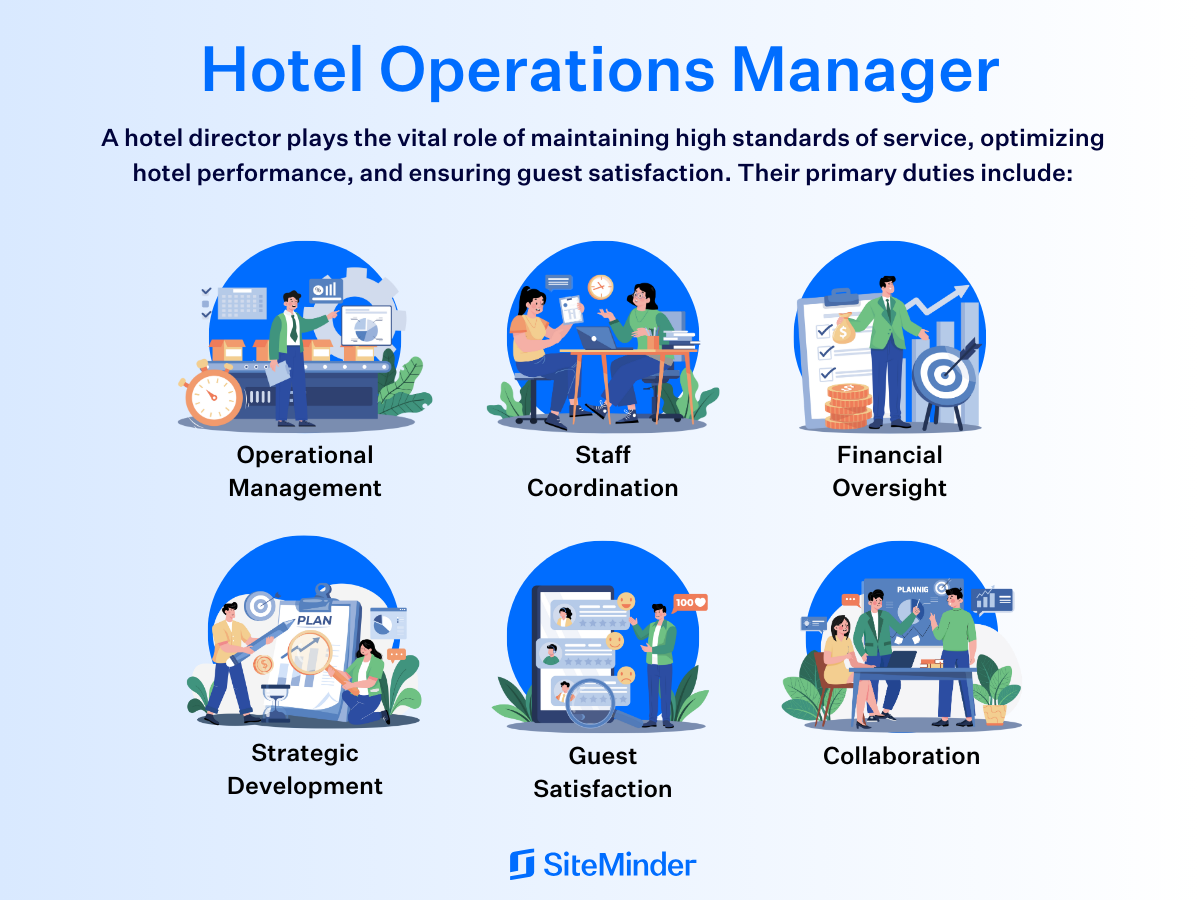
The primary responsibility of a hotel manager is to ensure that daily operations run smoothly while maintaining the highest standards of guest satisfaction. Every department—from housekeeping and front-of-house to food and beverage and maintenance—reports up to the manager.
Overseeing Front-of-House and Back-of-House
The guest experience begins long before arrival and extends well after checkout. A hotel manager oversees the front desk, concierge services, and bellhop teams to ensure every interaction reflects the brand’s standards. This includes monitoring check-in efficiency, resolving guest complaints, and personalizing stays for VIP visitors.
Behind the scenes, the back-of-house operations require equal attention. The manager coordinates closely with the housekeeping department to ensure rooms are impeccably cleaned and turned over efficiently. They also work with the engineering and maintenance teams to ensure that heating, ventilation, air conditioning, plumbing, and room amenities are fully functional, preventing minor issues from disrupting a guest’s stay.
Financial Management and Revenue Oversight
While creating memorable experiences is vital, the hotel manager is ultimately a business executive responsible for the property’s financial health. This involves:
- Budgeting: Developing annual financial plans and allocating resources across departments.
- Yield Management: Adjusting room rates dynamically based on demand, seasonal trends, and local events in cities like New York or London.
- Cost Control: Managing inventory, negotiating with suppliers, and optimizing labor costs without compromising service quality.
Human Resources and Leadership
A hotel is only as good as its people. Exceptional service cannot be automated; it relies on a dedicated, well-trained team of hospitality professionals. Consequently, a significant portion of a hotel manager’s time is dedicated to human resources and team leadership.
Recruitment, Training, and Retention
Finding the right talent in the hospitality sector can be challenging. Hotel managers are involved in hiring key personnel, from assistant managers and head chefs to front desk agents. Once hired, staff must undergo rigorous training to align with the property’s service ethos.
Managers foster a positive workplace culture to reduce high turnover rates common in the industry. By recognizing employee achievements, providing clear pathways for career advancement, and maintaining open lines of communication, managers build loyal teams capable of handling high-stress situations with grace.
Crisis Management and Problem Solving
In a 24-hour business serving hundreds of diverse guests, unexpected crises are inevitable. From medical emergencies and structural failures to disgruntled guests and security threats, the hotel manager is the ultimate authority when things go wrong.

A successful manager remains calm under pressure, acts decisively, and implements contingency plans swiftly. Their ability to de-escalate conflicts and turn negative experiences into positive ones often defines a property’s reputation, especially in an era of online reviews on platforms like TripAdvisor.
Strategic Planning and Marketing
Beyond day-to-day firefighting and operational oversight, a hotel manager must look toward the future. Strategic planning ensures the property remains competitive in a dynamic market influenced by global tourism trends and shifting consumer preferences.
Marketing and Brand Positioning
Collaborating with sales and marketing teams, the hotel manager helps shape the property’s market positioning. Whether the hotel targets corporate business travelers, honeymooners, or families, the manager ensures that promotional campaigns accurately reflect the guest experience. They might partner with local tourism boards in destinations like Switzerland or Tokyo to attract international visitors and boost off-season occupancy rates.
Sustainability and Innovation
Modern travelers increasingly value sustainability and technological innovation. Forward-thinking hotel managers spearhead initiatives to reduce the property’s environmental footprint—such as eliminating single-use plastics, implementing energy-efficient lighting, and sourcing local ingredients for the hotel’s restaurant. Simultaneously, they integrate modern conveniences like mobile check-in, keyless room entry, and smart room controls to meet the expectations of tech-savvy guests.
The Skills Required to Succeed
Stepping into the role of a hotel manager requires a diverse and robust skill set. It is rarely a job for someone who prefers a predictable nine-to-five routine.
Communication and Emotional Intelligence
A hotel manager interacts with a vast array of personalities daily: demanding guests, anxious staff, strict corporate executives, and local vendors. Exceptional interpersonal skills and high emotional intelligence are critical for navigating these relationships successfully. Active listening, empathy, and clear communication form the bedrock of effective hospitality leadership.
Multitasking and Adaptability
On any given day, a manager might transition from reviewing financial spreadsheets to inspecting a newly renovated penthouse suite, and then immediately handling a plumbing emergency in the basement. The ability to prioritize tasks, pivot quickly when unexpected challenges arise, and maintain composure is indispensable.
Industry Education and Experience
While many hotel managers hold degrees in hospitality management, business administration, or tourism, the path to management often begins on the front lines. Many successful general managers started as front desk agents, food and beverage servers, or interns, working their way up through dedication and hands-on experience in renowned properties such as the Ritz Paris or the Plaza Hotel.
Conclusion
The role of a hotel manager is demanding, high-stakes, and deeply rewarding. It requires a rare blend of rigorous financial acumen, creative marketing vision, operational oversight, and genuine hospitality. By balancing the needs of guests, employees, and property owners, a skilled hotel manager transforms a simple building with rooms into a welcoming home away from home. For those passionate about travel, culture, and human connection, it remains one of the most dynamic and fulfilling careers in the world.
LifeOutOfTheBox is a participant in the Amazon Services LLC Associates Program, an affiliate advertising program designed to provide a means for sites to earn advertising fees by advertising and linking to Amazon.com. Amazon, the Amazon logo, AmazonSupply, and the AmazonSupply logo are trademarks of Amazon.com, Inc. or its affiliates. As an Amazon Associate we earn affiliate commissions from qualifying purchases.