
When travelers and adventurers begin planning a trip to the rugged expanse of Montana, one of the most common logistical questions involves its geographical and temporal placement. Understanding the “zone” of Montana requires looking at it through two distinct lenses: the official time zone and the climatic and topographical zones that define its vast, wild landscapes. Whether you are aiming to catch the sunrise over the Rocky Mountains or planning a visit to Glacier National Park, knowing these designations is essential for a seamless itinerary.
The Time Zone: Navigating Mountain Standard Time
For the vast majority of visitors, the “zone” refers to the time of day. Montana is located entirely within the Mountain Time Zone. This is a crucial detail for those traveling from the East Coast or the Pacific Northwest, as it sits squarely between the Eastern Time Zone and the Pacific Time Zone.
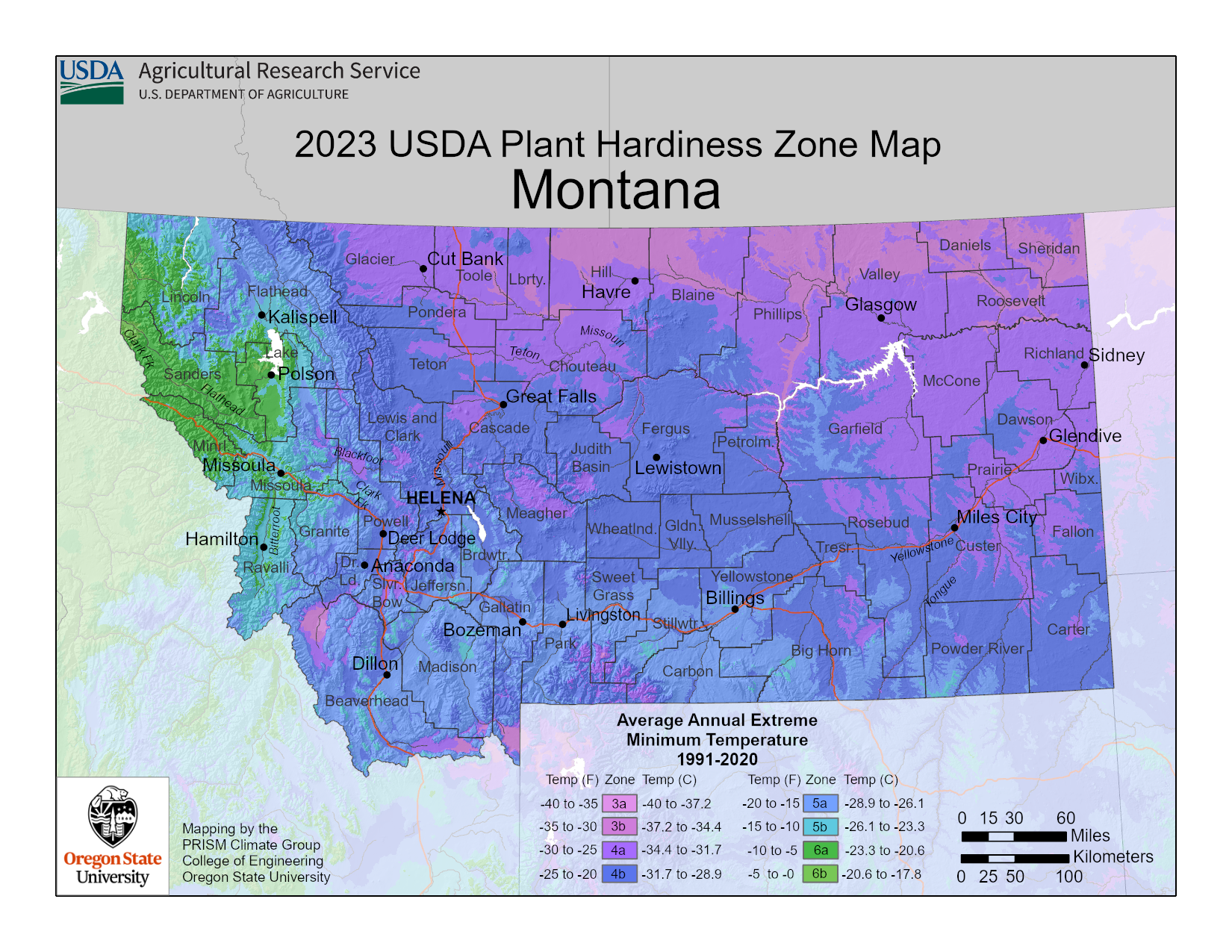
Mountain Standard Time (MST) vs. Mountain Daylight Time (MDT)
Like most of the United States, Montana observes Daylight Saving Time. From early November to mid-March, the state operates on Mountain Standard Time (MST), which is seven hours behind Coordinated Universal Time (UTC-7). During the warmer months, starting in the second Sunday of March and ending on the first Sunday of November, the state shifts to Mountain Daylight Time (MDT), which is UTC-6.
Travelers arriving at airports like Bozeman Yellowstone International Airport or Missoula Montana Airport should ensure their mobile devices and watches are synchronized to these shifts. Because Montana is so geographically large—stretching from the Idaho border to the North Dakota line—it is beneficial to remember that, unlike some larger states, the entire territory remains unified within this single time zone. This uniformity simplifies travel logistics significantly, whether you are driving from Helena to Billings or heading north toward the Canadian Border.
Climatic and Life Zones: Understanding the Terrain
Beyond the clock, Montana is defined by its dramatic life zones. These zones are determined by elevation, latitude, and precipitation, creating a diverse environment that ranges from high-desert prairies to alpine tundra.
The Grassland Zone
The eastern portion of the state is characterized by the Great Plains, often referred to as the prairie or grassland zone. This region, centered around cities like Great Falls and Havre, is defined by sweeping vistas, rolling hills, and a semi-arid climate. It is an area where the horizon seems endless, providing a stark contrast to the mountainous regions in the west. Travelers visiting the Missouri River breaks will find themselves firmly within this expansive, sun-drenched zone.

The Montane and Alpine Zones
As you move westward, the topography shifts rapidly into the Montane zone. This is the heart of the Northern Rockies. Here, the air cools, precipitation increases, and the landscape is dominated by dense forests of lodgepole pine, Douglas fir, and Western larch.
Above the tree line, Montana enters the Alpine zone. This is a fragile, rocky environment where only the hardiest flora can survive. Sites such as the Going-to-the-Sun Road in Glacier National Park provide visitors with a rare opportunity to traverse these high-elevation zones during the short summer season. The transition from the valley floors near Kalispell to the jagged peaks of the Cabinet Mountains is a quintessential Montana experience that highlights the ecological complexity of the region.
Regional Travel Zones: West vs. East
When organizing a trip, many travel guides divide Montana into two distinct travel zones: Western Montana and Eastern Montana. Each offers a different “vibe” and set of attractions for the adventurous traveler.
The Western “Adventure” Zone
The western zone is the primary destination for outdoor enthusiasts. This is where you find the Bitterroot Valley, the iconic Flathead Lake, and the charming town of Whitefish. The focus here is on high-intensity recreation: skiing at Whitefish Mountain Resort, fly fishing on the Clark Fork River, and hiking through the Bob Marshall Wilderness. The infrastructure here is heavily geared toward tourism, with an array of lodges, guest ranches, and boutique hotels catering to those seeking the quintessential mountain lifestyle.
The Eastern “Frontier” Zone
In contrast, the eastern zone offers a slower, more contemplative experience. This is the realm of history, paleontology, and the “Big Sky” spirit. A drive through this area brings you closer to the legacy of the Lewis and Clark Expedition and the historical battlefields surrounding Little Bighorn Battlefield National Monument. The tourism in this zone is less about mass-market attractions and more about the authentic American West. Visitors often find themselves traversing vast stretches of open road, passing through small, resilient communities that hold the true heart of Montana culture.

Planning Your Trip by Zone
No matter which zone you choose to prioritize, timing is everything. Because Montana is situated in a high-latitude region, the seasonal changes are dramatic.
- Winter Zone: If you are traveling between December and March, you are in the winter zone. Ensure your vehicle is equipped for mountain passes and ice. Focus your travel on hubs like Big Sky Resort, where the infrastructure is built to handle heavy snow.
- Shoulder Season: Spring and autumn are unpredictable. In the mountains, snow can persist well into June. Packing layers is the only way to navigate these transition zones comfortably.
- Summer Zone: This is the peak season for exploring the northern wilderness. While the days are long and warm, remember that the high-alpine zones remain cool even in July and August.
By understanding the time, climate, and regional geography of Montana, you can move beyond the surface-level tourist experience. You aren’t just visiting a state; you are navigating a complex, beautiful set of interconnected zones that challenge the body and soothe the soul. Whether you find yourself waiting for the sunset in Yellowstone National Park or navigating the quiet prairie roads of the east, you will be firmly planted in one of the most remarkable landscapes in the United States. Keep these zones in mind, and you will find your rhythm in the vast, untamed beauty of the Treasure State.
LifeOutOfTheBox is a participant in the Amazon Services LLC Associates Program, an affiliate advertising program designed to provide a means for sites to earn advertising fees by advertising and linking to Amazon.com. Amazon, the Amazon logo, AmazonSupply, and the AmazonSupply logo are trademarks of Amazon.com, Inc. or its affiliates. As an Amazon Associate we earn affiliate commissions from qualifying purchases.