
For anyone navigating the modern landscape of travel and identification, understanding the nuances of various government-issued documents is crucial. In California, as in many other United States territories, the concept of a Real ID has become a central point of discussion, particularly for those who frequently travel or need to access federal facilities. Far from being just another driver’s license, the Real ID card signifies adherence to enhanced federal security standards, impacting everything from your ability to board a domestic flight to visiting government buildings.
For travelers, whether planning a weekend getaway to San Francisco, a business trip to Los Angeles, or an adventure to Yosemite National Park, the possession of a Real ID can streamline the travel process, reducing potential headaches and delays. This document, while resembling a standard driver’s license or state identification card, possesses distinct visual markers that set it apart. Its importance has grown significantly since the enactment of the Real ID Act of 2005, a federal law passed in response to the September 11th attacks, which established minimum security standards for state-issued driver’s licenses and identification cards and prohibits federal agencies from accepting for certain purposes driver’s licenses and identification cards from states that do not meet these standards.
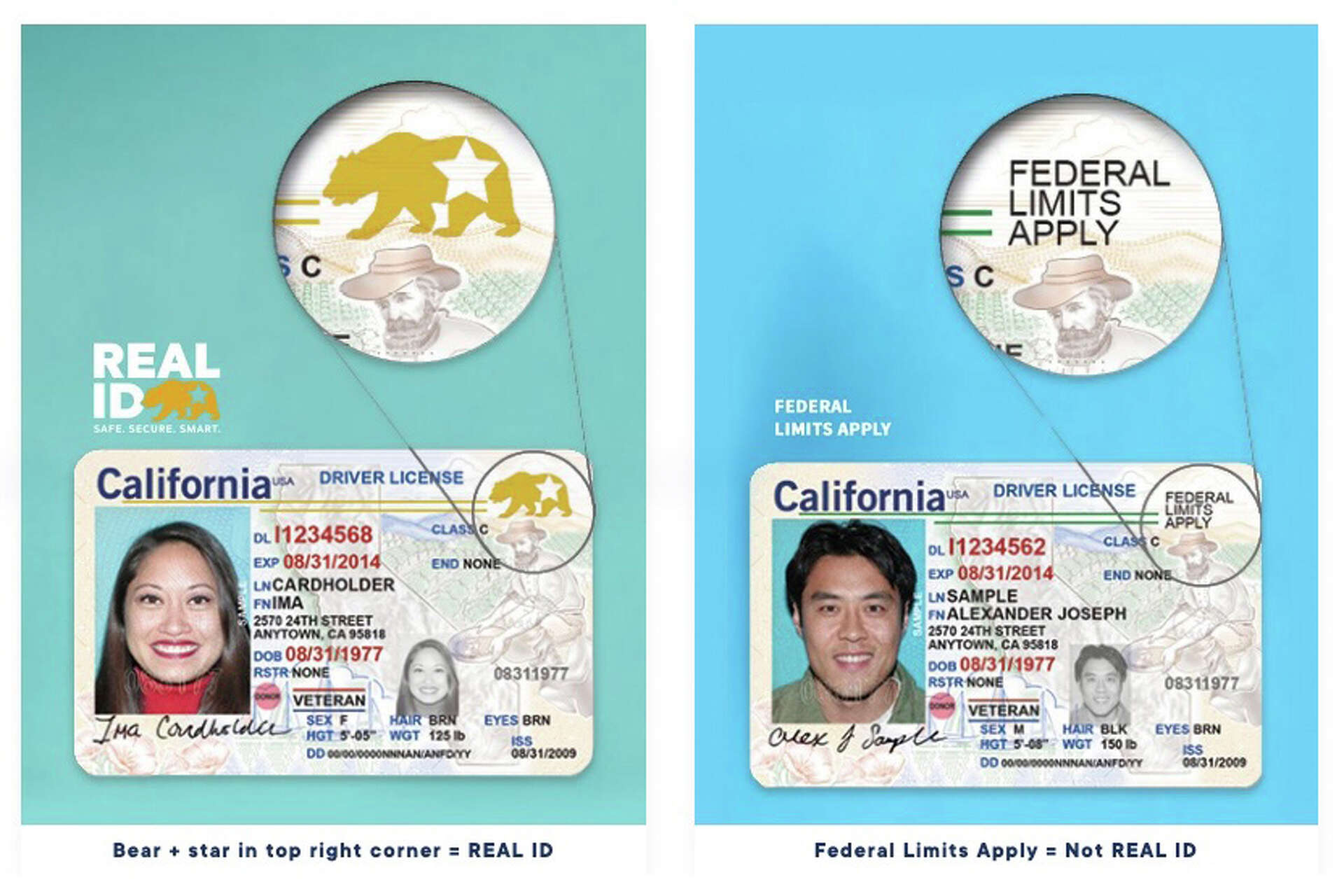
This guide will delve into the specific appearance of a California Real ID, explore its critical role in contemporary travel and lifestyle, and detail the steps involved in obtaining one. Understanding these facets is not just about compliance; it’s about ensuring seamless travel, secure access, and a hassle-free experience in an increasingly interconnected world. For those who prioritize efficiency in their travel plans and value the ease of navigating various domestic checkpoints, recognizing and obtaining a Real ID is an essential part of modern preparation.
Understanding the Real ID Act and Its Impact on Travel
The journey to understanding what a Real ID looks like begins with comprehending the legislation that brought it into existence. The Real ID Act, enacted by Congress in 2005, significantly changed the landscape of acceptable identification for specific federal purposes. This act established stringent security standards for state-issued driver’s licenses and identification cards, aiming to enhance national security by making it harder for individuals to fraudulently obtain identification. The eventual enforcement date, after several extensions, made it imperative for travelers to possess a Real ID-compliant document for domestic air travel and entry into certain federal facilities.
For the avid traveler, whether exploring California’s diverse destinations or venturing across the country, the primary implication of the Real ID Act lies in domestic air travel. Since the full enforcement date, the Transportation Security Administration (TSA) has required passengers aged 18 and older to present a Real ID-compliant driver’s license or state identification card, or another acceptable form of identification such as a passport, to fly within the United States. Without one, travelers risk being denied boarding, a scenario that could disrupt meticulously planned trips, hotel bookings, and important business meetings. This directly impacts the lifestyle of many, from business professionals to families planning their annual vacations to Anaheim’s Disneyland Park or the beaches of San Diego.
It’s crucial to distinguish between a Real ID, a standard driver’s license, and a passport. While a standard California driver’s license still allows you to drive and serves as identification for many everyday purposes, it will not be accepted by the TSA for domestic flights post-enforcement date if it’s not Real ID-compliant. A United States passport, however, is always an acceptable form of identification for domestic air travel, as well as being mandatory for international travel. The Real ID essentially bridges a gap, offering a convenient, wallet-sized alternative to carrying a passport for domestic travel, especially for those who prefer not to risk losing their passport on shorter trips. This aspect highlights the Real ID’s utility in modern travel planning and daily life.

Visual Identification: What a California Real ID Looks Like
So, what exactly sets a California Real ID apart visually from a standard California driver’s license or identification card? The distinctions are subtle yet critical, designed to be easily recognizable by federal agencies like the TSA and federal security personnel. Understanding these visual cues is key to confirming you possess the correct document for your travel and access needs.
The Golden Bear and Star: Key Identifiers
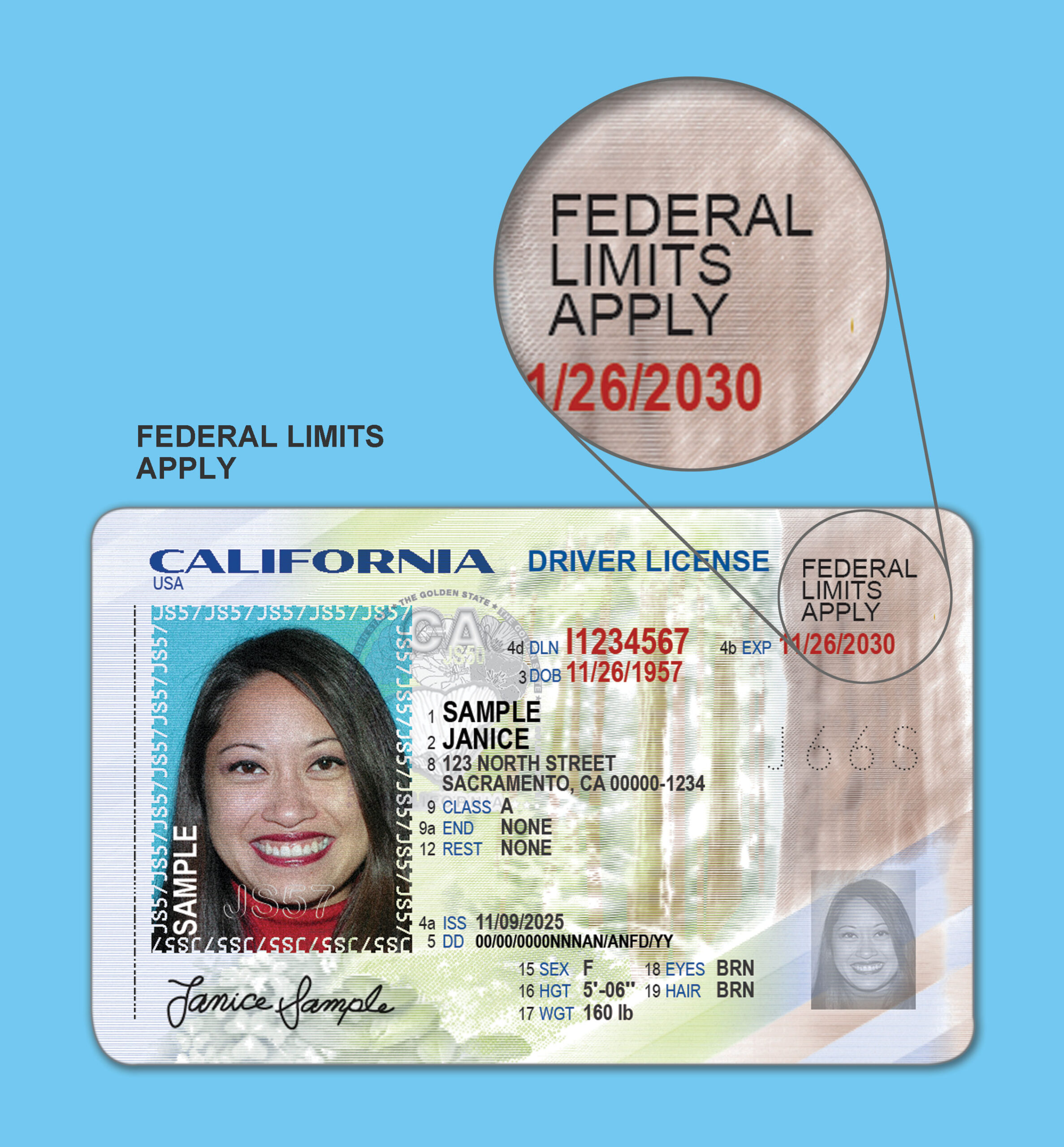
The most significant and easily identifiable feature of a California Real ID is the presence of a gold bear with a star cutout located in the upper right-hand corner of the card. This emblem is the universal symbol indicating that the card is Real ID-compliant, meaning it meets the strict security standards set forth by the United States Department of Homeland Security. If your California driver’s license or ID card does not have this specific gold bear and star, it is a standard card and will not be accepted for federal purposes where a Real ID is required. This visual marker is non-negotiable and serves as the primary way federal officials verify compliance. For anyone who has a standard card, they will notice the absence of this distinctive symbol, signifying that they hold a card only valid for non-federal identification purposes.
Design Elements and Security Features
Beyond the iconic gold bear and star, a California Real ID incorporates several sophisticated design elements and security features designed to prevent counterfeiting and tampering. The overall design closely mirrors that of a standard California driver’s license, maintaining the state’s aesthetic and branding. However, enhanced security measures are integrated throughout the card. These typically include:
- Polycarbonate Material: Modern California driver’s licenses, including Real ID versions, are made from polycarbonate, a durable material that is difficult to alter.
- Laser Engraving: Personal data such as your name, date of birth, photo, and signature are laser-engraved into the card rather than printed on the surface. This makes the information virtually impossible to change without destroying the card.
- Multiple Photos: Often, a smaller ghost image or second photo of the cardholder is embedded on the card, providing another layer of verification.
- Holographic Overlays: Intricate holographic images and patterns, visible when the card is tilted, are integrated into the card’s surface. These are difficult to replicate and serve as a quick visual check for authenticity.
- Microprinting: Extremely tiny text or patterns, visible only under magnification, are incorporated into the design, further deterring counterfeiting efforts.
- Tactile Features: Some cards may feature raised lettering or designs that can be felt, adding another sensory layer of security.
The specific layout for personal information (full name, address, date of birth, expiration date, license number, and the issuing agency, the California Department of Motor Vehicles (DMV)) remains consistent with standard California licenses. The key differentiator is the presence of that gold bear and star, acting as a beacon of federal compliance. When held next to a non-compliant card, the difference in the upper right corner is immediately apparent, making it easy for federal officials to distinguish between the two types of identification.
Navigating the Application Process: Your Path to a California Real ID
Obtaining a California Real ID is a straightforward process, but it requires careful preparation and an in-person visit to the California Department of Motor Vehicles (DMV). Unlike renewing a standard driver’s license online, the federal requirements for a Real ID mandate a face-to-face interaction to verify documents and ensure the highest level of security. For travelers and residents alike, understanding the necessary steps and documents will ensure a smooth and efficient application experience, preventing multiple trips to the DMV in Sacramento, Los Angeles, or any other city.
Required Documents: Proving Your Identity and Residency
The most critical part of the Real ID application is gathering the correct documentation. The DMV requires original documents (no photocopies) to verify your identity, Social Security number, and California residency. It’s advisable to bring more documents than strictly required, just in case.
-
Proof of Identity (One Document): This establishes who you are. Acceptable documents include:
- A valid United States passport or passport card.
- An original or certified copy of your U.S. birth certificate.
- A Certificate of Naturalization or Certificate of Citizenship.
- A valid permanent resident card (Green Card).
- A foreign passport with a valid United States visa and an approved I-94 form.
-
Proof of Social Security Number (One Document): This verifies your Social Security information. Acceptable documents include:
- Your Social Security card.
- A W-2 form.
- A SSA-1099 form.
- A non-SSA-1099 form.
- A pay stub with your full Social Security number.
-
Proof of California Residency (Two Different Documents): This confirms you live in California. These documents must show your name and current California mailing address. Acceptable documents include:
- Utility bills (gas, electric, water, cell phone).
- Rental or lease agreement, or mortgage bill.
- Bank statements.
- Insurance documents (vehicle, home, health).
- Medical documents.
- Employment documents.
-
Proof of Name Change (If Applicable): If your current name differs from the name on your identity document (e.g., due to marriage, divorce, or court order), you must provide original or certified legal documents proving the name change, such as a marriage certificate or divorce decree.
The DMV offers an interactive document checklist tool on their website, which is highly recommended to ensure you have all necessary items before your appointment.
The DMV Appointment and What to Expect
Once your documents are organized, the next step is to initiate the application process. While the final step requires an in-person visit, you can save time by starting your application online on the DMV website. This involves filling out the application form and uploading some of your documents.
After completing the online portion, schedule an appointment at your local DMV office. Appointments are highly recommended to minimize wait times, especially in bustling cities like Los Angeles or San Francisco. During your appointment, you will:
- Submit Your Documents: A DMV representative will review and verify all your original documents.
- Have Your Photo Taken: A new photograph will be taken for your Real ID card.
- Provide a Fingerprint: A thumbprint will be captured digitally.
- Take a Vision Test: You will undergo a quick vision screening.
- Pay the Application Fee: The fee for a Real ID driver’s license or identification card is the same as for a standard license or ID.
The entire in-person process, if all documents are in order and you have an appointment, typically takes less than an hour, though wait times can vary.
Costs and Processing Times
The fee for a California Real ID driver’s license is currently $41, and for an identification card, it is $33 (these fees are subject to change, so always check the official DMV website for the most up-to-date information).
After completing the application and paying the fee, you will receive a temporary paper Real ID at the DMV office. This temporary ID is valid for domestic air travel, but you should also carry your expired license or another form of photo identification with it. Your permanent Real ID card will be mailed to you within a few weeks, typically within 2-4 weeks, though sometimes longer during peak periods. It’s crucial to apply well in advance of any planned travel to ensure you receive your permanent card in time.
Real ID and Your Travel Lifestyle: Beyond Domestic Flights
The utility of a California Real ID extends far beyond merely boarding a domestic flight. It seamlessly integrates into various aspects of a modern travel and lifestyle, offering convenience and security for residents and visitors alike. From navigating bustling airports to accessing secure federal premises, understanding its broad applications is crucial for an optimized travel experience.
Domestic Air Travel: A Seamless Experience
For most individuals, the primary motivation for obtaining a Real ID is to ensure unimpeded domestic air travel. The TSA checkpoints at major California airports like Los Angeles International Airport or San Francisco International Airport are the most common places where a Real ID is verified. Presenting a Real ID-compliant driver’s license or state ID card ensures a smoother, quicker verification process, allowing you to proceed to security screening without the need for alternative forms of identification like a passport. This efficiency is especially valuable for business travelers who frequently fly between cities, or for families embarking on a well-deserved vacation where every minute saved at the airport contributes to a more relaxing trip. It directly impacts your travel logistics, from booking flights to coordinating hotel check-ins and travel itineraries.
Accessing Federal Facilities and Military Bases
Beyond air travel, a Real ID is also required for entry into secure federal facilities, such as federal courthouses, military bases, and certain restricted federal buildings. While many may not frequently visit such locations, it’s an important consideration for contractors, visitors, or those with official business. For example, individuals needing to access a federal courthouse in Sacramento or visit a military installation in San Diego will find their Real ID to be the most convenient form of identification. This aspect underscores the Real ID’s role in securing national assets and maintaining controlled access, impacting a specific segment of the population whose lifestyle or work involves interacting with government entities.
International Travel Considerations
It’s crucial to understand that a Real ID is not a substitute for a passport when traveling internationally. While it facilitates domestic air travel within the United States, it does not grant entry into foreign countries. For any international trip, whether to Mexico, Canada, or across oceans to Europe or Asia, a valid United States passport remains the indispensable document. Travelers planning global adventures should ensure their passport is current and has sufficient validity for their intended destinations. The Real ID simply serves as a convenient alternative to carrying your passport for domestic purposes, offering a different layer of identification for your lifestyle needs within national borders.
Planning Your Trips: When to Get Your Real ID
Given its broad implications for travel and access, obtaining a Real ID should be a priority for all California residents who plan to fly domestically or access federal facilities. It is highly recommended to apply for your Real ID well in advance of any travel plans, especially if you foresee flying during peak travel seasons like holidays or summer vacations. The processing time, though typically a few weeks, can sometimes be longer, and leaving it to the last minute could jeopardize your trip.
For those planning vacations to California’s iconic landmarks such as the Golden Gate Bridge or Universal Studios Hollywood, having a Real ID means one less thing to worry about when booking flights, arranging accommodation, and generally enjoying a seamless travel experience. It’s a proactive step in modern travel preparation, aligning with a lifestyle that values convenience, security, and uninterrupted journeys.
In conclusion, the California Real ID, distinguished by its gold bear with a star cutout, is more than just an enhanced form of identification; it’s a critical component of contemporary travel and access for residents across the state. By understanding its visual cues, the application process, and its wide-ranging implications, individuals can ensure they are fully prepared for domestic air travel and interaction with federal facilities. This small card, nestled in your wallet, embodies a significant step towards national security and a streamlined travel lifestyle, making it an indispensable document for navigating the modern world.