
Alaska, a land of unparalleled grandeur and untamed wilderness, evokes a sense of awe and mystery for many. But beyond its dramatic landscapes and captivating wildlife, the name itself carries a profound significance, echoing the very essence of this vast, northern territory. To understand what Alaska truly means is to delve into its origins, its history, and the spirit it embodies for those who explore its shores and inhabit its rugged terrain.
The Linguistic Roots of “Alaska”
The name “Alaska” is not a native word of the indigenous peoples of the region in the way one might initially assume, but rather a derivative that has been adopted and adapted. Its genesis lies in the Aleut language, specifically the word “Alyeska.”

Alyeska: The Great Land
The Aleut people, indigenous to the Aleutian Islands and the Alaska Peninsula, used the word Alyeska to refer to the mainland of Alaska. The literal translation of Alyeska is “the Great Land” or “that which the sea breaks against.” This appellation is remarkably fitting, considering the sheer immensity of the state—the largest in the United States by area—and its extensive coastline, battered by the powerful waves of the Pacific Ocean, Bering Sea, and Arctic Ocean.
This linguistic inheritance, passed down through generations, speaks to a deep understanding and respect for the land’s vastness and its dynamic, often formidable, relationship with the sea. It’s a name that predates colonial influence and speaks to the indigenous perspective of a territory defined by its scale and its elemental forces.
Russian Influence and Adoption
The name “Alaska” as we know it today entered the lexicon through Russian explorers and traders who arrived in the region in the 18th century. Russian fur traders, captivated by the region’s abundant sea otter pelts, established a presence in what was then Russian America. They encountered the Aleut people and their language, and the term Alyeska was transliterated and adapted into Russian as “Аляска” (Aliaska).
When the United States purchased Alaska from Russia in 1867, the name “Alaska” was retained. This act of purchase, known as the Alaska Purchase, was a pivotal moment in the history of both the United States and Alaska. While initially viewed by some in the U.S. as a foolish extravagance—dubbed “Seward’s Folly” after then-Secretary of State William Seward—it has since proven to be one of the most advantageous territorial acquisitions in American history, yielding immense natural resources and strategic importance. The name, therefore, carries with it layers of history, reflecting indigenous heritage, Russian exploration, and American expansion.
The Meaning Beyond the Name: A Land of Extremes
The meaning of Alaska extends far beyond its etymological origins; it is intrinsically linked to the unique characteristics of its geography, climate, and natural phenomena. The “Great Land” designation truly comes alive when one considers the sheer scale and diversity of its offerings.
Vastness and Remoteness
The most immediate meaning derived from “Alyeska” is its immense size. Spanning over 665,000 square miles, Alaska is larger than Texas, California, and Montana combined. This vastness translates into a profound sense of remoteness and wildness. Much of Alaska remains undeveloped, accessible only by bush plane, boat, or on foot. This isolation fosters a unique lifestyle and a deep connection to the natural world for its inhabitants. For travelers, this remoteness offers an escape from the clamor of modern life, a chance to experience landscapes that have remained largely untouched by human development.
Dramatic Landscapes
The “Great Land” is a tapestry of breathtaking landscapes. From towering, snow-capped mountains like Denali, North America’s tallest peak, to expansive glaciers, and rugged coastlines, Alaska offers a visual spectacle that few places on Earth can rival.

- Mountains: The Alaska Range, Chugach Mountains, and Brooks Range dominate much of the state’s topography, offering dramatic backdrops for adventure and awe-inspiring vistas.
- Glaciers: Alaska is home to some of the world’s most impressive glaciers, including the Mendenhall Glacier near Juneau and the vast icefields of Wrangell-St. Elias National Park and Preserve. These rivers of ice are a constant reminder of the powerful geological forces shaping the land.
- Coastlines: The state boasts over 33,000 miles of tidal shoreline, characterized by fjords, islands, and a dramatic meeting of land and sea. The Inside Passage, a popular cruise route, showcases a stunning archipelago of islands and narrow waterways.
- Tundra and Forests: Inland, vast expanses of tundra stretch across the north, while boreal forests, dominated by spruce and birch, cover much of the southern interior.
The Aurora Borealis: A Celestial Spectacle
Perhaps one of the most magical meanings attributed to Alaska is its association with the Aurora Borealis, or Northern Lights. During the darker months, the skies above Alaska frequently come alive with dancing ribbons of green, pink, and violet light. This ethereal phenomenon is a direct result of solar particles interacting with the Earth’s atmosphere, and for many, witnessing the aurora is a life-changing experience. It adds a layer of cosmic wonder to the “Great Land,” transforming the night sky into a canvas of celestial art.
A Haven for Wildlife
The “Great Land” is also a sanctuary for an extraordinary array of wildlife, much of which is rarely seen in more populated areas. The sheer abundance and diversity of animal life are integral to what Alaska means to those who visit and live there.
- Mammals: Iconic species such as grizzly bears, black bears, moose, caribou, wolves, and Dall sheep roam freely across the vast wilderness. Along the coast, marine mammals like whales, seals, and sea otters are common sights.
- Birds: Alaska is a critical migratory bird stopover point, hosting millions of birds annually. Eagles, puffins, and various waterfowl are abundant.
- Marine Life: The waters teem with salmon, halibut, and other commercial and recreational fishing opportunities.
The presence of this thriving wildlife underscores the ecological richness of Alaska and the importance of its conservation. Experiencing these animals in their natural habitat is a core part of the Alaskan adventure, offering profound connections to the wild.
Experiencing the Meaning of Alaska
To truly grasp what Alaska means, one must engage with its offerings. The “Great Land” beckons adventurers, nature enthusiasts, and those seeking a deeper connection with the natural world.
Adventure and Exploration
Alaska is synonymous with adventure. Its vast, wild landscapes provide the ultimate playground for outdoor pursuits.
- Hiking and Backpacking: Trails abound, from well-trodden paths in national parks like Denali National Park and Preserve to remote backcountry routes.
- Kayaking and Canoeing: Exploring the intricate waterways of the Inside Passage or the serene lakes of the interior offers a unique perspective.
- Wildlife Viewing Tours: Guided tours offer unparalleled opportunities to spot bears, whales, and other magnificent creatures.
- Glacier Hiking and Ice Climbing: For the truly adventurous, traversing glaciers or scaling ice walls presents an exhilarating challenge.
- Fishing: Alaska is a world-renowned destination for sportfishing, particularly for salmon and halibut.
Cultural Immersion
Beyond its natural wonders, Alaska’s meaning is also shaped by its rich cultural heritage. The state is home to numerous indigenous groups, including the Tlingit, Haida, Tsimshian, Athabascan, Yup’ik, and Iñupiat peoples, each with their unique traditions, languages, and histories.
- Indigenous Culture: Visiting cultural centers, art galleries, and attending traditional festivals provides insight into the deep spiritual and historical connection indigenous communities have with the land.
- Russian Heritage: In towns like Sitka, remnants of Russian influence are still visible in architecture and local traditions.
- Gold Rush History: The legacy of the Klondike Gold Rush is preserved in historic towns and museums, offering a glimpse into the state’s pioneering past.
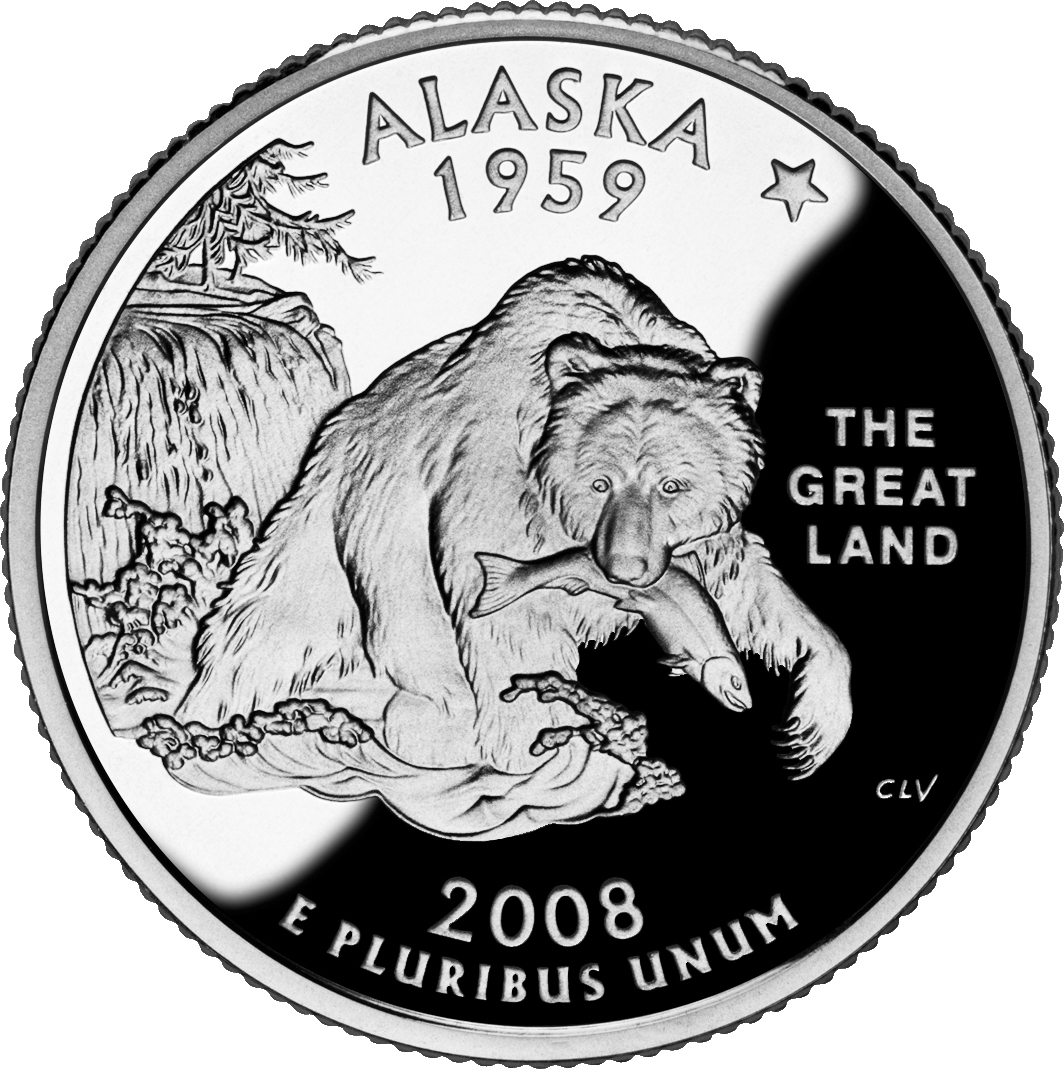
Understanding the “Great Land”
The meaning of Alaska is an ongoing discovery. It is a place that demands respect for its power and its fragility. It is a reminder of the raw beauty that still exists in the world and the importance of preserving these wild spaces. Whether you are gazing at the Northern Lights, spotting a whale breaching off the coast, or simply breathing in the crisp, clean air, Alaska offers a profound experience that resonates long after your visit. It is, in every sense of its ancient Aleut name, the Great Land—a testament to the enduring power and majesty of nature.
LifeOutOfTheBox is a participant in the Amazon Services LLC Associates Program, an affiliate advertising program designed to provide a means for sites to earn advertising fees by advertising and linking to Amazon.com. Amazon, the Amazon logo, AmazonSupply, and the AmazonSupply logo are trademarks of Amazon.com, Inc. or its affiliates. As an Amazon Associate we earn affiliate commissions from qualifying purchases.