
Nestled along the rugged and picturesque Mendocino Coast of Northern California, Fort Bragg is a charming coastal city that often sparks curiosity due to its name. While many associate “Fort Bragg” with the military installation in North Carolina, the Californian counterpart is an entirely different entity: a vibrant fishing village and a beloved travel destination renowned for its stunning natural beauty, quirky attractions, and rich history. Situated approximately 170 miles north of San Francisco, this captivating town serves as a gateway to the wild splendor of the Pacific Ocean and the majestic redwood forests.
Unveiling Fort Bragg’s Coastal Charm
Fort Bragg’s location on Highway 1, one of America’s most scenic drives, is integral to its allure. The journey itself, winding through dramatic cliffs, dense forests, and quaint seaside towns, sets the stage for the unique experience awaiting visitors. The city’s identity is deeply intertwined with its maritime heritage, evidenced by its active fishing harbor and the pervasive influence of the ocean on its culture and economy.
A Gem on the Mendocino Coast
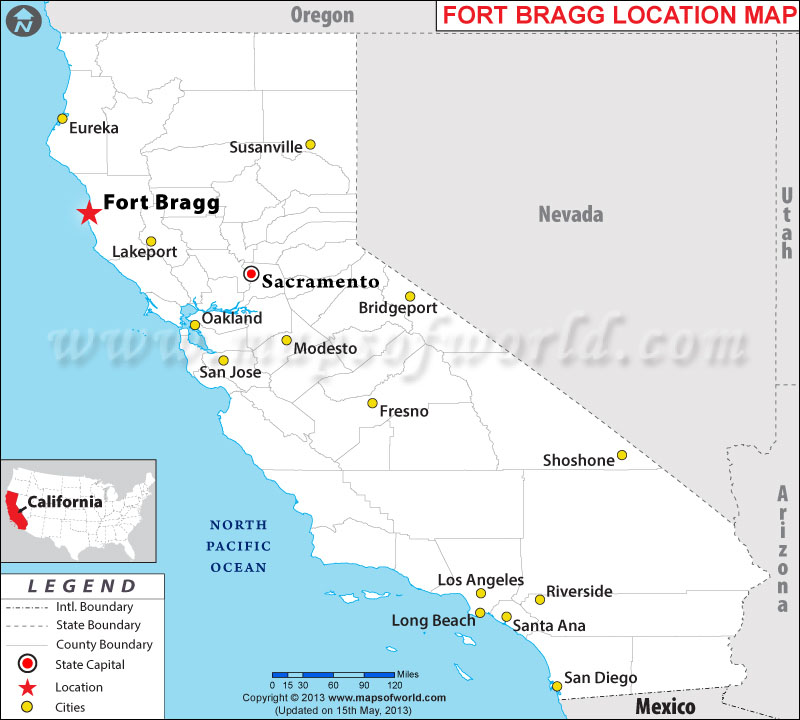
Geographically, Fort Bragg lies in Mendocino County, an area celebrated for its dramatic coastline, towering redwood trees, and artistic communities. It is the largest city on the Mendocino Coast north of Point Arena. The city is easily accessible by car, typically a three to four-hour drive from the San Francisco Bay Area or Sacramento, and about two hours from Santa Rosa. This relative proximity to major urban centers, combined with its distinctly remote feel, makes it an ideal escape for those seeking tranquility, adventure, or a blend of both.
The climate in Fort Bragg is characterized by mild temperatures year-round, often shrouded in a picturesque coastal fog during summer mornings that typically burns off by midday, revealing clear skies and abundant sunshine. Winters are cool and wet, contributing to the lush greenery of the surrounding landscapes. This temperate climate supports a diverse ecosystem, making it a haven for outdoor enthusiasts and nature lovers.
Historical Roots and Modern Appeal
The city’s history dates back to 1857 when a military post was established, named after Lieutenant Colonel Braxton Bragg, who later became a Confederate General. Its primary purpose was to maintain order at the nearby Mendocino Indian Reservation. After the post was abandoned in 1867, the area transformed into a bustling logging town, exporting lumber down the coast. This industrial past shaped much of the city’s infrastructure and character. Today, while logging and fishing remain important, Fort Bragg has successfully diversified, embracing tourism as a cornerstone of its economy. The remnants of its industrial past are often repurposed into attractions, offering a unique blend of historical insight and modern recreation.
Must-Visit Attractions and Experiences
Fort Bragg offers an array of unique attractions that cater to diverse interests, making it a memorable destination for travelers of all ages.
Glass Beach and Coastal Trails
Perhaps the most famous attraction in Fort Bragg is Glass Beach, a testament to nature’s ability to transform human waste into beauty. Once a municipal dump site, years of ceaseless ocean waves have tumbled discarded glass into smooth, colorful pebbles that now carpet parts of the shoreline. While visitors are encouraged to admire rather than collect the glass to preserve this unique natural phenomenon, strolling along its shores and witnessing the shimmering jewels is an enchanting experience.
Adjacent to Glass Beach are miles of rugged coastal trails, part of the Fort Bragg Coastal Trail and the greater MacKerricher State Park. These trails offer breathtaking panoramic views of the Pacific Ocean, ideal for walking, jogging, cycling, and whale watching during migration seasons (typically November-May). The dramatic sea stacks, hidden coves, and abundant marine wildlife—including harbor seals, sea lions, and various seabirds—provide endless opportunities for photography and nature observation.
Noyo Harbor: A Working Waterfront
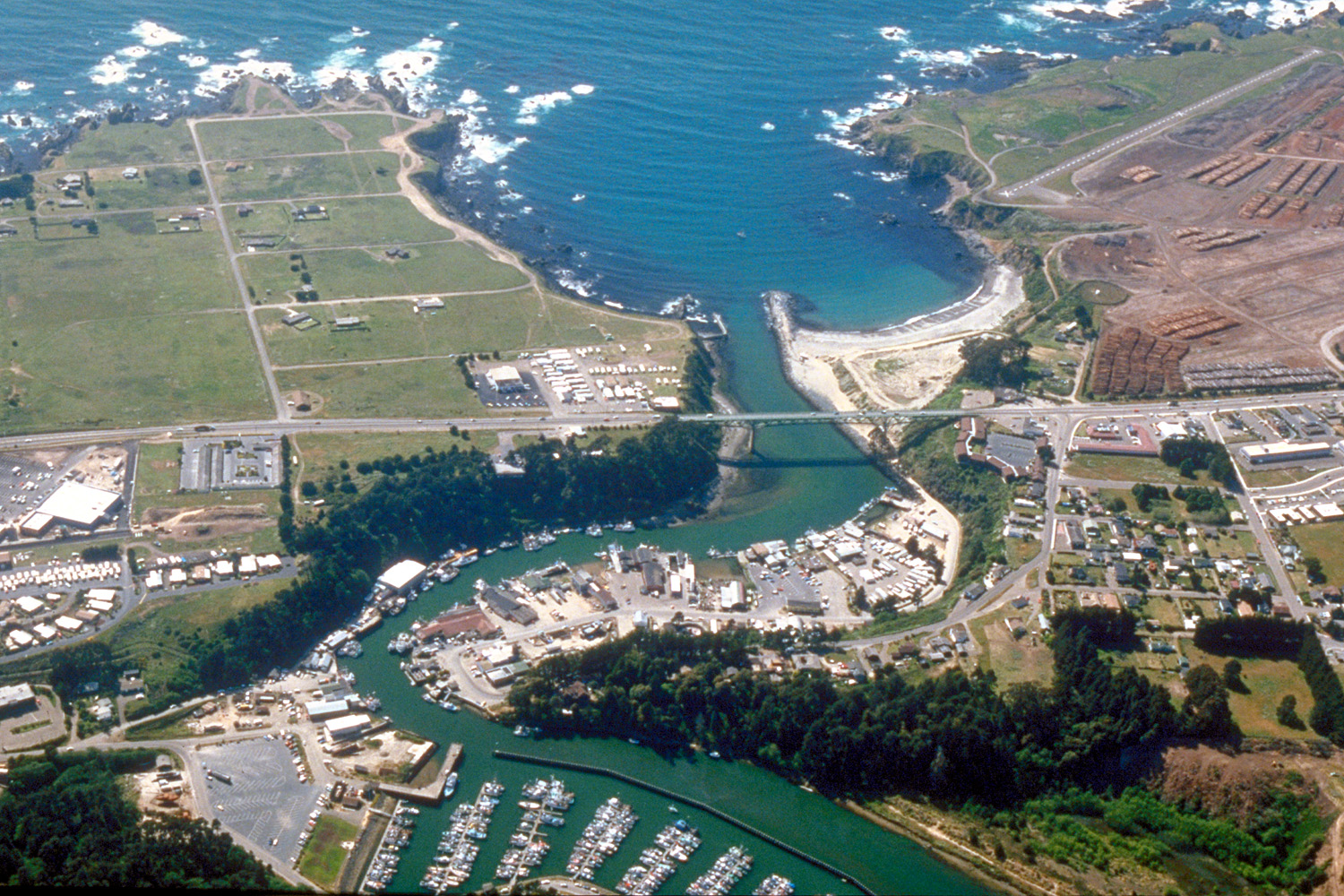
The bustling Noyo Harbor is the beating heart of Fort Bragg’s maritime community. This active fishing port is home to a vibrant fleet of fishing boats, charter vessels, and pleasure craft. Visitors can witness commercial fishermen bringing in their daily catch, often including Dungeness crab, salmon, and rockfish. The harbor area boasts several excellent seafood restaurants that serve incredibly fresh, locally sourced dishes, often caught just hours before reaching your plate. Noyo Harbor is also the departure point for whale watching tours, fishing charters, and scenic boat rides, offering different perspectives of the coastline and its marine inhabitants.
Skunk Train Adventures
A journey on the historic Skunk Train is a quintessential Fort Bragg experience. Operating since 1885, this heritage railway originally transported redwood logs and passengers deep into the Noyo River Canyon. Today, it offers scenic excursions, including the popular “Pudding Creek Express” and longer rides into the redwood forests. The open-air cars and charming train provide an immersive way to experience the region’s natural beauty, traversing bridges over meandering rivers, through tunnels, and amidst ancient redwood groves. The train’s nickname, “Skunk,” comes from the pungent smell of the gasoline engines introduced in the 1920s, which locals said you could smell before you saw them.
Mendocino Coast Botanical Gardens
For those with a passion for horticulture and serene landscapes, the Mendocino Coast Botanical Gardens is a must-visit. Spanning 47 acres, these unique gardens are the only public botanical gardens in the United States that feature both a coastal ecosystem and a forest environment. They boast a stunning collection of rhododendrons, heaths, heathers, and a diverse range of native and exotic plants, all thriving in the mild coastal climate. Winding pathways lead visitors through themed gardens, across bluffs overlooking the Pacific Ocean, and into tranquil redwood groves. The gardens also host various events, educational programs, and a popular café, making it a delightful destination for a leisurely stroll or an afternoon of exploration.
Exploring the Surrounding Beauty
Fort Bragg serves as an excellent base for exploring the wider Mendocino Coast and its inland wonders. The region is rich in natural beauty and charming communities, each offering its own distinct flavor.
The Artistic Enclave of Mendocino Village
Just a short drive south of Fort Bragg lies Mendocino Village, a historic community known for its Victorian architecture, art galleries, and breathtaking cliffside setting. Often compared to a New England village, Mendocino is a haven for artists and a delight for visitors who appreciate fine art, unique boutiques, and gourmet dining. The Mendocino Headlands State Park wraps around the village, offering spectacular walking trails and dramatic ocean views, perfect for an afternoon excursion.
Redwood Forests and State Parks
Inland from Fort Bragg, the ancient redwood forests beckon. While not as vast as Redwood National Park to the north, several state parks and reserves nearby offer opportunities to stand among these colossal trees. Montgomery Woods State Natural Reserve, though a bit of a drive, provides a pristine, untouched redwood experience. Closer to the coast, Jackson Demonstration State Forest offers numerous trails for hiking and mountain biking, allowing visitors to immerse themselves in the quiet grandeur of these magnificent giants. Exploring these forests provides a stark and beautiful contrast to the rugged coastal landscape.
Other notable state parks and natural reserves in the immediate vicinity include Jug Handle State Natural Reserve, known for its unique “ecological staircase,” and Point Cabrillo Light Station State Historic Park, which offers both a historic lighthouse and access to scenic coastal trails and tide pools. These areas contribute significantly to the diverse experiences available to travelers visiting Fort Bragg.
Planning Your Fort Bragg Getaway
Traveling to Fort Bragg is an adventure in itself, whether you’re embarking on a scenic road trip or seeking a peaceful retreat. Understanding the best time to visit and what to expect can enhance your experience.
Best Time to Visit
The ideal time to visit Fort Bragg largely depends on your preferences. Summer (June-August) offers the warmest temperatures and the most reliable sunshine, though coastal fog is common in the mornings. This is peak season, so expect more visitors and potentially higher prices for accommodations. Spring (April-May) and Fall (September-October) are often considered the sweet spots, with fewer crowds, pleasant weather, and vibrant wildflowers in spring or stunning foliage inland during fall. Winter (November-March) brings cooler temperatures and more rain, but it’s also prime whale-watching season and offers a more tranquil, atmospheric experience, often accompanied by dramatic storm watching opportunities.

Dining and Local Flavors
Fort Bragg’s culinary scene heavily emphasizes fresh seafood, reflecting its identity as a fishing town. From casual fish and chips shacks at Noyo Harbor to upscale dining establishments, visitors can indulge in the day’s catch. Beyond seafood, the city offers a range of dining options, including farm-to-table restaurants that highlight the bounty of Mendocino County’s agricultural producers, as well as charming cafes and bakeries. Don’t miss the chance to sample locally brewed craft beers and wines from the nearby Anderson Valley Wine Region.
In conclusion, Fort Bragg, California, is much more than just a name; it is a captivating destination characterized by its unique geographical setting, rich history, and an abundance of natural and man-made attractions. From the shimmering glass of its beaches to the towering majesty of its redwoods, Fort Bragg offers a travel experience that is both refreshing and profoundly memorable, truly embodying the adventurous spirit of the California coast.
LifeOutOfTheBox is a participant in the Amazon Services LLC Associates Program, an affiliate advertising program designed to provide a means for sites to earn advertising fees by advertising and linking to Amazon.com. Amazon, the Amazon logo, AmazonSupply, and the AmazonSupply logo are trademarks of Amazon.com, Inc. or its affiliates. As an Amazon Associate we earn affiliate commissions from qualifying purchases.