
When planning your next getaway, you’ve likely encountered various meal plan options offered by hotels and resorts. Among these, “half board” stands out as a popular choice, promising a balanced approach to dining and budgeting during your travels. But what exactly does half board entail? In essence, it’s a type of accommodation package that typically includes breakfast and one other meal per day, most commonly dinner, at the hotel’s dining facilities. This arrangement aims to simplify your travel experience by pre-arranging a significant portion of your daily sustenance, allowing you to focus on exploring the fascinating destinations that await you.
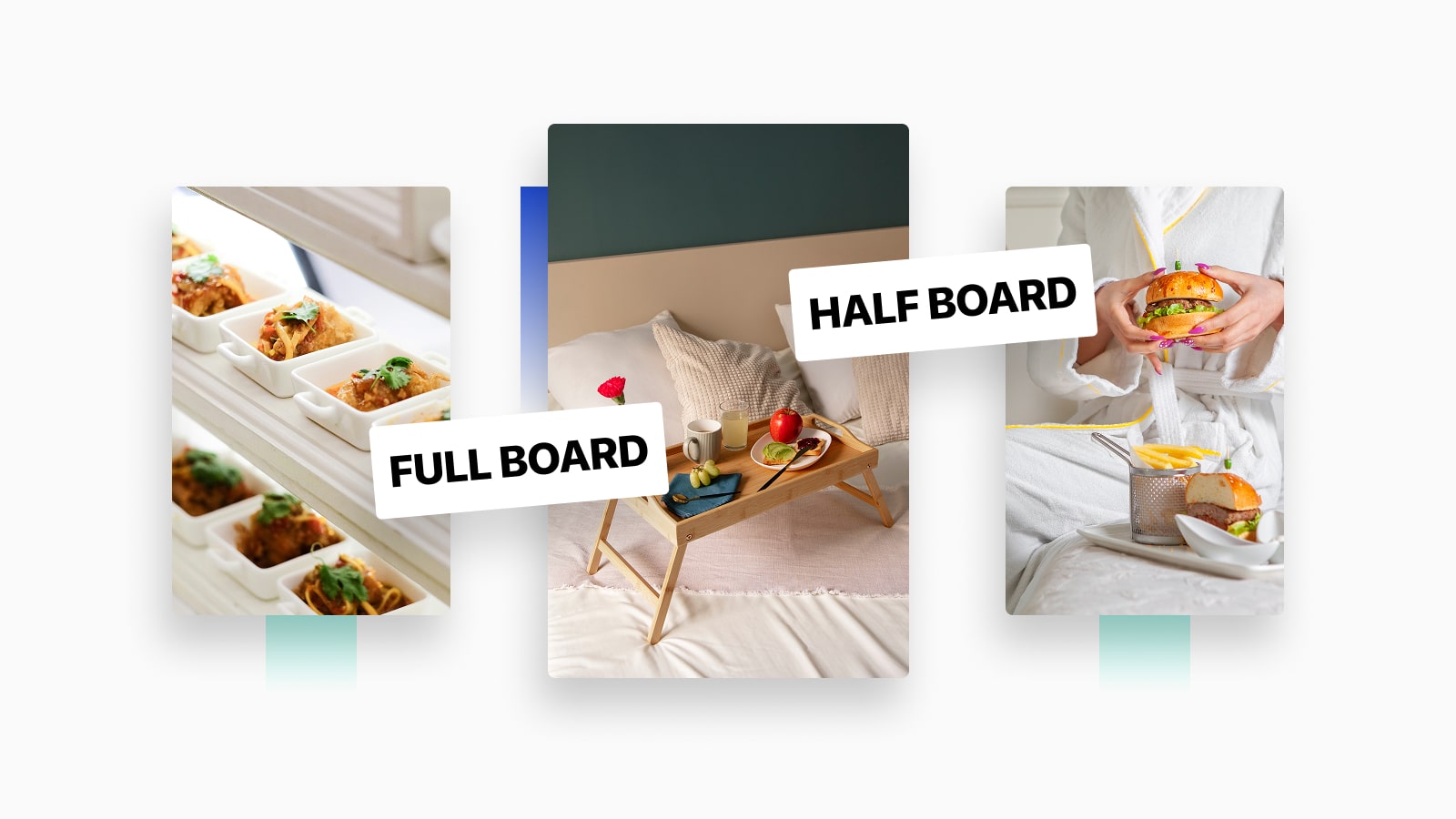
The concept of half board is rooted in providing value and convenience to travelers, especially those who plan to spend their days actively engaged in sightseeing and activities. By securing two meals within your accommodation, you gain a degree of predictability in your holiday expenses, freeing up your budget for experiences like visiting the Colosseum, delving into the vibrant street food scene of Bangkok, or perhaps indulging in a luxury spa treatment at a resort in the Maldives. Understanding the nuances of half board can significantly enhance your travel planning, ensuring you make the most of both your dining arrangements and your overall vacation.
Understanding the Inclusions of Half Board
At its core, half board is a straightforward meal plan. The defining characteristic is the inclusion of two meals per day within the price of your accommodation. While the specific meals can sometimes vary, the most common arrangement, and what is generally understood by the term “half board,” is breakfast and dinner.
Breakfast: The Essential Start to Your Day
Breakfast is almost universally included in a half board package. This is often a substantial meal, providing the energy needed for a day of exploration. Hotel breakfasts can range from simple continental spreads featuring pastries, fruits, and cereals, to lavish buffet-style offerings that include cooked items like eggs, bacon, sausages, and local specialties. For travelers planning early morning excursions to iconic landmarks such as the Eiffel Tower or historical sites like Machu Picchu, a readily available and satisfying breakfast at the hotel is a significant convenience. It eliminates the need to search for an open eatery early in the morning, saving precious time and reducing potential stress. This meal often sets the tone for the day, offering a chance to sample local flavors or enjoy familiar favorites before heading out to experience a new destination.
The Second Meal: Dinner as the Standard
The second meal included in a half board package is predominantly dinner. This choice makes practical sense for many travelers. After a day filled with sightseeing, shopping, or experiencing the local culture – perhaps exploring the ancient ruins of Rome or hiking through the stunning landscapes of Banff National Park – returning to the hotel for a pre-arranged dinner is a welcome and convenient option. Dinner services are typically more extensive than lunch, often featuring multi-course meals or extensive buffets that allow for a wider culinary experience. This allows guests to unwind, reflect on their day’s adventures, and enjoy a relaxed evening meal without the hassle of finding a restaurant in an unfamiliar city or resort.
Variations and Considerations
While breakfast and dinner are the standard, it’s crucial to note that some establishments might offer breakfast and lunch as part of their half board package, especially in regions where lunch is the main midday meal or in resorts focused on daytime activities. Always confirm the specific inclusions with your hotel or booking agent. The quality and style of the meals can also vary significantly. In a luxury resort like the Burj Al Arab Jumeirah in Dubai, you can expect gourmet dining experiences, while in a more budget-friendly hotel in Prague, the offerings might be simpler but still satisfying.
Furthermore, drinks are generally not included in half board unless specified. This means any beverages, from water and soft drinks to wine and spirits, consumed with your included meals will likely be an additional charge. This is an important detail to be aware of when budgeting for your trip, as the cost of drinks can add up. Some hotels might offer specific drink packages or complimentary water, but it’s always best to clarify beforehand.
Benefits of Choosing Half Board for Your Stay
Opting for a half board package can bring a multitude of advantages, enhancing both the convenience and the financial planning of your holiday. It’s particularly beneficial for travelers who prioritize structured dining and predictable expenses.
Financial Predictability and Budgeting
One of the most significant advantages of half board is the enhanced financial predictability it offers. When you book a package that includes two meals a day, you effectively fix a substantial portion of your daily expenditure on food. This makes budgeting much easier, as you can subtract these known costs from your overall holiday fund, allowing you to allocate the remaining money more precisely to activities, souvenirs, or spontaneous splurges. Instead of constantly calculating the cost of each meal and worrying about overspending, you can relax knowing that breakfast and dinner are already covered. This is especially valuable when traveling to destinations where dining out can be expensive, such as cities like Paris or popular tourist hubs in Australia.
Convenience and Time-Saving
The convenience factor of half board cannot be overstated. By having your meals provided at your accommodation, you save a considerable amount of time that would otherwise be spent researching restaurants, making reservations, and traveling to and from dining venues. This is particularly advantageous on busy sightseeing days. Imagine spending your morning exploring the intricate architecture of Gaudi’s masterpieces in Barcelona or marveling at the natural wonders of Iceland. Knowing that a satisfying dinner awaits you back at your hotel allows you to fully immerse yourself in these experiences without the looming thought of needing to find a place to eat. This convenience is a significant stress reducer, allowing for a more relaxed and enjoyable holiday.

Exploring Local Cuisine with Flexibility
While half board provides structured meals, it doesn’t necessarily mean you’re confined to the hotel’s dining room for every culinary adventure. The beauty of this plan is that it leaves you with one meal a day – typically lunch – free to explore the local gastronomic landscape. This allows you to truly experience the authentic flavors of your destination. You can seek out local trattorias in Italy, sample street food in Southeast Asia, or discover charming cafes in the heart of a bustling city. This flexibility ensures you get the best of both worlds: the convenience and value of pre-arranged meals, combined with the freedom to discover and savor unique local dishes on your own terms. It’s a balanced approach that caters to both planned itineraries and spontaneous culinary explorations.
Who is Half Board Best Suited For?
Half board is a versatile meal plan that appeals to a wide range of travelers, but it shines particularly brightly for certain types of holidays and individuals. Understanding these specific scenarios can help you determine if half board aligns with your travel style and needs.
Families and Group Travel
For families and larger travel groups, half board can be a godsend. Coordinating meals for multiple people, especially children with varying preferences, can be a logistical challenge and a significant expense. With half board, parents can be assured that at least two meals are covered, often in a family-friendly environment within the hotel. This reduces the stress of meal planning and ensures that everyone gets fed without extensive searching. It also helps manage the overall holiday budget, which is often a key consideration for families. Resorts offering half board, such as those found in holiday hotspots like the Canary Islands, often have diverse menus that can cater to different tastes, making it easier for everyone to find something they enjoy.
Travelers Focused on Sightseeing and Activities
If your primary goal is to pack your itinerary with sightseeing, excursions, and activities, half board becomes an exceptionally practical choice. Travelers who plan to spend their days exploring historical sites, museums, national parks like Yellowstone, or engaging in adventure sports will appreciate the time and energy saved by not having to worry about lunch or dinner. Returning to a pre-booked meal at the hotel after a long day of exploring the ancient wonders of Egypt or a trek through the Andes provides a comforting and efficient end to the day. This allows for maximum enjoyment of the destination without the constant interruption of meal breaks.
Budget-Conscious Travelers
For those who are mindful of their spending, half board offers a clear advantage in managing their holiday budget. By pre-paying for breakfast and dinner, travelers can gain better control over their expenses. This is particularly true in destinations where dining out can be surprisingly costly. While a full board or all-inclusive package might seem appealing, half board strikes a good balance, providing significant meal coverage without the potential for overpaying for meals you might not consume or for drinks you might not desire. It allows for a more deliberate allocation of funds towards experiences and necessities, ensuring a more financially sustainable trip, whether you’re staying in a charming boutique hotel in Lisbon or a well-equipped hotel apartment in London.
Making the Most of Your Half Board Package
To truly benefit from a half board arrangement, a little foresight and understanding can go a long way. It’s not just about knowing what’s included, but also about how to leverage the package to enhance your overall travel experience.
Confirm Specifics Before Booking
Before finalizing your booking, it’s paramount to clarify the exact inclusions of the half board package with your chosen hotel or travel agent. Don’t hesitate to ask about the meal times, the types of cuisine offered (buffet, à la carte, specific restaurants), and whether drinks are included with the meals. Some hotels might have different dining options for half board guests, and understanding these can help you manage expectations. For instance, a resort in the Caribbean might offer a more casual buffet for half board guests, while a more intimate hotel in Kyoto might have a set menu in their main restaurant. Knowing these details upfront will prevent any surprises and ensure you’re getting the most value from your booking.
Plan Your Lunches Strategically
With breakfast and dinner covered, your lunch becomes an opportunity for culinary adventure. Plan your lunches to coincide with your exploration of specific neighborhoods or attractions. If you’re visiting a famous landmark like Chichen Itza in Mexico, seek out local eateries nearby to sample regional specialties. Alternatively, if you’re having a relaxed day by the pool at your resort, a light snack or a casual cafe lunch can be a pleasant interlude. This approach allows you to experience the diverse food culture of your destination without breaking the bank or deviating from your half board plan. It’s about integrating your dining choices with your daily activities for a richer experience.

Consider Your Dining Habits
Reflect on your personal dining habits and how they align with a half board plan. If you are someone who prefers to dine out every evening and explore different restaurants, half board might feel restrictive. However, if you appreciate the convenience of a reliable meal after a day of touring, and enjoy the option of a leisurely breakfast to start your day, then half board is likely an excellent fit. For travelers who are not big eaters, the substantial meals often included in half board might be more than sufficient. Conversely, if you anticipate needing snacks or lighter meals throughout the day beyond the included breakfast, factor in the potential cost of these extras. Ultimately, the goal is to choose a plan that complements your lifestyle and enhances your holiday experience.
LifeOutOfTheBox is a participant in the Amazon Services LLC Associates Program, an affiliate advertising program designed to provide a means for sites to earn advertising fees by advertising and linking to Amazon.com. Amazon, the Amazon logo, AmazonSupply, and the AmazonSupply logo are trademarks of Amazon.com, Inc. or its affiliates. As an Amazon Associate we earn affiliate commissions from qualifying purchases.