
When planning a trip to the picturesque coastal city of Naples, Florida, understanding the prevailing weather conditions is paramount. Whether you’re dreaming of sun-drenched beach days, exploring charming boutiques, or indulging in world-class dining, the temperature plays a significant role in shaping your experience. Naples, Florida, situated on the Gulf Coast of Southwest Florida, boasts a tropical savanna climate, characterized by warm to hot temperatures year-round and distinct wet and dry seasons. This guide delves into the typical temperature ranges, seasonal variations, and how these weather patterns influence travel and activities in this popular destination.
Understanding Naples, Florida’s Climate
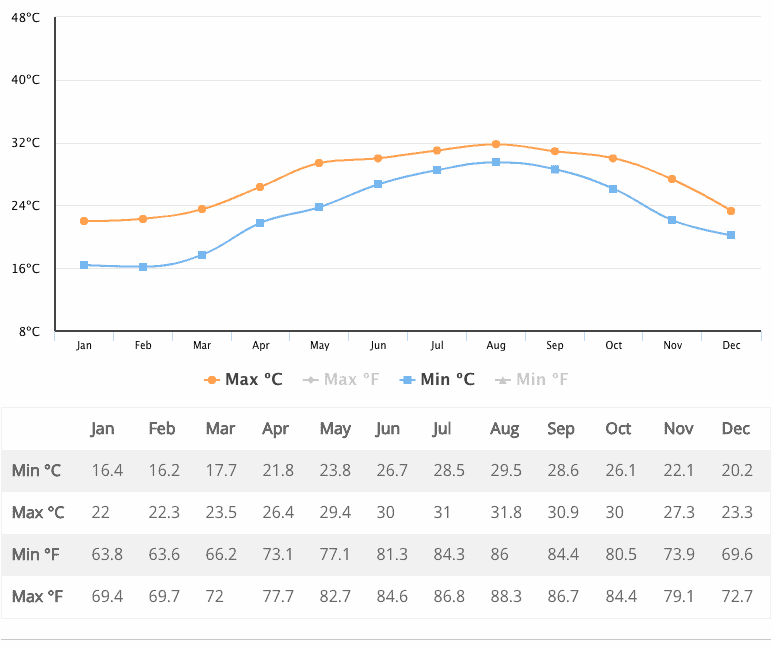
Naples, Florida experiences a subtropical climate, offering visitors a pleasant escape for much of the year. The city’s proximity to the Gulf of Mexico significantly moderates its temperatures, preventing extreme highs and lows. This coastal influence means that even during the warmer months, a gentle sea breeze often provides a welcome respite. The climate is defined by two primary seasons: a hot and humid wet season from late May to October, and a dry season from November to April, which is generally cooler and less humid.
Seasonal Temperature Trends
The winter months in Naples, Florida (December to February) are arguably the most sought-after for travelers. This period offers mild and comfortable temperatures, with average highs ranging from the mid-70s Fahrenheit (around 24°C) and lows dipping into the 50s Fahrenheit (about 10-15°C). These conditions are ideal for outdoor activities, exploring the numerous golf courses, strolling along the beach, or visiting attractions like the Naples Pier and the Naples Zoo at Caribbean Gardens. The lower humidity also makes this time of year particularly enjoyable for those accustomed to more temperate climates.
As spring approaches (March to May), temperatures begin to climb, but remain very pleasant. Highs typically range from the upper 70s to the mid-80s Fahrenheit (around 26-29°C), with nighttime lows in the 60s Fahrenheit (15-20°C). This transitional period is also a great time to visit, as the crowds from the peak winter season may start to thin out, and the landscape bursts into vibrant bloom.
The summer months (June to August) in Naples, Florida are characterized by significant heat and humidity. Average high temperatures soar into the upper 80s and low 90s Fahrenheit (around 31-33°C), with heat index values often feeling even higher. Overnight lows remain warm, usually in the mid-70s Fahrenheit (around 24°C). This is also the wet season, meaning afternoon thunderstorms are common, often brief but intense. Despite the heat, many visitors still enjoy activities like early morning beach visits, water sports, or indoor attractions.
Autumn (September to November) sees a gradual cooling and a decrease in humidity as the wet season transitions into the dry season. September and October can still be quite warm, with highs in the low 90s Fahrenheit (around 33°C), but the oppressive humidity of summer begins to recede. By November, temperatures are back to the comfortable mid-70s Fahrenheit (around 24°C), making it another excellent month for travel. The fall colors, while not as dramatic as in northern regions, can still be appreciated in the lush vegetation.
Planning Your Visit Based on Temperature and Season
The temperature in Naples, Florida directly influences the types of activities you can enjoy and the kind of clothing you should pack. Understanding these seasonal shifts is key to maximizing your vacation experience.
Activities Suited for Different Temperatures
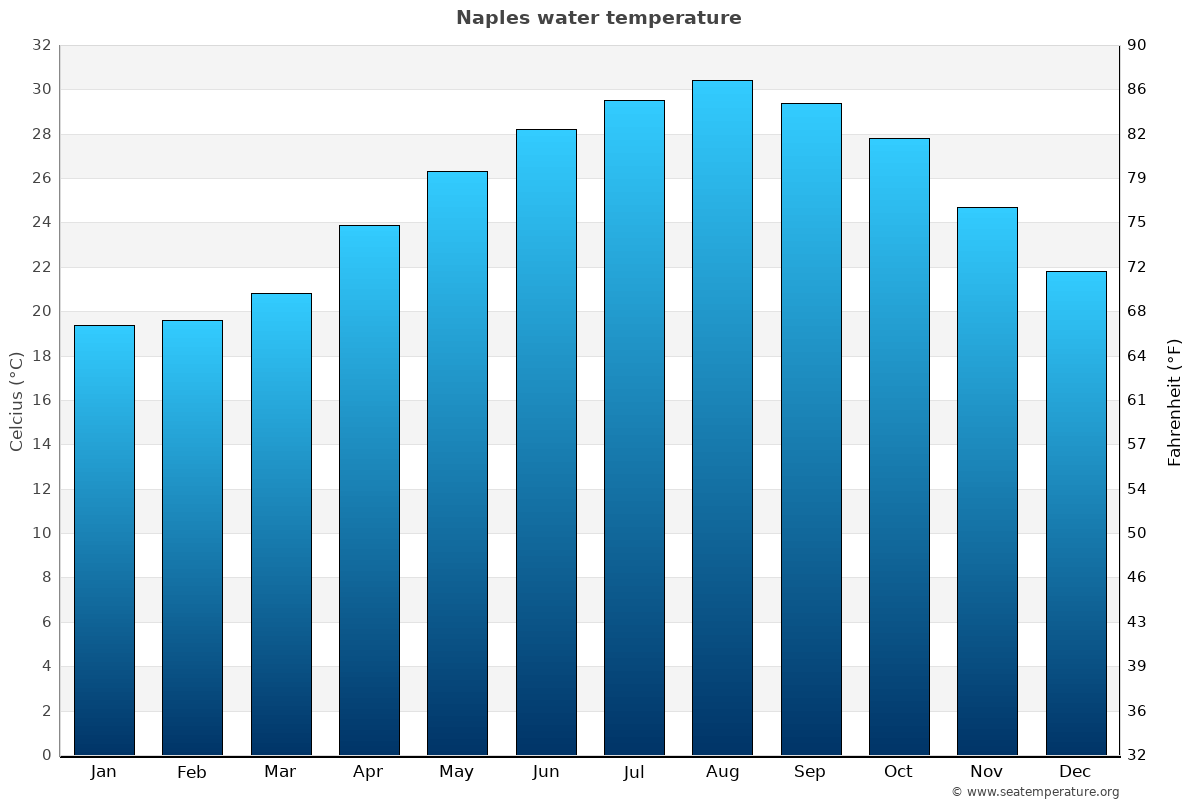
Mild Winters (December – February): This is prime time for outdoor exploration. Think leisurely walks along Fifth Avenue South and Third Street South for shopping and dining, visiting the Naples Botanical Garden, or enjoying a round of golf. Beach activities are also very comfortable, with the water temperature still being quite inviting. This is also an ideal period for longer stays, perhaps in a rental apartment or villa, allowing for a more immersive lifestyle experience.

Pleasant Spring (March – May): Similar to winter, spring offers fantastic conditions for outdoor pursuits. It’s a wonderful time for exploring the natural beauty of the area, such as kayaking through the mangroves or taking a boat tour to spot dolphins. The warmer evenings are perfect for al fresco dining. Consider booking accommodation in popular resorts like the Ritz-Carlton, Naples or a charming boutique hotel during this period.
Hot & Humid Summers (June – August): While the heat can be intense, summer in Naples, Florida is not without its charms. Embrace the water! Swimming, paddleboarding, and boating are popular ways to stay cool. Many attractions offer air-conditioned comfort, including museums like the Baker Museum or indoor shopping experiences. The afternoon thunderstorms can also add a dramatic flair to the tropical landscape, often followed by clear, warm evenings. Budget travelers might find this season offers more competitive pricing on hotels and flights.
Comfortable Autumn (September – November): As the humidity drops and temperatures become more moderate, autumn reopens the door to extensive outdoor activities. This is a fantastic time to revisit favorite landmarks or discover new ones, perhaps exploring the historic Tin City for unique souvenirs and local flavors. The golf courses see a resurgence of activity, and the beaches are once again perfect for long strolls and relaxation.
Packing Essentials by Season
When packing for your trip to Naples, Florida, consider the expected temperatures and your planned activities.
- Winter: Lightweight layers are key. Pack t-shirts, long-sleeved shirts, a light jacket or sweater for cooler evenings, comfortable walking shoes, shorts, and a swimsuit. Don’t forget sunscreen, a hat, and sunglasses.
- Spring: Similar to winter, but you can lean more towards lighter fabrics. Think sundresses, linen pants, short-sleeved tops, and swimwear. A light cardigan might be useful for cooler evenings.
- Summer: Focus on breathable, moisture-wicking fabrics. Lightweight cotton and linen are ideal. Pack plenty of shorts, t-shirts, tank tops, and very light dresses. A rain jacket or umbrella is essential for those afternoon showers. Sandals and flip-flops are a must.
- Autumn: You can transition from summer wear to slightly more substantial layers as the season progresses. Pack a mix of shorts, t-shirts, and perhaps a light pair of jeans or capris. A light sweater or jacket will be useful for evenings.
Average Monthly Temperatures and Precipitation
To further refine your travel plans, here’s a look at the average monthly temperatures and precipitation for Naples, Florida. These figures provide a general guideline, and actual weather can vary from year to year.
Temperature Averages
- January: Highs around 72°F (22°C), Lows around 51°F (11°C)
- February: Highs around 74°F (23°C), Lows around 53°F (12°C)
- March: Highs around 77°F (25°C), Lows around 57°F (14°C)
- April: Highs around 81°F (27°C), Lows around 61°F (16°C)
- May: Highs around 85°F (29°C), Lows around 66°F (19°C)
- June: Highs around 89°F (32°C), Lows around 71°F (22°C)
- July: Highs around 91°F (33°C), Lows around 73°F (23°C)
- August: Highs around 91°F (33°C), Lows around 74°F (23°C)
- September: Highs around 89°F (32°C), Lows around 73°F (23°C)
- October: Highs around 85°F (29°C), Lows around 68°F (20°C)
- November: Highs around 79°F (26°C), Lows around 60°F (16°C)
- December: Highs around 74°F (23°C), Lows around 54°F (12°C)
Precipitation Averages
The wet season, from roughly June to September, sees significantly higher rainfall. July and August are typically the wettest months, with frequent afternoon showers and thunderstorms. The dry season, from November to April, is characterized by much lower rainfall.
- Wettest Months (June – September): Expect average monthly rainfall between 6-10 inches.
- Driest Months (November – April): Expect average monthly rainfall between 1-3 inches.
Understanding these temperature and precipitation patterns will empower you to make informed decisions when booking your accommodation, selecting activities, and packing for your unforgettable trip to Naples, Florida. Whether you’re seeking luxury resorts like the Ritz-Carlton, Naples or a cozy apartment for a longer stay, the climate of Naples, Florida offers a wonderful backdrop for a diverse range of travel experiences.
LifeOutOfTheBox is a participant in the Amazon Services LLC Associates Program, an affiliate advertising program designed to provide a means for sites to earn advertising fees by advertising and linking to Amazon.com. Amazon, the Amazon logo, AmazonSupply, and the AmazonSupply logo are trademarks of Amazon.com, Inc. or its affiliates. As an Amazon Associate we earn affiliate commissions from qualifying purchases.