
The dazzling allure of Las Vegas is undeniable. Known as the “Entertainment Capital of the World,” this vibrant Nevada desert city pulsates with an energy that draws millions of visitors annually. Whether you’re planning a spontaneous getaway or meticulously scheduling your dream vacation, understanding the weather is a crucial element of a successful trip. From the scorching heat of summer that necessitates seeking the cool embrace of a luxurious resort pool, to the surprisingly mild winters that invite leisurely strolls along the Strip, the climate of Las Vegas plays a significant role in shaping your travel experience.
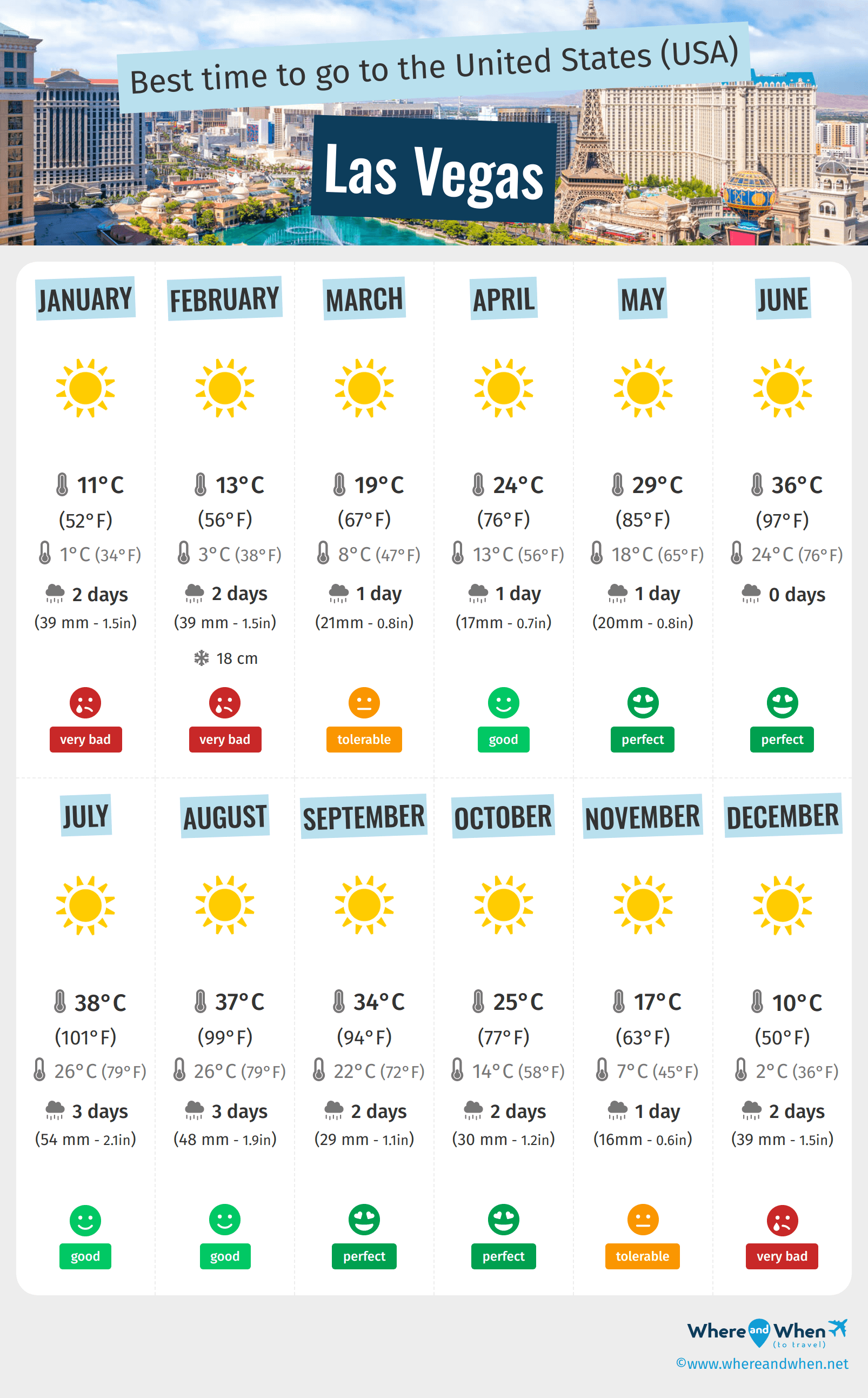
This guide delves into the nuances of Las Vegas weather, offering insights that will help you pack appropriately, plan your daily activities, and truly make the most of your visit, regardless of the season. We’ll explore how the distinct weather patterns influence everything from the types of attractions you might enjoy to the best times to explore its iconic landmarks and immerse yourself in its unique lifestyle.
Understanding Las Vegas’s Arid Climate
Las Vegas is situated in the Mojave Desert, a geographical location that dictates its arid and generally sunny climate. This means you can expect a significant amount of sunshine throughout the year. However, don’t mistake “sunny” for “consistently pleasant.” The desert environment brings extreme temperature fluctuations between day and night, and significant differences between seasons.
Seasonal Weather Patterns
Spring (March – May)
Spring in Las Vegas is often considered one of the most pleasant times to visit. The temperatures begin to rise from their winter lows, offering a comfortable warmth that is ideal for exploring.
- March: Temperatures start to warm up, with average highs in the low 70s°F (around 21°C) and lows in the upper 40s°F (around 9°C). It can still be a bit chilly in the evenings, so a light jacket is recommended. Rainfall is minimal, though occasional showers are possible.
- April: The warmth continues to build, with average highs reaching the mid-80s°F (around 29°C) and lows in the 50s°F (around 10-15°C). This is a fantastic time for outdoor activities like hiking in Red Rock Canyon or exploring the Fremont Street Experience without the intense heat.
- May: This month marks the transition into summer. Highs frequently climb into the 90s°F (around 32-37°C), and evenings remain pleasant, typically in the 60s°F (around 15-20°C). Sunscreen and hydration become increasingly important as the sun’s intensity grows.
Summer (June – August)
Summer in Las Vegas is synonymous with extreme heat. The desert sun beats down relentlessly, making outdoor activities during the hottest parts of the day challenging for those not accustomed to such temperatures.
- June: Temperatures soar, with average highs consistently in the 100s°F (above 38°C). Evenings offer a slight reprieve, but lows still hover in the 70s°F (around 21-26°C). This is the prime time for enjoying the world-class resort pools, which are an integral part of the Las Vegas lifestyle.
- July: This is typically the hottest month. Daily highs routinely exceed 105°F (40.5°C), and can often push towards 110°F (43°C) or higher. Nighttime temperatures remain warm, often in the 80s°F (around 27-32°C). Staying hydrated and seeking indoor or shaded activities is crucial. The air-conditioning in the casinos and hotels becomes your best friend.
- August: Similar to July, August continues the scorching summer heat. Highs remain in the triple digits, and the sun’s intensity is at its peak. While outdoor adventures are possible in the early mornings or late evenings, most visitors will find themselves drawn to the air-conditioned comfort of the casinos, shopping malls, and entertainment venues.
Autumn (September – November)
As the summer heat begins to recede, autumn ushers in another period of excellent weather for Las Vegas. The temperatures become more forgiving, allowing for a wider range of activities.
- September: The heat gradually subsides, though it can still be quite warm. Average highs are in the high 90s°F (around 37°C), with evenings cooling down to the 60s°F (around 15-20°C). This month still calls for sun protection and plenty of fluids.
- October: This is often considered an ideal month for visiting. Highs are comfortably in the 80s°F (around 27-32°C), and evenings are cool and pleasant, with lows in the 50s°F (around 10-15°C). It’s perfect for walking the Strip, enjoying outdoor dining, or taking day trips to nearby attractions.
- November: Temperatures continue to drop, with average highs in the 60s°F (around 15-20°C) and lows in the 40s°F (around 4-9°C). While still generally sunny, you’ll definitely want a jacket or sweater for the evenings. This is a great time for exploring historical sites and enjoying the festive pre-holiday atmosphere.
Winter (December – February)
Winter in Las Vegas is surprisingly mild compared to many other parts of the United States. While it can get chilly, especially after sunset, snow is a rare occurrence.
- December: Highs are typically in the 50s°F (around 10-15°C), and nighttime lows can dip into the 30s°F (around 0-4°C). You’ll need a warm coat for the evenings, but daytime temperatures can be pleasant enough for exploring the Strip or enjoying a leisurely brunch.
- January: This is generally the coldest month. Average highs are in the low 50s°F (around 10-12°C), and lows often fall below freezing, especially away from the city lights. Bundling up is essential for any outdoor activities, but the daylight hours can still offer a pleasant experience.
- February: A gradual warming trend begins. Highs move back into the mid-50s°F (around 12-15°C), and lows are still chilly but less likely to be freezing, usually in the upper 30s°F (around 3-7°C). This month can offer a nice balance of cooler temperatures and increasing daylight hours.
Beyond The Numbers: How Weather Impacts Your Las Vegas Experience
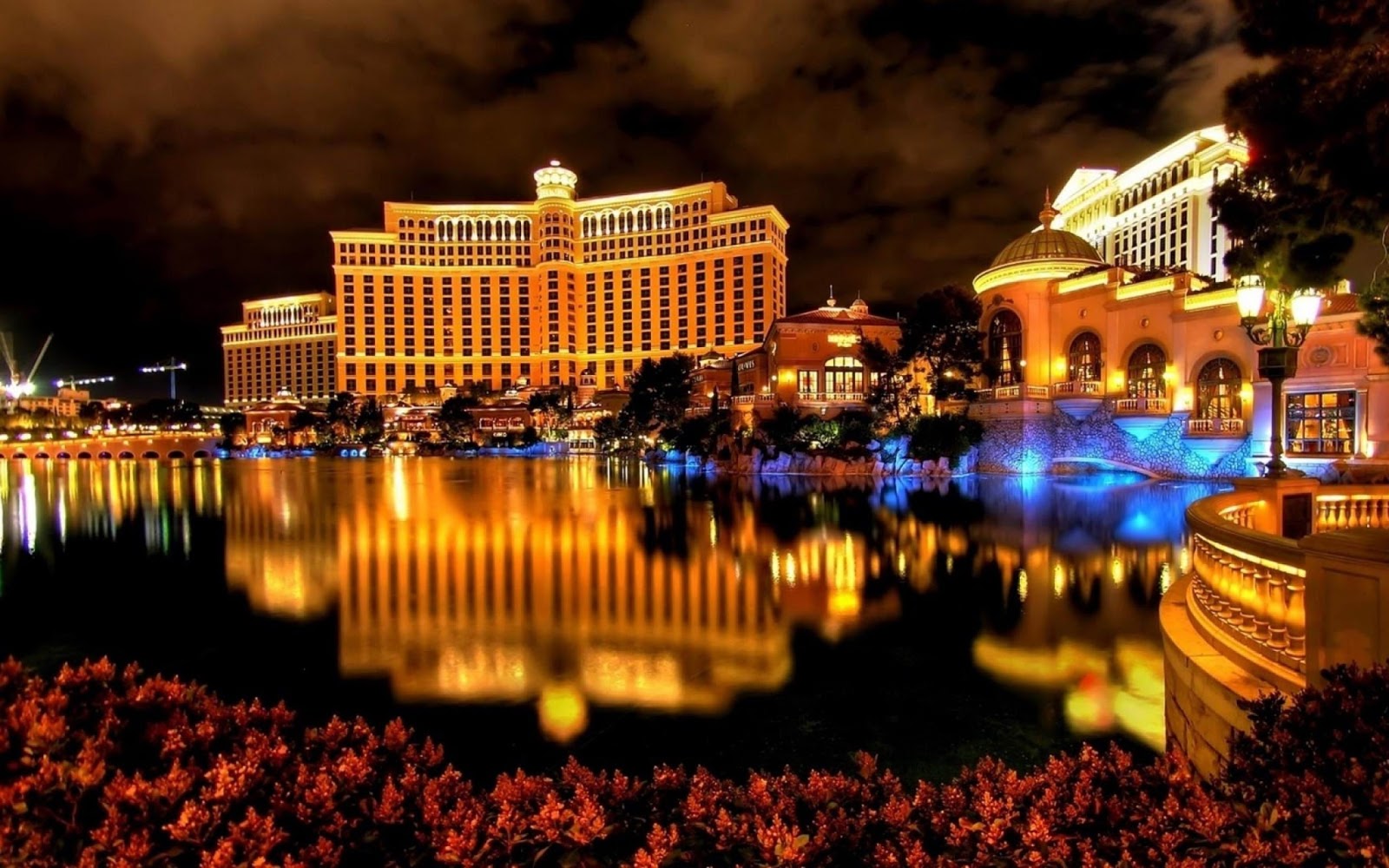
The weather in Las Vegas isn’t just a set of numbers; it profoundly influences your travel plans, your choice of accommodation, and the very activities you’ll seek out.
Adapting Your Itinerary to the Elements
When you’re planning your Las Vegas adventure, consider how the weather will shape your days and nights.
- Summer Heat: During the peak summer months, your tourism itinerary will likely revolve around indoor attractions. Think of the grand casinos like The Venetian or Bellagio, the vast shopping complexes, and the spectacular indoor shows. Even outdoor landmarks like the Hoover Dam are best visited early in the morning or late in the afternoon, with plenty of water and sun protection. Your accommodation choice, particularly the quality of its air conditioning and the allure of its pool area, becomes paramount. Many resorts offer elaborate pool decks with cabanas, swim-up bars, and lazy rivers, turning pool time into a full-day activity.
- Pleasant Spring and Fall: These seasons open up the city and its surroundings to more exploration. Consider booking a guided tour to the Grand Canyon or exploring the natural beauty of Valley of Fire State Park. The Strip becomes a more enjoyable place to walk and people-watch, with opportunities for outdoor dining at restaurants like those found at Caesars Palace. You might also consider longer stays, perhaps even a long-term stay in an apartment or villa, allowing you to savor the milder climate at a more relaxed pace.
- Cooler Winter: While not as extreme as other parts of the country, winter can still be cool enough to enjoy activities that might be too warm in other seasons. This could include exploring the historic Downtown Las Vegas area, visiting museums, or enjoying a round of golf on one of the many desert courses. Your accommodation might focus less on the pool and more on cozy lounges and indoor dining options.
Packing Smart for Every Season
Your packing list will depend heavily on when you visit Las Vegas.
- Summer Essentials: Lightweight, breathable clothing (cotton, linen), a wide-brimmed hat, sunglasses, high SPF sunscreen, a reusable water bottle, comfortable walking shoes, and swimwear are non-negotiable. Evenings might call for a light cover-up.
- Spring and Fall Packing: Layers are key. You’ll want t-shirts, long-sleeved shirts, a light sweater or jacket, and comfortable pants or shorts. Again, sunscreen and sunglasses are vital.
- Winter Wardrobe: Pack warmer clothing, including sweaters, long pants, a warm coat, gloves, and a scarf. Comfortable closed-toe shoes are a must. While you might not need a heavy winter coat, being prepared for cool evenings is essential.
Leveraging Weather Information for Optimal Travel Planning
Knowing the weather forecast for your specific travel dates is crucial for making informed decisions about your accommodation, activities, and even dining.
Choosing the Right Accommodation
The weather can influence your choice of hotel.
- Summer Travel: Look for hotels with exceptional pool facilities and excellent air conditioning. Many resorts in Las Vegas are designed to be havens from the heat, with expansive indoor spaces and shaded outdoor areas. Consider suites or apartments that offer a comfortable retreat after a day in the sun.
- Spring/Fall Trips: When the weather is more temperate, you might prioritize hotels with balconies or easy access to outdoor patios for enjoying the pleasant evenings. Proximity to attractions you plan to walk to will also be a factor.
- Winter Stays: Cozy interiors, good heating, and perhaps an indoor pool or spa might be more appealing than an expansive outdoor pool area that might be too cool to enjoy.
Planning Activities and Attractions
The weather is a direct influencer on what you can do.
- Indoor Focus: During hot summer months, prioritize indoor attractions like the Bellagio Gallery of Fine Art, the Mob Museum, or catching a Cirque du Soleil show. Even casino-hopping is an indoor activity.
- Outdoor Exploration: In milder seasons, you can plan day trips to Red Rock Canyon National Conservation Area for hiking and scenic drives, or visit the Springs Preserve for a dose of local history and nature. The Neon Museum offers a unique outdoor experience that can be more enjoyable during cooler times.
- Evening Entertainment: Las Vegas truly comes alive at night, and the weather plays a role. A cool evening is perfect for a stroll down the Strip to admire the lights and sounds, or to enjoy outdoor entertainment options.
Making the Most of Food and Drink
Even culinary experiences can be weather-dependent.
- Summer Dining: You might be more inclined towards restaurants with excellent indoor seating or those offering shaded outdoor patios. Staying hydrated with refreshing drinks becomes a priority, and many bars and restaurants offer specialized summer cocktails.
- Year-Round Enjoyment: Las Vegas boasts a diverse culinary scene. From fine dining at establishments within the Aria Resort & Casino to casual eateries, the weather might influence whether you prefer a cozy booth indoors or a table on a lively patio.
By understanding the prevailing weather patterns and staying updated with the daily forecast, you can ensure your travel to Las Vegas is as enjoyable and seamless as possible, allowing you to fully immerse yourself in the vibrant lifestyle and countless experiences this iconic city has to offer. Whether you’re here for the gambling, the shows, the dining, or the unique local culture, a little weather preparedness goes a long way in making your trip unforgettable.
LifeOutOfTheBox is a participant in the Amazon Services LLC Associates Program, an affiliate advertising program designed to provide a means for sites to earn advertising fees by advertising and linking to Amazon.com. Amazon, the Amazon logo, AmazonSupply, and the AmazonSupply logo are trademarks of Amazon.com, Inc. or its affiliates. As an Amazon Associate we earn affiliate commissions from qualifying purchases.