
When renting a home, apartment, or extended-stay property in cities like Wichita or Overland Park, tenants and landlords operate under strict legal guidelines. While most housing disputes are resolved before reaching a courtroom, some situations escalate. Understanding what happens when a legal proceeding advances to a formal hearing is essential for anyone navigating the state’s housing landscape.
Whether you are managing long-term rentals or studying local housing policies, knowing the courtroom process clarifies your rights and responsibilities.
Understanding the Legal Context in Kansas
Housing laws dictate how a landlord can reclaim possession of a property. When a dispute arises—typically due to nonpayment of rent or a lease violation—the legal process begins long before a courtroom appearance.
The Notice Phase and Filing
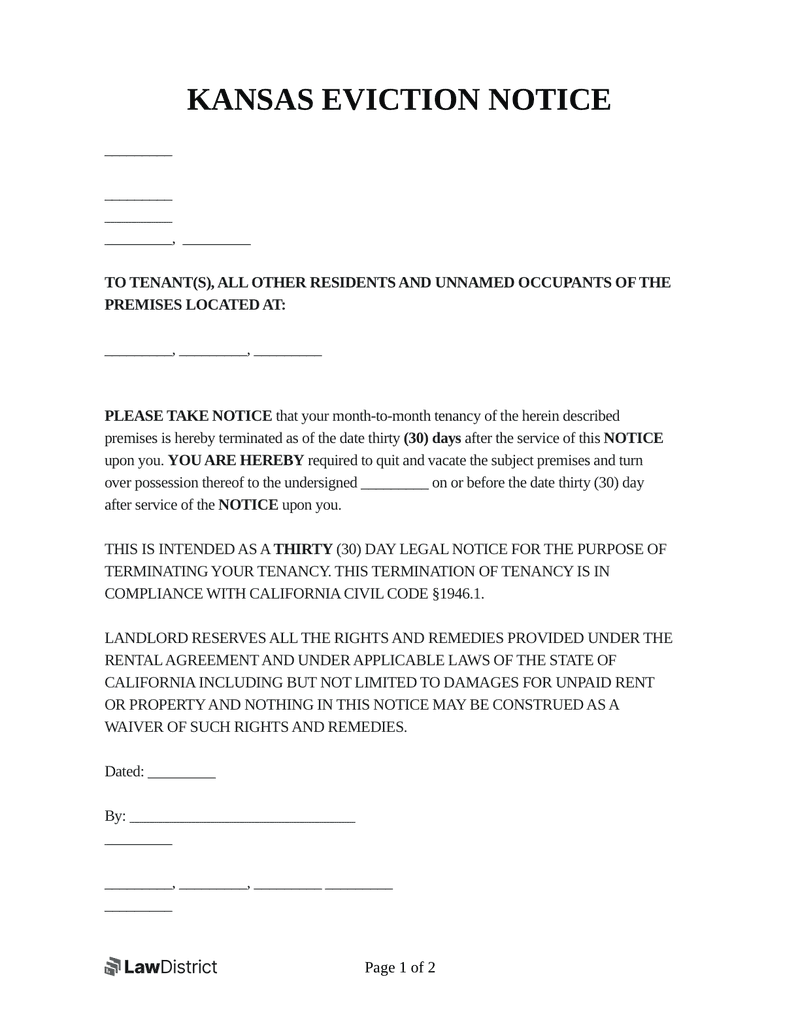
Before any court action occurs, a landlord must provide proper written notice to the tenant. Under Kansas law, this is usually a 3-day notice to pay rent or quit for nonpayment, or a 14/30-day notice for other lease violations. If the tenant fails to remedy the situation or vacate the premises within the allotted timeframe, the landlord can file a Forcible Detainer action—commonly known as an eviction lawsuit—at the local district court.
The Initial Appearance (Return Date)
Once the lawsuit is filed, the court issues a summons specifying a date and time for the initial hearing. At this stage, the tenant has the opportunity to appear and contest the claims.
- If the tenant does not show up, the judge typically grants a default judgment in favor of the landlord.
- If the tenant appears and denies the allegations or raises a valid legal defense, the judge will schedule the matter for a formal trial.
Going to trial means the initial negotiations have failed, and both parties must now present evidence to a judge to reach a binding legal decision.
What Happens During the Trial?
A housing trial in Kansas is typically a bench trial, meaning there is no jury. Instead, a judge listens to both sides, reviews the evidence, and makes an immediate or prompt ruling. Preparing for this stage requires a thorough understanding of court procedures and evidentiary rules.
Burden of Proof
In these proceedings, the landlord carries the burden of proof. To win the case, the landlord must prove by a preponderance of the evidence that:
- A valid rental agreement existed between the parties.
- Proper legal notice was served to the tenant.
- The tenant breached the lease agreement (such as failing to pay rent).
- The tenant remains in possession of the property.

Presenting Evidence and Testimony
Both the landlord and the tenant have the right to present their cases. Effective preparation involves organizing documentation chronologically.
- Landlords typically bring lease agreements, payment ledgers, copies of written notices, and communication logs.
- Tenants contesting the action might bring bank statements proving rent was paid, photographs of unaddressed property maintenance issues, or notices of repair requests sent to the property owner.
Cross-examination is permitted, allowing each side to question the other’s statements and challenge the submitted evidence. Judges strictly evaluate the facts presented according to state property statutes.
Potential Outcomes and Legal Consequences
The conclusion of a trial brings immediate consequences for both parties. Because housing disputes move rapidly through the judicial system in Kansas, execution of the court’s judgment follows shortly after the verdict.
If the Landlord Wins
If the judge rules in favor of the property owner, the court issues a Writ of Restitution. This document commands the local sheriff to remove the tenant and their belongings from the premises if they do not leave voluntarily within a specified short window, often 48 to 72 hours.
- The tenant may also be ordered to pay back rent, court costs, and, if specified in the lease agreement, reasonable attorney fees.
- A formal judgment becomes a matter of public record, which can significantly impact the tenant’s ability to secure future housing or favorable rental rates in areas like Kansas City or Topeka.
If the Tenant Wins
Should the judge rule in favor of the tenant—perhaps finding that the landlord failed to provide proper notice, accepted rent after issuing a notice, or that the tenant withheld rent legally due to unlivable conditions—the eviction action is dismissed.
- The tenant retains the right to remain in the property under the existing lease terms.
- In some cases, the landlord may be ordered to cover the tenant’s court costs or legal expenses.
Alternative Resolutions and Best Practices
Reaching a trial indicates a breakdown in communication, but options for resolution often remain open right up until the judge issues a final verdict.
Settlement Agreements
Even on the day of the trial, judges frequently encourage landlords and tenants to negotiate a settlement outside the courtroom. A common resolution is a “pay-and-stay” agreement, where the tenant agrees to pay a lump sum of overdue rent by a specific date, or a “move-out” agreement, where the tenant receives extra time to vacate voluntarily in exchange for the landlord dismissing the formal court record.

Long-Term Prevention
For property managers, investors, and residents alike, avoiding the courtroom altogether is always the preferred outcome. Clear communication, adherence to state housing codes, maintaining habitability standards, and documenting all financial transactions prevent minor misunderstandings from escalating into costly legal battles.
Navigating a housing trial requires careful attention to detail, adherence to statutory timelines, and respect for the legal framework governing property rights. Whether defending one’s home or managing real estate assets, knowing what to expect ensures that all parties can navigate the judicial process fairly and transparently.
LifeOutOfTheBox is a participant in the Amazon Services LLC Associates Program, an affiliate advertising program designed to provide a means for sites to earn advertising fees by advertising and linking to Amazon.com. Amazon, the Amazon logo, AmazonSupply, and the AmazonSupply logo are trademarks of Amazon.com, Inc. or its affiliates. As an Amazon Associate we earn affiliate commissions from qualifying purchases.