
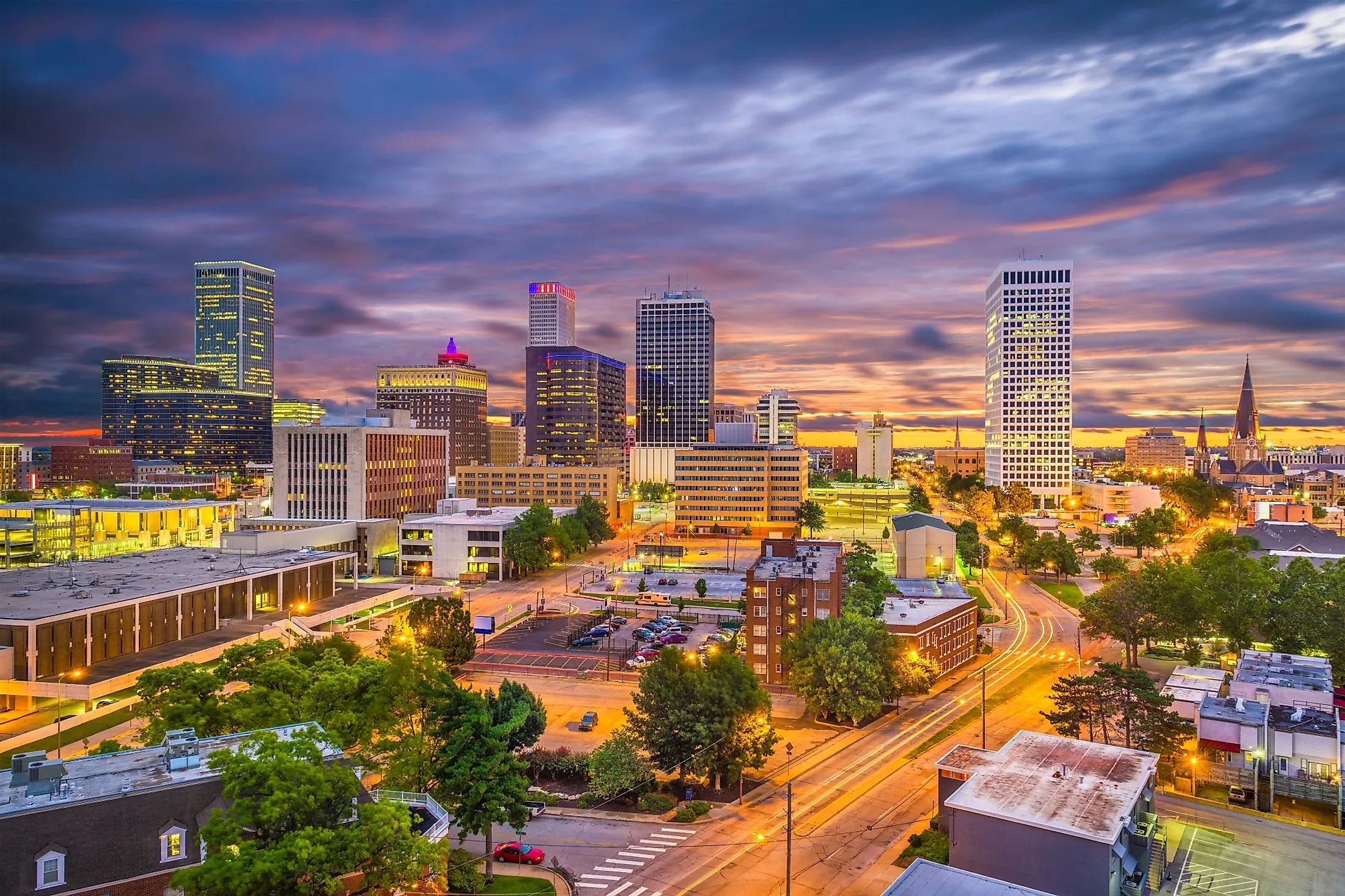
When planning a journey to the heart of the American Midwest, understanding the scale of your destination is essential for curating the perfect itinerary. For travelers and potential residents alike, Tulsa, Oklahoma, offers a unique blend of urban sophistication and storied history. As the second-largest city in the state, its population dynamics reflect a vibrant community that continues to grow and evolve. Currently, the city proper boasts a population of approximately 413,000 residents, while the greater metropolitan area encompasses over one million people. This scale provides the ideal balance: a robust, bustling city center paired with the accessibility and welcoming spirit of a smaller community.

Understanding the Urban Landscape and Growth
The demographic narrative of this city is one of resilience and transformation. Unlike the rapid, chaotic expansion seen in some coastal hubs, this city has experienced steady, intentional growth. This stability creates an environment where infrastructure, public services, and tourist attractions develop in harmony with the local lifestyle.
A City Built on Economic Diversity
The population is deeply influenced by the city’s diverse economic sectors. Historically defined by its role in the oil and gas industry, the local economy has successfully diversified into aerospace, healthcare, telecommunications, and finance. This professional variety attracts a talented, transient, and permanent workforce, contributing to a demographic that values both tradition and innovation. For the visitor, this translates into a city that feels alive with purpose. Whether you are walking through the Tulsa Arts District or exploring the modern corridors of local industry, you are witnessing a population that is proud of its heritage and forward-thinking in its pursuits.
Suburban Expansion and Quality of Life
The metropolitan region extends well beyond the city limits into thriving suburbs like Broken Arrow, Jenks, and Bixby. These surrounding communities play a significant role in the overall “Greater Tulsa” population count. For those looking to explore the region, this connectivity means that rural-style charm, suburban comfort, and urban energy are all within a short driving distance. The density is spread comfortably, allowing for expansive green spaces like the world-class Gathering Place, which remains a focal point for social gatherings and community interaction.
The Impact of Population on Local Culture
The size of a city’s population dictates the rhythm of its daily life. In this city, the current number of inhabitants supports a thriving cultural scene without the overwhelming congestion found in major national megacities. You can enjoy a sophisticated night out without the logistical nightmares often associated with high-density urban zones.
A Hub for Artistic Expression
The artistic soul of the city is proportional to its resident base. With a population that prioritizes creativity, the city supports an impressive density of galleries, murals, and performing arts venues. The Philbrook Museum of Art serves as a testament to this, offering an expansive cultural space that feels both personal and grand. Residents and visitors alike benefit from this, as the population density is just right to sustain high-quality cultural programming, concerts, and festivals throughout the year.
Culinary Evolution and Social Spaces
As a city grows, so does its palate. The culinary landscape has shifted dramatically, reflecting a population that is increasingly international and culinary-focused. From high-end dining experiences in Downtown Tulsa to the authentic, casual spots tucked away in neighborhoods like Cherry Street, the local food scene is a direct result of a population that supports local entrepreneurs. It is this balance of numbers—enough people to sustain variety, but not so many that the city loses its local charm—that makes dining here a delightful experience.
Navigating the City: Why Scale Matters for Visitors
For the traveler, the population size of a destination is a practical consideration. It determines how you navigate the city, the availability of accommodations, and the ease of accessing key landmarks.
Infrastructure and Accessibility
The city is designed to accommodate its population effectively. The highway systems and public transit initiatives ensure that traversing from the Gilcrease Museum on the north side to the vibrant southern districts is efficient. Because the population is large enough to warrant significant investment but small enough to avoid gridlock, visitors can spend more time experiencing the city rather than navigating it. This accessibility is a primary reason why tourism has seen such a positive trend in recent years.
The Hospitality Factor
With a steady population base, the hospitality industry has matured significantly. There is a healthy competition among service providers, which keeps quality high. Whether you are staying in a historic boutique property or a modern hotel near the BOK Center, you will find that the human element of service remains a priority. The population’s friendliness—often cited as “Midwestern hospitality”—is palpable. It is not just about the number of people who call this place home; it is about the community spirit that is cultivated when a city of this size works together.
Seasonal Dynamics and Events
It is worth noting that while the static population is around 413,000, the “effective population” of the city often swells during major events. Festivals, concerts, and major sporting events bring thousands of visitors into the city, momentarily expanding the landscape. Even during these peak times, the city’s capacity to handle surges is impressive. This capability highlights a community that is well-prepared and hospitable, capable of maintaining its identity even as it welcomes an influx of temporary residents.

Future Outlook: Planning Your Visit
Looking ahead, the population of this region is projected to continue its gradual, upward trajectory. This suggests a future where the city continues to improve its amenities and public spaces. For those planning a trip, this means you can expect a destination that is constantly updating itself while maintaining the historical integrity that makes it a fascinating place to explore.
Whether your interest lies in the Art Deco architecture that defines the skyline, the rich musical history of Route 66, or the modern recreational facilities that dot the landscape, the size of the city acts as an enabler. It provides the necessary demand to keep the city vibrant and the supply to ensure your visit is comfortable.
In summary, when asking about the population of this United States gem, the answer is more than just a digit. It is a story of a thriving community that has found its niche. With a population that fosters a unique culture, supports an diverse economy, and welcomes visitors with open arms, it remains a premier destination for those looking to experience the authentic heart of the plains. As you map out your travel plans, keep in mind that the numbers serve as the foundation, but the true measure of the city is found in the experiences, the connections made with locals, and the lasting memories created in its various neighborhoods. The city is ready to welcome you, offering a scale of life that feels just right.
LifeOutOfTheBox is a participant in the Amazon Services LLC Associates Program, an affiliate advertising program designed to provide a means for sites to earn advertising fees by advertising and linking to Amazon.com. Amazon, the Amazon logo, AmazonSupply, and the AmazonSupply logo are trademarks of Amazon.com, Inc. or its affiliates. As an Amazon Associate we earn affiliate commissions from qualifying purchases.