
When exploring the rugged, diverse landscapes of Nevada, travelers often find themselves captivated by the stark beauty of the Great Basin and the towering peaks of the Sierra Nevada. Beyond the neon lights of Las Vegas and the historic charm of Virginia City, the state holds a deep connection to its wild inhabitants. Among the various symbols that define the Silver State, the Desert Bighorn Sheep stands out as the official state animal, representing the resilience and spirit of the American West.
The Majesty of the Desert Bighorn Sheep
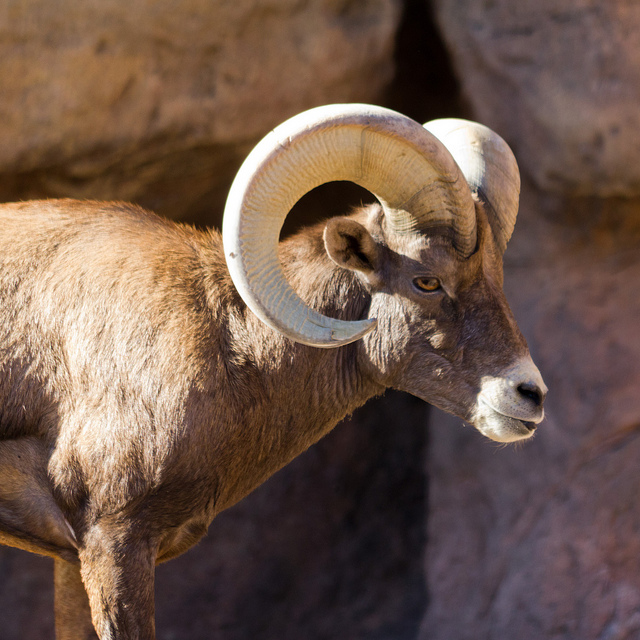
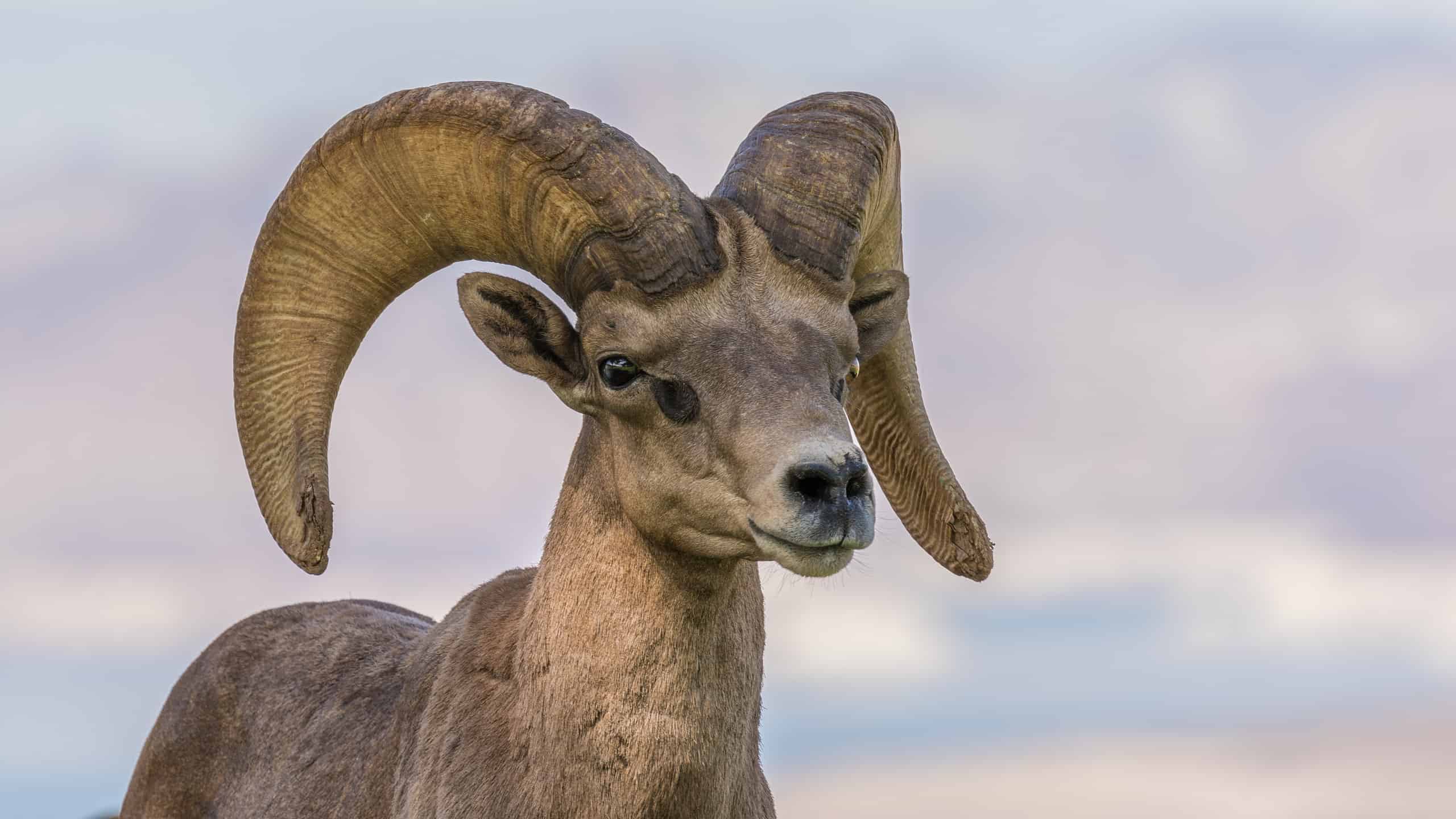
The Desert Bighorn Sheep is a subspecies of the bighorn sheep that has adapted specifically to the arid, high-temperature environment of the Mojave Desert and surrounding regions. Recognized by their thick, curled horns and incredible agility on steep, rocky terrain, these animals are masters of survival.

Evolutionary Adaptations
These creatures possess remarkable physiological traits that allow them to thrive in regions where water is scarce and summer temperatures can be lethal. They can go for long periods without drinking, extracting most of their hydration from the desert vegetation they consume. Their specialized hooves act like natural climbing shoes, featuring a hard, sharp outer rim and a soft, spongy inner pad that provides superior grip on the sheer cliffs of the Red Rock Canyon National Conservation Area.
Physical Characteristics
Adult rams are famous for their massive, spiraling horns, which can grow to impressive lengths and weights. These horns are not just for display; they are used in dramatic head-butting contests during the rutting season, a spectacle that draws nature photographers and wildlife enthusiasts to protected areas like the Valley of Fire State Park. Ewes, while smaller, are equally adept at navigating the vertical landscapes, providing a glimpse into the tough, uncompromising nature of Nevada wildlife.
Where to Spot the State Animal in the Wild
For those traveling through Nevada, witnessing the desert bighorn sheep in its natural habitat is a highlight of any outdoor excursion. While these animals are shy and prefer the solitude of rugged canyons, there are several key locations where they can be observed with patience and a respectful distance.
The River Mountains
Situated near Henderson and not far from the famous Hoover Dam, the River Mountains are perhaps the most reliable location for sightings. A dedicated population of bighorn sheep calls this range home. Hikers frequently encounter them near the Alan Bible Visitor Center or along the rocky slopes overlooking the Colorado River. The proximity of this habitat to urban centers makes it a unique example of how wildlife persists even in the shadow of major human infrastructure.
The Great Basin National Park
Further north, the high-altitude environments of Great Basin National Park offer a different setting for wildlife enthusiasts. While the desert bighorn is more common in the southern part of the state, the high mountain passes provide a stunning backdrop for nature photography. The air is thinner, the landscape is dramatic, and the sheer verticality of the peaks mimics the preferred environment of these sure-footed mammals.
Conservation and the Legacy of the Silver State
The designation of the Desert Bighorn Sheep as the official state animal of Nevada was not merely a ceremonial gesture. It serves as a reminder of the fragility of desert ecosystems and the ongoing need for conservation efforts.
Challenges to the Population
Historically, the desert bighorn sheep faced significant threats from habitat loss, competition with domestic livestock, and the spread of respiratory diseases. In the early 20th century, their numbers plummeted across the American Southwest. Through rigorous wildlife management programs and the establishment of protected land corridors, Nevada successfully brought the species back from the brink of localized extinction.
Why the Bighorn Matters
The Desert Bighorn Sheep symbolizes the indomitable character of the people who settled in this region. It represents the ability to endure, to adapt, and to find beauty in the most challenging of circumstances. By preserving their habitat, Nevada ensures that future generations can witness these incredible animals in their natural element.
When visiting the state, whether you are exploring the trails of Mount Charleston or driving the scenic loops near the Lake Mead National Recreation Area, keep your eyes scanning the horizon and the cliff faces. The bighorn sheep is a ghost of the mountains, often seen as a dark silhouette against the setting sun, moving with a grace that defies the harshness of the desert environment.
Best Practices for Wildlife Observation
As you travel through the wilder parts of Nevada, responsible tourism is essential to protect the Desert Bighorn Sheep and other native species.
Keep a Respectful Distance
Always utilize binoculars or a telephoto lens to view the animals. Attempting to get closer for a “better photo” causes significant stress to the animals, potentially forcing them to flee into dangerous territory or expend energy they need for survival in the heat.
Respect Habitat Integrity
Stick to established trails, especially in sensitive areas like the Spring Mountains. Foot traffic off-trail can disturb delicate vegetation that the bighorn sheep rely on for food and shade.
Support Local Conservation
Many of the parks where these animals live are funded through entrance fees and visitor donations. By visiting state and national parks throughout Nevada, travelers contribute directly to the maintenance of these habitats. Supporting organizations that focus on wildlife corridors ensures that these animals can travel freely between mountain ranges, maintaining genetic diversity and long-term population health.
The story of the Desert Bighorn Sheep is the story of Nevada itself—a place of hidden wonders, resilience, and a deep, enduring connection to the natural world. Whether you are a casual hiker or a dedicated wildlife researcher, encountering these magnificent animals in the wild is a profound experience that underscores the importance of our stewardship of the land. As you venture through the Silver State, remember that you are a guest in the home of one of the most remarkable creatures to inhabit the North American landscape. Keep the trails clean, the noise levels low, and the binoculars ready, and you might just earn a sighting of the true icon of the American West.
LifeOutOfTheBox is a participant in the Amazon Services LLC Associates Program, an affiliate advertising program designed to provide a means for sites to earn advertising fees by advertising and linking to Amazon.com. Amazon, the Amazon logo, AmazonSupply, and the AmazonSupply logo are trademarks of Amazon.com, Inc. or its affiliates. As an Amazon Associate we earn affiliate commissions from qualifying purchases.