
Navigating the intricacies of insurance, particularly when it comes to motor vehicles, can often feel like deciphering a foreign language. In Florida, a state renowned for its sun-drenched beaches and vibrant tourism, understanding the nuances of its auto insurance system is crucial for residents and visitors alike. At the heart of this system lies the concept of “no-fault” insurance, a policy that significantly impacts how accident claims are handled. This article aims to demystify what no-fault means in the context of Florida’s auto insurance landscape, shedding light on its implications for drivers, passengers, and the overall claims process.
Understanding Florida’s No-Fault Insurance System
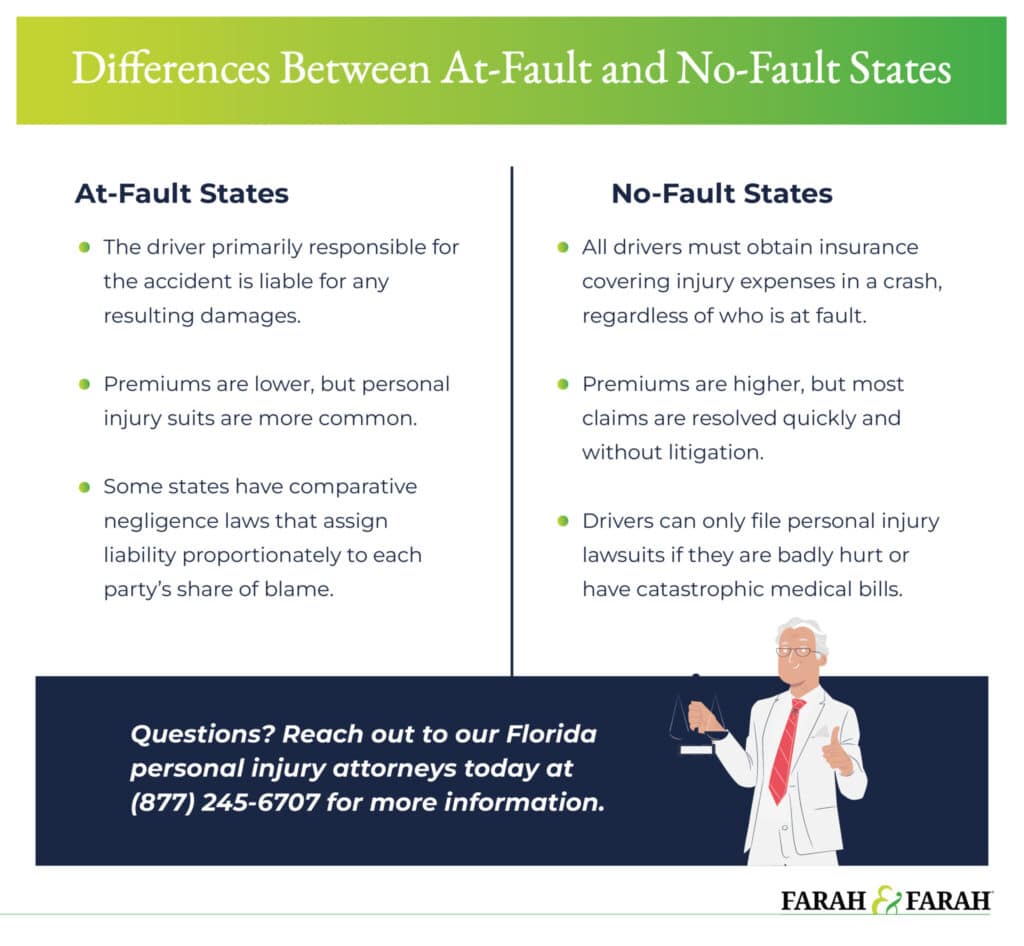
Florida operates under a unique no-fault insurance law, officially known as the Personal Injury Protection (PIP) system. Enacted in 1971, the primary objective of this system is to expedite the payment of medical expenses and lost wages for individuals injured in car accidents, regardless of who was at fault. This means that after an accident, each driver’s own insurance company is responsible for covering their respective damages, up to a certain limit, rather than waiting for a determination of fault.
The Pillars of Personal Injury Protection (PIP)
At its core, Florida’s PIP coverage is designed to provide immediate financial relief to those injured in an automobile accident. Here are the key components:
- Medical Expense Coverage: PIP covers a significant portion of medical bills incurred as a result of a car accident. This can include costs for hospital stays, doctor visits, surgical procedures, diagnostic tests, X-rays, and rehabilitation services. The percentage of coverage can vary based on the policy and whether the medical treatment is deemed “medically necessary.”
- Lost Wage Compensation: If an accident renders you unable to work, PIP can compensate you for a portion of your lost income. This coverage is typically capped at a certain percentage of your pre-accident wages and may be subject to weekly limits. The rationale behind this provision is to provide a financial safety net, allowing individuals to manage their expenses while they recover.
- Death Benefits: In the tragic event of a fatality resulting from a car accident, PIP can provide a death benefit to the deceased’s beneficiaries. This benefit is intended to help cover funeral expenses and provide some financial support to the surviving family members.
- Replacement Services: This less commonly discussed but important aspect of PIP coverage can pay for essential services that an injured person can no longer perform due to their injuries. This might include household chores, childcare, or yard maintenance.
Minimum Coverage Requirements
Florida law mandates that all vehicle owners carry a minimum amount of PIP coverage. Currently, this minimum is $10,000 in PIP coverage. This coverage is intended to be a baseline, and many drivers opt for higher coverage limits to ensure more comprehensive protection. It’s also important to note that this minimum applies to all registered vehicles, including motorcycles, with some exceptions for certain commercial vehicles. Additionally, drivers must maintain at least $10,000 in Bodily Injury Liability (BIL) coverage, although this is separate from the no-fault aspect and comes into play when liability is established.
How No-Fault Impacts Accident Claims
The no-fault system fundamentally alters the claims process following a car accident in Florida. Instead of immediately pointing fingers and waiting for an investigation to determine fault, your own insurance company steps in to cover your initial medical expenses and lost wages.
The Initial Claims Process
When an accident occurs, the first step is to report the incident to your insurance provider. Under the no-fault system, your insurer will process your claim for PIP benefits regardless of whether you were at fault for the accident. This streamlined process aims to get you the necessary medical care and financial assistance more quickly, preventing delays that can hinder recovery.
When Does Fault Become Relevant?
While the no-fault system is designed to circumvent fault for initial damage claims, it is not an absolute shield against liability. Fault still plays a critical role in several scenarios:
- Exceeding PIP Thresholds: If your medical expenses and lost wages exceed the limits of your PIP coverage ($10,000 in the minimum scenario), you will need to pursue a claim against the at-fault driver’s Bodily Injury Liability (BIL) insurance. This is where the determination of fault becomes paramount.
- Serious Injuries: Florida law has a “serious injury” threshold that must be met before you can sue the at-fault driver for pain and suffering or other non-economic damages. This threshold is typically defined as a significant and permanent injury, such as fractures, permanent disfigurement, or loss of a bodily function. If your injuries do not meet this threshold, your ability to recover damages beyond what PIP covers may be limited.
- Property Damage: The no-fault system primarily applies to personal injuries. Claims for vehicle damage and other property losses are typically handled under the at-fault driver’s property damage liability coverage, or your own collision coverage.
- Drunk Driving and Intentional Acts: If an accident is caused by a driver under the influence of alcohol or drugs, or by an intentional act, the no-fault provisions may not apply, and the at-fault party can be held liable for all damages.
The Role of Bodily Injury Liability (BIL)
As mentioned, Florida law requires a minimum of $10,000 in Bodily Injury Liability (BIL) coverage. While PIP covers your own initial injuries, BIL coverage is designed to protect you financially if you cause an accident and injure another person. This means if you are found to be at fault for an accident that injures someone else, your BIL insurance will pay for their medical expenses, lost wages, and potentially pain and suffering damages, up to your policy limits. It’s crucial to understand that your PIP coverage is separate from your BIL coverage, and each serves a distinct purpose.
Benefits and Criticisms of Florida’s No-Fault System
Like any insurance system, Florida’s no-fault approach has its proponents and detractors. Understanding these perspectives can provide a more complete picture of its impact.
Advantages of the No-Fault System
- Faster Access to Medical Care: One of the most significant benefits is the speed at which injured individuals can receive necessary medical treatment. By eliminating the need to prove fault upfront, individuals can begin their recovery process without financial delays.
- Reduced Litigation: In theory, the no-fault system is intended to reduce the number of lawsuits filed for minor accidents. By having each party’s own insurance handle initial claims, the system aims to streamline the resolution process and avoid lengthy court battles.
- Guaranteed Coverage for Injuries: Regardless of fault, individuals are guaranteed a certain level of coverage for their medical expenses and lost wages, providing a basic safety net for accident victims.
- Protection for At-Fault Drivers: For drivers who may have caused an accident, the no-fault system can prevent immediate financial ruin by covering a portion of the injured party’s immediate expenses through their own PIP coverage.
Criticisms and Drawbacks
- Limited Compensation for Serious Injuries: A common criticism is that the $10,000 PIP limit may not be sufficient to cover the full extent of medical expenses and lost wages for individuals who sustain serious injuries. This often leaves accident victims having to pursue claims against the at-fault driver, which can be a lengthy and complex process.
- Potential for Unfairness: Critics argue that the no-fault system can be unfair to individuals who are not at fault for an accident, as they may not be able to recover damages for pain and suffering if their injuries do not meet the “serious injury” threshold.
- Fraud and Abuse: Like any insurance system, no-fault insurance can be susceptible to fraud and abuse, which can drive up insurance premiums for all policyholders.
- Complexity of Thresholds: Understanding the “serious injury” threshold and when to pursue a liability claim can be confusing for many individuals, leading to potential misunderstandings and missed opportunities for compensation.
Navigating Your Insurance Needs in Florida
Understanding Florida’s no-fault insurance system is essential for responsible vehicle ownership and for ensuring adequate protection in the event of an accident. While the system offers benefits like faster access to care, it’s crucial to be aware of its limitations.
Choosing the Right Coverage
Given the potential limitations of the minimum PIP coverage, many Floridians opt for higher coverage limits. This proactive approach can provide greater peace of mind and ensure that you are adequately protected, especially if you are involved in an accident with severe injuries. Consider the following when evaluating your insurance needs:
- Your Financial Situation: Assess your ability to cover medical expenses and lost wages out-of-pocket if your PIP coverage is exhausted.
- Your Driving Habits and Risk Factors: If you frequently drive in congested areas or have a history of accidents, higher coverage limits might be advisable.
- Your Assets: Consider the value of your assets and whether your current liability coverage would be sufficient to protect them in the event of a lawsuit.

Seeking Professional Guidance
The insurance landscape can be complex, and understanding the specifics of your policy is vital. If you have questions about Florida’s no-fault insurance, the implications of your coverage, or need assistance with a claim, consulting with a qualified insurance agent or an attorney specializing in personal injury law is highly recommended. They can provide personalized advice and ensure you are making informed decisions about your protection.
In conclusion, Florida’s no-fault insurance system, centered around Personal Injury Protection (PIP), is designed to offer prompt financial relief for accident-related injuries. While it simplifies initial claims, understanding its thresholds and when fault becomes a determining factor is crucial for navigating the complexities of auto insurance in the Sunshine State. By making informed choices about your coverage and seeking expert advice when needed, you can ensure you are well-prepared for whatever the road ahead may bring.
LifeOutOfTheBox is a participant in the Amazon Services LLC Associates Program, an affiliate advertising program designed to provide a means for sites to earn advertising fees by advertising and linking to Amazon.com. Amazon, the Amazon logo, AmazonSupply, and the AmazonSupply logo are trademarks of Amazon.com, Inc. or its affiliates. As an Amazon Associate we earn affiliate commissions from qualifying purchases.