
As a premier destination for global travelers, understanding the prevailing weather conditions in Chicago, Illinois is paramount to crafting an enriching and comfortable experience. From the brisk winds that lend the city its famous moniker to the balmy summer evenings perfect for a stroll along Lake Michigan, the weather plays a pivotal role in shaping your visit. This guide delves into the nuances of Chicago’s climate, offering insights to help you pack appropriately and plan your itinerary, ensuring you make the most of every moment in this vibrant metropolis.
Navigating Chicago’s Diverse Climate
Chicago‘s climate is characterized by distinct seasons, each offering a unique ambiance and a spectrum of potential weather events. While no two days are ever truly alike, understanding the general patterns will significantly enhance your travel planning. This section provides an overview of what to expect throughout the year, with a focus on how current conditions might influence your activities.

Spring: A Season of Renewal and Fluctuating Forecasts
Spring in Chicago (March, April, May) is a time of transition. After a long, cold winter, the city begins to shed its frosty layers, with temperatures gradually warming. However, this season is notorious for its unpredictability. You might experience mild, sunny days perfect for exploring the Magnificent Mile one moment, only to be met with chilly winds, rain, or even lingering snow showers the next.
- March: Often feels like an extension of winter, with average temperatures hovering around the freezing point. Snowfall is still common, and cold winds from Lake Michigan can make it feel much colder.
- April: Marks a noticeable shift. While frost is still possible, temperatures begin to climb into the 50s and 60s Fahrenheit. Rain becomes more frequent, and thunderstorms can occur. This is a good time to pack layers.
- May: Typically brings the most pleasant spring weather, with average highs in the 70s Fahrenheit. Flowers are in bloom in parks like Lincoln Park, and outdoor cafes begin to buzz with activity. However, occasional cool fronts can still bring cooler temperatures and rain.
When planning for spring in Chicago, it’s wise to prepare for a wide range of conditions. Layers are key: think t-shirts, sweaters, a waterproof jacket, and comfortable walking shoes. Don’t forget an umbrella, as April showers are a common sight.
Summer: Warmth, Sunshine, and Occasional Heatwaves
Summer in Chicago (June, July, August) is generally warm and inviting, offering ample opportunities for outdoor exploration and activities. The city comes alive with festivals, concerts, and vibrant street life. However, it’s also the season for potential heatwaves and humidity.
- June: Offers a delightful start to summer, with average temperatures in the comfortable 70s and 80s Fahrenheit. Days are long, making it ideal for exploring attractions like the Art Institute of Chicago or enjoying a boat tour on the Chicago River.
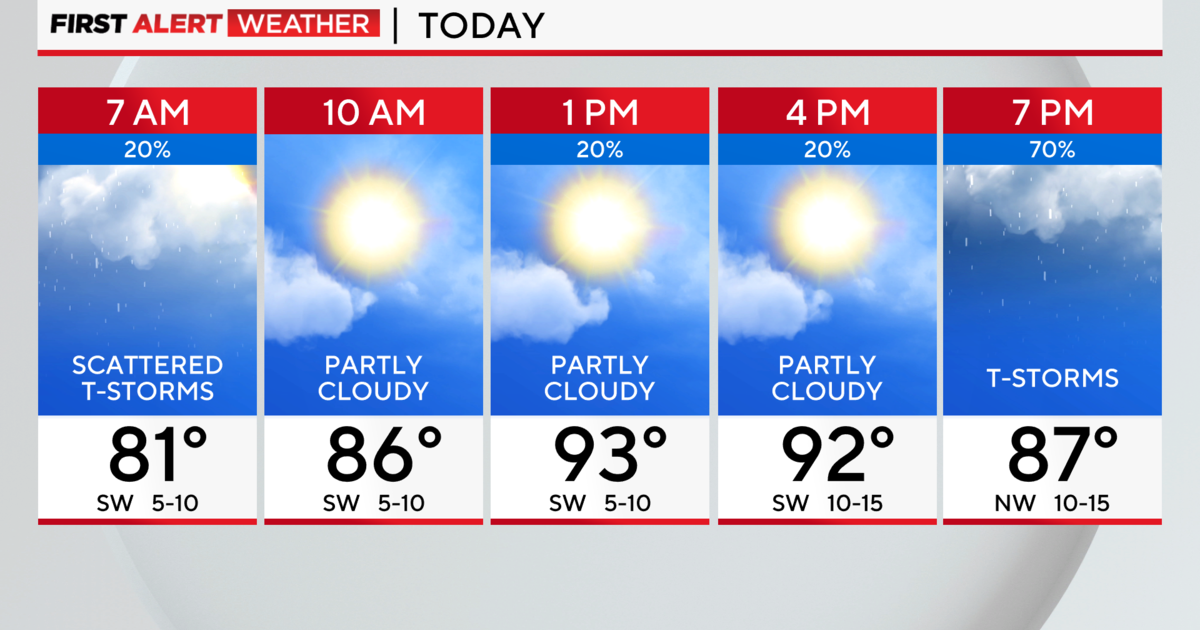
- July & August: These are typically the warmest months. Daytime highs frequently reach the 80s and can occasionally climb into the 90s, often accompanied by high humidity. Thunderstorms are common during these months, sometimes severe, so staying informed about weather alerts is crucial. The lakefront provides a welcome breeze, but inland areas can feel quite warm.
For summer travel to Chicago, light, breathable clothing is recommended. Pack shorts, t-shirts, sundresses, and a light jacket or sweater for cooler evenings, especially near the lake. Sunscreen, a hat, and sunglasses are essential for protecting yourself from the sun. Staying hydrated is also key during warm summer days.
Autumn: Crisp Air and Stunning Fall Foliage
Autumn in Chicago (September, October, November) is often considered one of the most beautiful times to visit. The air turns crisp, the humidity drops, and the city’s parks display breathtaking fall colors. However, the transition from summer to winter means temperatures will steadily decline.
- September: Remains quite pleasant, with average temperatures in the 60s and 70s Fahrenheit. The fall foliage begins to emerge, creating a picturesque backdrop for exploring neighborhoods like Wicker Park or enjoying a walk through Millennium Park.
- October: Brings cooler temperatures, with average highs in the 50s Fahrenheit. Fall colors are typically at their peak, offering stunning visual displays. Rain is common, and the first frosts of the season are possible.
- November: Signals a clear shift towards winter. Temperatures drop significantly, often into the 30s and 40s Fahrenheit. Cold winds become more prevalent, and the first snowflakes of the season are a distinct possibility towards the end of the month.
Packing for an autumn visit to Chicago requires a focus on layering. Long-sleeved shirts, sweaters, a medium-weight jacket (preferably water-resistant), and comfortable pants are advisable. A scarf and gloves might be necessary, especially in late October and November.
Winter: Cold, Snow, and a Cozy Urban Atmosphere
Winter in Chicago (December, January, February) is undeniably cold, with temperatures frequently dropping below freezing. Snowfall is common, and the city can be blanketed in white, creating a festive and picturesque atmosphere, especially around the holidays.
- December: Marks the beginning of winter, with average temperatures in the 30s and 20s Fahrenheit. Snowfall becomes more frequent, and holiday decorations adorn the city, creating a magical ambiance. The city’s museums and indoor attractions offer warm respite.
- January & February: These are typically the coldest months. Temperatures can plummet into the teens and even single digits Fahrenheit, with wind chills making it feel significantly colder. Snowfall can be substantial, and lake-effect snow is possible. While outdoor activities might be limited, the city’s vibrant indoor cultural scene, from world-class museums to renowned theaters, provides plenty to explore.
For winter travel to Chicago, warm, insulated clothing is essential. This includes a heavy winter coat, thermal layers, warm sweaters, waterproof pants, a hat, gloves, and a scarf. Insulated, waterproof boots are also a must for navigating snowy streets.
Understanding Chicago’s Microclimates and Influences
While general seasonal patterns provide a useful framework, Chicago’s weather is also influenced by its unique geographical position and urban environment, creating microclimates that can affect your experience.
The Lake Effect: A Blessing and a Breeze
The proximity of Chicago to Lake Michigan is perhaps its most significant meteorological influence. The lake can moderate temperatures, making summers slightly cooler and winters slightly less severe right along the shoreline compared to inland areas.
- Summer Breezes: On hot summer days, a refreshing breeze often sweeps in from the lake, providing welcome relief and making the lakefront trail and beaches particularly pleasant.
- Winter Cold: Conversely, in winter, cold air passing over the warmer waters of the lake can lead to increased snowfall along the shoreline, a phenomenon known as lake-effect snow. The winds off the lake in winter can also be brutally cold, earning Chicago its “Windy City” nickname.
Urban Heat Island Effect
Like many large cities, Chicago experiences an urban heat island effect. This means that the dense concentration of buildings, roads, and other man-made surfaces absorbs and retains more heat than surrounding rural areas. This can lead to slightly warmer temperatures within the city center, especially during the summer months, and a reduction in frost and snow cover in some urban pockets.
Practical Tips for Weather-Ready Travel
Being prepared for Chicago’s diverse weather will undoubtedly enhance your visit. Here are some practical tips to ensure you’re ready for whatever the skies may bring.
Checking the Forecast
The most crucial step for any traveler is to check the local Chicago weather forecast regularly before and during your trip. Reputable weather apps and websites provide detailed hourly and daily predictions, including temperature, precipitation chances, wind speed, and humidity. This information is invaluable for daily planning, whether you’re deciding on an indoor museum visit or an outdoor architectural boat tour.
Packing Smart: The Art of Layering
As emphasized throughout this guide, layering is the key to comfortable exploration in Chicago regardless of the season.
- Base Layers: Start with comfortable, moisture-wicking materials like cotton or merino wool.
- Mid Layers: Add insulating layers such as fleece jackets, sweaters, or light down vests to trap warmth.
- Outer Layers: A waterproof and windproof jacket or coat is essential for protection against rain, snow, and the notorious Chicago winds.
- Accessories: Don’t forget a hat, gloves, and a scarf, especially for visits during the cooler months. Comfortable, closed-toe shoes are a must for navigating the city’s streets.

Embracing the Elements: Activities for Every Weather
Don’t let the weather deter you from experiencing the best of Chicago. The city offers a wealth of activities to suit every climate.
- Sunny Days: Explore the Magnificent Mile for shopping, visit Millennium Park to see the Cloud Gate sculpture, or enjoy a stroll along the Lakefront Trail.
- Rainy Days: Immerse yourself in culture at the Art Institute of Chicago, the Field Museum, or the Shedd Aquarium. Enjoy a performance at the Chicago Theatre or take a thrilling architectural boat tour on the Chicago River – many of which are covered.
- Cold Days: Warm up with a deep-dish pizza at a local eatery, explore the vibrant culinary scene, or enjoy the cozy ambiance of a jazz club. The Lincoln Park Zoo is also open year-round, offering a chance to see animals in their winter habitats.
By understanding and respecting Chicago’s dynamic climate, you can better prepare for your journey, ensuring a seamless and memorable travel experience in this magnificent city.
LifeOutOfTheBox is a participant in the Amazon Services LLC Associates Program, an affiliate advertising program designed to provide a means for sites to earn advertising fees by advertising and linking to Amazon.com. Amazon, the Amazon logo, AmazonSupply, and the AmazonSupply logo are trademarks of Amazon.com, Inc. or its affiliates. As an Amazon Associate we earn affiliate commissions from qualifying purchases.