
The disposition of unclaimed remains is a sensitive and often overlooked aspect of public service, particularly in a state as vast and populous as California. While much attention is rightly given to the vibrant tourism, innovative businesses, and diverse cultural tapestry of the Golden State, understanding how it handles the final needs of its deceased residents who have no one to claim them reveals a commitment to dignity and responsible stewardship. This process, governed by state laws and executed through various county and state agencies, ensures that every individual, regardless of their personal connections at the time of death, is treated with respect.

The Legal Framework for Unclaimed Remains
In California, the handling of unclaimed deceased individuals is primarily dictated by the Health and Safety Code. This legislation outlines the responsibilities of various entities, including coroners, public administrators, and crematories, in managing these cases. The core principle is to provide a dignified final disposition when no next of kin or authorized person can be identified or is willing to assume responsibility.
Defining “Unclaimed”
An individual is typically considered “unclaimed” if, after diligent efforts by authorities, no family member, friend, or designated representative comes forward to make arrangements for their remains. This often occurs when a deceased person has no known living relatives, has been estranged from their family, or their estate lacks the financial resources to cover funeral or cremation expenses. The definition also extends to individuals who die in public places without identification or whose next of kin cannot be located within a legally stipulated timeframe.
Roles of Public Administrators and Coroners
County Public Administrators play a crucial role in managing the estates of decedents who pass away without any known heirs or an executor. This includes overseeing the disposition of their remains. Similarly, county Coroners are responsible for investigating deaths, and if a deceased person is unclaimed, they often initiate the process for their final disposition. These officials work in conjunction with contracted funeral homes or crematories to ensure that legal requirements are met and that the deceased is treated with respect.
The Process of Final Disposition
When a body is unclaimed, a specific protocol is followed to ensure proper and respectful handling. The objective is not simply disposal, but a dignified conclusion to a life, recognizing the inherent worth of every individual.
Identification and Notification Efforts
The initial stages involve thorough attempts to identify the deceased and locate any potential next of kin. This can include reviewing personal effects, checking identification documents, cross-referencing databases, and sometimes, public notices. Coroners’ offices often have protocols for widespread notification, reaching out to known associates or institutions the deceased may have been connected with, such as hospitals or care facilities. These efforts are often extensive, reflecting a commitment to finding someone who can provide closure or make personal arrangements.
Cremation as the Standard
In California, cremation is the most common method for the final disposition of unclaimed remains. This choice is often made due to cost-effectiveness and practicality, allowing for a dignified and permanent resting place for the ashes. State law generally permits cremation after a statutory waiting period, during which efforts to locate next of kin are ongoing.
Scattering of Ashes
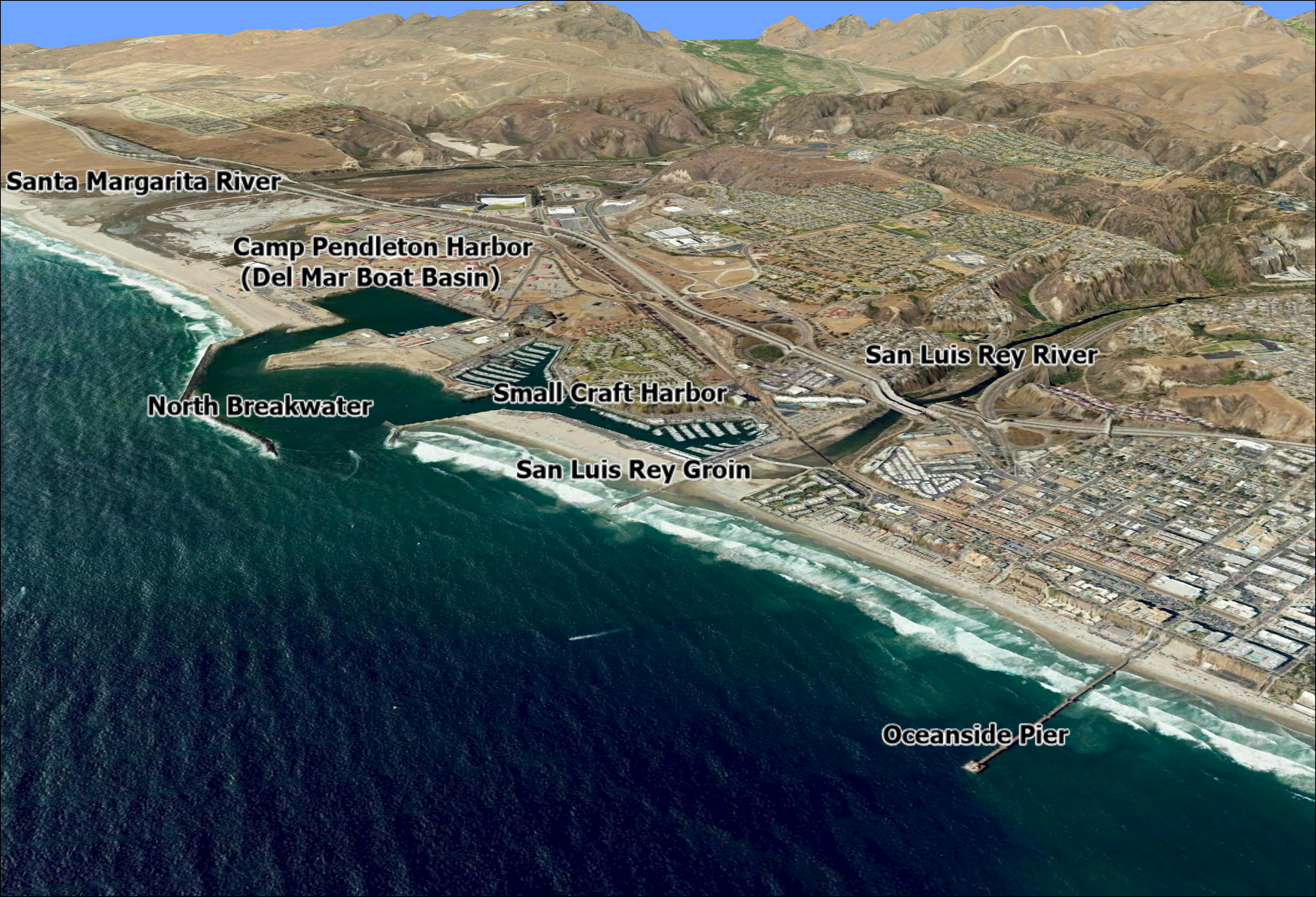
Following cremation, the ashes are typically handled in accordance with state regulations and public policy. In many California counties, unclaimed ashes may be scattered in designated areas. These can include memorial gardens, dedicated ossuaries, or sometimes, at sea, provided all legal and environmental requirements are met. Some counties may maintain a registry of unclaimed ashes, allowing for potential future claims by identified relatives.
Memorialization and Record Keeping

Even for those without immediate connections, the state endeavors to provide a form of memorialization. This can range from communal burial plots for cremated remains to the maintenance of records that acknowledge the individual’s existence and passing. While not a personal monument, these efforts serve as a testament to the state’s commitment to honoring all its residents. Detailed records are kept by the relevant county agencies, often for extended periods, ensuring a historical trace of each individual’s disposition.
Legal and Ethical Considerations
The handling of unclaimed remains involves significant legal and ethical considerations, aiming to balance public responsibility with respect for individual dignity and the wishes of the deceased, where known.
Advance Directives and Pre-Need Arrangements
California law recognizes the importance of advance directives and pre-need funeral arrangements. Individuals can specify their wishes regarding funeral services, cremation, and the disposition of their remains through legal documents. These directives are legally binding and guide the actions of authorities if the individual later becomes an unclaimed decedent. This emphasizes the state’s respect for individual autonomy even after death.
The Role of Public Health and Dignity
The primary ethical imperative is to ensure a dignified disposition for all individuals. This means avoiding any process that could be perceived as disrespectful or neglectful. The state acts as a guardian of last resort, stepping in to ensure that every person receives a final resting place that honors their humanity. This commitment extends to preventing the improper storage or handling of remains, which can have public health implications.
Financial Responsibility and Indigency
Often, unclaimed decedents are indigent, meaning their estates lack the financial resources to cover funeral expenses. California law and county policies often make provisions for such cases, with county funds or public programs potentially subsidizing the costs of cremation and disposition. This ensures that financial hardship does not preclude a dignified final act.
Resources and Avenues for Claiming Remains
While the process is designed for unclaimed individuals, there are avenues for those who may discover a deceased relative is in this category.
Contacting County Public Administrators and Coroners
If an individual believes a deceased person might be unclaimed in California, the first point of contact would be the Public Administrator or Coroner’s office of the county where the death occurred. These offices can provide information on their procedures, search for records, and guide potential claimants through the process of identifying and claiming the remains.
Legal Procedures for Claimants
Individuals who establish themselves as the legal next of kin or authorized representative typically need to provide documentation to prove their relationship and their right to claim the remains. This might include death certificates, birth certificates, marriage licenses, or court orders, depending on the circumstances. Once verified, they can then make arrangements for a personal disposition, which may involve private funeral services or the retrieval of ashes.
The Importance of Planning
This process underscores the importance of personal financial and funeral planning. Encouraging individuals to discuss their wishes with loved ones and to make pre-need arrangements can alleviate the burden on public services and ensure that personal desires are honored. Services like the California Funeral Directors Association often provide resources and guidance on pre-planning.
In conclusion, California approaches the sensitive issue of unclaimed corpses with a structured, legally sound, and ethically grounded system. Through the diligent work of its county officials and the adherence to state statutes, the state ensures that all its residents, regardless of their circumstances at the time of death, are treated with dignity and provided a respectful final disposition. This often involves cremation and the scattering of ashes in designated areas, a pragmatic yet respectful solution for individuals who have no one to claim them.
LifeOutOfTheBox is a participant in the Amazon Services LLC Associates Program, an affiliate advertising program designed to provide a means for sites to earn advertising fees by advertising and linking to Amazon.com. Amazon, the Amazon logo, AmazonSupply, and the AmazonSupply logo are trademarks of Amazon.com, Inc. or its affiliates. As an Amazon Associate we earn affiliate commissions from qualifying purchases.