
Navigating the legal landscape of any state can be a complex undertaking, especially when considering substances that have historically been subject to strict regulation. Arizona, like many other U.S. states, has seen shifts in its drug laws, particularly concerning cannabis and certain controlled substances. For travelers and residents alike, understanding these legalities is paramount to ensuring a lawful and enjoyable experience within the Grand Canyon State. This guide aims to clarify the current legal status of various drugs in Arizona, focusing on their implications for tourism and local life.
Cannabis in Arizona: From Prohibition to Legalization
Arizona’s journey with cannabis has been a significant one, marked by evolving public opinion and legislative action. The state has moved from a position of strict prohibition to one of regulated access for both medical and recreational use.

Medical Marijuana in Arizona
Arizona legalized medical marijuana through the Arizona Medical Marijuana Act (AMMA) in 2010. This law allows qualifying patients with specific debilitating medical conditions to obtain and use marijuana.
- Qualifying Conditions: These include conditions such as cancer, glaucoma, HIV/AIDS, chronic pain, and nausea. The list is extensive and regularly reviewed by the Arizona Department of Health Services.
- Patient Registration: Patients must be registered with the state and possess a medical marijuana card to legally purchase and possess cannabis. There are limits on the amount a patient can possess.
- Dispensaries: Licensed medical marijuana dispensaries are the only legal points of sale for registered patients. These dispensaries are found in various cities across the state, including Phoenix and Tucson.
Recreational Marijuana in Arizona
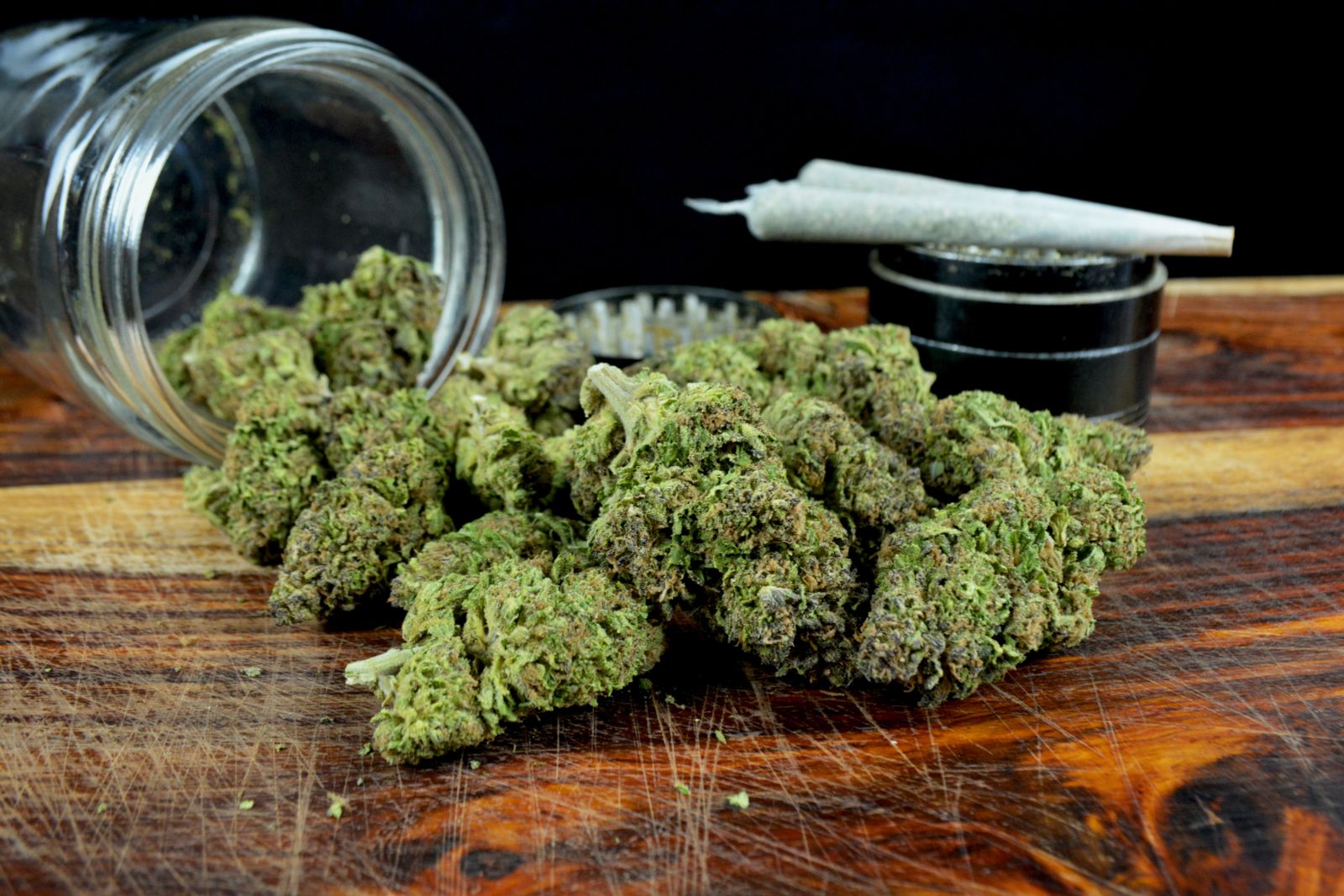
In November 2020, Arizona voters approved Proposition 207, also known as the Arizona Marijuana Legalization Initiative. This measure legalized recreational marijuana use for adults 21 years and older.
- Possession Limits: Adults 21 and over can legally possess up to 2.5 ounces of usable marijuana and up to 12.5 grams of marijuana concentrate.
- Home Cultivation: The law permits individuals to grow up to six marijuana plants at their residence for personal use. The limit increases to 12 plants per household if more than one adult resides there. However, cultivation must be done in a secure, enclosed area that is not visible to the public.
- Retail Sales: Licensed recreational marijuana dispensaries began selling to the public in early 2021. These dispensaries operate under similar regulations to medical dispensaries, with strict age verification and sales limits.
- Consumption Restrictions: It is illegal to consume marijuana in public places, including sidewalks, parks, and indoor public areas. Driving under the influence of marijuana remains illegal, and penalties are severe. This is a crucial point for visitors planning to explore attractions like the Grand Canyon National Park or enjoy activities in Sedona.
Important Considerations for Travelers
For tourists visiting Arizona, it is vital to understand that while marijuana is legal for recreational use by adults 21 and older, it remains illegal under federal law. This has several implications:
- Interstate Travel: Transporting marijuana across state lines is a federal offense, even if traveling between two states where it is legal. This means leaving marijuana purchased in Arizona within the state.
- Federal Property: Marijuana possession and use are prohibited on federal lands, which include national parks like the Grand Canyon and national forests.
- Hotels and Rentals: Many hotels and rental properties in Arizona have strict no-smoking policies, which often include marijuana. Always check the specific policies of your accommodation before indulging. While private consumption is allowed in designated areas or private residences (with owner permission), public spaces are off-limits.
- Age Verification: Similar to alcohol, strict age verification is enforced at all licensed dispensaries.
Prescription and Over-the-Counter Medications
Beyond cannabis, the legality of other drugs in Arizona largely aligns with federal regulations, with a strong emphasis on prescription requirements and responsible use of over-the-counter (OTC) medications.
Prescription Medications
All prescription drugs require a valid prescription from a licensed healthcare professional. Possessing prescription medications without a prescription or in quantities exceeding what is prescribed is illegal and can carry significant penalties.
- Controlled Substances: Medications classified as controlled substances, such as opioids (e.g., Vicodin, OxyContin), stimulants (e.g., Adderall), and benzodiazepines (e.g., Xanax, Valium), are subject to the strictest regulations. These are monitored closely by state and federal agencies to prevent abuse and diversion.
- Traveler’s Medications: Travelers carrying prescription medications should ensure they have the original prescription packaging with their name clearly printed on it. It is also advisable to carry a copy of the prescription or a letter from the prescribing physician, especially for controlled substances. This is particularly important when traveling through Phoenix Sky Harbor International Airport or other major transit points.

Over-the-Counter (OTC) Medications
Most OTC medications, such as pain relievers (e.g., ibuprofen, acetaminophen), allergy medications, and cold remedies, are legal to purchase and possess without a prescription. However, there are some exceptions and regulations:
- Pseudoephedrine: Medications containing pseudoephedrine, a common ingredient in cold and allergy medicines, are regulated due to its use in the illicit production of methamphetamine. Purchasers are typically required to show identification, and there are limits on the amount that can be purchased within a specific timeframe. These products are usually kept behind the pharmacy counter.
- Misuse and Abuse: While OTC medications are generally accessible, their misuse or abuse can still lead to legal consequences.
Other Regulated Substances
Arizona, in line with federal law, prohibits the possession, sale, and manufacture of a wide range of illicit drugs.
Illicit Drugs
This category includes substances such as:
- Heroin
- Cocaine
- Methamphetamine
- MDMA (Ecstasy)
- LSD
- Fentanyl (without a valid prescription)
Possession of any amount of these substances without a legitimate prescription (where applicable) is a criminal offense with severe penalties, including lengthy prison sentences and substantial fines. Law enforcement in Arizona actively pursues cases involving these drugs, impacting cities from Scottsdale to the border regions.
Emerging Substances and Analogs
The legal status of new psychoactive substances (NPS) and designer drugs can be complex. Arizona, like other states, often adopts federal classifications and may have specific statutes addressing analogs of controlled substances. These substances are frequently altered chemical compounds designed to mimic the effects of illegal drugs, often evading immediate legal prohibition. Travelers should exercise extreme caution and avoid any substances not clearly defined as legal or medically prescribed.
Legal Status of Alcohol and Tobacco
While not typically categorized with “drugs” in the same context as illicit substances or prescription medications, alcohol and tobacco are also regulated substances with specific legal frameworks in Arizona.
Alcohol
- Legal Age: The legal drinking age in Arizona is 21 years old.
- Possession and Consumption: It is illegal for individuals under 21 to possess or consume alcohol. Open containers of alcohol are prohibited in vehicles.
- Sales and Licensing: The sale of alcohol is regulated through licensing by the Arizona Department of Liquor Licenses and Control. Businesses like restaurants, bars, and liquor stores must adhere to strict operating hours and regulations.
Tobacco and Nicotine Products
- Legal Age: The legal age to purchase and possess tobacco and nicotine products, including e-cigarettes and vaping products, is 21 years old, aligning with federal law.
- Public Smoking Bans: Arizona has a statewide ban on smoking in most indoor public places, including restaurants, bars, and workplaces. This aims to protect public health from secondhand smoke. Smoking is generally permitted in private residences and designated outdoor areas.
Conclusion for Visitors and Residents
Understanding the legal nuances of drug and substance laws in Arizona is crucial for a safe and lawful visit or residency. While the state has embraced a more liberal approach to cannabis for adults, other controlled substances remain strictly prohibited. Always rely on legitimate prescriptions for medications and be aware of regulations surrounding OTC products. For travelers exploring the diverse attractions and vibrant culture of Arizona, from the natural wonders of the Petrified Forest National Park to the bustling streets of Tempe, adherence to these laws ensures a positive and trouble-free experience. When in doubt, err on the side of caution and consult official state resources for the most current information.
LifeOutOfTheBox is a participant in the Amazon Services LLC Associates Program, an affiliate advertising program designed to provide a means for sites to earn advertising fees by advertising and linking to Amazon.com. Amazon, the Amazon logo, AmazonSupply, and the AmazonSupply logo are trademarks of Amazon.com, Inc. or its affiliates. As an Amazon Associate we earn affiliate commissions from qualifying purchases.