
California has long been at the forefront of progressive legislation, particularly concerning substances that remain contentious in other parts of the world. For travelers planning a visit to the Golden State, understanding the local legal landscape is not just a matter of compliance, but also an essential component of an informed and enriching experience. As of 2024, the state’s approach to certain drugs stands in stark contrast to federal law and the regulations of many other states, offering a unique cultural context for visitors. This guide aims to demystify the legal status of various substances, providing crucial tips for tourists to navigate California’s distinctive environment responsibly and safely.
The dynamic nature of substance laws means that what might be permissible in one jurisdiction could be strictly prohibited in another. For those exploring California‘s vibrant cities, breathtaking national parks, and diverse communities, a clear grasp of these regulations is paramount. This insight ensures that your focus remains on enjoying the myriad attractions and experiences California has to offer, without inadvertently encountering legal complications. From recreational cannabis to prescription medications and even emerging discussions around psychedelic substances, understanding the nuances will empower you to make informed decisions throughout your journey.
Navigating California’s Unique Legal Landscape
California’s legal framework for various substances reflects a blend of progressive public health policies, economic considerations, and evolving societal attitudes. This unique approach sets it apart from many other regions, making it crucial for visitors to familiarize themselves with state-specific regulations. The state’s history, particularly in areas like medical and recreational cannabis, showcases a willingness to challenge conventional norms and implement policies that often become models for other jurisdictions.
A Progressive Stance on Substance Regulation
For decades, California has been a trailblazer in drug policy reform. This journey began with the Compassionate Use Act of 1996, which legalized medical cannabis, paving the way for Proposition 64 in 2016 that fully legalized adult-use recreational cannabis. This progressive stance extends beyond cannabis, influencing discussions around other substances and fostering an environment where harm reduction and regulated access are increasingly prioritized over punitive measures. The state’s forward-thinking approach is not merely about legalization but also about establishing robust regulatory frameworks to ensure public safety, product quality, and responsible consumption. Understanding this foundational philosophy helps tourists appreciate the context behind the laws they encounter, highlighting that “legal” comes with strict parameters designed to integrate these substances safely into the broader societal fabric.
The Importance of Staying Informed as a Visitor
For anyone visiting California, being well-informed about local drug laws is more than a recommendation; it’s a necessity. Ignorance of the law is never an excuse, and unintentional violations can lead to significant legal troubles, impacting what should otherwise be a memorable trip. Beyond avoiding penalties, understanding the legal framework allows tourists to engage with local culture respectfully and safely. It equips them to identify legitimate sources for substances, understand where and when consumption is permitted, and recognize potential risks. This knowledge is especially critical when traveling from areas with vastly different drug laws, where practices considered normal might be illegal in California, or vice-versa. Moreover, staying informed ensures that visitors can make responsible choices that prioritize their health and safety, contributing positively to the local community rather than creating issues.
Cannabis: California’s Most Recognizable Legal Substance
When travelers think of legal drugs in California, cannabis is almost certainly the first substance that comes to mind. Since the passage of Proposition 64, California has become a global leader in the adult-use cannabis market, creating a vibrant industry that caters to residents and tourists alike. However, “legal” doesn’t mean “unregulated,” and visitors must understand the specific rules governing its purchase, possession, and consumption to ensure a smooth and enjoyable experience.
Recreational Cannabis for Adults
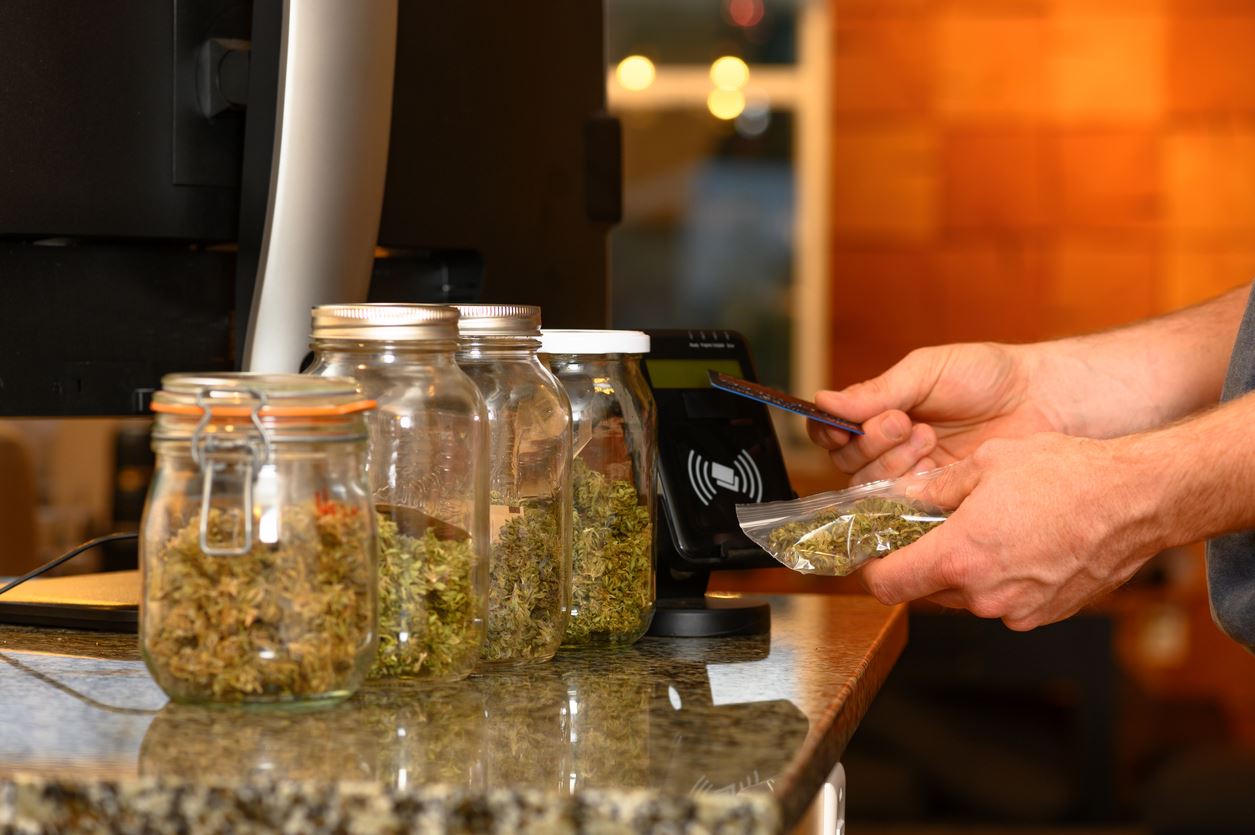
Adults aged 21 and older can legally purchase and possess cannabis for recreational use in California. The law permits individuals to possess up to 28.5 grams (one ounce) of dried cannabis flower or up to 8 grams of concentrated cannabis. This includes edibles, vape cartridges, and other products, as long as the THC content aligns with the concentrate limit. Purchases must be made exclusively from state-licensed dispensaries, which are easily identifiable by their official licensing signage. These retail outlets are prevalent in major metropolitan areas such as Los Angeles, San Francisco, and San Diego, offering a wide array of products ranging from flower and pre-rolls to edibles, tinctures, and topicals. Many dispensaries also offer delivery services within specific zones, adding another layer of convenience for consumers. When visiting a dispensary, be prepared to show a valid government-issued ID proving you are 21 or older.
Where and When You Can Legally Consume
While purchasing and possessing cannabis is legal, consumption is subject to strict limitations. Public consumption of cannabis, including smoking, vaping, or consuming edibles in public spaces, is illegal. This means no cannabis use in parks, on sidewalks, in restaurants, bars, or any place where tobacco smoking is prohibited. The most common and legally permissible place for consumption is private property, specifically within a private residence, and only with the explicit permission of the property owner. This is particularly important for tourists staying in hotels, vacation rentals, or with friends – always confirm that cannabis use is permitted on the premises. Driving under the influence of cannabis is strictly prohibited and carries severe penalties, similar to driving under the influence of alcohol. It is also illegal to consume cannabis within 1,000 feet of a school, daycare center, or youth center while children are present. Visitors should always err on the side of caution and prioritize discrete, private consumption to avoid any legal issues.
Important Considerations for Tourists
Tourists must navigate several critical distinctions regarding cannabis in California. Firstly, it’s vital to remember that while cannabis is legal under state law, it remains illegal under federal law. This has significant implications, especially for travel. It is illegal to transport cannabis across state lines, even if both states have legalized it. Furthermore, bringing cannabis into federal spaces, such as national parks (like Yosemite National Park or Joshua Tree National Park) or airports, is strictly prohibited. Federal agencies, including the TSA, enforce federal law, so carrying cannabis through airport security, even for a domestic flight within California, is a federal offense. Tourists should also be aware that landlords and hotel operators retain the right to prohibit cannabis use on their property, regardless of state law. Always clarify house rules to avoid fines or eviction. Understanding these nuances is key to enjoying California’s cannabis culture responsibly and without incident.
Beyond Cannabis: Other Substances in California’s Legal Spotlight
While cannabis often dominates discussions about legal substances in California, it’s not the only area where the state has distinct laws. Travelers should also be aware of the legal status of other substances, ranging from certain psychedelic compounds to common over-the-counter and prescription medications, all of which fall under specific regulatory frameworks.
Decriminalization vs. Legalization: The Case of Psilocybin
A significant development in recent years has been the growing movement around psychedelic substances, particularly psilocybin (found in “magic mushrooms”). It is crucial for tourists to understand the difference between decriminalization and legalization. While several California cities, including Oakland, Santa Cruz, and Berkeley, have decriminalized psilocybin and other natural psychedelics, this does not mean they are legal for sale, possession in large quantities, or public consumption. Decriminalization typically means that law enforcement treats possession of small amounts for personal use as the lowest priority, often resulting in no arrest, citations, or fines, rather than criminal charges. However, statewide, psilocybin remains a Schedule I controlled substance under federal law and is not fully legal in California. Efforts to legalize it statewide, such as Senate Bill 58, have faced legislative hurdles. Therefore, while local decriminalization efforts signal a shift in policy, tourists should exercise extreme caution: buying or selling psilocybin is illegal, and possessing it in areas without decriminalization, or in quantities exceeding personal use, can still lead to legal consequences. For travelers, the safest approach is to consider psilocybin illegal throughout California unless absolutely certain of very specific local ordinances and the exact meaning of “decriminalization” in that context.
Over-the-Counter and Prescription Medications
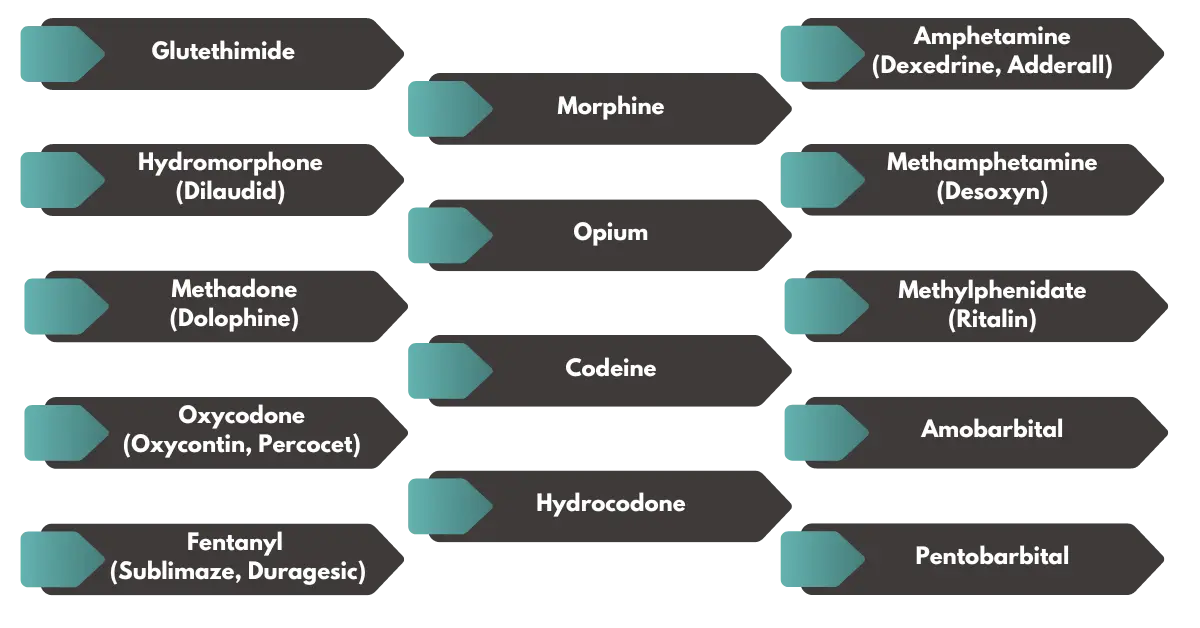
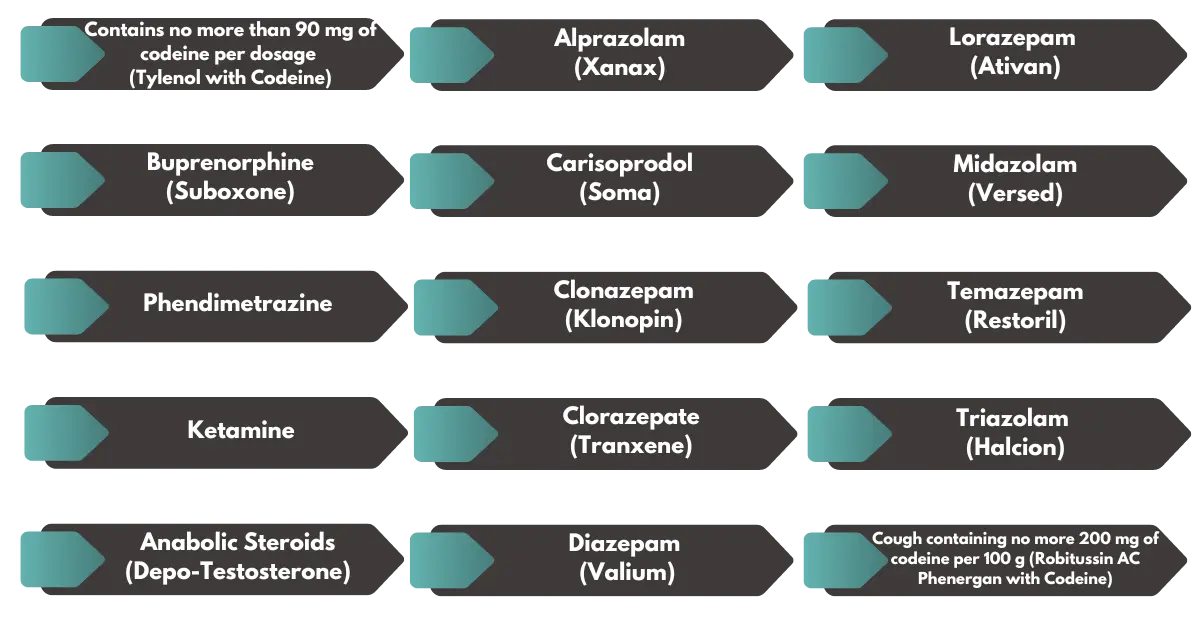
Standard regulations regarding over-the-counter (OTC) and prescription medications apply in California, similar to most other states and countries. OTC medications, such as pain relievers, cold medicines, and allergy pills, are widely available in pharmacies, supermarkets, and convenience stores without a prescription. For prescription medications, visitors must have a valid prescription from a licensed medical professional. It is highly recommended to carry prescription medications in their original, labeled containers, especially if they are controlled substances (e.g., certain strong painkillers, ADHD medications, anti-anxiety drugs). This helps avoid any confusion or legal issues with law enforcement or at airports. If you are traveling internationally to California with prescription medications, it is advisable to also carry a copy of your prescription or a letter from your doctor explaining your need for the medication, particularly for controlled substances. Different countries have varying regulations on what can be imported, so checking with the U.S. Customs and Border Protection or your airline beforehand is a prudent step to ensure a hassle-free entry.
Alcohol and Tobacco
Alcohol and tobacco products are long-standing legal substances in California, subject to specific age and consumption restrictions. The legal drinking age for alcohol is 21, and valid photo identification is required for purchase. Public consumption of alcohol is generally prohibited, with exceptions for designated areas or establishments with appropriate licenses. California has strict open-container laws, making it illegal to have an open container of alcohol in a vehicle. For tobacco and vaping products, the legal age for purchase is also 21. Smoking and vaping are prohibited in indoor public places, workplaces, and often within a certain distance of building entrances, schools, and playgrounds. Many cities have further restricted smoking in outdoor public spaces, including beaches and parks. Always look for signage indicating smoking restrictions to ensure compliance with local ordinances, which can vary significantly between municipalities.
Ensuring a Safe and Law-Abiding Visit to California
A visit to California promises a wealth of experiences, from its stunning coastlines to its vibrant urban centers. To ensure your trip remains enjoyable and free of legal complications, it’s imperative to approach the state’s unique substance laws with diligence and respect. Being informed and making responsible choices will not only safeguard your well-being but also enhance your overall travel experience.
Verify Local Ordinances
One of the most critical pieces of advice for any visitor to California is to always verify local ordinances. While state law provides a general framework, individual cities and counties have the authority to implement additional restrictions or regulations. For instance, while recreational cannabis is legal statewide, specific cities might have stricter rules regarding dispensaries, consumption lounges, or public use. Some municipalities might have outright banned cannabis retail within their borders. Similarly, the nuances of decriminalization for substances like psilocybin can vary from one city council to another. Before making any assumptions or decisions, especially regarding consumption, take a moment to check the specific regulations for the city or county you are in. Official city websites or local government information portals are reliable sources for the most current and accurate local laws.
Prioritize Health and Safety
Beyond legal compliance, prioritizing your health and safety is paramount when engaging with any substance. When purchasing legal cannabis, always do so from licensed and regulated dispensaries. These establishments are subject to rigorous testing requirements, ensuring product quality, potency accuracy, and freedom from harmful contaminants. Avoid purchasing substances from unlicensed sources, as these products are unregulated and can pose significant health risks. Always consume substances responsibly, understanding your own limits and the potential effects. Never drive under the influence of cannabis, alcohol, or any other impairing substance, as this is illegal, dangerous, and carries severe consequences. If you feel unwell or overwhelmed after consuming a substance, seek medical attention immediately. California offers numerous resources for safe consumption practices, and engaging with them reflects responsible tourism.
Respecting California’s Diverse Communities
California is a tapestry of diverse communities, cultures, and opinions. While certain substances may be legal, not everyone in the state partakes in or approves of their use. As a tourist, it is important to be mindful and respectful of local sensibilities. This means being discreet in your consumption, adhering to all public consumption bans, and avoiding behavior that might be perceived as disrespectful or disruptive. Understanding that the legal status of a substance does not necessarily equate to universal acceptance is a key aspect of respectful travel. Your visit should aim to enrich your understanding of the local culture, not to impose practices that might conflict with community values. By exercising discretion, mindfulness, and respect, you contribute positively to your experience and to the environment you are visiting.
In conclusion, California offers a uniquely progressive legal landscape concerning various substances, most notably recreational cannabis. For visitors, understanding these laws – from age restrictions and possession limits to consumption rules and the distinction between state and federal regulations – is fundamental. While cannabis is legal for adults 21 and over under specific conditions, other substances like psilocybin remain largely illegal despite some local decriminalization efforts. Always verify local ordinances, prioritize health and safety by sourcing from regulated channels, and show respect for California’s diverse communities. By staying informed and acting responsibly, you can fully enjoy all the Golden State has to offer, ensuring a safe, memorable, and legally compliant journey.
LifeOutOfTheBox is a participant in the Amazon Services LLC Associates Program, an affiliate advertising program designed to provide a means for sites to earn advertising fees by advertising and linking to Amazon.com. Amazon, the Amazon logo, AmazonSupply, and the AmazonSupply logo are trademarks of Amazon.com, Inc. or its affiliates. As an Amazon Associate we earn affiliate commissions from qualifying purchases.