
Nestled beneath the majestic peaks of the Rocky Mountains and stretching across vast plains, Montana, often dubbed the Big Sky Country, offers a culinary landscape as robust and untamed as its wilderness. Far from the bustling metropolises, Montana’s food scene is deeply rooted in its agricultural heritage, abundant wildlife, and Native American traditions, reflecting a profound connection to the land. For visitors seeking an authentic taste of the American West, Montana’s gastronomic offerings provide an insightful journey into its culture, history, and natural bounty. It’s a place where farm-to-table isn’t a trend, but a way of life, and where the flavors tell stories of ranches, mountain harvests, and resilient communities.
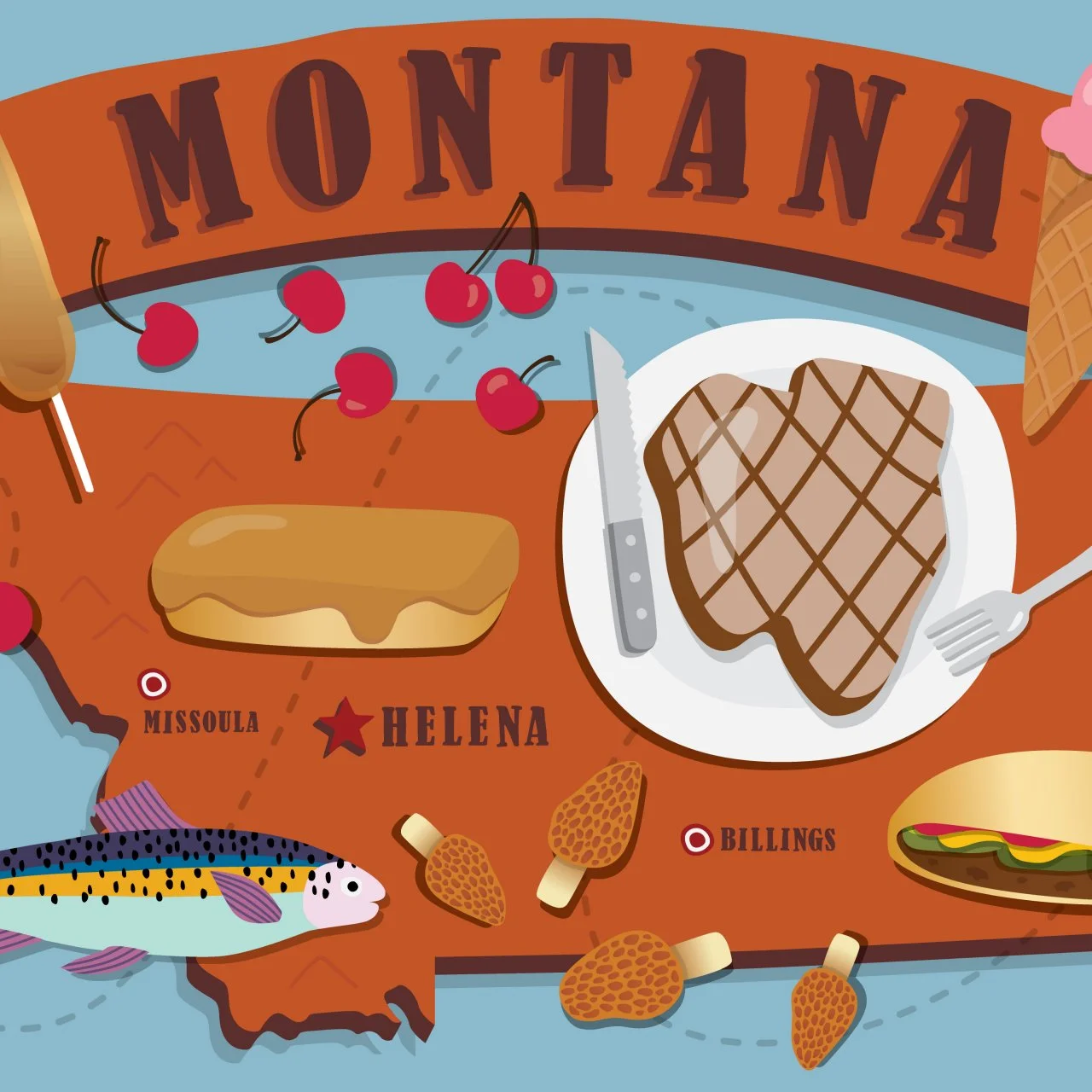
The state’s culinary identity is shaped by its diverse geography, from the fertile valleys providing rich soils for grains and produce to the expansive rangelands ideal for grazing livestock, and the pristine rivers teeming with fish. This unique blend of resources culminates in a distinctive cuisine that emphasizes freshness, heartiness, and flavor. Exploring Montana’s food is more than just tasting; it’s experiencing the spirit of the Last Best Place through its most elemental offerings. From game meats that speak to its wild frontier legacy to the sweet treasures of its forests, and the comforting staples that fueled pioneers, Montana’s table is a testament to its enduring charm and rugged beauty.
The Heart of the Harvest: Montana’s Meaty Legacy
Montana’s sprawling landscapes are synonymous with vast ranches and abundant wildlife, naturally placing meat at the core of its culinary identity. The quality and preparation of game and beef here are unparalleled, reflecting centuries of tradition and a deep respect for natural resources. This section delves into the iconic meats that define the Montana dining experience, from the lean, flavorful game to the rich, tender beef that is a staple of the state.
The Majesty of Bison and Elk
Perhaps no foods symbolize Montana’s wild spirit more than bison and elk. These magnificent animals, once the primary food source for Native American tribes such as the Blackfeet Nation and Crow Nation, have made a significant comeback and are now celebrated on menus across the state. Bison, leaner and often sweeter than beef, is remarkably versatile. Visitors can savor bison in numerous forms:
- Bison Burgers: A popular choice, often served with local cheeses and huckleberry barbecue sauce, offering a hearty and distinctly Montanan meal.
- Bison Steaks: Prized for their rich flavor and tenderness, often grilled to perfection with minimal seasoning to let the meat’s natural taste shine.
- Bison Chili and Stews: Hearty and warming, perfect for cooler Montana evenings, showcasing the meat’s depth of flavor in a comforting preparation.
- Bison Jerky: A popular snack, especially for those exploring Glacier National Park or Yellowstone National Park, offering sustained energy with an authentic taste.
Elk meat, another regional specialty, shares many characteristics with bison but possesses a slightly gamier, richer flavor profile. It’s often prepared as:
- Elk Steaks and Roasts: Frequently slow-cooked to enhance tenderness and flavor, sometimes marinated in herbs and red wine.
- Elk Sausages: A flavorful addition to breakfast platters or charcuterie boards, offering a unique Montanan twist.
- Elk Stews: Often found in rustic lodges and eateries, providing a robust, satisfying meal.
These game meats are not only a culinary delight but also represent a sustainable approach to food, often sourced from local ranches that prioritize ethical practices and conservation.
Montana Beef: From Ranch to Table
Beyond game, Montana is cattle country, and its beef is renowned for its quality. The vast, open ranges and pristine grazing lands contribute to incredibly flavorful and tender cuts. Many restaurants proudly feature beef from local ranches, highlighting the “ranch-to-table” ethos that defines Montana’s food scene.
- Steakhouse Culture: From casual diners to upscale steakhouses in cities like Bozeman and Billings, a perfectly grilled Montana steak is a quintessential experience. Ribeyes, sirloins, and T-bones are common, often served with classic sides like baked potatoes and seasonal vegetables.
- Beef Jerky: A ubiquitous snack, Montana jerky comes in a myriad of flavors, from classic black pepper to spicy variants, ideal for road trips or hiking adventures.
- Ranch Burgers: Ground beef from local cattle forms the basis of many satisfying burgers, often topped with local ingredients and artisanal cheeses.
The pride in Montana beef is palpable, and dining on a locally sourced steak offers a direct connection to the state’s enduring agricultural heritage.
Freshwater Delights: Montana’s Trout
With its pristine rivers and lakes, Montana is a fly-fishing paradise, and its culinary offerings reflect this. Freshwater trout, especially rainbow and cutthroat varieties, are a celebrated local delicacy. Often caught fresh from rivers like the Yellowstone or Madison, trout is prepared simply to highlight its delicate flavor.
- Pan-Seared or Grilled Trout: A common preparation, often seasoned with lemon, butter, and fresh herbs, served with wild rice or roasted vegetables.
- Smoked Trout: A popular appetizer or addition to salads, offering a rich, earthy flavor.
- Trout Almandine: A classic preparation featuring flaky trout topped with toasted almonds and brown butter.
Enjoying fresh trout by a riverside restaurant or lodge is an iconic Montana experience, perfectly blending outdoor adventure with culinary pleasure.
Wild Flavors of the Big Sky: Berries and Foraged Treasures
Montana’s diverse ecosystems yield an incredible array of wild edibles, with berries taking center stage in the state’s unique flavor profile. These natural treasures are not merely ingredients; they are a vibrant part of Montana’s cultural identity, celebrated in festivals and cherished in kitchens statewide.
The Allure of the Huckleberry
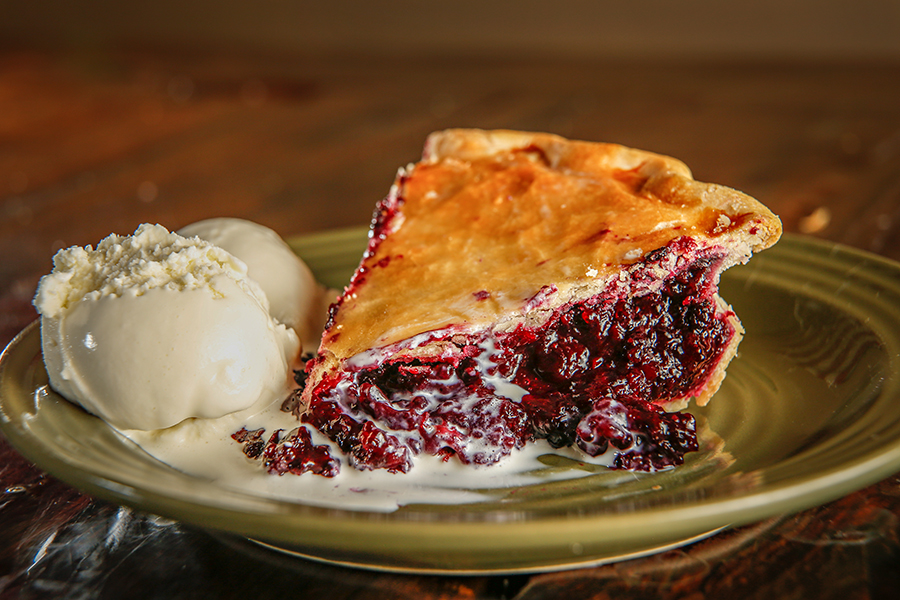
If there is one food that defines the taste of Montana, it is undoubtedly the huckleberry. These small, intensely flavored berries, similar to blueberries but with a more tart and earthy profile, grow wild in the higher elevations of the Rocky Mountains. Unlike blueberries, huckleberries resist cultivation, making them a truly wild and precious harvest. Their scarcity and unique flavor elevate them to an almost mythical status among locals and visitors alike.
- Huckleberry Pie: The quintessential Montana dessert, often found in diners and bakeries from Kalispell to Missoula, featuring a flaky crust and a generous, sweet-tart filling.
- Huckleberry Jam and Syrup: Perfect for slathering on pancakes, waffles, or toast, these preserves capture the essence of the berry year-round.
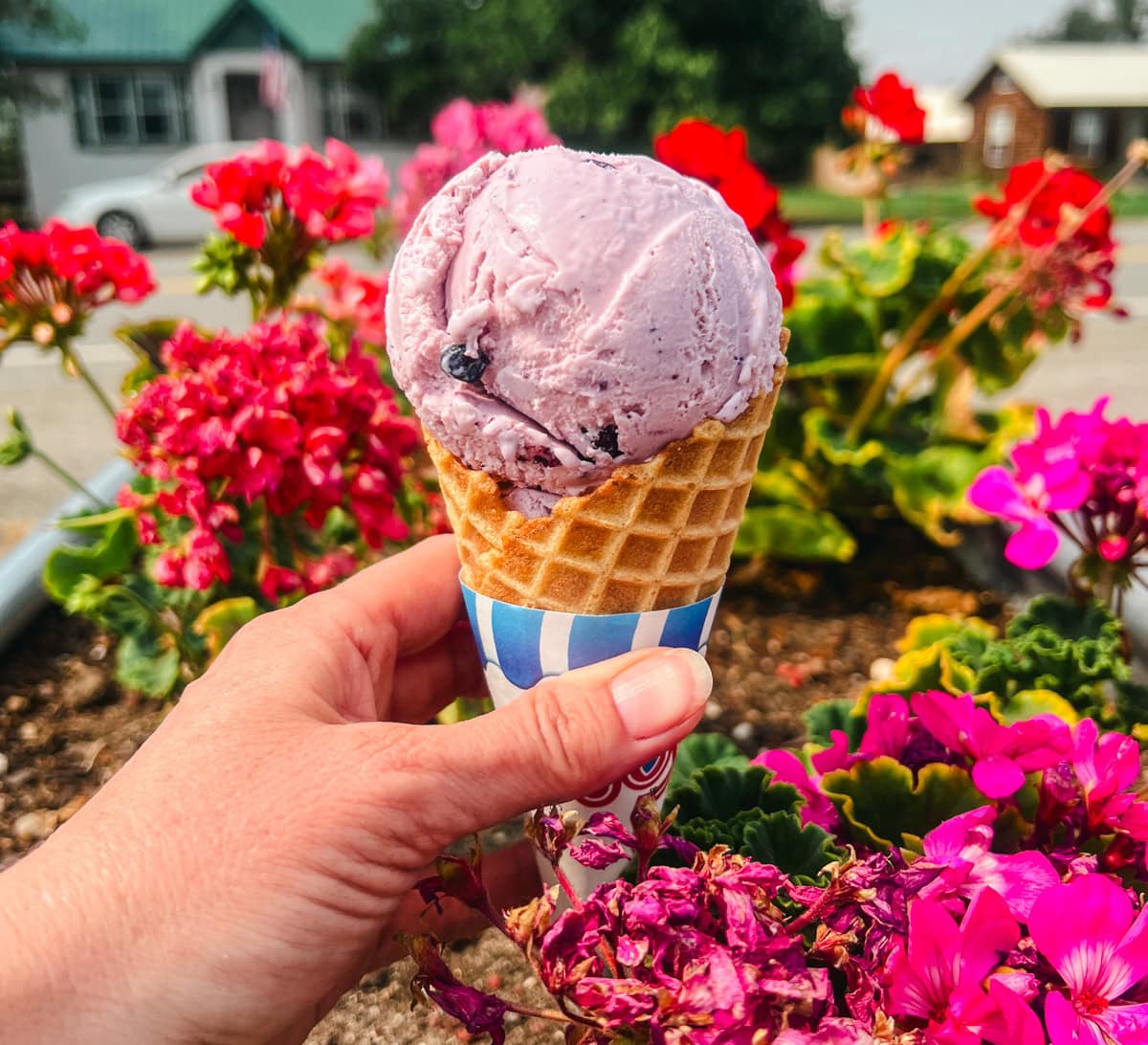
- Huckleberry Ice Cream and Milkshakes: A refreshing treat, especially during the summer months, offering a creamy and fruity indulgence.
- Huckleberry Cocktails: Many local breweries and distilleries incorporate huckleberries into beers, vodkas, and liqueurs, creating uniquely Montanan beverages.
- Savory Applications: Huckleberry is also surprisingly versatile in savory dishes, often paired with game meats like bison or elk as a reduction or glaze, adding a sweet and tangy counterpoint.
The huckleberry season, typically from mid-July to early September, is a cherished time in Montana, with locals often venturing into the forests to pick these elusive gems.
Beyond Huckleberries: Other Wild Harvests
While huckleberries reign supreme, Montana’s forests and fields offer other delicious wild edibles that contribute to its distinctive cuisine. These foraged ingredients further emphasize the state’s connection to its natural environment.
- Chokecherries: These tart berries are another significant wild harvest, frequently used in jams, syrups, and wines. Chokecherry jelly has a distinct, robust flavor that is a beloved local staple.
- Juneberries (Saskatoon Berries): Similar to blueberries but with an almond-like note, Juneberries are also found wild and used in pies, muffins, and preserves.
- Wild Mushrooms: Depending on the season and location, various edible wild mushrooms, such as morels, can be foraged, adding an earthy depth to local dishes, particularly in restaurants specializing in seasonal cuisine.
These wild treasures are a testament to Montana’s rich biodiversity and the resourcefulness of its people, offering unique flavors that cannot be replicated elsewhere.
Hearty Staples and Local Delicacies: Fueling the Montana Spirit
Beyond the renowned meats and wild berries, Montana’s culinary landscape is rich with hearty staples and unique local delicacies that tell the story of its diverse history and agricultural prowess. These foods, often born from necessity and adapted over generations, continue to fuel the Montana spirit.
The Humble Lentil: Montana’s Agricultural Secret
It might surprise many to learn that Montana is the leading producer of lentils in the United States, particularly in the Golden Triangle region around Great Falls. While not as glamorous as bison or huckleberries, lentils are a foundational crop and a sustainable food source that is increasingly finding its way onto local menus.
- Lentil Soups and Stews: A common sight, especially in agricultural communities, offering a nutritious and comforting meal.
- Lentil Salads: Increasingly featured in health-conscious eateries, showcasing the versatility of this protein-rich legume.
- Modern Preparations: Chefs in cities like Helena and Whitefish are experimenting with lentils in various innovative ways, from lentil burgers to gourmet sides, highlighting their local origin.
The lentil industry is a quiet powerhouse in Montana, reflecting the state’s role in global agriculture and its commitment to sustainable farming practices.
A Taste of History: Butte’s Pasties
In the historic mining city of Butte, a culinary tradition brought by Cornish miners in the 19th century lives on: the pasty (pronounced PASS-tee). This hearty, handheld meat pie was the perfect meal for miners working underground, as it could be easily carried and eaten without utensils.
- Traditional Pasty: Typically filled with beef, potatoes, onions, and rutabaga, encased in a sturdy pastry crust. Some prefer to eat it plain, while others enjoy it with gravy or ketchup.
- Variations: Modern pasty shops in Butte might offer variations with different fillings, but the classic remains the most popular, embodying the city’s rich immigrant and industrial heritage.
A visit to Butte is incomplete without sampling a traditional pasty, a flavorful link to the city’s rugged past and the resilient spirit of its working-class communities.
Sipping Montana: Craft Beer and Spirits
Montana’s clean water and abundant grains provide an ideal foundation for a thriving craft beverage industry. Over the past few decades, the state has become a haven for microbreweries, distilleries, and even wineries, each striving to capture the essence of Montana in a glass.
- Craft Beer: Nearly every town, big or small, boasts at least one local brewery, offering a wide range of ales, lagers, and specialty brews. Many incorporate local ingredients like huckleberries, Montana-grown barley, or even spruce tips, creating unique regional flavors. Visiting a local taproom is a popular social activity and an excellent way to experience local culture.
- Artisan Spirits: Distilleries are also on the rise, producing high-quality whiskies, vodkas, gins, and liqueurs. Many distilleries pride themselves on using 100% Montana-grown grains and pure mountain water, resulting in spirits with a distinct sense of place. For instance, some produce huckleberry vodka or juniper-forward gins that reflect the state’s natural botanicals.
- Local Wine: While less dominant, a nascent wine industry, particularly around Flathead Lake and in warmer microclimates, produces surprising varietals, often focused on cold-hardy grapes.
These craft beverages are more than just drinks; they are expressions of Montana’s agricultural wealth, innovative spirit, and community pride, offering a delicious way to toast the Big Sky Country.
Conclusion: A Culinary Journey Through Montana
Montana’s food scene is a profound reflection of its landscape, its history, and the people who call it home. From the hearty game meats and pristine trout caught in its sparkling rivers to the sweet, elusive huckleberries foraged from its mountain forests, and the comforting, historic pasties of its mining towns, every dish tells a story. The state’s commitment to local, fresh ingredients, sustainable practices, and honoring traditional flavors creates a culinary experience that is both authentic and unforgettable.
Whether you’re exploring the wild trails of a national park, skiing in Whitefish, or immersing yourself in the cultural vibrancy of Missoula, a taste of Montana’s unique gastronomy is an essential part of the journey. It’s a reminder that good food is not just about sustenance, but about connection – to the land, to history, and to the vibrant, untamed spirit of the Last Best Place. So, come hungry, and prepare to discover a taste of the Big Sky Country that will linger long after your visit.
LifeOutOfTheBox is a participant in the Amazon Services LLC Associates Program, an affiliate advertising program designed to provide a means for sites to earn advertising fees by advertising and linking to Amazon.com. Amazon, the Amazon logo, AmazonSupply, and the AmazonSupply logo are trademarks of Amazon.com, Inc. or its affiliates. As an Amazon Associate we earn affiliate commissions from qualifying purchases.