
While the vast expanse of Texas is often celebrated for its sprawling ranches, vibrant cities like Austin and Dallas, and its rich cultural tapestry encompassing everything from Tex-Mex cuisine to legendary music scenes, the state’s educational landscape is a subject of ongoing discussion and analysis. When we ask, “What Is Texas Ranked In Education?”, the answer is not a single, simple statistic but rather a nuanced picture painted by various reports and assessments. These rankings often consider factors like student achievement, graduation rates, funding, and the overall quality of educational institutions, from K-12 to higher education.
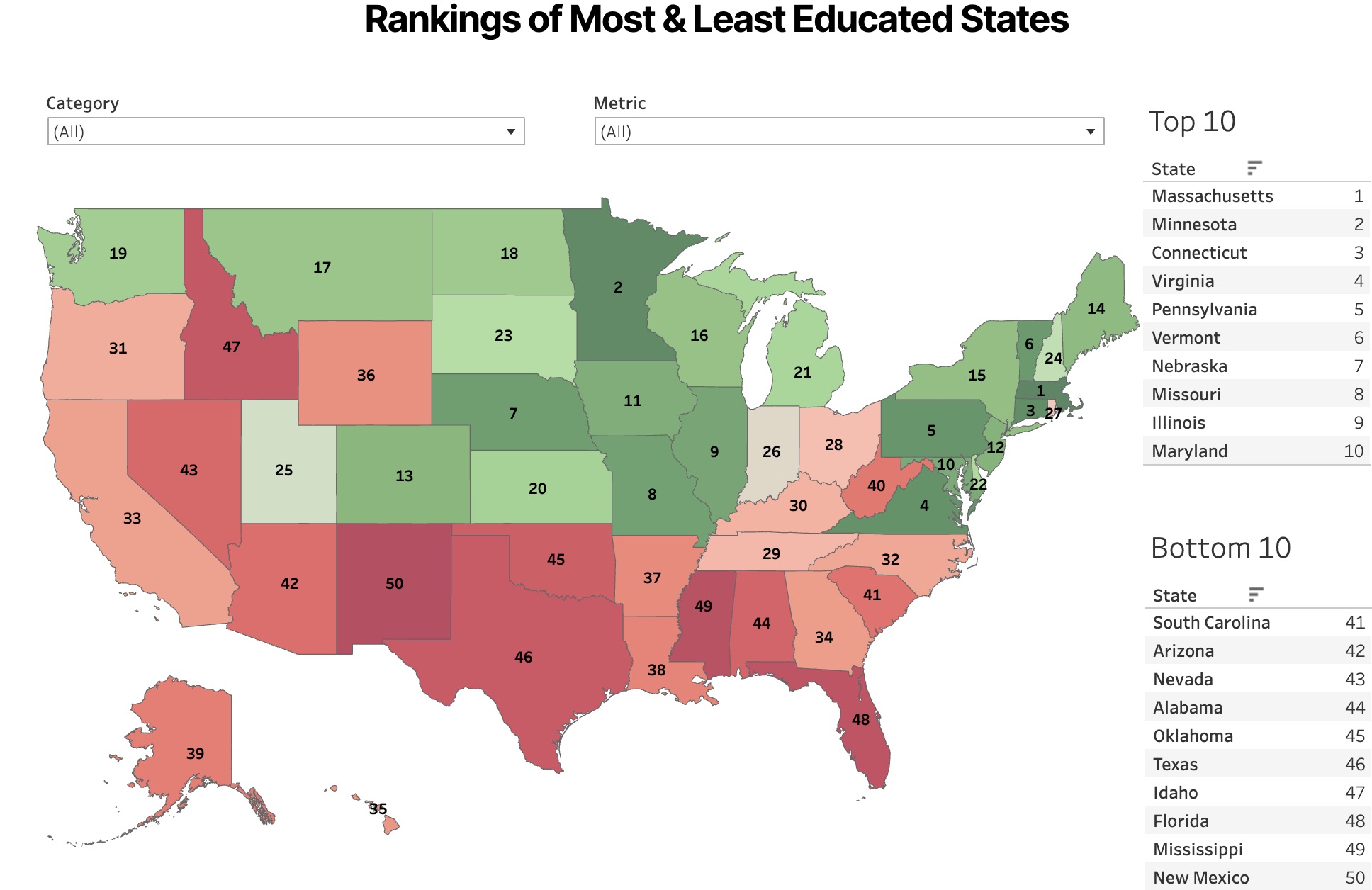
Understanding Texas‘s educational standing is crucial for families considering a move, students planning their academic futures, and policymakers aiming to improve the learning environment. The sheer size and diversity of Texas mean that educational experiences can vary significantly from one region to another. For instance, a student in a well-funded suburban school district in Dallas might have access to different resources and opportunities than a student in a rural school in West Texas. This article will delve into the various dimensions of Texas‘s educational rankings, exploring what makes it stand out, where it faces challenges, and how different aspects of its educational system are evaluated.
The Lone Star State is home to some of the largest and most influential public school districts in the United States, alongside a robust network of public and private universities, including renowned institutions like the University of Texas at Austin and Texas A&M University. These institutions contribute significantly to the state’s intellectual capital and economic growth. However, the performance of these esteemed universities doesn’t always translate to uniformly high rankings across the entire K-12 system. Therefore, a comprehensive look at Texas‘s education ranking requires examining multiple facets.
The journey through Texas‘s educational landscape begins with its early childhood education and progresses through its K-12 system, culminating in its collegiate and vocational training programs. Each stage presents its own set of challenges and triumphs. For families seeking the perfect place to settle, the quality of local schools is a paramount concern, influencing decisions about where to buy a home or rent an apartment. For those interested in the broader appeal of Texas as a destination for education, understanding these rankings provides valuable context. This exploration will go beyond simple numbers, offering insights into the factors that shape Texas‘s educational reputation and its aspirations for the future.
Analyzing Texas’s Educational Standing: Key Metrics and Performance
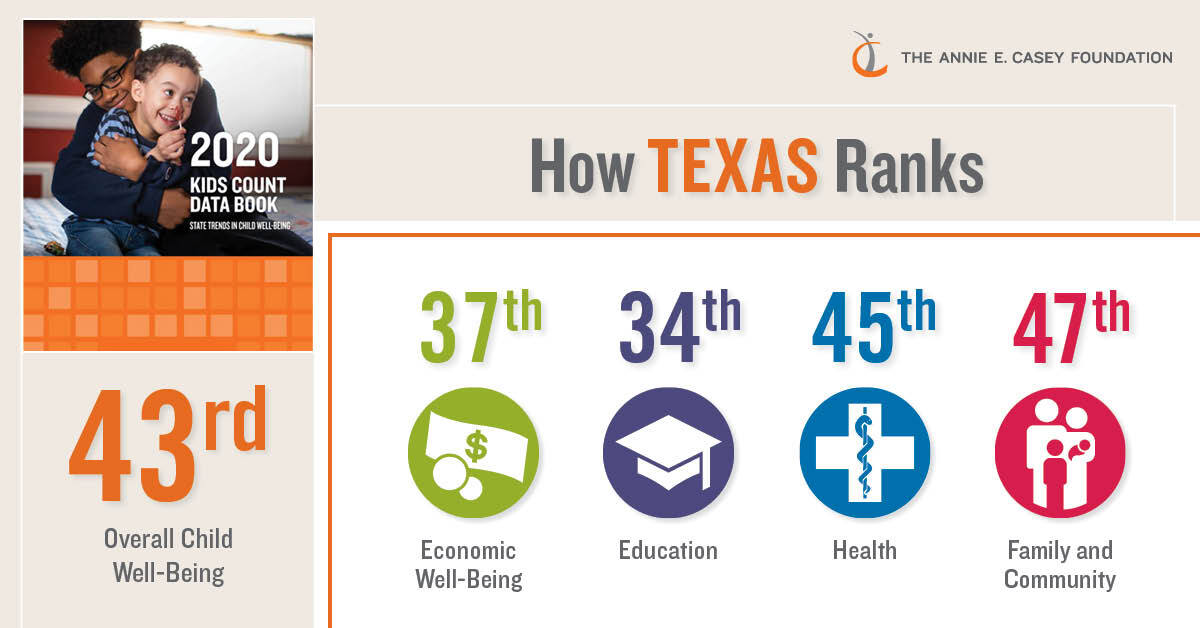
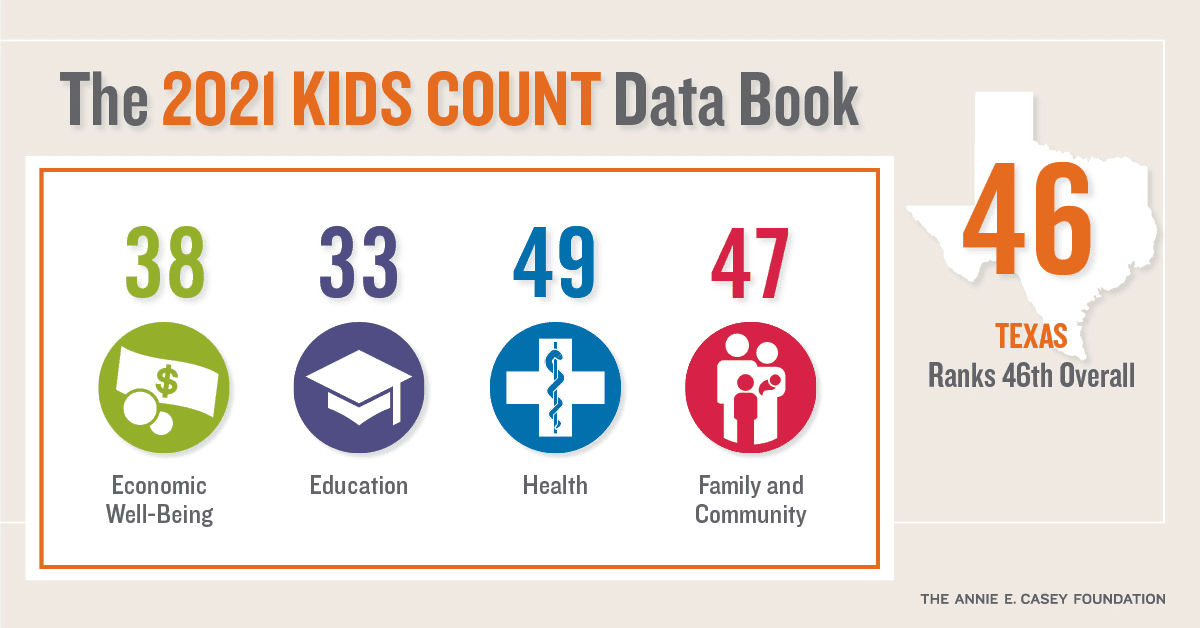
When discussing rankings, it’s essential to understand what metrics are being used. Different organizations and studies employ varying methodologies, leading to diverse results. However, common threads emerge, typically focusing on student outcomes, resource allocation, and the overall educational environment. For Texas, its performance in these areas often places it somewhere in the middle tier of U.S. states, though specific categories can see it excel or lag.
One of the most consistently tracked metrics is student proficiency in core subjects like reading, math, and science. Standardized tests, such as the State of Texas Assessments of Academic Readiness (STAAR), provide a snapshot of student performance. While Texas has made efforts to improve these scores over the years, especially in its larger urban centers like Houston and San Antonio, there remain significant disparities. These disparities can be linked to socioeconomic factors, funding differences between school districts, and access to resources. For example, the investment in educational technology or specialized programs can vary dramatically, impacting the learning experience for students.
Graduation rates are another critical indicator of educational success. Texas generally boasts a relatively high high school graduation rate, often exceeding the national average. This is a testament to the dedication of educators and the emphasis placed on ensuring students complete their secondary education. However, simply graduating is only part of the picture. The question of preparedness for post-secondary education or the workforce becomes paramount. Are Texas graduates equipped with the critical thinking skills and knowledge necessary to succeed in college-level courses or demanding careers? This is where the conversation often shifts towards the quality of curriculum and teaching methods.
Funding for public education is a perennial topic of debate in Texas. The state’s reliance on local property taxes for school funding can create significant inequities between wealthy and poorer districts. While Texas does have state-level funding mechanisms, they often don’t fully bridge the gap, leading to disparities in teacher salaries, class sizes, and the availability of extracurricular activities and advanced placement courses. For families considering relocating within Texas, researching the funding and resources of specific school districts becomes a vital part of their decision-making process, especially if they are looking for luxury accommodations or budget-friendly apartment rentals.
K-12 Performance and Challenges
The K-12 education system in Texas is a vast and complex entity, responsible for educating millions of students. When examining its national rankings, the picture is often mixed. While Texas is home to some exceptionally high-performing school districts, particularly in its major metropolitan areas, its overall performance can be dragged down by areas facing significant challenges.
For instance, reports from organizations like Education Week often place Texas in the mid-range when assessing overall state education rankings. These rankings consider a multitude of factors, including academic achievement, school finance, and the quality of the teaching profession. Texas may perform well in areas such as access to early childhood education or the number of students participating in advanced placement courses, but it can face challenges in closing achievement gaps between different demographic groups and in ensuring equitable funding across all districts.
The sheer scale of Texas also presents unique logistical and educational hurdles. Managing curriculum development, teacher training, and resource allocation for a student population spread across vast geographical areas requires significant coordination and investment. The Texas Education Agency plays a crucial role in setting standards and overseeing the system, but the effectiveness of these measures can vary in their implementation at the local level.
The pursuit of educational excellence in Texas also involves attracting and retaining high-quality teachers. Competitive salaries, professional development opportunities, and supportive school environments are critical factors. In some regions of Texas, teacher shortages are a persistent issue, impacting the quality of instruction and the availability of specialized educational programs. This can influence families’ decisions about where to live, impacting the demand for various types of accommodation, from single-family homes to serviced apartments.
Higher Education Landscape
Beyond the K-12 system, Texas boasts a formidable higher education sector. The state is home to numerous public universities, private institutions, and community colleges, many of which are nationally recognized for their research, academic programs, and contributions to various fields. The University of Texas system alone comprises 14 institutions, including flagship campuses in Austin and Dallas, which are major hubs for innovation and learning. Similarly, the Texas A&M University system is a powerhouse in engineering, agriculture, and other critical disciplines.
These universities attract students from across the United States and internationally, contributing to the state’s intellectual and economic vitality. They also drive tourism, with prospective students and their families visiting campuses like the University of Houston or Rice University to explore their options. The presence of these esteemed institutions often elevates Texas‘s overall educational profile, even if the K-12 system faces more complex challenges.
Rankings of individual universities within Texas are often quite high, with many consistently appearing in top-tier lists for specific programs and overall academic reputation. This success in higher education can also be attributed to significant investment in research and development, fostering a dynamic environment for academic advancement. The state’s commitment to supporting these institutions, through both public funding and private endowments, plays a crucial role in their continued success and their ability to attract leading faculty and students.
However, accessibility and affordability remain important considerations. While tuition at public universities in Texas is generally more affordable than in many other states, the cost of higher education is still a significant barrier for some. Efforts to provide scholarships, grants, and financial aid are ongoing, aiming to ensure that Texas residents have the opportunity to pursue higher education without incurring insurmountable debt. This aspect of the educational system also influences the lifestyle choices of many, from those seeking budget travel to explore university towns to those looking for luxury stays while attending academic conferences.
Factors Influencing Texas’s Education Rankings
Several interconnected factors contribute to Texas‘s standing in educational rankings. These go beyond simple test scores and delve into the socio-economic, political, and demographic realities of the state. Understanding these influences provides a more comprehensive picture of the challenges and opportunities within Texas‘s educational system.
One of the most significant factors is the state’s rapid population growth. Texas continues to be a magnet for people moving from other states and countries, drawn by its economic opportunities, diverse culture, and comparatively lower cost of living in many areas. This influx of new residents, while a positive sign for economic development and often boosting local tourism, places immense pressure on the education system. School districts must constantly adapt to increasing enrollment, often requiring new facilities, more teachers, and expanded resources. This can strain existing funding models and lead to overcrowded classrooms, particularly in fast-growing suburban areas around cities like San Antonio and Fort Worth.
Demographic diversity is another crucial element. Texas is a highly diverse state, with a significant proportion of its student population coming from minority backgrounds and lower-income households. While this diversity enriches the educational environment, it also highlights existing achievement gaps. Addressing these disparities requires targeted interventions, culturally responsive teaching, and equitable resource allocation. Ensuring that all students, regardless of their background, have access to a high-quality education is a complex undertaking that significantly impacts Texas‘s overall educational rankings.
Socioeconomic Impact on Learning
The socioeconomic makeup of Texas profoundly influences educational outcomes. Communities with higher levels of poverty often face greater challenges in providing adequate educational resources. Factors such as access to healthcare, nutrition, stable housing, and parental involvement can all impact a child’s ability to learn. In Texas, these socioeconomic disparities are often visible in the differences between school districts. Wealthier districts, often supported by higher property tax bases, can afford to invest more in experienced teachers, smaller class sizes, advanced technology, and a wider array of extracurricular activities, from art programs to competitive sports.
Conversely, districts in economically disadvantaged areas may struggle with teacher recruitment and retention, outdated facilities, and limited access to resources that are considered standard in more affluent areas. This creates an uneven playing field for students, where their educational trajectory can be heavily influenced by their zip code. Efforts to mitigate these effects include state and federal funding programs aimed at supporting low-income schools, but the scale of the challenge in a state as large as Texas is substantial.
The impact of socioeconomic status extends to higher education as well. While Texas aims to provide accessible higher education, the financial burden can still be prohibitive for students from low-income families. Scholarships, grants, and affordable tuition at state universities are vital, but the ongoing cost of living, textbooks, and other expenses can still be significant barriers. This is why initiatives that support students in navigating these financial aspects, alongside their academic pursuits, are so important for fostering a more equitable educational system. Families planning long-term stays in university towns or considering business stays related to educational institutions often need to factor in these broader socioeconomic considerations.
Policy and Funding Debates
Educational policy and funding are central to the ongoing discussion about Texas‘s education rankings. The state’s approach to education funding, heavily reliant on local property taxes, has been a recurring point of contention. Critics argue that this system perpetuates inequality, as districts in affluent areas can generate significantly more revenue than those in less prosperous regions. While Texas does implement a state-level funding formula, its effectiveness in equalizing resources is often debated.
Legislative sessions frequently involve debates about school finance reform, teacher pay, and accountability measures. Policies related to standardized testing, curriculum standards, and school choice also play a significant role in shaping the educational landscape and, consequently, how Texas is ranked. For instance, the emphasis on accountability through standardized testing can sometimes lead to a narrow focus on test preparation, potentially at the expense of broader educational goals like critical thinking and creativity.
The debate over charter schools and school choice programs also adds another layer to the complexity. Proponents argue that these options provide valuable alternatives for students, while critics express concerns about potential impacts on public school funding and student segregation. Navigating these policy debates is crucial for understanding the trajectory of Texas education and its aspirations to improve its national standing. For individuals and families choosing to live in Texas, understanding these policy landscapes can inform their decisions about housing, local amenities, and their children’s educational futures, impacting everything from their travel plans to their choice of accommodation.
LifeOutOfTheBox is a participant in the Amazon Services LLC Associates Program, an affiliate advertising program designed to provide a means for sites to earn advertising fees by advertising and linking to Amazon.com. Amazon, the Amazon logo, AmazonSupply, and the AmazonSupply logo are trademarks of Amazon.com, Inc. or its affiliates. As an Amazon Associate we earn affiliate commissions from qualifying purchases.