
Understanding the USDA Plant Hardiness Zone Map is fundamental for anyone interested in gardening, landscaping, or simply appreciating the diverse flora of a region. For those pursuing a green lifestyle in the Southern United States, specifically Alabama, knowing the state’s gardening zones is crucial for cultivating a thriving garden and selecting appropriate plant species. Alabama is a state renowned for its lush landscapes and rich biodiversity, a direct result of its varied climate and geographical features. The state spans multiple hardiness zones, offering a broad spectrum of gardening possibilities, from temperate northern regions to subtropical coastal areas. This guide delves into the specifics of Alabama’s gardening zones, offering insights for both seasoned horticulturists and budding enthusiasts looking to make the most of the Yellowhammer State’s unique environment.
Understanding USDA Plant Hardiness Zones
The USDA Plant Hardiness Zone Map is the standard by which gardeners and growers can determine which plants are most likely to thrive at a specific location. Developed by the United States Department of Agriculture, this map divides North America into 13 distinct zones based on the average annual extreme minimum winter temperature. Each zone represents a 10-degree Fahrenheit range, further divided into ‘a’ and ‘b’ subzones, which represent 5-degree increments.
The Science Behind the Zones
The primary factor determining a plant’s hardiness zone is its ability to withstand cold temperatures. Plants that can tolerate colder temperatures are considered “hardier” and can survive in lower-numbered zones. The data used to create the map is meticulously collected from thousands of weather stations across the country, updated periodically to reflect changes in climate patterns. The most recent version, updated in 2023, incorporates 30 years of temperature data, from 1991 to 2020, provided by the National Oceanic and Atmospheric Administration (NOAA) and applied with the expertise of horticultural and climatological experts from institutions like Auburn University. While winter minimum temperatures are the defining factor, other elements such as summer heat, rainfall, humidity, and soil type also play significant roles in a plant’s overall success. However, the hardiness zone provides the foundational knowledge for selecting plants that can endure the coldest part of the year.
Alabama’s Unique Climate Profile
Alabama’s position in the southeastern United States grants it a humid subtropical climate, characterized by hot, humid summers and mild winters. However, the state’s diverse topography contributes to significant climatic variations from north to south. Northern Alabama, particularly areas bordering Tennessee, experiences more pronounced cold snaps due to its proximity to the Appalachian Mountains and higher elevations, such as those found around Cheaha State Park, the state’s highest point. Conversely, the Gulf Coast region of southern Alabama benefits from the moderating influence of the Gulf of Mexico, leading to warmer winters and a longer growing season. These variations are directly reflected in the state’s hardiness zones.
Alabama’s Diverse Zones: From North to South
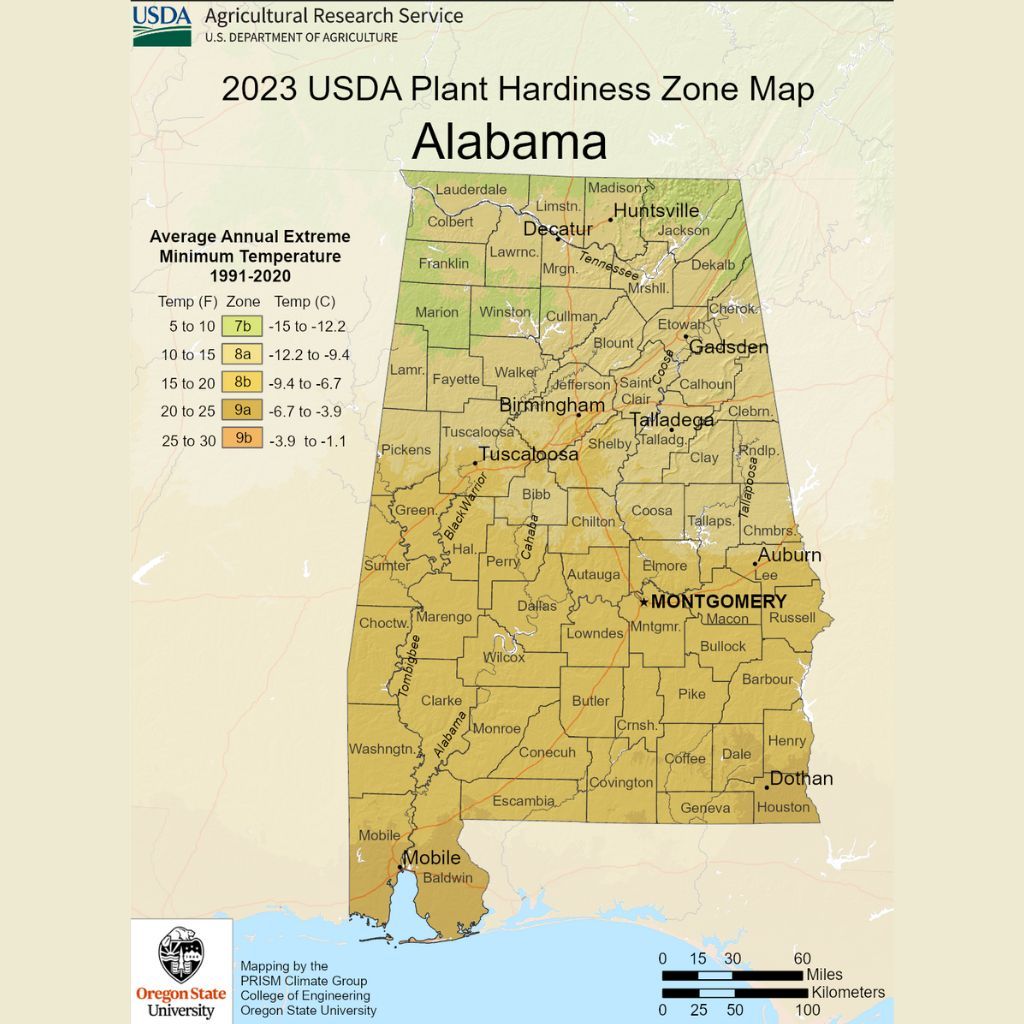
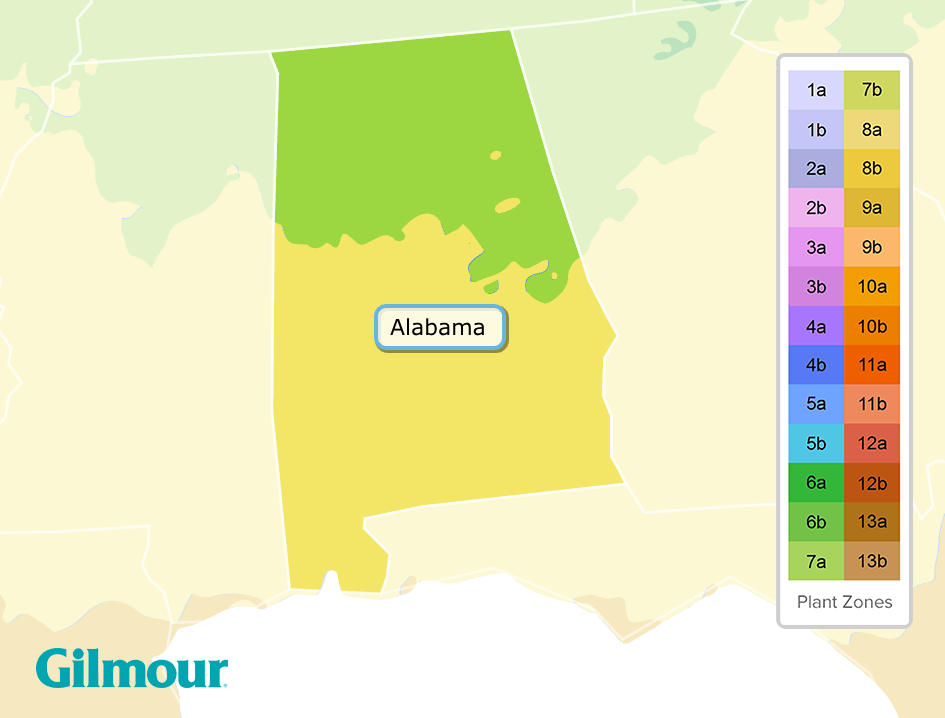
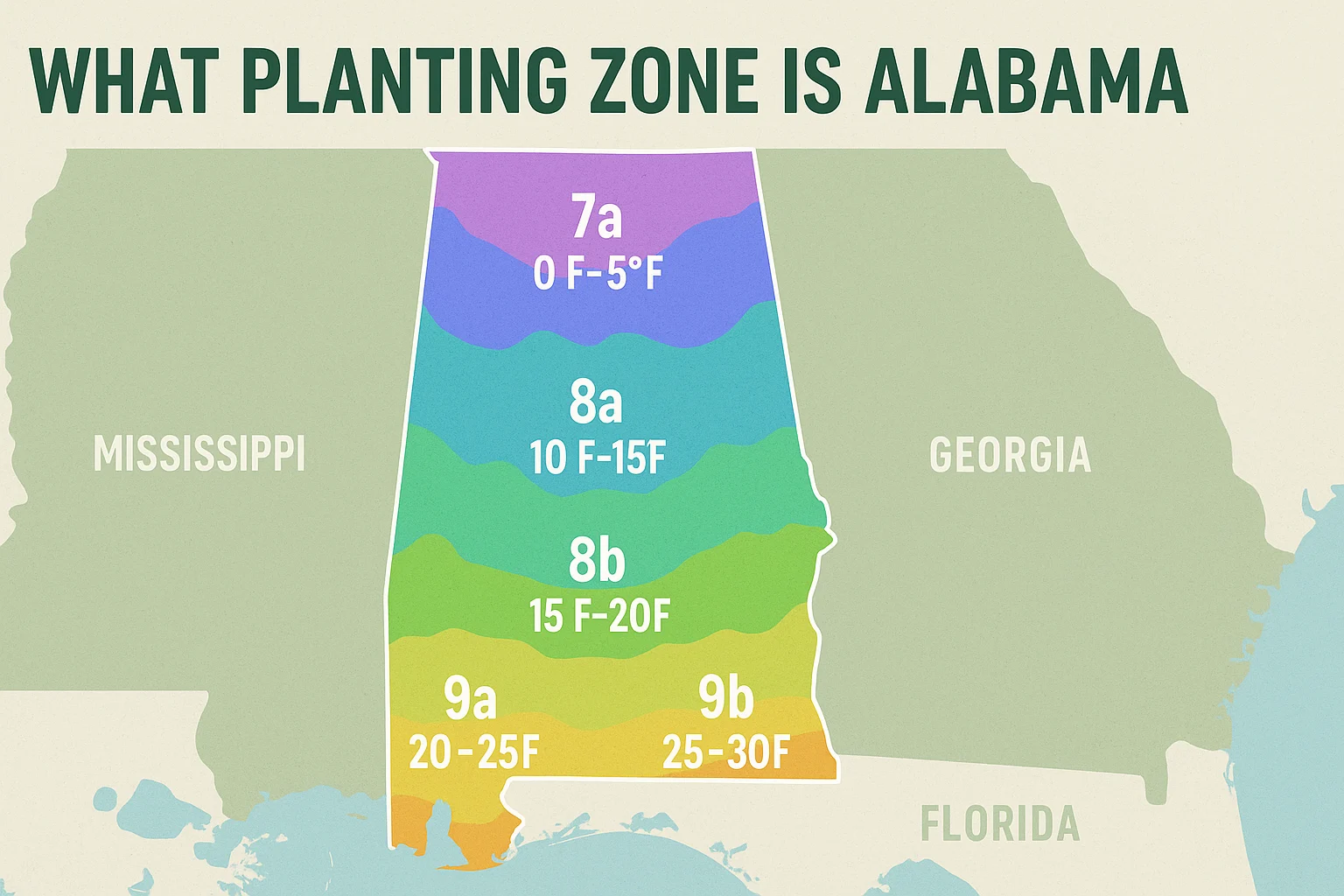
Alabama is predominantly covered by Zones 7b, 8a, 8b, and 9a. This gradation from cooler northern zones to warmer southern zones dictates the types of plants that can be successfully grown throughout the state. Understanding these specific zones is the first step toward successful gardening in Alabama.
Northern Alabama: Zone 7
The northernmost counties of Alabama, particularly those in the Tennessee Valley region including cities like Huntsville and surrounding areas, fall primarily into Zone 7b. This zone has an average annual extreme minimum temperature range of 5°F to 10°F (-15°C to -12.2°C).
Gardeners in Zone 7b can expect occasional freezes and periods of frost, requiring them to select plants that can withstand these cooler conditions. While still relatively mild compared to more northern states, this zone requires careful consideration for cold-sensitive plants. Traditional temperate plants like hostas, certain varieties of hydrangeas, and many fruit trees like apples and peaches thrive here. Deciduous trees such as Maple and Oak varieties are also well-suited.
Central and Southern Alabama: Zone 8
The vast majority of Alabama, encompassing the central plains and extending into a significant portion of the southern region, falls within Zone 8. This zone is further divided into 8a and 8b.
- Zone 8a: Found around cities like Birmingham, Tuscaloosa, and Montgomery, Zone 8a experiences average annual extreme minimum temperatures between 10°F to 15°F (-12.2°C to -9.4°C). This zone is a sweet spot for many popular garden plants, offering a long growing season and generally mild winters.
- Zone 8b: Extending further south, Zone 8b, with minimum temperatures ranging from 15°F to 20°F (-9.4°C to -6.7°C), covers areas like Auburn and many of the state’s national forests, including portions of Conecuh National Forest, Talladega National Forest, and William B. Bankhead National Forest. This zone is ideal for a wide array of ornamental shrubs and trees that appreciate milder winters but still require some cold dormancy.
These Zone 8 regions are characterized by a vibrant display of flowering shrubs such as Azaleas, Camellias, and Gardenias, as well as iconic trees like Magnolias and Crepe Myrtles.
Coastal Alabama: Zone 9
The southernmost tip of Alabama, particularly the immediate Gulf Coast region including cities like Mobile, Fairhope, Dauphin Island, Gulf Shores, and Orange Beach, falls into Zone 9a. This zone boasts the warmest winter temperatures, with average annual extreme minimums between 20°F to 25°F (-6.7°C to -3.9°C).
This subtropical environment allows for the cultivation of a more exotic range of plants. Citrus trees, palm trees, and various tropical and semi-tropical plants flourish here with minimal winter protection. The extended frost-free period also allows for multi-season harvests of many vegetables and herbs. The lushness of the Gulf Coast is a testament to its favorable Zone 9 climate.
Cultivating Success: Plants for Alabama’s Zones
Understanding your specific gardening zone in Alabama empowers you to make informed decisions about plant selection, maximizing your garden’s potential and minimizing plant loss.
Zone-Specific Plant Recommendations
- Zone 7b (Northern Alabama): Ideal for perennials like coneflowers, sedum, daylilies, and astilbes. Ornamental trees such as Dogwood, Redbud, and various Maple species thrive. Many deciduous fruit trees also perform well, including apples, pears, and plums.
- Zone 8a/8b (Central and Southern Alabama): This is prime territory for classic Southern beauties. Think Azaleas, Camellias, Gardenias, and Hydrangeas. Evergreen shrubs like hollies and Loropetalum are popular. Trees such as Magnolia grandiflora, Crepe Myrtle, Live Oak, and Sweet Bay Magnolia define the landscape. Many varieties of roses also flourish.
- Zone 9a (Coastal Alabama): Embrace the tropics! Citrus trees (oranges, lemons, grapefruits), palms (Sabal palmetto, Windmill Palm), bougainvillea, canna lilies, and hibiscus are excellent choices. Many herbs and vegetables can be grown nearly year-round with proper planning.
It’s always wise to consult local nurseries or the Alabama Cooperative Extension System for specific recommendations tailored to microclimates within your zone.
The Impact on Local Flora and Agriculture
Alabama’s diverse hardiness zones also profoundly influence its natural ecosystems and agricultural output. The state’s forests are dominated by various pine species, including Loblolly Pine and Longleaf Pine, which are well-adapted to the local climate. The warmer zones support extensive cultivation of crops like cotton, peanuts, and various vegetables, benefiting from the long growing season. Pecan orchards are also a significant agricultural feature, especially in central and southern Alabama. The zones allow for a robust agricultural sector and contribute to the state’s natural beauty, supporting a wide array of native plants that form the backbone of local biodiversity.
Embracing the Gardening Lifestyle in Alabama
Gardening in Alabama is more than just a hobby; it’s a lifestyle choice deeply connected to the state’s natural beauty and hospitable climate. The extended growing seasons and diverse planting opportunities make it an attractive location for both edible and ornamental gardeners.
Year-Round Gardening Opportunities
One of the greatest advantages of gardening in Alabama, particularly in Zones 8 and 9, is the possibility of year-round activity. While northern Alabama (Zone 7b) experiences a distinct winter dormancy, even here, cold-hardy vegetables can be planted for fall and winter harvests. In the warmer zones, winter becomes an active gardening period for many cool-season crops like kale, collards, lettuce, and broccoli, extending the bounty well beyond typical summer months. Spring arrives early, often by late February or early March, allowing for an early start to warm-season planting. The long, hot summers, while challenging for some plants, are perfect for heat-loving varieties like tomatoes, peppers, and okra.
Connecting with Local Gardening Communities
For those embracing the gardening lifestyle in Alabama, numerous resources and communities exist to support and inspire. Local garden clubs, master gardener programs through the Alabama Cooperative Extension System, and botanical gardens like the Birmingham Botanical Gardens or the Mobile Botanical Gardens offer invaluable local knowledge, workshops, and a chance to connect with fellow enthusiasts. These communities share insights on best practices for Alabama’s specific climate, soil conditions, and pest challenges, ensuring that every gardener, regardless of experience, can cultivate a successful and rewarding green space. Whether you’re growing vibrant flowers, a productive vegetable patch, or a serene native landscape, Alabama’s diverse gardening zones provide a canvas for a rich and fulfilling horticultural lifestyle.
LifeOutOfTheBox is a participant in the Amazon Services LLC Associates Program, an affiliate advertising program designed to provide a means for sites to earn advertising fees by advertising and linking to Amazon.com. Amazon, the Amazon logo, AmazonSupply, and the AmazonSupply logo are trademarks of Amazon.com, Inc. or its affiliates. As an Amazon Associate we earn affiliate commissions from qualifying purchases.