
The concept of “summer” in Florida is a wonderfully fluid and elongated affair, a stark contrast to the crisp, defined autumns of many northern climes. While meteorologists and astronomers offer precise dates for the end of summer, the Sunshine State’s embrace of warm weather, vibrant energy, and outdoor pursuits often stretches well beyond the conventional calendar markers. For travelers, understanding these nuances is key to planning the perfect Floridian escape, whether you’re seeking sun-drenched beaches, thrilling theme parks, or a taste of local culture without the peak season crowds.
The Meteorological and Astronomical Summer in Florida
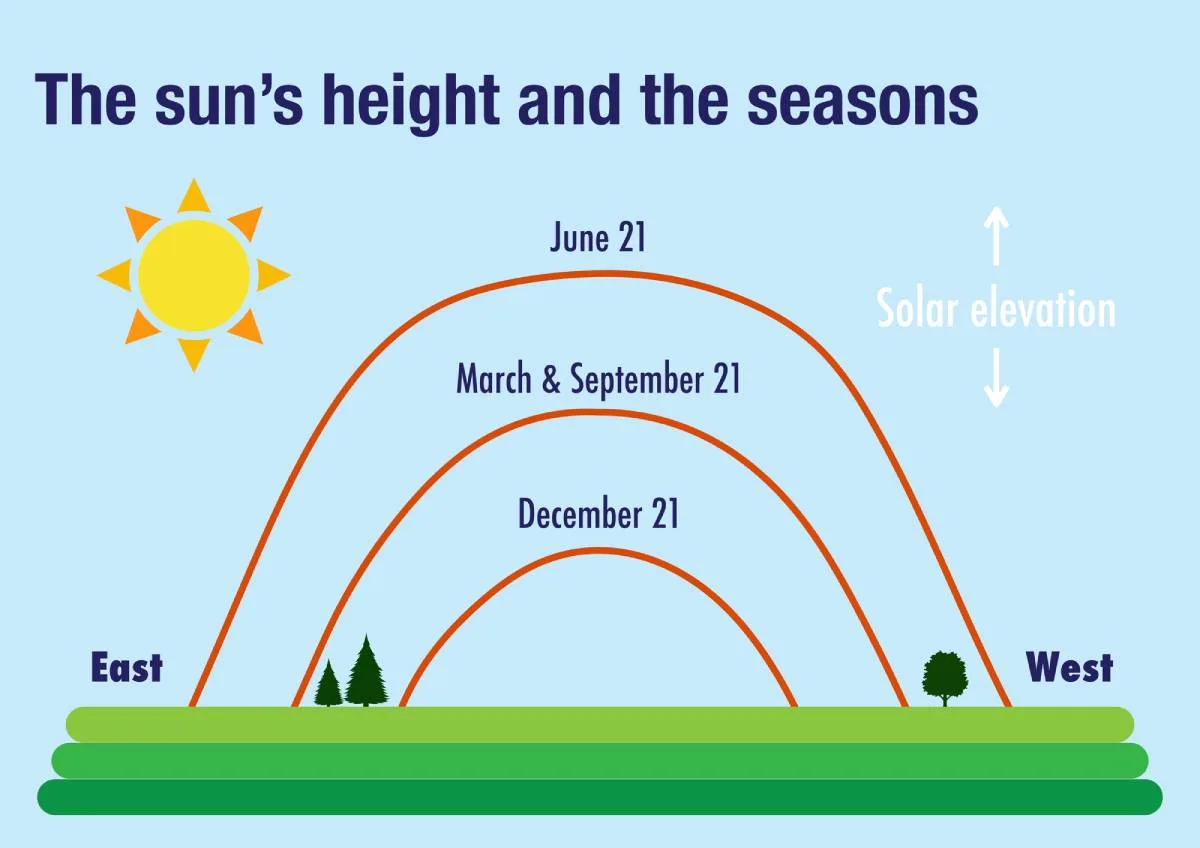
For official purposes, summer is defined by specific meteorological and astronomical boundaries. Meteorologically, summer is generally considered to run from June 1st to August 31st. This period aligns with the warmest three months of the year in the Northern Hemisphere. Astronomically, summer begins with the summer solstice, typically around June 20th or 21st, and concludes with the autumnal equinox, usually on September 22nd or 23rd.
Embracing the Peak of Heat and Humidity
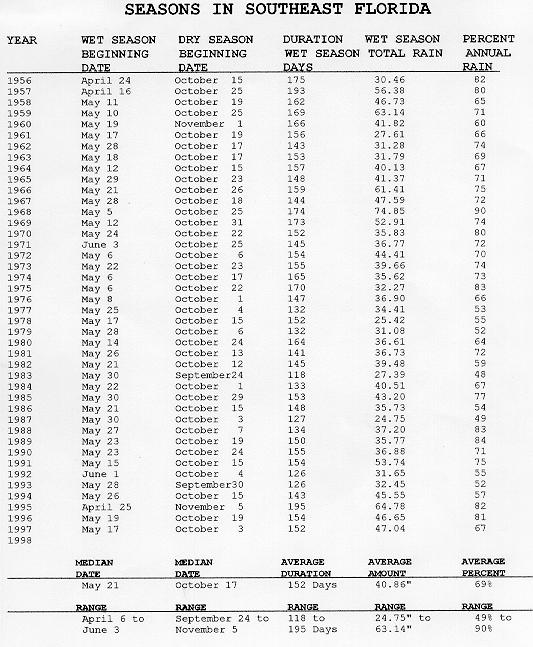
During these officially designated months, Florida experiences its most intense heat and humidity. Daytime temperatures frequently soar into the 90s Fahrenheit (around 32-37 degrees Celsius), with the high humidity making it feel even warmer. This is also the heart of the rainy season, characterized by brief, intense afternoon thunderstorms that often bring welcome, albeit temporary, relief from the heat. For visitors targeting these months, preparation is paramount: ample hydration, sun protection, and embracing indoor activities or early morning/late evening excursions are essential strategies. This is also the busiest travel period, with families on summer vacation filling the theme parks of Orlando and the beaches along the Gulf Coast.
The Transition: Equinox and Shifting Patterns
As the autumnal equinox approaches, the most palpable shift in Florida’s “summer” experience begins to emerge. While the calendar may flip, the weather often lags behind. September in Florida can still feel very much like summer, with warm temperatures and plenty of sunshine. However, subtle changes start to manifest. The humidity may begin to lessen slightly, and the frequency and intensity of afternoon thunderstorms might decrease. For travelers looking to enjoy Florida’s summer offerings with slightly fewer crowds and a touch more comfortable climate, the latter half of September and even early October can present an ideal window.
Florida’s Enduring Summer Vibe: Beyond the Calendar
The true magic of Florida’s summer lies not just in the calendar dates but in the pervasive atmosphere of leisure, fun, and outdoor enjoyment that it cultivates. This “summer vibe” is what many visitors seek, and it often lingers long after the official end of the season.
Autumnal Beginnings: A Gradual Unveiling
Unlike regions that experience a dramatic, rapid shift into fall, Florida’s transition is a more gentle affair. The landscape remains verdant, the ocean waters stay warm enough for comfortable swimming well into October, and the outdoor activities that define summer continue unabated. This extended season offers a unique advantage for travelers.
The Water’s Enduring Warmth

One of the most significant indicators of summer’s lingering presence is the temperature of the Atlantic Ocean and the Gulf of Mexico. These bodies of water absorb a tremendous amount of heat throughout the summer months, and they release this warmth gradually. Consequently, water temperatures often remain in the high 70s to low 80s Fahrenheit (26-28 degrees Celsius) through September and sometimes into October. This means that beach activities, water sports, and simply enjoying the coastline remain highly appealing long after the academic year has resumed and cooler weather has taken hold elsewhere. Resorts along the coast, from Miami Beach to Clearwater, continue to welcome guests eager for a final dip in the warm ocean waters.
The Extended Festival and Event Season
Florida’s calendar is punctuated by numerous festivals and events that are intrinsically linked to its warm-weather persona. From food and wine festivals to music celebrations and cultural gatherings, many of these are strategically timed to take advantage of the extended pleasant weather. While some are undeniably summer-centric, a significant number extend into the early fall, drawing crowds who are still very much in a summer state of mind. Destinations like Tampa and St. Petersburg often host lively outdoor events throughout September and October, capitalizing on the continued warm evenings.
The Influence of Hurricane Season
It’s crucial to acknowledge the role that hurricane season plays in shaping the perception of “summer’s end” in Florida. Hurricane season officially runs from June 1st to November 30th, with the most active period typically occurring from mid-August through October. While not every year brings significant storms, the potential for tropical weather events can influence travel decisions and create a sense of anticipation and caution that is distinct from the carefree feeling of peak summer. The looming possibility of a storm can subtly shift the mood, even if the weather remains warm and sunny. Travelers visiting during this period are advised to stay informed about weather forecasts and travel advisories.
Planning Your Florida Summer Experience: Timing is Everything
Understanding when summer truly “ends” in Florida allows for more strategic and enjoyable travel planning. By considering both the official markers and the enduring summer vibe, visitors can tailor their trips to their specific preferences.
Early Autumn: The Sweet Spot for Many
For those who love the essence of a Floridian summer but wish to avoid the highest temperatures, humidity, and peak crowds, the shoulder months of September and October often represent a sweet spot. The weather remains warm and conducive to outdoor activities, the water is still inviting, and the sheer volume of visitors may begin to decrease. This can translate into more accessible attractions, potentially lower accommodation rates in some areas, and a more relaxed pace. Exploring the natural beauty of the Everglades National Park or enjoying the vibrant nightlife of South Beach can be particularly pleasant during this transitional period.
Late Autumn: A Glimpse of Cooler Days
As November arrives, the shift towards cooler weather becomes more pronounced, though still mild by many standards. Daytime temperatures may settle into the 70s Fahrenheit (low 20s Celsius), offering a welcome respite for those unaccustomed to prolonged heat. This is an excellent time to explore the charming historic districts of cities like St. Augustine or to enjoy outdoor adventures without the intense summer sun. The fall foliage, while not as dramatic as in northern states, can bring subtle color changes to certain inland areas, adding another layer to the autumnal experience.
The Unofficial Summer: A Floridian State of Mind
Ultimately, for many Floridians and seasoned visitors, “summer” is less about a specific date on the calendar and more about a state of mind. It’s about the relaxed pace, the abundance of sunshine, the connection to the water, and the pervasive sense of opportunity for outdoor recreation and enjoyment. This spirit often extends throughout much of the year, making Florida a perennial destination for those seeking to capture that elusive, sun-kissed feeling. Whether you’re chasing the last warm days of September or simply embracing the year-round appeal of the Sunshine State, Florida’s summer spirit is a powerful and enduring draw. The end of summer, in its truest Floridian sense, is a gradual fading rather than a sudden cessation, allowing ample opportunity to savor the sunshine and warmth that the state so famously offers.
LifeOutOfTheBox is a participant in the Amazon Services LLC Associates Program, an affiliate advertising program designed to provide a means for sites to earn advertising fees by advertising and linking to Amazon.com. Amazon, the Amazon logo, AmazonSupply, and the AmazonSupply logo are trademarks of Amazon.com, Inc. or its affiliates. As an Amazon Associate we earn affiliate commissions from qualifying purchases.